You see them in the fall at the farmer's market or a specialty grocer. They look like a lumpy, fuzzy cross between an apple and a pear, often with a dull green-yellow skin. They're rock hard and smell faintly floral even before you cut into one. This is the quince. For years, I passed them by, intimidated. Then I bought one on a whim, and it completely changed my approach to autumn cooking.
The transformation this fruit undergoes with heat is nothing short of culinary alchemy. That pale, tough, sour flesh softens into a tender, fragrant delight and turns a beautiful rosy pink or amber. Its flavor becomes a complex mix of apple, pear, vanilla, and citrus. And the best part? Once you know a few basic techniques, quince recipes are incredibly forgiving and versatile.
What's Inside This Guide
Start Here: How to Choose and Prep Your Quince
Don't just grab any quince. Look for fruits that are firm (they all are) but have a deep, fragrant smell even through the skin. The fuzz rubs off easily. Avoid any with major bruises or soft spots, though a few markings are normal.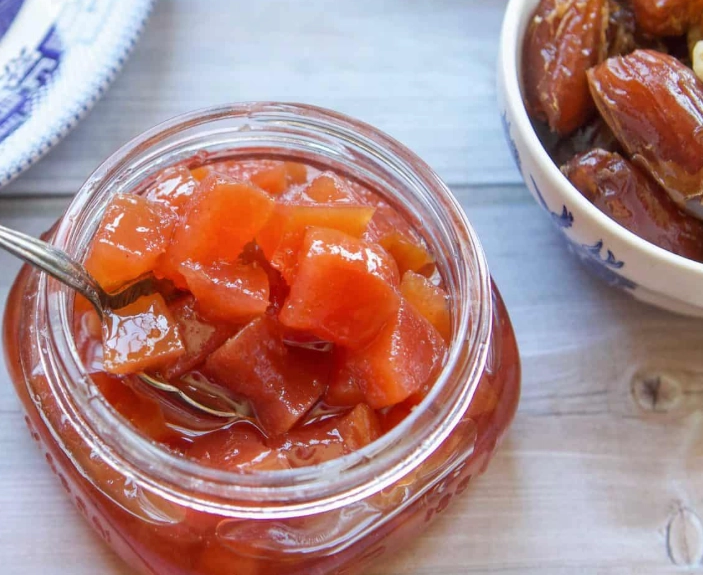
Now, the prep. This is where a lot of recipes gloss over the important details.
Wash the fuzz off. Because they're so hard, you need a sharp, sturdy chef's knife. Cut around the core like you would a tough apple—it's inedible. The seeds contain trace amounts of cyanide, like apple seeds, so discard the core safely. You can peel them or not. For jams and pastes where you want a super-smooth texture, peel. For poached slices or stews where you want the peel to help the pieces hold shape, leave it on.
Once cut, drop the pieces into a bowl of water with a squeeze of lemon juice. They oxidize and turn brown faster than apples.
The Sweet Staples You'll Make Again and Again
These two recipes form the foundation of quince cookery. Master them, and you've unlocked a world of possibilities.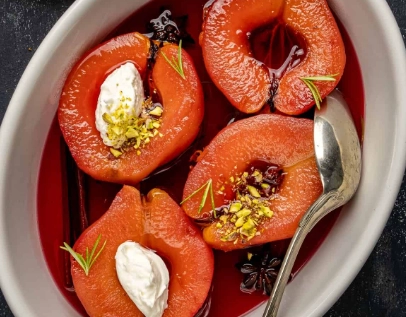
1. The Non-Negotiable: Simple Poached Quince
This isn't just a recipe; it's a technique. Poached quince is your building block. Eat it with yogurt, over ice cream, alongside roast pork, or blended into a fool.
- 1 lb quince (about 2 medium), peeled, cored, cut into ½-inch slices or wedges.
- 3 cups water
- 1 cup sugar (adjust to taste—quince is tart)
- 1 strip of lemon peel and a cinnamon stick or 2 star anise (optional but lovely)
Combine everything in that stainless steel pot. Bring to a simmer, then reduce heat to low. Cover and let it bubble gently. This is the part most people mess up: they boil it hard, and the pieces disintegrate on the outside while staying hard inside. Low and slow is the key.
Now, wait. It can take anywhere from 45 minutes to 1.5 hours. You're waiting for that color change to a warm pink/amber and for a knife to slide in easily. The syrup will thicken and turn a gorgeous ruby red. Let the pieces cool in the syrup. They keep for weeks in the fridge.
2. Quince Jam & The Magic of Membrillo
From your poached quince, you're one step from jam. Take about 2 cups of your poached slices and their syrup, blend until smooth (or leave chunky), and simmer in a wide pan until it thickens to your liking. The pectin in quince is phenomenal—it sets beautifully.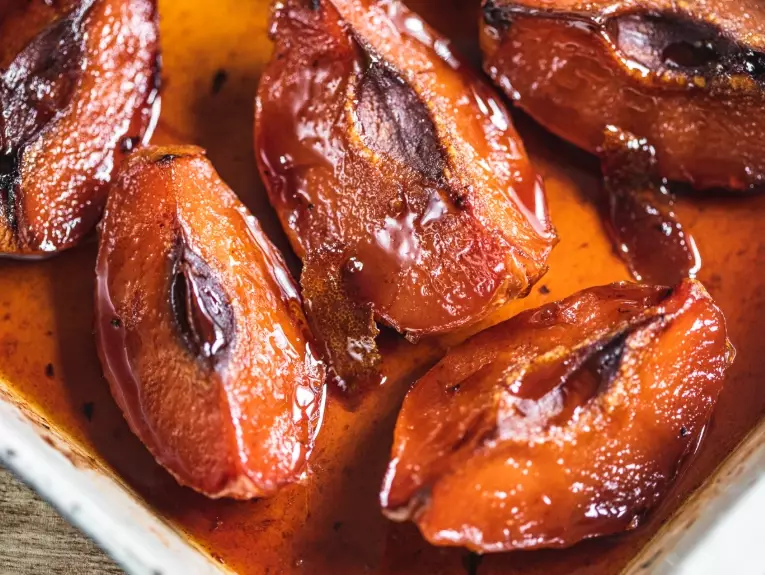
But here's the thing most recipes don't tell you: if you keep cooking that puree, stirring almost constantly over lower heat for another 45-60 minutes, you get membrillo (quince paste). It's the Spanish delicacy served with Manchego cheese. You cook it until it's so thick the spatula leaves a clear path on the bottom of the pan. Then you spread it into a parchment-lined dish and let it set for a day or two. It slices like a firm jelly.
The Savory Surprise: Quince Beyond Dessert
This is where quince truly shines. Its acidity and fragrance cut through rich meats beautifully.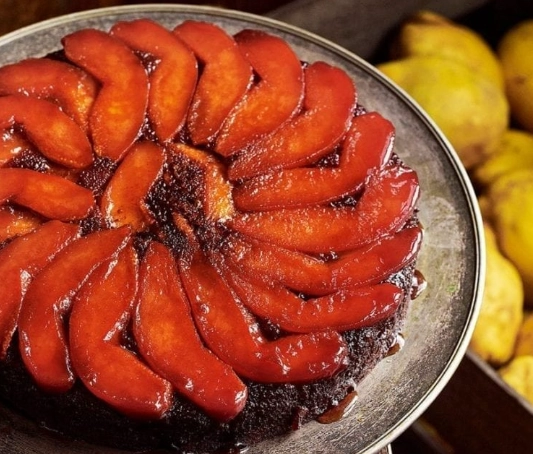
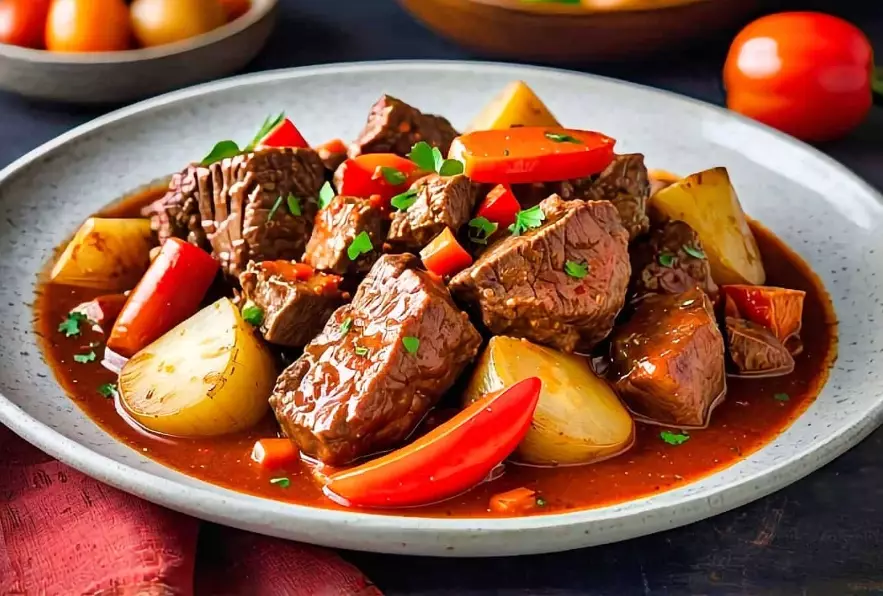
My favorite application is in a Moroccan-style tagine. Brown some lamb or chicken thighs. Remove them, and in the same pot, soften onions and garlic. Add back the meat, a cup of stock, a pinch of saffron, some ginger, and a cinnamon stick. Now, add chunks of peeled, raw quince. They'll cook in the stewing liquid, absorbing all the savory spices while lending their subtle sweetness and fragrance. Simmer until the meat is tender. The quince pieces will be soft but not mushy, a stunning counterpoint to the meat.
Another dead-simple winner: Roasted Quince and Root Vegetables. Toss parsnips, carrots, and onion wedges with oil, salt, and pepper. Add peeled, cubed quince. Roast at 400°F until caramelized. The quince softens and its flavor intensifies, becoming almost floral. It's a game-changer.
To help you navigate, here’s a quick reference for your quince adventures: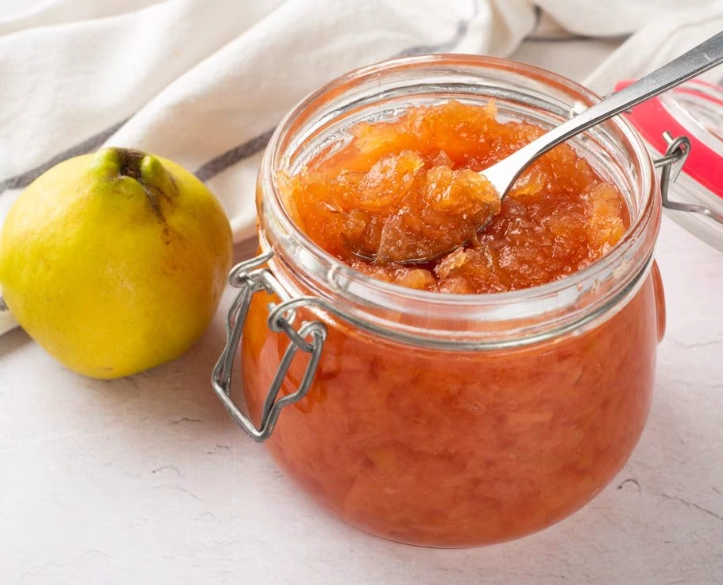
| Recipe Type | Best For | Key Prep Tip | Flavor Pairings |
|---|---|---|---|
| Poached | Breakfast bowls, cheese plates, ice cream topping | Cook low & slow; don't boil. The color change is your cue. | Cinnamon, star anise, vanilla, orange zest |
| Jam / Membrillo | Toast, cheese pairings, pastries | Use stainless steel. Test set with a cold plate. | Ginger, cardamom, rosewater, walnuts |
| Savory Stews & Roasts | Tagines, with pork or chicken, roasted veg mixes | Add raw chunks early; they hold shape well. | Lamb, chicken, saffron, ginger, cumin, rosemary |
The biggest mistake I see? Overcooking. Quince turns from hard to mush in a narrow window. Start checking for tenderness early. You want it soft but still holding its shape.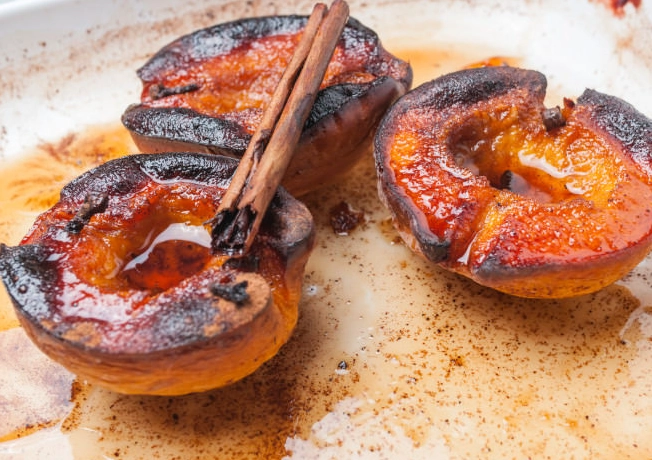
Your Quince Questions, Answered
Why is my quince jam too runny?
You likely didn't reach the gelling point (around 220°F or 105°C). Quince is high in pectin, but it needs the right sugar-acid balance and sufficient cooking time to set. Use a candy thermometer. If it's still runny after cooling, you can re-boil it. A squeeze of lemon juice can help activate the pectin.
Can I eat raw quince?
Technically, yes, but I wouldn't recommend it. Raw quince is incredibly hard, astringent, and sour. The magic happens with heat. Cooking transforms its flesh from pale and crunchy to a tender, rosy-hued delight and mellows the flavor completely. It's a fruit built for the pot, not the fruit bowl.
What's the best substitute for quince in a recipe?
For texture in stews, firm pears or tart apples like Granny Smith can work. For flavor, there's no perfect match. A combination of apple and a bit of pear with a drop of rosewater or vanilla might hint at the floral notes, but it won't replicate quince's unique perfume and color-changing magic.
How do I store cooked quince paste (membrillo)?
Wrap the fully set and cooled block tightly in parchment paper, then in plastic wrap or foil. It keeps for months in the fridge. For longer storage, you can vacuum-seal it. If a white sugar bloom appears on the surface, just slice it off – it's perfectly safe to eat.
Quince is a secret weapon. It's not an everyday fruit, and that's what makes it special. It asks for a bit of patience but pays you back with a flavor and aroma you simply can't get anywhere else. Start with poaching. Make the jam. Then throw it in a stew. You'll wonder why you waited so long.