In This Guide
- Gathering Your Tools and Ingredients
- Choosing Your Blackberry Jam Path: With or Without Added Pectin
- The Core, Easy Blackberry Jam Recipe (Small Batch)
- What About Canning? Making Your Jam Shelf-Stable
- Troubleshooting Your Jam: Why Didn't It Set?
- Beyond the Basic Blackberry Jam Recipe: Flavor Twists
- Your Blackberry Jam Questions, Answered
- Storing and Using Your Homemade Treasure
Let's be honest. Store-bought jam is fine in a pinch, but there's something almost magical about spreading your own homemade blackberry jam on toast. The flavor is brighter, the color is deeper, and the satisfaction? Off the charts. If you've ever looked at a basket of fresh (or even frozen) blackberries and thought, "I should make jam," but felt intimidated, this guide is for you. We're going to strip away the mystery and walk through a truly easy blackberry jam recipe, step by step.
I remember my first batch. It was way too sweet, and I was terrified of the whole canning process. I ended up just putting it in the fridge and eating it within two weeks. And you know what? That was perfectly okay. Not every batch needs to be shelf-stable for years. Sometimes, a small jar of fresh jam is the perfect weekend project.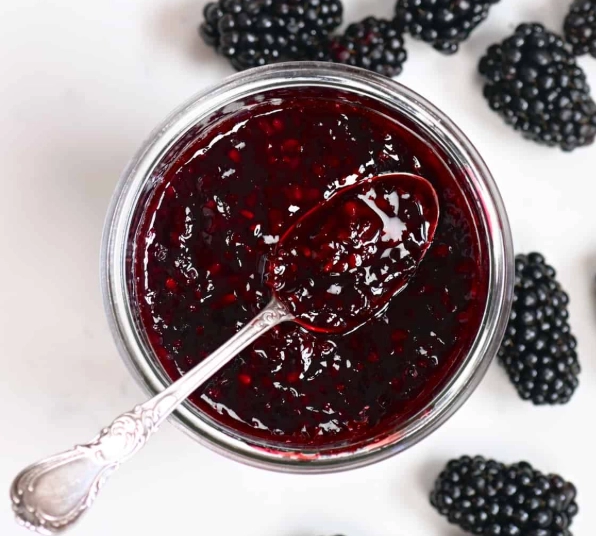
Gathering Your Tools and Ingredients
You don't need a ton of fancy gear to make a fantastic blackberry jam recipe. A heavy-bottomed pot is your best friend here—it prevents scorching. A long-handled wooden spoon for stirring, a way to mash the berries (a potato masher works great), and some jars. That's really the core of it.
The Essential Shopping List
For a classic, reliable blackberry jam, you need just a few things:
- Blackberries: About 4-5 cups. Fresh is ideal in season, but frozen berries are a fantastic year-round option. In fact, frozen berries are often picked and frozen at peak ripeness, which can make for a more flavorful jam.
- Sugar: Granulated white sugar is standard. The amount varies wildly based on the recipe and your taste. A traditional ratio might be equal parts fruit and sugar by weight, but many modern recipes, like the one we'll build, use less.
- Lemon Juice: This is non-negotiable in my book. It adds a touch of brightness that cuts the sweetness and, more importantly, provides acidity for safe preservation and better pectin set. Fresh is best.
- Pectin (Optional): This is the natural substance that makes jam gel. Some fruits are high in it, some are low. Blackberries are moderately low. Using commercial pectin (like powdered or liquid) guarantees a set and allows you to use less sugar. I'll give you methods for both.
What about low-sugar or no-sugar pectin? Absolutely an option. Brands like Ball and Pomona's make pectins designed to work with little to no added sugar. They're great if you're watching sugar intake or want the pure, tart berry flavor to shine. Just follow the instructions on that specific pectin box—it's a different process.
Choosing Your Blackberry Jam Path: With or Without Added Pectin
This is the first big decision. Do you want the foolproof set of a pectin recipe, or the more traditional, slower-cooked method? I've made both, and they each have their place.
| Method | Best For... | Pros | Cons |
|---|---|---|---|
| With Added Pectin (Powder or Liquid) | Beginners, those short on time, anyone wanting a softer set with less sugar. | Foolproof gelling, shorter cooking time (preserves fresh flavor), can use less sugar. | Can have a slightly "manufactured" set if overdone, requires precise timing. |
| Without Added Pectin (Long Boil) | Purists, those who enjoy the process, people who prefer a more intense, concentrated flavor. | Deep, cooked-berry flavor, more forgiving on timing (you watch for set, not the clock), no extra additives. | Requires longer cooking (can dull fresh flavor), needs more sugar to set properly, higher risk of not setting. |
My personal go-to for a quick, bright-tasting jam is the pectin method. But on a lazy Sunday, I love the ritual of the long boil. The house smells incredible.
The Core, Easy Blackberry Jam Recipe (Small Batch)
Let's start with a manageable, small-batch recipe you can finish in under an hour. This uses powdered pectin for reliability. You'll get about 3-4 half-pint jars.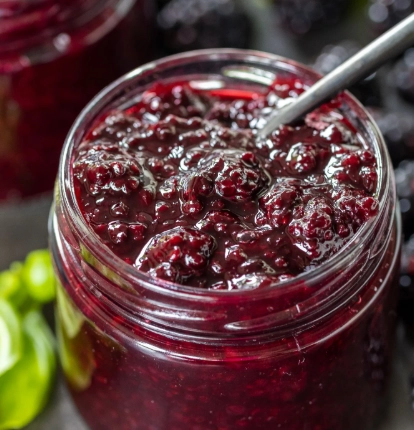
Ingredients
- 4 cups crushed blackberries (about 1.5 lbs or 680g fresh or frozen)
- 1 tablespoon fresh lemon juice
- 1 package (1.75 oz) regular powdered fruit pectin (like Ball or Sure-Jell)
- 4 cups granulated sugar
- 1/2 teaspoon unsalted butter (optional, to reduce foaming)
Step-by-Step Instructions
1. Prep the Berries: If using fresh, rinse them gently and drain well. Don't soak them. Place them in your large, heavy pot. Use your potato masher to crush them thoroughly. You want a good mix of pulp and juice. If using frozen, you can often add them straight to the pot and crush them as they thaw over heat.
2. Cook the Fruit Base: Stir the lemon juice and the entire package of powdered pectin into the crushed berries. Add the optional butter. Bring this mixture to a full, rolling boil over high heat. This is a boil that doesn't stop bubbling when you stir it.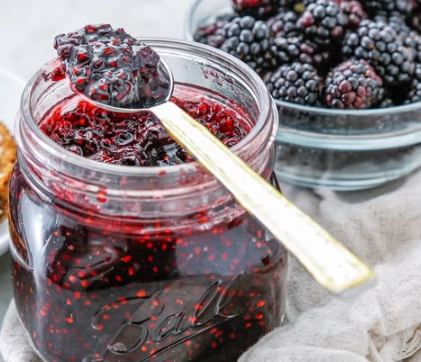
3. Add the Sugar: Once at that hard boil, dump in all the sugar at once. Stir vigorously to dissolve. This will cause the mixture to stop boiling briefly. Bring it back to a full, rolling boil again.
4. The Critical Boil: Once it returns to a rolling boil, start your timer. Boil hard for exactly 1 minute. Stir constantly. After 1 minute, remove the pot from the heat.
5. Skim and Jar: You might see a pinkish foam on top. Skim it off with a spoon for clearer jam. Now, immediately ladle the hot jam into clean, warm jars. Leave about 1/4 inch of space at the top (headspace).
See? The active cooking time for this blackberry jam recipe is minimal. The pectin does the heavy lifting.
What About Canning? Making Your Jam Shelf-Stable
If you want to store your jam at room temperature for up to a year, you need to process the filled jars in a boiling water bath. This isn't as scary as it sounds.
- Wash your jars and lids in hot, soapy water. Keep the jars hot (you can keep them in a simmering pot of water or a warm oven).
- After filling the hot jars with jam, wipe the rims clean with a damp paper towel. Any food residue can prevent a seal.
- Place the flat lid on, then screw on the band until it's "fingertip tight"—just snug, not cranked on with all your might.
- Using a jar lifter, place the jars into a large pot of boiling water, ensuring they are covered by at least 1-2 inches of water.
- Process (boil) the jars for 10 minutes (adjusting for altitude if you live above 1,000 feet—check the National Center for Home Food Preservation guidelines for details).
- Turn off the heat, let the jars sit in the water for 5 minutes, then remove and let them cool, undisturbed, for 12-24 hours. You should hear satisfying "pops" as they seal.
For absolute beginners, the Ball Canning website has fantastic visual guides and troubleshooting tips that make the process much clearer.
Troubleshooting Your Jam: Why Didn't It Set?
It happens to everyone. You followed a blackberry jam recipe, but it's still runny. Don't despair. Here's what might have happened:
- Under-ripe Berries: Pectin content is highest in just-ripe or slightly under-ripe fruit. Super-ripe, soft berries are sweeter but lower in pectin.
- Not Enough Acid: Lemon juice is crucial for the pectin network to form. Did you forget it or skimp?
- Incorrect Sugar Ratio: Sugar works with pectin to create the gel. If you drastically reduced the sugar in a traditional recipe, it may not set.
- Undercooked (No-Pectin Method): You didn't boil it long enough to reach the gelling point.
- Overcooked (Pectin Method): Boiling the pectin mixture for too long after adding sugar can break down the pectin, leading to a runny product.
Beyond the Basic Blackberry Jam Recipe: Flavor Twists
Once you've mastered the classic, playing with flavors is half the fun. Here are a few simple additions to try with your next batch:
- Blackberry-Lime: Swap the lemon juice for fresh lime juice and add 1 teaspoon of finely grated lime zest.
- Blackberry-Vanilla: Split a vanilla bean and scrape the seeds into the berries while cooking, or add 1-2 teaspoons of pure vanilla extract after removing from heat.
- Spiced Blackberry: Add a cinnamon stick, a few whole cloves, or a pinch of freshly grated nutmeg to the pot while cooking. Remember to remove whole spices before jarring.
- Blackberry-Rosemary: A surprisingly elegant combo. Add one 3-inch sprig of fresh rosemary during the boil, then remove it.
I'm not a huge fan of overly complicated mixes. Sometimes just a hint of another flavor lets the blackberry shine.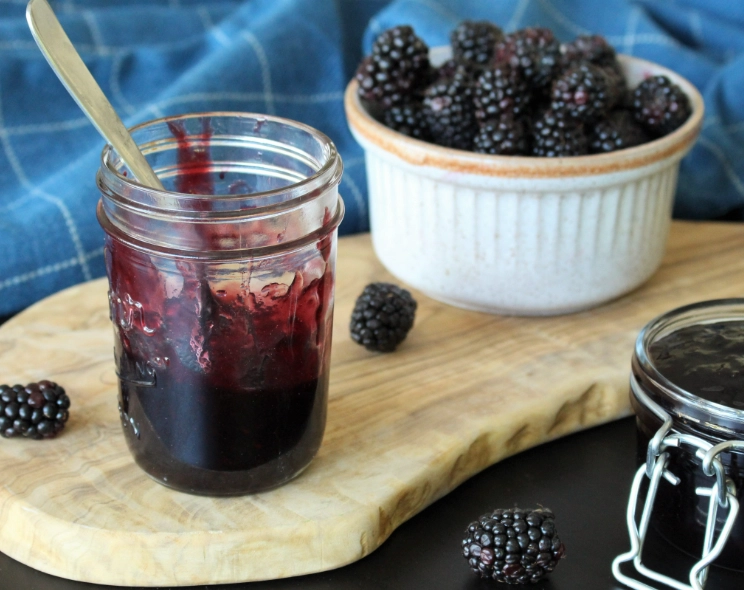
Your Blackberry Jam Questions, Answered
Storing and Using Your Homemade Treasure
Processed, sealed jars can be stored in a cool, dark place for up to a year. Once opened, refrigerate and use within a month. Unprocessed jars (just filled and lidded) must be refrigerated and used within 3 weeks.
Of course, you'll put it on toast and biscuits. But think bigger:
- Swirl it into plain yogurt or oatmeal.
- Use it as a filling for layer cakes or to top cheesecake.
- Make a quick pan sauce for pork chops or chicken by thinning a spoonful with a bit of vinegar or broth.
- Drop a dollop onto a block of cream cheese for an instant, impressive appetizer.
- Mix it into vinaigrettes for a fruity salad dressing.
Making your own blackberry jam isn't about recreating the supermarket jar. It's about capturing a flavor at its peak, controlling what goes into it, and enjoying the simple, tangible result of your work. Start with a small batch. Don't stress about canning if you're not ready. Just get some berries, a pot, and give it a try. The worst that can happen is you get some very tasty blackberry syrup.
And that's hardly a failure at all.