Imagine a cold winter evening in the rolling hills of Piedmont, Italy. A rustic table is laden with vibrant, fresh vegetables. In the center, a terracotta pot sits over a small flame, cradling a warm, pungent, and utterly irresistible sauce. This is bagna cauda, a humble yet profound dish that embodies the soul of Northern Italian cuisine. More than just a dip, it's a social ritual, a warm embrace in food form. If you've been searching for a show-stopping appetizer that's deceptively simple to make, you've found it.
Bagna cauda translates to "hot bath," and that's exactly what it is—a luxurious, warm bath of garlic, anchovies, and olive oil for your favorite crudités. Its beauty lies in its simplicity and the way it transforms ordinary vegetables into something extraordinary. I first had it in a tiny trattoria in Alba, served with the region's iconic cardoons. The memory of that deep, savory, umami-rich sauce clinging to each vegetable is what inspired me to perfect this recipe at home.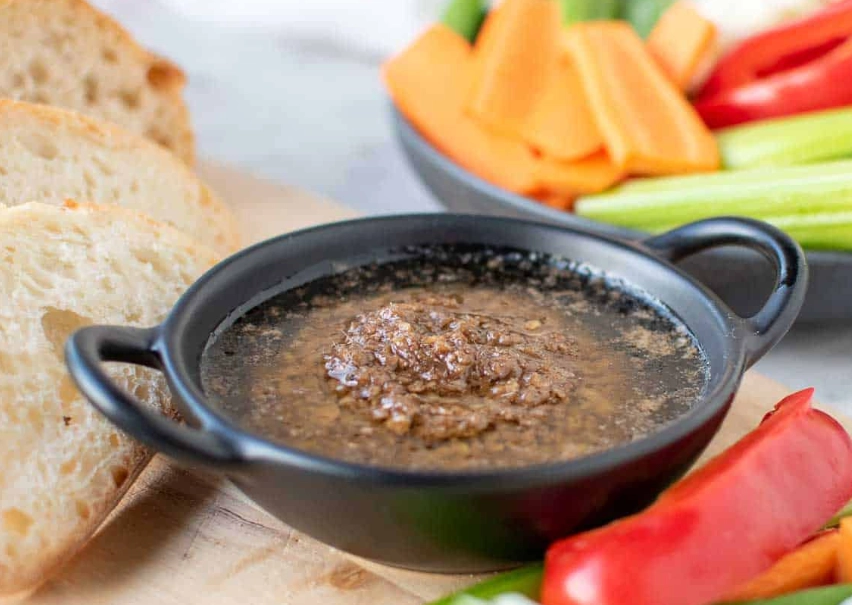
What’s Inside?
What is Bagna Cauda? A Dip, a Sauce, a Tradition
Bagna cauda is a warm dip from Piedmont, Italy. Its name literally means "hot bath," which perfectly describes the experience of dipping vegetables into this warm, garlicky, anchovy-infused olive oil. It's peasant food at its finest, born from the need to make humble ingredients deeply satisfying. Traditionally served in a terracotta pot over a candle to keep it warm, it's the centerpiece of a relaxed, shared meal.
Think of it as the Italian cousin of fondue, but without the cheese. It's richer, more pungent, and meant for hearty winter vegetables. The magic is in how these few ingredients create a sauce that's far greater than the sum of its parts.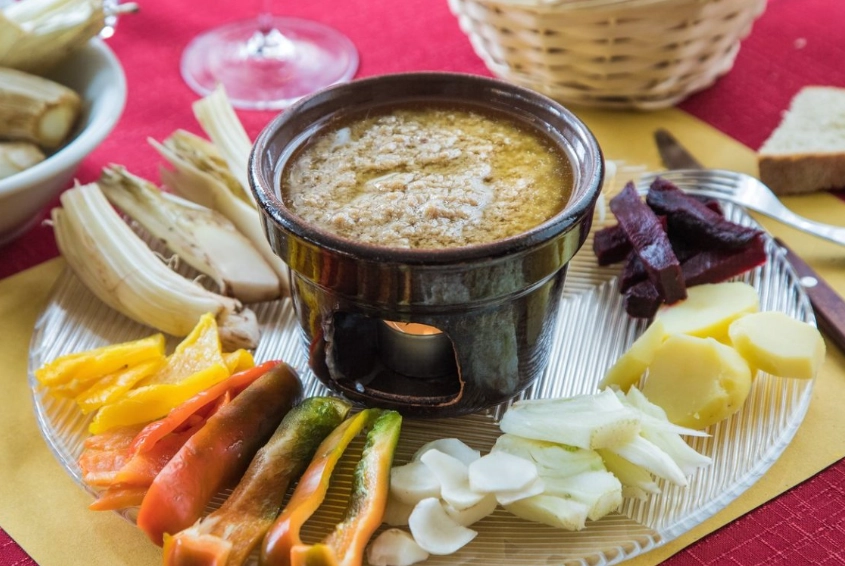
The Simple Magic: Ingredients Breakdown
You only need a handful of ingredients, but their quality is paramount. Here’s what you’re looking for:
- Extra Virgin Olive Oil: This is the backbone. Don't use your fancy finishing oil here; you need something robust that can handle heat. A good, fruity extra virgin olive oil works perfectly.
- Garlic: Thinly sliced, not minced. This allows it to melt and sweeten slowly in the oil. The goal is a subtle garlic flavor, not a harsh punch.
- Anchovies: Oil-packed anchovy fillets. Salt-packed are more traditional but require cleaning. For simplicity, high-quality oil-packed fillets are perfect. They should melt into the sauce, leaving no discernible chunks.
- Butter: Unsalted butter. It adds a velvety richness and helps emulsify the sauce. Some traditional recipes use only olive oil, but butter gives it a rounder, more comforting feel.
That's it. No cream, no cheese, no thickeners. The transformation happens with heat and time.
Step-by-Step: Crafting Your Bagna Cauda
This isn't a recipe you rush. It's a meditation. The goal is fusion, not frying.
- Start cold. Combine the thinly sliced garlic and anchovies in the cold olive oil. This allows the flavors to infuse gently as the oil heats.
- Apply the lowest heat your stove can muster. You're coaxing flavors, not attacking them. A gentle simmer is your friend; a boil is your enemy. This low-and-slow approach transforms harsh raw garlic into something sweet and nutty.
- Stir occasionally, but don't fuss. You're watching for the garlic to become translucent and soft, never letting it take on any color. If it starts to sizzle or brown, pull the pot off the heat immediately.
- Once the garlic is soft, add the butter piece by piece, letting each addition melt fully before adding the next. This gradual incorporation helps maintain the emulsion.
- Let it rest off the heat for at least 10 minutes. This resting period is non-negotiable. It allows the flavors to marry and mellow, transforming the sauce from harsh to harmonious.
I learned this the hard way. My first attempt was a disaster—burnt garlic that made the entire sauce bitter. I had to start over. The difference between a good bagna cauda and a great one is patience. That extra fifteen minutes on the lowest possible heat makes all the difference.
The Pitfalls: Common Mistakes to Avoid
Even simple recipes have their traps. Here are the ones I've fallen into so you don't have to.
- High Heat: This is the cardinal sin. Garlic burns in an instant, and burnt garlic is bitter garlic. If you see any hint of golden color, you've gone too far.
- Minced Garlic: Slicing allows for even, gentle cooking. Minced garlic exposes more surface area and can burn or turn bitter before the flavor has properly infused the oil.
- Impatience: Rushing the infusion process yields a harsh, unbalanced sauce. The garlic needs time to sweeten and mellow. Give it that time.
- Storing Hot: Never put the hot sauce directly in the refrigerator. The rapid temperature change can cause the oil to solidify in an unpleasant way. Let it come to room temperature first.
The Perfect Platter: What to Serve with Bagna Cauda
This is where bagna cauda shines. It's a social food, meant for sharing. Arrange a large platter with a variety of textures and flavors. The classic Piedmontese accompaniment is cardoons, but they can be hard to find. Here's what works wonderfully:
- Crunchy Vegetables: Bell peppers (any color), fennel, celery, radishes, endive, carrots.
- Hearty Vegetables: Steamed potatoes, cauliflower, broccoli, Jerusalem artichokes.
- Bread: A crusty, rustic loaf is traditional. Tear off pieces and dip. It's communal, it's simple, it's perfect.
You can also get creative. Try blanched green beans, roasted squash, or even boiled eggs. The sauce's richness cuts through the egg beautifully.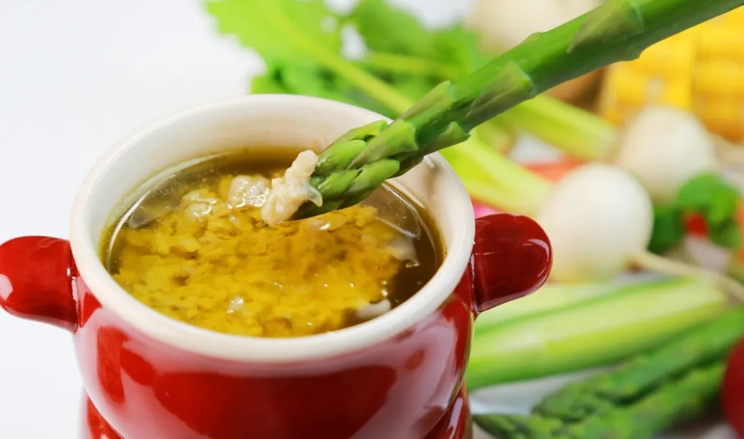
How to Serve Bagna Cauda Like a Local
Presentation matters. In Piedmont, bagna cauda is served in a special terracotta pot called a "fujot" over a small candle. This isn't just for show; it keeps the sauce warm and fluid, perfect for dipping. You don't need the special pot, but you do need a way to keep it warm. A small fondue pot, a ramekin over a tea light, even a mug in a bowl of hot water will work.
Serve it with simple, rustic bread for wiping the pot clean at the end. It's part of the ritual, the final act of savoring every drop.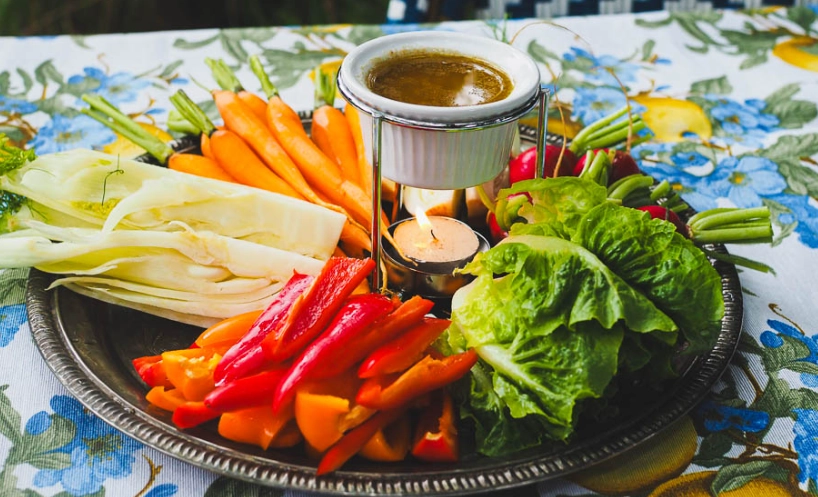
Bagna Cauda FAQs
A Final Word: Embrace the Ritual
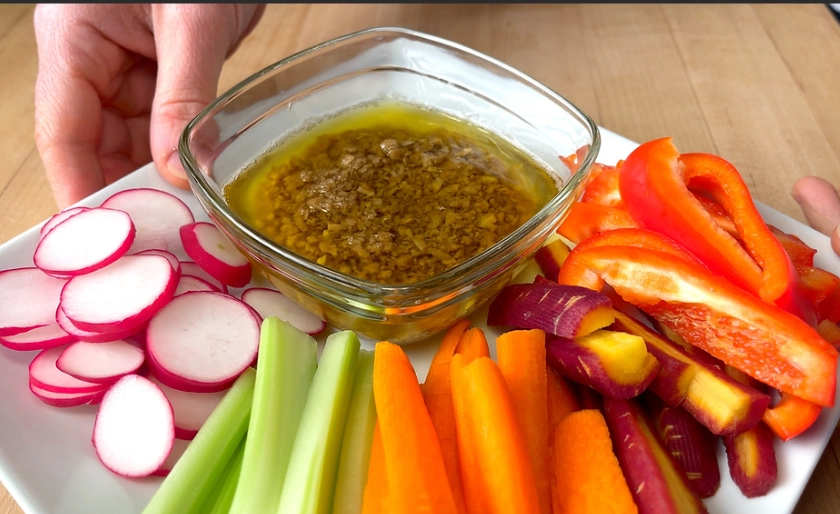 Bagna cauda isn't just a recipe; it's an experience. It's about gathering, sharing, and savoring. It's about taking simple ingredients and transforming them into something memorable. So take your time, enjoy the process, and share the result. That's the true spirit of bagna cauda.
Remember, the best meals aren't about complexity; they're about connection. And few things connect people like a shared pot of something warm, savory, and deeply satisfying.