I used to stare at the blue cheese wedge in my fridge like it was a chemistry experiment gone wrong. That bold, tangy smell, the dramatic blue veins—it felt like a cheese for fancy people, not for Tuesday night pasta. I was wrong. Once you learn a few simple tricks, blue cheese becomes your secret weapon for adding insane flavor to everyday meals, from a killer salad dressing to a pasta sauce that tastes like it came from a restaurant.
The mistake most beginners make is trying to use it like cheddar. You can't just slap a slice on a burger and hope for the best (well, you can, but there's a better way). The key is balance and technique. Let's break down how to buy it, handle it, and cook with it, no fancy skills required.
What You'll Find Inside
Your Blue Cheese Buying Guide: Picking the Right One
Walk into the cheese section and you'll see a few types. They're not all the same. Choosing the right one for your recipe is half the battle.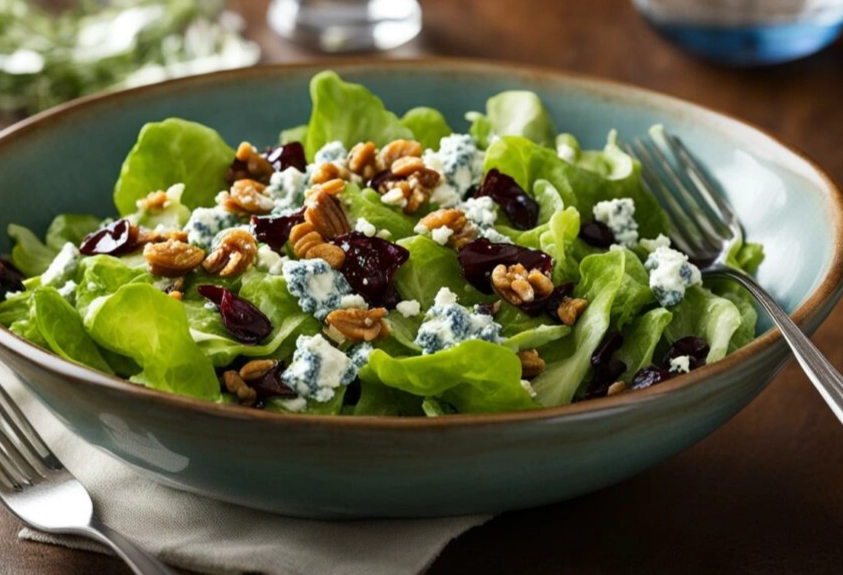
| Type of Blue Cheese | Flavor Profile | Best For... | Beginner-Friendly? |
|---|---|---|---|
| Gorgonzola Dolce | Mild, creamy, buttery, slightly sweet. | Melting into sauces, spreading on crackers, pasta. | Yes - The perfect gateway blue cheese. |
| Danish Blue (Danablu) | Salty, tangy, crumbly. More punch than Dolce but not overwhelming. | Salads, crumbling over steak, dressings. | Yes - A great all-rounder. |
| Roquefort | Intense, sharp, salty, earthy. Made from sheep's milk. | Being the star of the show. Simple applications where you can really taste it. | Maybe later. It's powerful. |
| Stilton | Rich, robust, complex. Less salty than Roquefort. | Cheese boards, pairing with port, crumbling into hearty dishes. | It's a step up. Try it after you're comfortable. |
My advice? Start with a small wedge of Gorgonzola Dolce or Danish Blue. Avoid the pre-crumbled stuff in a tub for most cooked recipes. It's coated in anti-caking powder that can make sauces grainy. For a dressing you're whisking by hand? The pre-crumbled is fine. For a hot pasta sauce? Get the wedge.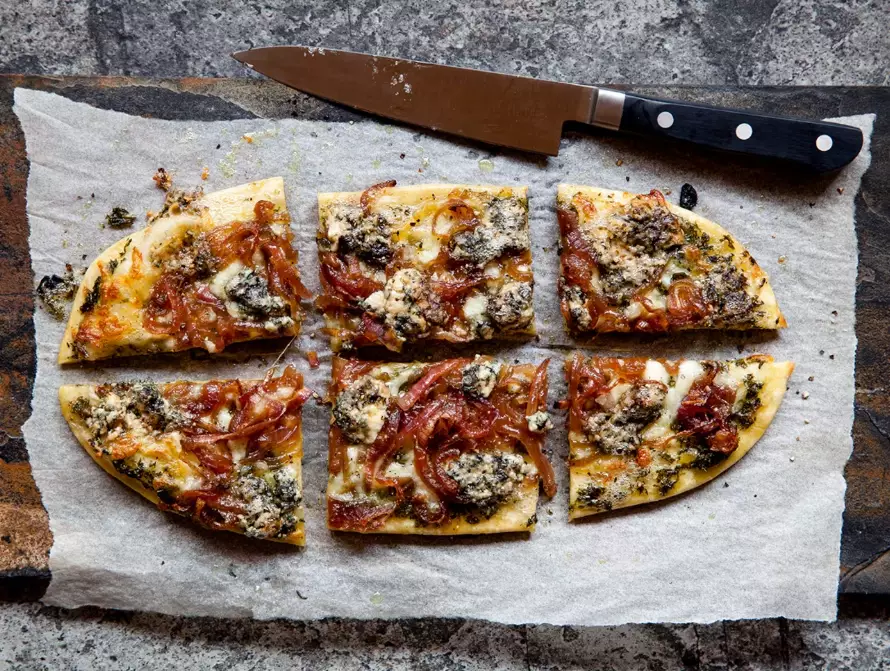
Pro Storage Tip: Once opened, wrap the cut face of the wedge tightly in parchment paper, then put it in a resealable bag. The parchment lets it breathe just enough. It'll keep for weeks this way. If a little extra white mold forms, just cut it off—no big deal.
How to Make a Classic Blue Cheese Dressing (The Right Way)
This is where everyone should start. A great blue cheese dressing is creamy, chunky, tangy, and ridiculously easy. The "right way" means avoiding a common pitfall: using all mayonnaise.
Here's my go-to ratio, learned after a few too many gloppy, one-note dressings:
- 1/2 cup full-fat sour cream (the tang is crucial)
- 1/4 cup good mayonnaise (for richness)
- 1/4 cup buttermilk (or whole milk with a squeeze of lemon) for pourable consistency
- 1 teaspoon white wine vinegar
- 1 small garlic clove, minced to a paste
- Pinch of salt and black pepper
- 4 ounces Danish Blue or Gorgonzola Dolce, crumbled
The Method That Matters: In a bowl, whisk the sour cream, mayo, buttermilk, vinegar, garlic, salt, and pepper until smooth. Now, fold in the blue cheese crumbles with a spatula. Don't whisk it in. You want distinct, creamy pockets of cheese, not a uniform blue slurry. Let it sit in the fridge for at least 30 minutes. The flavors marry, the garlic mellows, and it thickens up perfectly.
It transforms a basic iceberg wedge. Try it on a salad of crisp romaine, juicy pear slices, toasted walnuts, and a few red onion slivers. The sweet pear against the salty cheese is magic.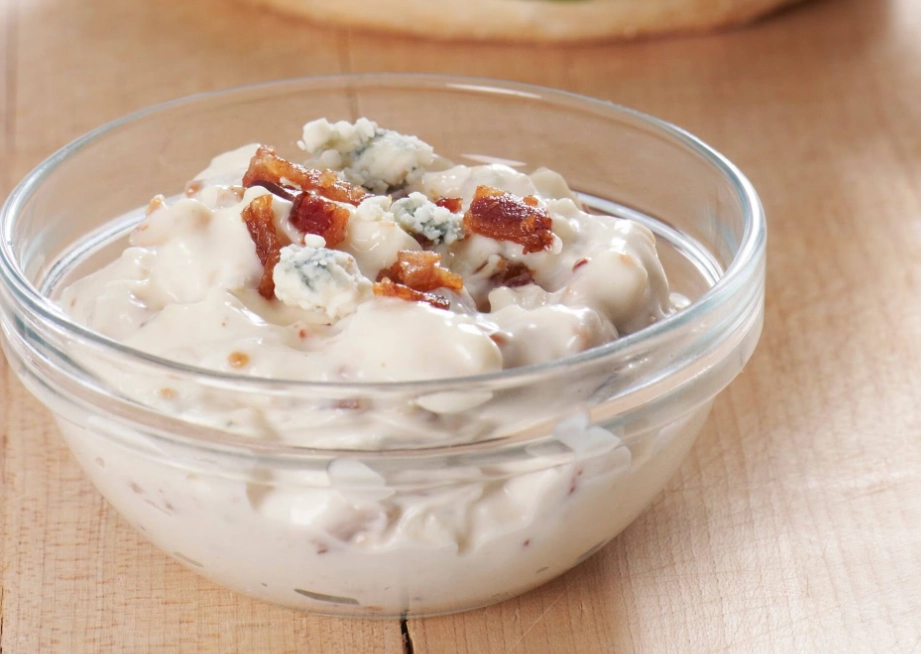
5 Easy Blue Cheese Recipes You Can Make Tonight
Move beyond the salad. These are my weeknight workhorses that actually get made.
1. The 15-Minute Creamy Blue Cheese Pasta
This is the recipe that converted my blue-cheese-skeptic partner. Cook your pasta (fettuccine or penne). While it cooks, melt 3 tablespoons of butter in a large pan over medium-low heat. Add a minced shallot and cook until soft. Pour in 1 cup of heavy cream and let it warm up—don't boil it. Take the pan off the heat. Crumble in about 5 ounces of Gorgonzola Dolce. Let it melt slowly in the residual heat, stirring until creamy. Stir in the drained pasta, a handful of baby spinach (it wilts instantly), and lots of black pepper. The sauce is rich, silky, and complex. The off-heat melting is the non-negotiable step to prevent graininess.
2. The Ultimate Burger Topping
Don't just crumble it on top. Make a compound butter. Soften 4 tbsp of butter and mash it with 2 ounces of crumbled blue cheese, a tablespoon of chopped fresh chives, and a crack of pepper. Form it into a log on plastic wrap and chill. Slice a disc off and let it melt over your hot burger patty right after it comes off the grill. It melts into a luscious, savory sauce that soaks into the bun. Game changer.
3. Roasted Fig & Blue Cheese Crostini
Perfect for when you need to look fancy with zero effort. Halve fresh figs, drizzle with honey and balsamic, roast at 400°F for 10 minutes until jammy. Spread a baguette slice with mascarpone or ricotta, top with a warm fig half, and a small crumble of Stilton or Danish Blue. The warm, sweet fig makes the blue cheese taste nutty and luxurious, not sharp.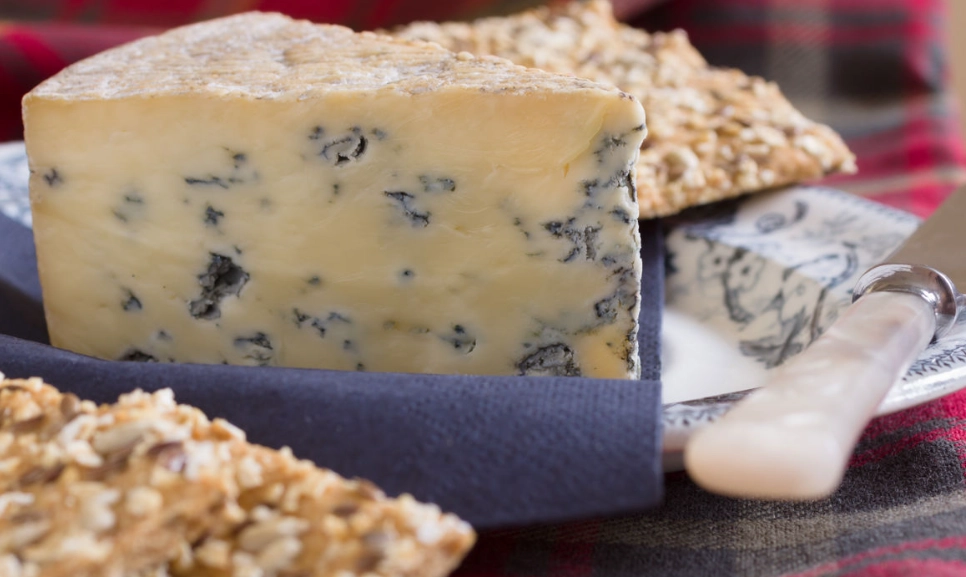
4. Simple Steakhouse-Style Steak Salad
Slice a leftover grilled steak (or quickly pan-sear a new one). Toss mixed greens with a light red wine vinaigrette. Arrange the warm steak slices on top. Scatter with cherry tomatoes, thinly sliced red onion, and generous crumbles of Danish Blue. The warmth of the steak slightly softens the cheese. It feels like a decadent restaurant meal.
5. Buffalo Chicken Dip Reinvented
The classic uses ranch. Swap in blue cheese for a deeper flavor. Mix 2 cups shredded cooked chicken, 8 oz softened cream cheese, 1/2 cup hot sauce (like Frank's), 1/2 cup blue cheese dressing (use the one above!), and 1 cup shredded mozzarella. Bake until bubbly. The blue cheese cuts through the heat and richness in a way ranch never could.
The 3 Biggest Mistakes People Make With Blue Cheese
I've made them all so you don't have to.
1. Using High, Direct Heat. This is the sauce-killer. Blue cheese proteins are delicate. If you toss crumbles into a screaming hot pan, they'll seize up, release oil, and turn into a grainy, separated mess. Always use low, gentle heat or, even better, let residual heat do the work (like in the pasta sauce above).
2. Pairing It With the Wrong Ingredients. It loves sweet, crunchy, and rich partners to balance its salt and tang. Think: pears, apples, honey, walnuts, pecans, steak, bacon, caramelized onions. Avoid pairing it with other super strong, acidic flavors—it'll just be a fight in your mouth.
3. Assuming All Blue Cheeses Are Interchangeable. As the table shows, they're not. Using a super salty, dry Roquefort in a sauce meant for creamy Gorgonzola will give you an entirely different (and likely too intense) result. Match the cheese to the job.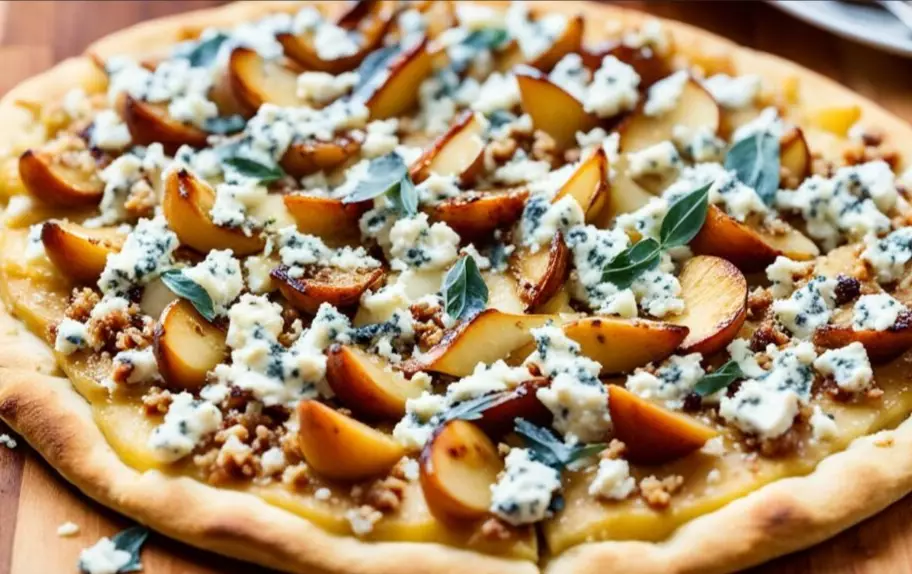
Your Blue Cheese Questions, Answered
What's the best blue cheese for a beginner who finds the flavor too strong?
Skip the intense Roquefort or Stilton and go for a milder, creamier variety. Danish Blue (Danablu) is a fantastic starting point—it's tangy but less aggressive. Gorgonzola Dolce is another winner; it's soft, spreadable, and has a gentle, milky sweetness that melts beautifully into sauces. Look for these in the specialty cheese section. Starting mild builds your confidence before you tackle the powerhouses.
Why did my blue cheese sauce turn grainy or separate when I heated it?
You likely applied too much direct, high heat. Blue cheese is delicate. The key is gentle, indirect heat. For a pasta sauce, melt your butter or warm your cream first, then remove the pan from the burner. Crumble in the blue cheese and let it melt slowly in the residual heat, stirring until just smooth. If you need to reheat, do it over the lowest possible setting or in short bursts in the microwave. Never let it boil.
Can I substitute blue cheese crumbles for a wedge in recipes?
It depends on the recipe, but often, no. Pre-crumbled blue cheese is coated in powder (usually cellulose) to prevent clumping. This coating prevents it from melting smoothly into a sauce or dressing, leaving you with a weird, gritty texture. For cooked dishes like pasta or sauces, always buy a wedge and crumble it yourself. Save the pre-crumbled stuff for cold applications where it won't be melted, like topping a salad at the last minute.
How long does an opened wedge of blue cheese last in the fridge?
Properly stored, it can last 3-4 weeks. Wrap the cut face tightly in parchment paper, then place it in an airtight container or resealable bag. The parchment allows the cheese to breathe a little, preventing excessive moisture that leads to spoilage. If you see new, fuzzy mold that isn't blue-green (think white, pink, or black), cut it off generously. The blue veins themselves are safe and part of the cheese's character.
The real secret to blue cheese recipes isn't a complicated technique. It's about respecting its strength and using it as a flavor amplifier, not the whole show. Start with a mild cheese, use gentle heat, and pair it with ingredients that play nice. That block in your fridge isn't intimidating—it's just waiting to make your Tuesday night pasta taste like a Friday night celebration.
For more on the science and history behind blue cheese, resources like the U.S. Dairy Export Council have fascinating deep dives into how those iconic veins are created.