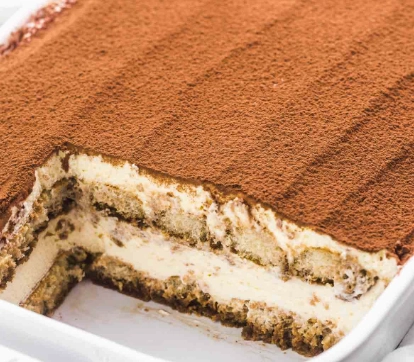
Let's cut through the noise. A famous tiramisu recipe isn't about fancy twists or exotic ingredients. It's about nailing a few simple, perfect elements. When you get it right, it's magic—creamy, coffee-soaked, and impossibly light. When you get it wrong, it's a sad, soggy mess. I've made both. After years of testing (and a few failures), I've locked down the method that delivers that authentic Italian cafe taste every single time. This isn't just a list of steps; it's the why behind each one.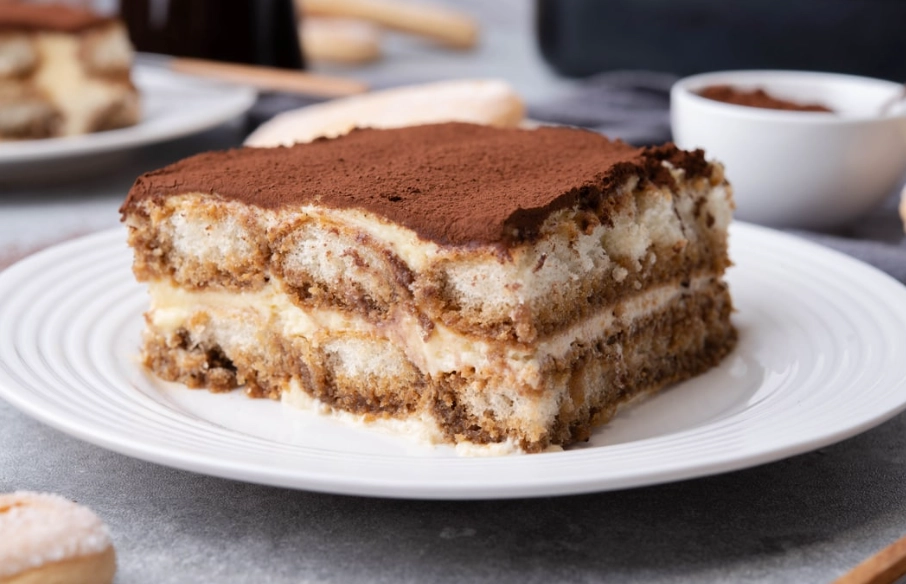
What's Inside This Tiramisu Guide?
What Ingredients Make the Best Tiramisu?
You can't build a great dish with mediocre parts. For tiramisu, each component has a specific job. Swap one out carelessly, and the whole structure wobbles.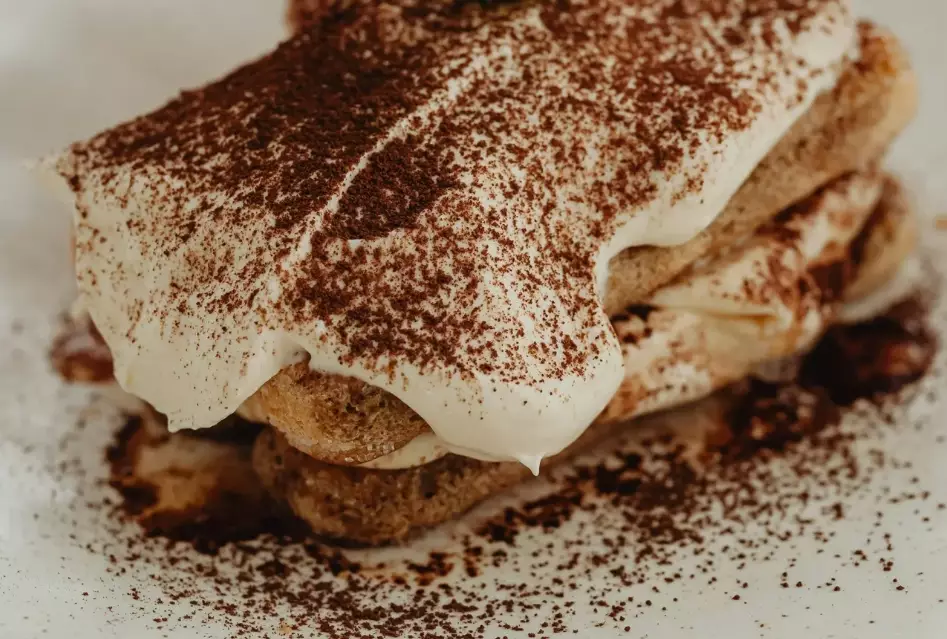
| Ingredient | What to Look For & Why It Matters |
|---|---|
| Mascarpone Cheese | This is the star. Don't use cream cheese. Real mascarpone (like Galbani or Polenghi) is sweet, buttery, and has a higher fat content (over 40%). It gives the cream its lush, velvety texture without being greasy. Take it out of the fridge 30 minutes before using. |
| Ladyfingers (Savoiardi) | You need the hard, dry kind, not the soft sponge cake version. They're designed to absorb liquid without disintegrating. Look for Italian brands like Balocco or Pavesi. |
| Eggs | Fresh, large eggs are key. We use raw eggs in the classic recipe. The yolks enrich the cream, and the whipped whites give it lift. If you're concerned about raw eggs, see the FAQ for safe alternatives. |
| Coffee | Brew a strong espresso or very dark coffee. Instant espresso powder dissolved in hot water works in a pinch, but fresh-brewed has a deeper flavor. Let it cool completely. This is crucial. |
| Marsala Wine | Traditional, but optional. It adds a complex, caramel-like note. A dry Marsala is best. If you don't have it, dark rum, brandy, or even a coffee liqueur like Kahlúa are good substitutes, or you can skip it entirely. |
| Sugar & Cocoa Powder | Fine, white sugar dissolves easily. Use unsweetened, high-quality cocoa powder (like Dutch-processed) for dusting. It's the final, bitter contrast to the sweet cream. |
How to Make Tiramisu Step-by-Step
This process is more about technique than time. Work methodically, and don't rush the components.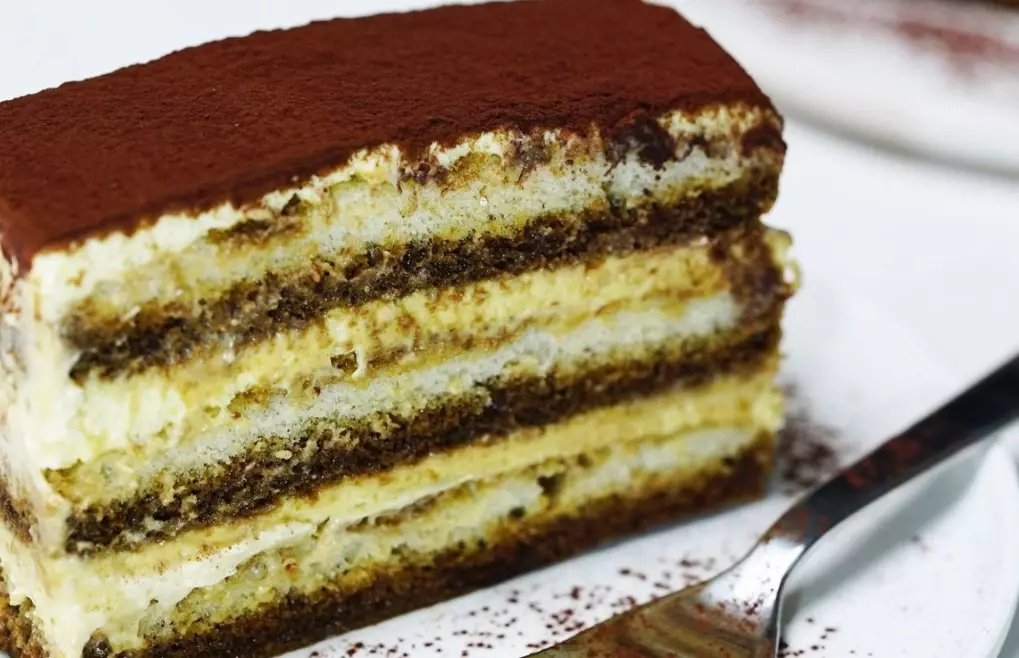
1. Prep Your Foundation
Brew your coffee, add the Marsala (if using), and pour it into a wide, shallow bowl. Let it sit until it's completely room temperature. Separate your eggs—make sure no yolk gets into the whites, or they won't whip properly. Have your mascarpone on the counter, softening.
2. Build the Zabaglione Cream
This is the heart of the cream. Whisk the egg yolks and sugar in a heatproof bowl set over a pot of gently simmering water (a bain-marie). Whisk constantly for 5-8 minutes until it's pale, thick, and warm to the touch. This step cooks the yolks slightly and dissolves the sugar fully, preventing a grainy texture. Let it cool for 10 minutes.
3. Whip and Fold
In a large bowl, beat the softened mascarpone just until smooth. Gently fold in the cooled yolk mixture. In another spotlessly clean bowl, beat the egg whites with a pinch of salt until they form stiff peaks. Now, gently fold the whites into the mascarpone mixture in two additions. Be patient; you want to keep as much air as possible. The cream should be cloud-like.
4. Assemble with Confidence
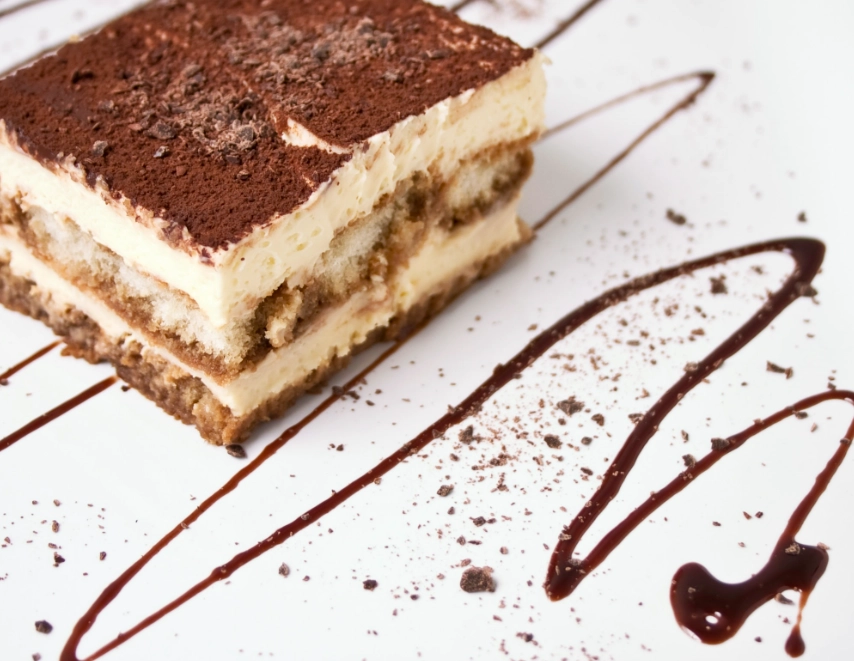
Get your dish ready (a 9x9 inch pan is perfect). One by one, quickly dunk each ladyfinger in the cool coffee mixture, then place it in a tight single layer in the dish. Spread half of the cream over the layer. Repeat with another layer of dunked ladyfingers and the remaining cream. Smooth the top.
5. The Final Touch
Cover tightly with plastic wrap and refrigerate for at least 6 hours, but overnight is ideal. This waiting period is non-negotiable—it lets the flavors marry and the texture set. Right before serving, dust the entire surface generously with cocoa powder using a fine-mesh sieve.
Pro Tips Most Recipes Don't Tell You
- Temperature is Everything: Cold mascarpone will lump when mixed. Cooled coffee prevents the cream from melting. Room temp eggs whip better. Control your temps.
- Want a More Stable Cream? Whip 1 cup of heavy cream to soft peaks and fold it in with the egg whites. It adds insurance against a runny tiramisu, especially on a warm day.
- The Cocoa Timing: Never dust with cocoa before chilling. The moisture will make it blotchy and damp. Always do it as the final act.
- For a Deeper Flavor: Add a teaspoon of vanilla extract or the seeds from a vanilla bean to the yolk mixture. It adds a subtle background note that complements the coffee beautifully.
Top 3 Tiramisu Mistakes & How to Fix Them
Your Tiramisu Questions, Answered
 Can I make tiramisu without raw eggs for safety or dietary reasons?
There you have it. The famous tiramisu recipe, demystified. It's not hard, but it demands respect for the process. Get your ingredients right, control your temperatures, and be gentle when folding. The result is a dessert that feels like a special occasion, even on a Tuesday. Now go make it.