Let's be honest. The first time you see a beef marrow bone on a plate, it can be a bit intimidating. It looks primal, maybe a little messy. But that creamy, rich, umami-packed treasure inside? It's culinary gold. Cooking bone marrow isn't some fancy chef secret reserved for high-end restaurants. It's one of the easiest, most rewarding things you can do at home, turning an inexpensive cut into a show-stopping appetizer or the base for incredibly nourishing meals. Forget the intimidation. This guide strips away the mystery and gives you the straight talk on how to handle, cook, and enjoy bone marrow in your own kitchen.
What's Inside This Guide?
What is Bone Marrow and Why Cook It?
Bone marrow is the soft, fatty tissue inside the center of bones, most commonly from cows (beef), but also from veal, lamb, and bison. Think of it as nature's butter. When cooked, it transforms into a luxurious, spreadable fat with a deep, savory flavor that's hard to match.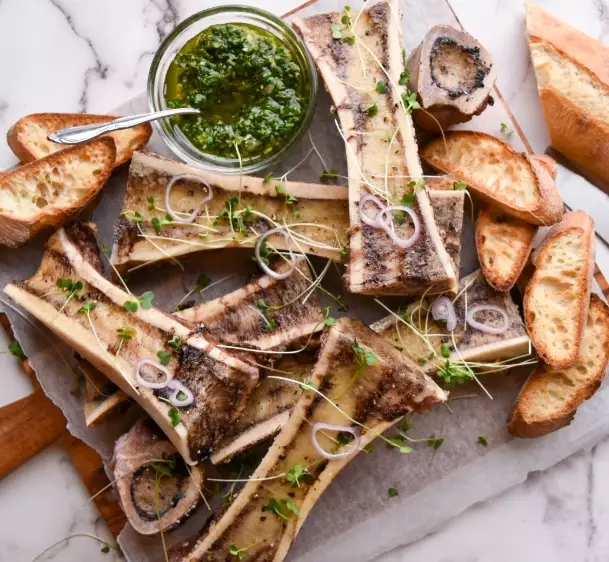
Why bother? First, flavor. It adds a depth and richness that can elevate simple dishes to something special. Second, nutrition. It's a source of collagen, healthy fats, and minerals. And third, value. Marrow bones are often very cheap, making this a budget-friendly way to eat luxuriously.
Here's the thing most recipes don't tell you: not all marrow bones are created equal. For roasting, you want center-cut or "canoe-cut" bones, which are sliced lengthwise to expose the marrow. They look like little boats. For making broth, you want a mix of knuckle bones, joints, and some marrow bones for a balance of collagen and flavor. Don't just ask for "soup bones." Be specific. A good butcher will know exactly what you need.
How to Roast Bone Marrow: A Step-by-Step Guide
Roasted bone marrow, spread on toast with a sprinkle of salt, is the classic. It's simple, but a few key steps make all the difference between good and transcendent.
What You'll Need & Prep
Get 2-3 center-cut beef marrow bones per person. Soak them in cold, heavily salted water for 12-24 hours in the fridge. This isn't optional if you want clean flavor—it draws out any residual blood. Pat them completely dry before cooking. Any surface water will steam the marrow instead of letting it roast properly.
Preheat your oven to a blazing 450°F (230°C). A high heat is non-negotiable. It renders the fat quickly and gives the top a slight crisp while keeping the center creamy.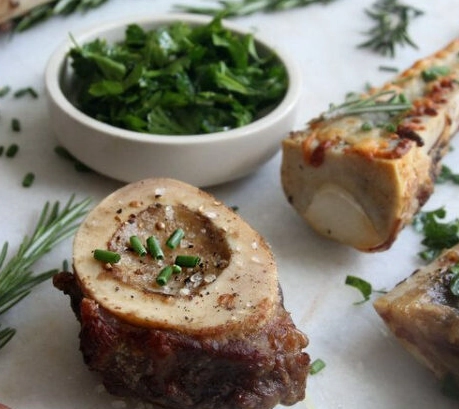
The Simple Roasting Process
Place the bones, marrow-side up, on a baking sheet or in a cast-iron skillet. Some people add salt now. I wait until after. Roast for 15-20 minutes. The marrow should be bubbly, slightly puffed, and starting to pull away from the edges. It should jiggle like a delicate custard, not be liquid or solid.
The Biggest Rookie Mistake: Overcooking. If you roast it until it's completely melted and has turned into a pool of oil in the bone, you've gone too far. You've lost that perfect, spreadable texture. Start checking at 15 minutes.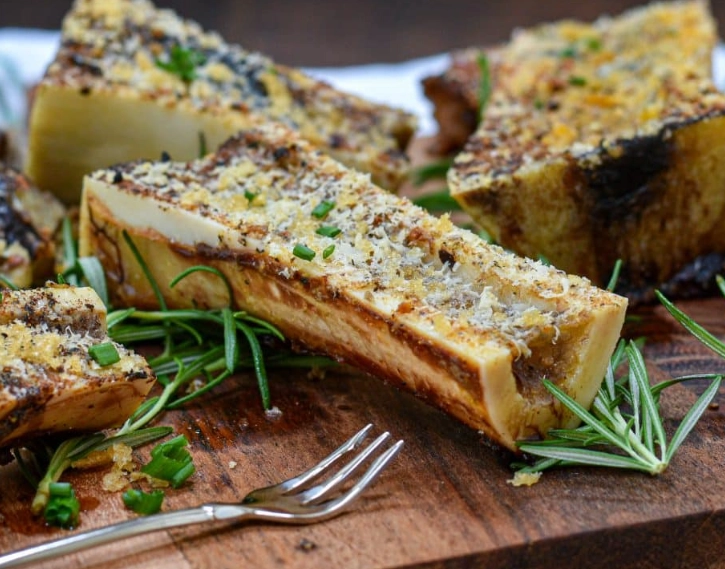
Serve immediately. Have ready: thick slices of toasted sourdough or crusty baguette, a coarse sea salt (like Maldon), and a sharp, fresh garnish to cut the richness. A parsley and shallot salad (persillade) is traditional. I also love a quick pickled red onion or a drizzle of tangy salsa verde.
How to Make Rich Bone Broth at Home
If roasting is for instant gratification, making bone broth is for long-term kitchen magic. This is where you extract every last bit of goodness. The result is a liquid that's not just a base for soups, but a nutritious drink and a secret weapon for cooking grains, sauces, and stews.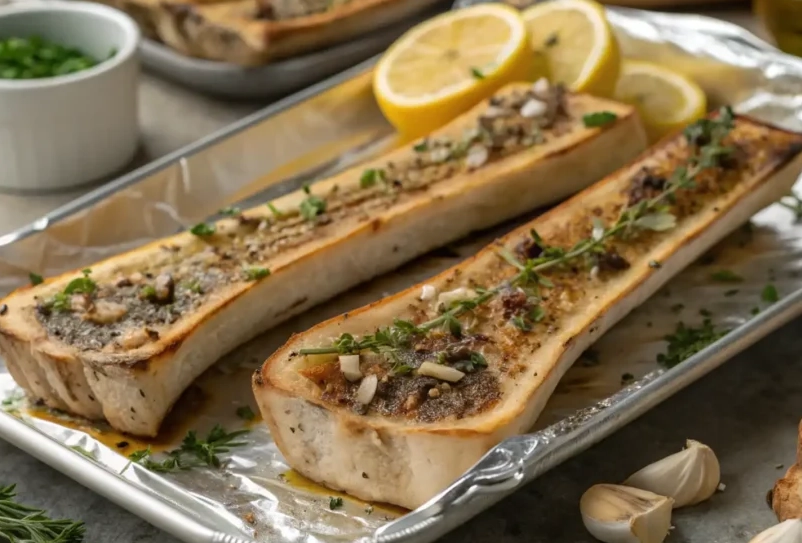
Start with 3-4 pounds of mixed bones. Roast them first on a sheet pan at 400°F for 45 minutes. This caramelization is the foundation of a deep, rich color and flavor. Transfer them to a large stockpot or slow cooker. Cover with cold water by about 2 inches. Add a splash of apple cider vinegar—this helps leach minerals from the bones.
Now, the critical part: the simmer. Bring it just to a boil, then immediately reduce to the barest whisper of a simmer. A few tiny bubbles should occasionally break the surface. A rolling boil will make your broth cloudy and can give it a slightly off flavor. Let it go for 12-24 hours. Yes, that long. The collagen needs time to fully break down into gelatin, which is what gives the broth body and that satisfying mouthfeel.
Pro-Tip for Crystal Clear Broth: After the long simmer, let the broth cool slightly, then strain it through a fine-mesh sieve lined with cheesecloth. For super clarity, you can even strain it a second time. Let it cool completely in the fridge. The fat will solidify on top—you can skim it off and save it for cooking (it's fantastic for roasting potatoes). The cooled broth should be jiggly, like savory Jell-O.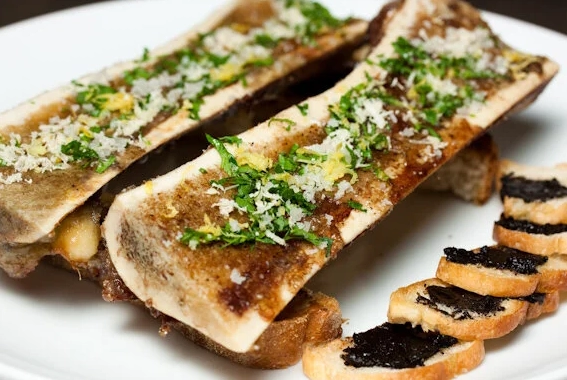
Beyond Roasting: Other Bone Marrow Recipe Ideas
Once you're comfortable with the basics, the world opens up. Bone marrow is an incredible flavor enhancer.
Bone Marrow Butter: Scoop the roasted marrow out of the bones and mix it with softened butter, minced herbs (rosemary, thyme), garlic, and a pinch of salt. Roll it into a log in parchment paper and chill. Slice a coin onto a seared steak, a piece of fish, or steamed vegetables. It melts into an instant sauce.
Marrow-Rich Gravy or Sauce: Use your bone broth as the base for a gravy. Or, for a quick pan sauce, deglaze your steak pan with red wine, add a scoop of bone marrow butter, and let it emulsify into something glorious.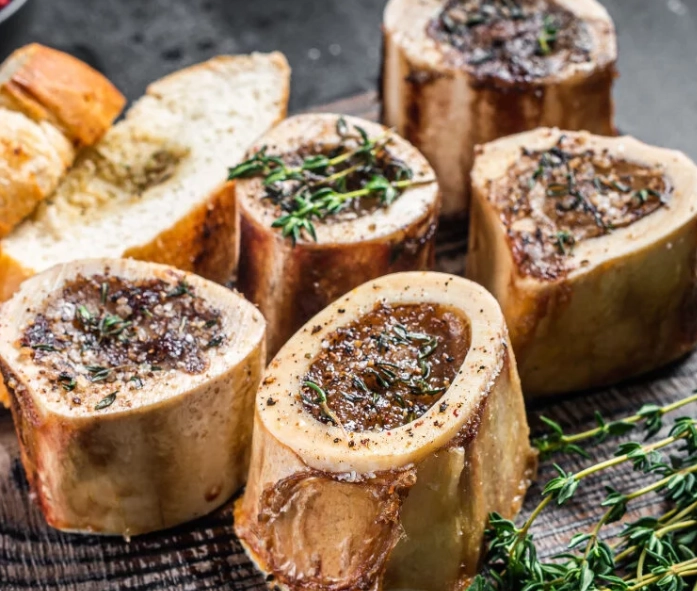
Straight into Stews and Braises: When making a beef stew or short rib braise, add 1-2 raw marrow bones to the pot. As it cooks, the marrow will dissolve into the liquid, thickening it and adding an incredible layer of unctuousness that you can't get any other way.