If you've ever tasted beef rendang at a proper Indonesian restaurant, you know it's a dish that sticks with you—tender meat, a complex spice paste, and that deep, almost caramelized sauce. But most home cooks shy away, thinking it's too hard or time-consuming. Let me tell you, it's worth every minute. I've been making rendang for over a decade, and after countless trials (and a few disasters), I've nailed down a method that works. This guide will walk you through it, no fluff, just the real deal.
What You'll Find in This Guide
What Makes Rendang So Special?
Rendang isn't just a stew; it's a cultural icon from Indonesia, specifically West Sumatra. UNESCO even recognizes it as an intangible cultural heritage. The magic lies in the slow-cooking process—beef simmers for hours in coconut milk and spices until the liquid reduces to a thick, dark coating. It's not soupy; it's dry-ish, packed with flavor. Most recipes online skip key details, like toasting spices or controlling heat. I learned this the hard way when my first attempt turned out bitter because I rushed the browning.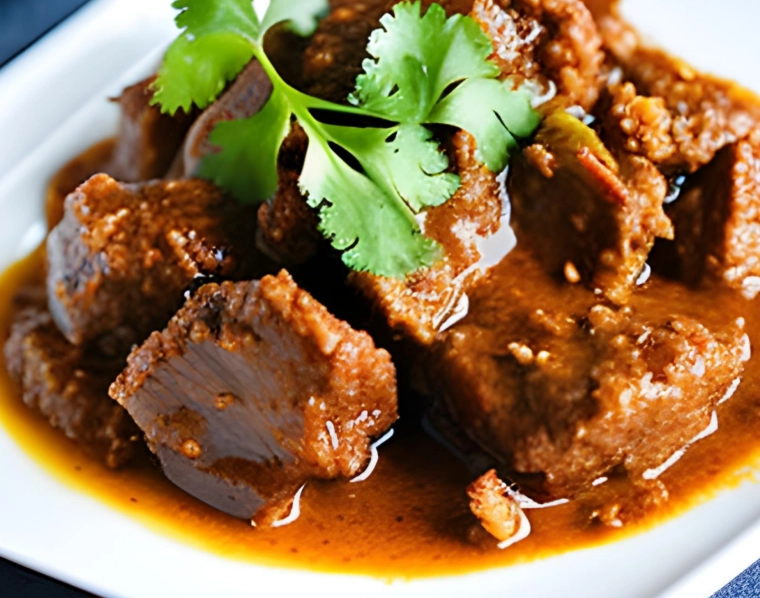
Think of it as a project, not a quick meal. But once you get it right, you'll have a dish that impresses everyone. The secret? Patience. And good ingredients.
Essential Ingredients for Authentic Rendang
You can't cut corners here. I've seen recipes substitute galangal with ginger—it changes the flavor profile completely. Stick to the basics for that authentic taste.
| Ingredient | Quantity | Notes |
|---|---|---|
| Beef (chuck or brisket) | 2 lbs (1 kg) | Cut into 2-inch cubes; fatty cuts work best. |
| Coconut milk | 4 cups (1 liter) | Use full-fat, not light; check for no additives. |
| Shallots | 10 medium | Peeled; red onions can sub in a pinch. |
| Garlic | 8 cloves | Fresh is key—no jarred paste. |
| Galangal | 2-inch piece | Find it at Asian markets; ginger isn't the same. |
| Lemongrass | 3 stalks | Bruised and tied into knots. |
| Dried red chilies | 10-15 | Soak in hot water to soften; adjust for heat. |
| Turmeric | 1-inch fresh root | Or 1 tsp powder, but fresh adds brightness. |
| Kaffir lime leaves | 5 leaves | Fresh or frozen; dried lose aroma. |
| Palm sugar | 2 tbsp | Grated; brown sugar works but alters taste slightly. |
That's the core list. Some recipes add tamarind or candlenuts, but this version keeps it classic. I sourced my spices from a local Indonesian grocery—the difference in freshness is noticeable. If you're in a pinch, online stores like The Spice House offer good quality.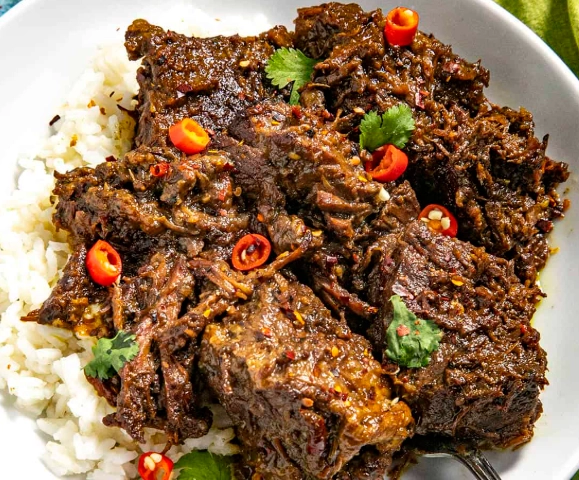
Why Fresh Spices Matter
Pre-ground spices lose oils quickly, making your rendang taste flat. Take the time to grind them fresh. I use a mortar and pestle for small batches; it's therapeutic, but a food processor works fine. Just pulse until smooth, not watery.
The Step-by-Step Rendang Cooking Process
This isn't a set-it-and-forget-it recipe. You'll need to babysit the pot, especially towards the end. But I'll break it down so it's manageable.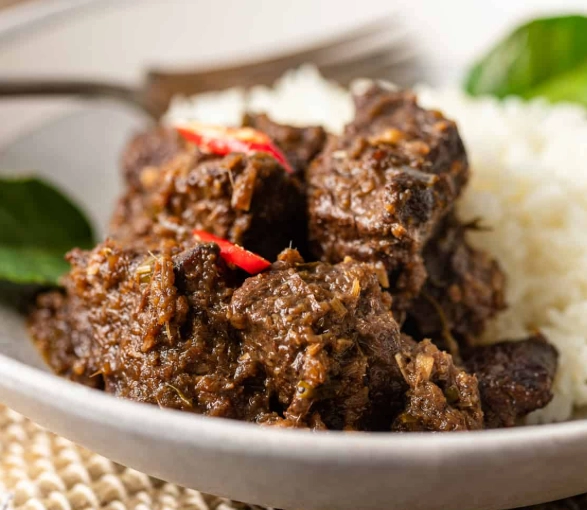
Preparing the Spice Paste (Bumbu)
Start by soaking the dried chilies in hot water for 20 minutes. Drain them. In a blender, combine shallots, garlic, galangal, turmeric, and the chilies. Blend into a coarse paste. Don't add water—the moisture from the veggies is enough. If it's too thick, a splash of coconut milk helps.
Heat a dry pan over medium heat. Toast the paste for 5-7 minutes, stirring constantly. This step is crucial; it deepens the flavor and removes raw edges. I skipped this once, and the rendang tasted oddly sharp. You'll smell the aroma change—it turns fragrant, not pungent.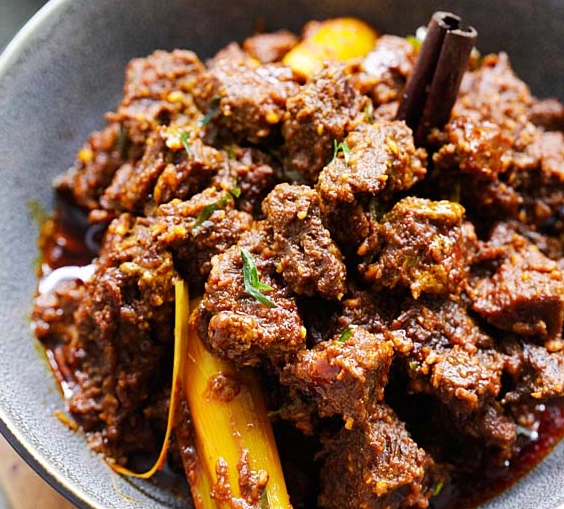
Browning the Beef: A Crucial Step
In a large pot, heat 2 tablespoons of oil. Add the beef cubes in batches—don't crowd them. Brown on all sides until they get a nice sear. This builds fond (those browned bits at the bottom) that adds richness later. Remove the beef and set aside.
In the same pot, add the toasted spice paste. Fry it for another 2-3 minutes until it darkens slightly. Then, return the beef to the pot.
The Slow Simmer: Where Magic Happens
Pour in the coconut milk. Add lemongrass knots, kaffir lime leaves, and palm sugar. Stir well. Bring to a gentle simmer—not a boil. Boiling can cause the coconut milk to split.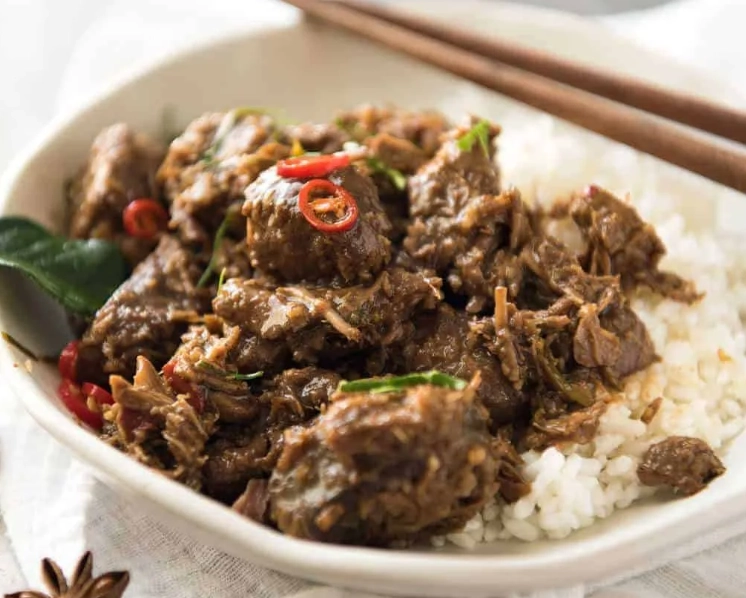
Reduce heat to low. Partially cover the pot. Let it simmer for 3 to 4 hours. Yes, hours. Stir every 30 minutes to prevent sticking. After 2 hours, the sauce will thicken. By hour 3, it'll darken and coat the beef. The meat should be fork-tender.
Pro tip: If you're short on time, a slow cooker on low for 6-8 hours works, but the texture differs—it's softer, less caramelized. I prefer the stovetop for control.
In the last 30 minutes, remove the lid to let excess moisture evaporate. The rendang is done when the oil separates and the sauce is thick, almost like a glaze. It shouldn't be saucy; think of it clinging to the meat.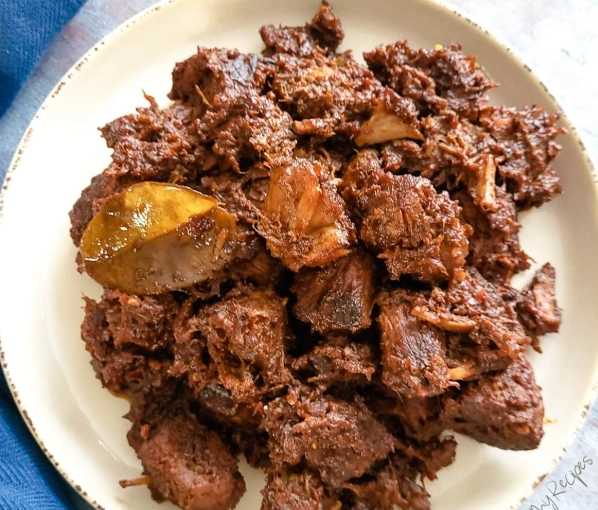
Common Mistakes and How to Avoid Them
I've messed up enough to know what not to do. Here are pitfalls most beginners face.
Cutting the beef too small: It shrinks during cooking. 2-inch cubes hold up better. I once cut 1-inch pieces, and they turned mushy.
Rushing the simmer: High heat burns the spices and toughens the beef. Low and slow is non-negotiable. If the sauce reduces too fast, add a bit of water or coconut milk.
Using low-fat coconut milk: It lacks creaminess and can curdle. Full-fat gives that rich mouthfeel. Check the label—no emulsifiers.
Skipping the toasting: As I mentioned, raw spice paste tastes harsh. Toast it until fragrant.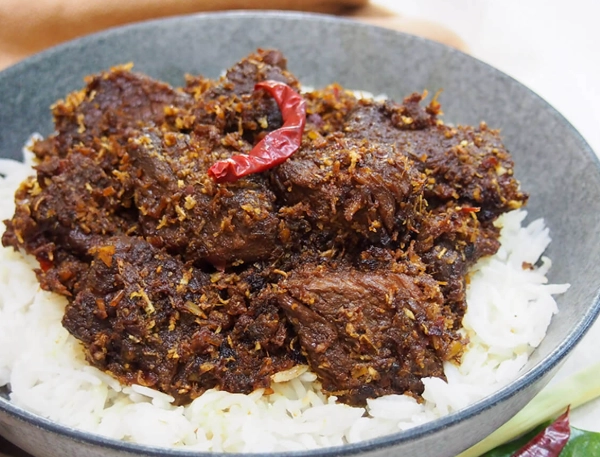
Watch out for salt: Many recipes add soy sauce or salt early, but I wait until the end. The reduction concentrates flavors, so oversalting is easy. Taste before serving.
Another thing—don't stir too vigorously. Gentle folds preserve the meat texture. I learned this from a home cook in Bali; she said aggressive stirring breaks down the fibers too much.
FAQ: Your Rendang Questions Answered
Making rendang is a journey. It tests your patience, but the result—a pot of fragrant, tender beef—is rewarding. Don't be afraid to adapt it to your taste. Start with this recipe, tweak as you go, and soon you'll have your own version to share. Happy cooking!