I still remember my first real bouillabaisse in Marseille, down by the Vieux-Port. The waiter brought this massive copper pot to the table, the steam carrying a scent that was pure magic—saffron, fennel, and the sea. It felt like a ceremony. For years, I thought recreating that at home was a fantasy reserved for French grandmothers with secret connections to the fish market. Then I spent a summer in Provence, pestering local cooks, and realized something crucial: the soul of bouillabaisse isn't a locked-away secret; it's a method. A method you can adapt. This guide is about cracking that method open, giving you a bouillabaisse recipe that's authentic in spirit but practical for your kitchen, wherever you are.
What's Inside This Guide
The Soul of Bouillabaisse: It's All About the Fish
Let's get this straight from the start. If you use only salmon and shrimp, you're making a nice fish stew, but it won't be bouillabaisse. The magic—and the name's protection in Marseille—comes from using a variety of rockfish (poissons de roche). These bony, ugly, flavorful fish create a gelatinous, intensely savory broth that's the foundation. The good news? You don't need flown-in Mediterranean species.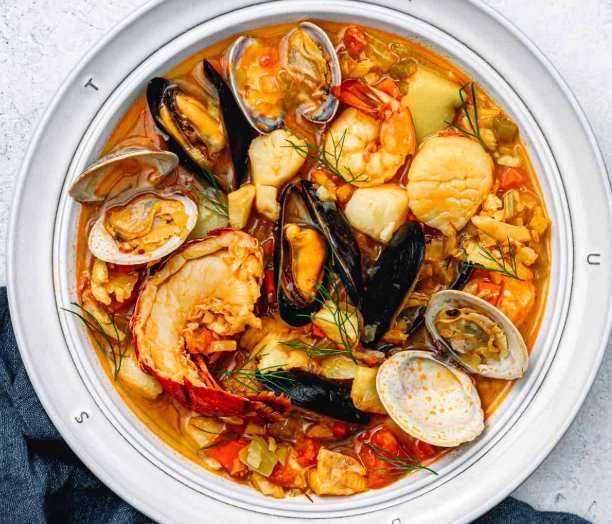
The goal is variety in texture and flavor. You need some firm-fleshed fish to hold up, some flaky fish to melt into the broth, and a couple of shellfish for sweetness. Think of it as building a team.
A note on authenticity vs. accessibility: The official Marseille bouillabaisse charter lists specific fish like rascasse (scorpionfish), galinette (tub gurnard), and congre (conger eel). Chasing these outside the Mediterranean is where most home cooks give up. Don't. Focus on the role each fish plays, not the exact species. A good fishmonger is your best ally here.
| Fish Role (The "Team Position") | Traditional Mediterranean Examples | Practical & Accessible Substitutes (US/UK) | Why It Works |
|---|---|---|---|
| The Broth Builders (Flaky, Gelatinous) | Rascasse (Scorpionfish), Grondin (Gurnard) | Monkfish (tail), Red Snapper, Ocean Perch, Rockfish mix | These break down a bit, thickening the broth with their collagen and giving it deep flavor. |
| The Firm Pillars (Hold their shape) | Saint-Pierre (John Dory), Baudroie (Monkfish) | Halibut, Sea Bass, Cod (large chunks), Haddock | They provide substantial, beautiful pieces that won't disintegrate, offering a meaty bite. |
| The Sweetness & Brine | Vivaneau (Red Porgy), Congre (Conger Eel) | Large Prawns/Shrimp (head-on!), Mussels, Scallops | Shellfish add a layer of sweetness and that unmistakable ocean aroma. Head-on prawns are gold for broth flavor. |
Aim for at least four different types of fish/seafood, totaling about 2 pounds (1 kg) for 4-6 people. Ask your fishmonger for trimmings, heads, and bones to make your fumet (fish stock)—it makes a world of difference.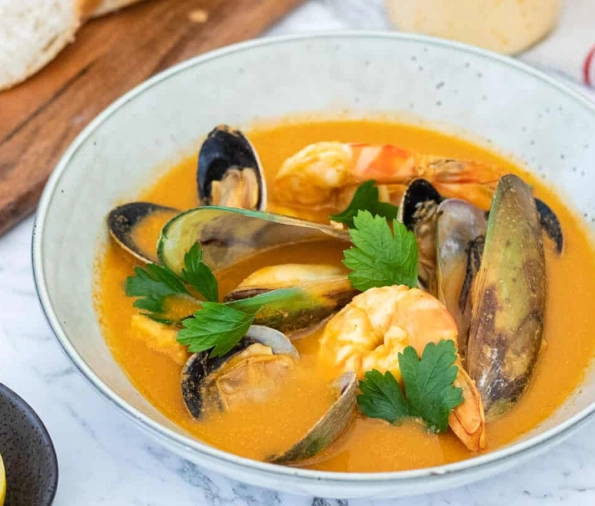
Your Step-by-Step Bouillabaisse Recipe
This isn't a 30-minute meal. It's a weekend project, a reason to open a bottle of rosé while you cook. The process is in two main acts: the broth and the finish.
Act 1: The Foundation – The Aromatic Broth
Ingredients:
- 2 tbsp olive oil
- 1 large fennel bulb, thinly sliced (fronds reserved)
- 1 large onion, chopped
- 4 cloves garlic, crushed
- 1 strip orange zest (peeled with a vegetable peeler)
- 1 (14.5 oz) can whole peeled tomatoes, crushed by hand
- 1/4 cup pastis (Pernod or Ricard) – non-negotiable for that anise kick
- 4 cups strong fish stock (homemade from scraps or a good quality store-bought)
- 1 large pinch of saffron threads (about 1/2 tsp)
- 1 bay leaf, 2 sprigs thyme
- Salt and black pepper
Method:
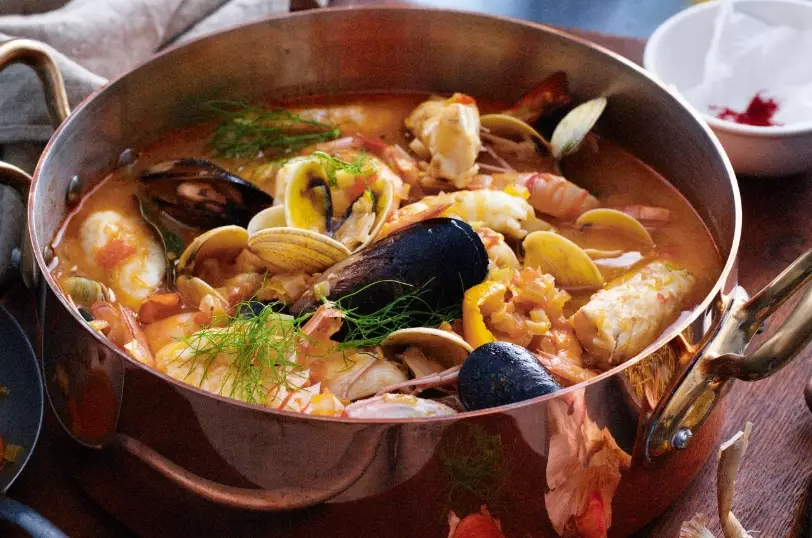
Heat the oil in a large, heavy pot (like a Dutch oven) over medium heat. Cook the fennel and onion until soft and golden, about 10 minutes. Don't rush this—the sweetness is key. Add the garlic and orange zest, cook for another minute until fragrant.
Pour in the pastis. It will sizzle. Let it reduce for a minute. Add the crushed tomatoes, fish stock, saffron, bay leaf, and thyme. Bring to a boil, then reduce to a simmer. Let it bubble gently, uncovered, for 30-40 minutes. The flavors need to marry. Taste and season well with salt and pepper. This base can be made a day ahead, which actually improves it.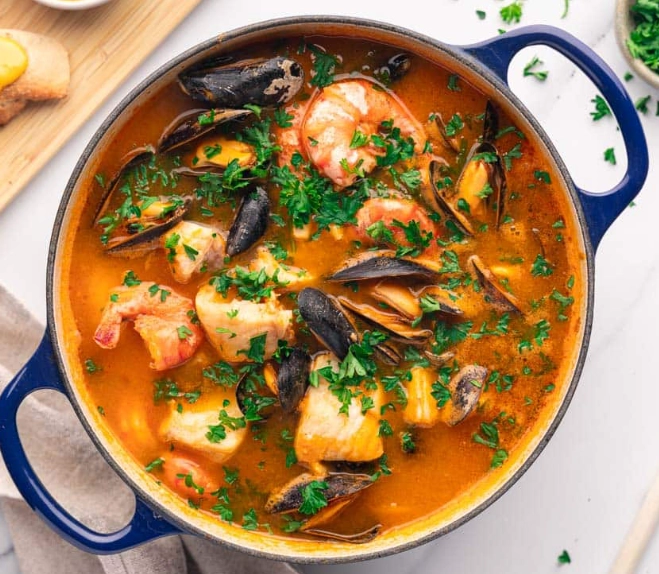
Act 2: The Grand Finale – Cooking the Fish & The Rouille
For the Rouille (The Essential Garlic Sauce):
- 2 slices of stale white bread, crusts removed
- 3-4 garlic cloves, peeled
- 1 red bell pepper, roasted, peeled, and seeded (or 2 tbsp from a jar)
- 1 small red chili pepper (or 1/2 tsp cayenne pepper)
- 1 large egg yolk
- 3/4 cup olive oil
- Salt
Soak the bread in a little water, then squeeze dry. In a food processor or mortar, pound the garlic, chili, and red pepper into a paste. Add the bread and egg yolk, blend. With the motor running (or while vigorously pounding), drizzle in the olive oil very slowly until you have a thick, mayonnaise-like sauce. Season with salt. This is your flavor bomb.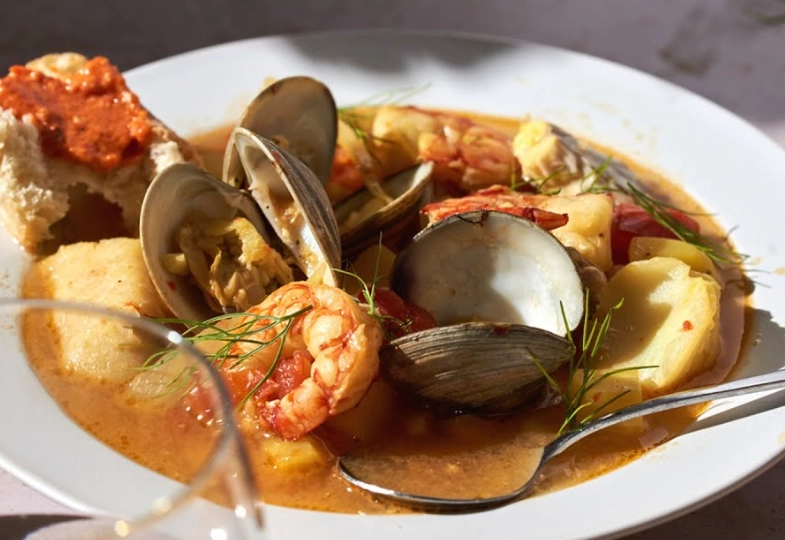
Finishing the Stew:
Bring your aromatic broth back to a lively simmer. Add the firmest fish first (like monkfish, halibut). Cook for 3-4 minutes. Then add the medium-firm fish (snapper, bass). After another 3 minutes, add the most delicate fish and shellfish (shrimp, mussels). The total cooking time for the fish should be about 8-10 minutes—just until everything is cooked through. Overcooking is the enemy of tenderness.
To Serve: Ladle the broth and fish into deep, warm bowls. Traditionally, broth and fish are served separately, but at home, combining them is just fine. Spread the rouille on thick slices of toasted baguette (called marrons), float them on the soup, or serve on the side. Sprinkle with the reserved fennel fronds.
The 3 Most Common Bouillabaisse Mistakes (And How to Dodge Them)
I've made these all, so you don't have to.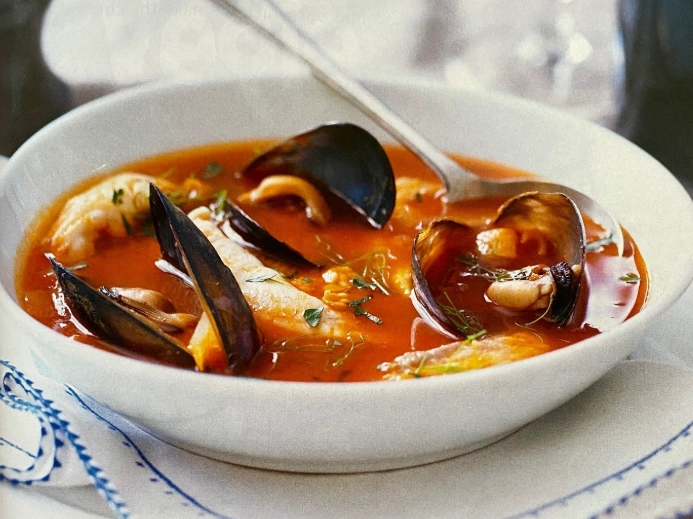
1. Using a weak, bland broth. This is the backbone. If you start with water and a stock cube, you're finished before you begin. You need a deeply flavored fish stock. Save shrimp shells, fish bones, and heads in your freezer. When you have a bagful, simmer them with onion, celery, and a splash of white wine for 30 minutes. Strain. This homemade fumet is the single biggest upgrade to your stew.
2. Adding all the fish at once. Tossing everything in together guarantees mush. The firmer fish need a head start. Think of it as staggered parking. Monkfish gets a spot first, delicate scallops pull in just before everyone leaves.
3. Skipping the pastis and the rouille. The pastis isn't just alcohol; it's that haunting anise note that defines the aroma. The rouille isn't just a sauce; it's the spicy, garlicky, oily component that, when stirred into the broth, creates the final, unctuous layer of flavor. Without them, the dish feels incomplete.
Pro Tips for the Best Bouillabaisse
- Saffron Quality: Don't buy powdered saffron. Get threads. Toast them lightly in a dry pan for 10 seconds before crumbling into the broth to unlock their full aroma.
- The "Boil" in Bouillabaisse: The name comes from bouillir (to boil) and abaisser (to reduce). Once the fish goes in, keep the broth at a steady, bubbling simmer, not a rolling boil. You want to cook, not tear apart.
- Wine Pairing: You're in Provence. Drink a Provençal rosé or a crisp white like Cassis, Picpoul de Pinet, or a Sancerre. They cut through the richness perfectly.
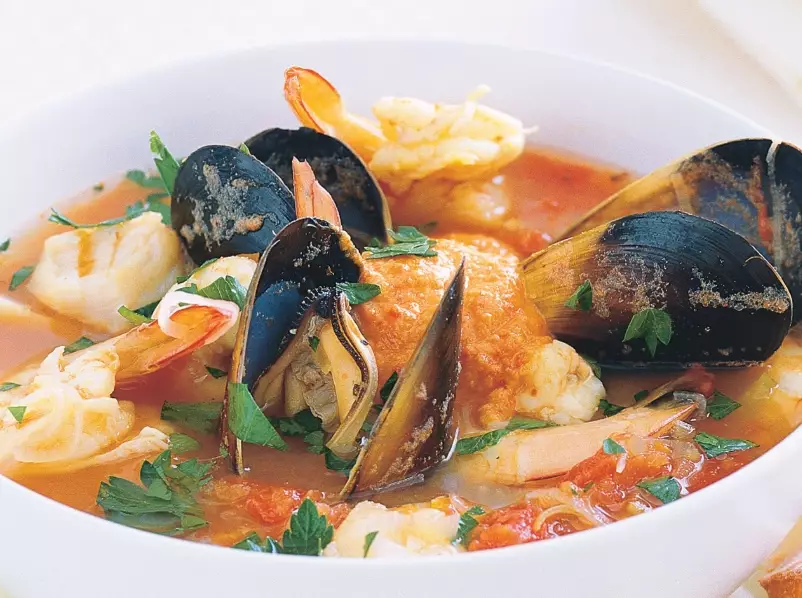
Here's a personal trick: I always make extra broth. The next day, I strain it, reduce it a bit more, and use it as the most incredible base for a seafood risotto. It feels like getting a second meal from all that effort.
Your Bouillabaisse Questions, Answered
I can't find head-on prawns or specific fish bones for stock. What's a solid backup plan?
For the stock, a high-quality store-bought fish stock or clam juice (diluted 50/50 with water) is your best bet. For the seafood, lean on what's fresh and local. The fish table above is your cheat sheet. A combo of cod, mussels, and large shrimp will still give you a fantastic, layered stew. The key is variety, not exoticism.
My rouille broke and turned oily. How do I fix it, and why did it happen?
It broke because the oil was added too fast, causing the emulsion to split. To fix it, start fresh with a new egg yolk in a clean bowl. Whisk it, then very slowly drizzle in the broken rouille as if it were new oil. It should come back together. To prevent it, ensure all ingredients are at room temperature and add the oil in a thin, steady stream—patience is the main ingredient here.
Can I make bouillabaisse for a dinner party ahead of time?
Absolutely, and you should. Make the aromatic broth (Act 1) up to two days ahead. Store it in the fridge—the flavors will deepen. Prep your fish and seafood, keep them chilled on separate plates. Make the rouille a few hours ahead. When your guests arrive, bring the broth to a simmer and cook the fish fresh. This way, you get all the flavor without the last-minute stress.
Is it okay to use frozen fish for bouillabaisse?
For the firm-fleshed fish (like halibut or cod), high-quality frozen can work in a pinch if thawed properly in the fridge. I'd avoid frozen flaky fish as they can become watery. Never use frozen mussels or shrimp in the shell for this—the texture suffers badly. Fresh shellfish is non-negotiable for that sweet, briny pop.