Let's be honest. For most of us, prunes live in a dusty corner of the pantry, a health food we buy with good intentions but rarely know what to do with. We think of them as a single-use ingredient, something for... well, you know. But that's a massive underestimation. As someone who's been cooking with them for over a decade, I can tell you that prunes are a secret weapon for flavor, moisture, and nutrition. They're not just a remedy; they're a versatile, natural sweetener and a flavor bomb waiting to transform both sweet and savory prune recipes.
The real trick isn't finding prune recipes—it's understanding how to use them. Most recipes online treat prunes as a minor add-in. I see them chopped and tossed into oatmeal, and that's about it. That's the beginner's mistake. To get the best results, you need to think of them as a primary flavor component and a textural tool. When you do, everything from your morning muffin to your Sunday night stew gets an upgrade.
In This Article
Why Prunes Are a Kitchen Powerhouse
Forget the old-fashioned image. Modern prune recipes leverage three key strengths:
Natural Sweetness with Benefits: Prunes are about 38% sugar, but it's natural fruit sugar bundled with a hefty dose of fiber (about 7g per 100g). This means they sweeten baked goods, sauces, and dressings while adding a complex, caramel-like depth that white sugar can't touch. You're not just adding sweetness; you're adding flavor notes of honey, raisins, and a subtle earthiness.
The Ultimate Moisture Agent: This is their superpower in baking. Pureed prunes bind fat and liquid, creating an incredibly moist, tender crumb that stays that way for days. I've used prune puree to rescue more than one dry cake recipe. It works better than applesauce in many cases because it has a more neutral, rich flavor.
Savory Secret Ingredient: This is where most home cooks miss out. In savory dishes, prunes act like a date or a fig, but with more tang. They dissolve into stews and braises, thickening the sauce naturally and balancing acidity with their sweetness. Think of them as your built-in flavor balancer.
How to Choose and Prepare Prunes (The Right Way)
Not all prunes are created equal. Grabbing the first bag you see can lead to a subpar result. Here’s what I’ve learned:
Buying: Look for prunes that are plump and shiny, with a slight softness. Avoid bags with a dusty, dry appearance. I prefer ones with the pits still in—they seem to retain moisture better. Brands like Sunsweet or store-brand organic are reliable. You don't need the most expensive, but don't buy the rock-hard bargain bin stuff either.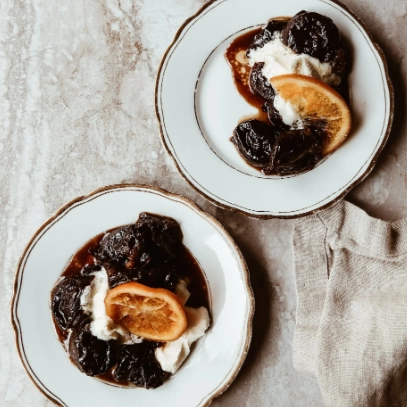
Pitting: If you have pitted prunes, you're good to go. If they have pits, slice them open with a paring knife and pop the pit out. It's a five-minute task.
The Crucial Prep Step Everyone Skips: Soaking. For most cooked applications—especially savory dishes, compotes, or purees—soak your prunes in hot liquid for 15-30 minutes before using them. This rehydrates them fully, ensuring they blend smoothly into the dish without leaving chewy bits. Use hot water, tea, broth, wine, or even fruit juice depending on the recipe. This simple step elevates your dish from good to restaurant-quality.
Sweet Prune Recipes (That Go Way Beyond Snacking)
Let's move past the obvious. Here are healthy prune recipes that make them the star.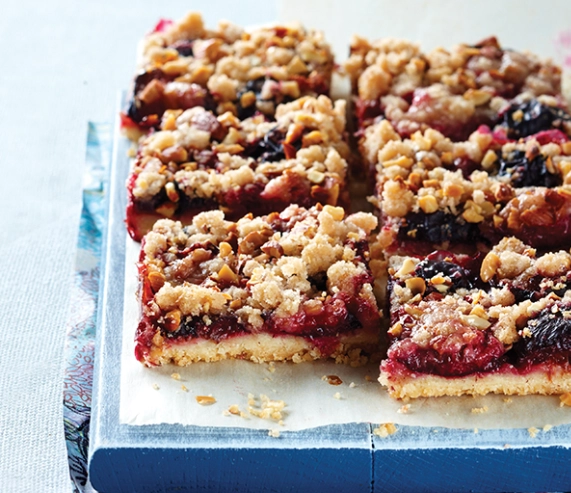
1. The Classic, Upgraded: Chocolate Prune Energy Balls
Every blog has an energy ball recipe. The common error? They turn out too dry or too sweet. The fix is in the ratio. My version uses: 1 cup pitted prunes, 1 cup walnuts, 3 tbsp cocoa powder, 1 tbsp chia seeds, 1 tsp vanilla, a pinch of salt. Blend in a food processor until it starts to clump. If it's too dry, add a teaspoon of water or coffee. Roll into balls. The prunes provide all the binding sweetness you need—no dates, no added sugar. They're fudgy, not crumbly.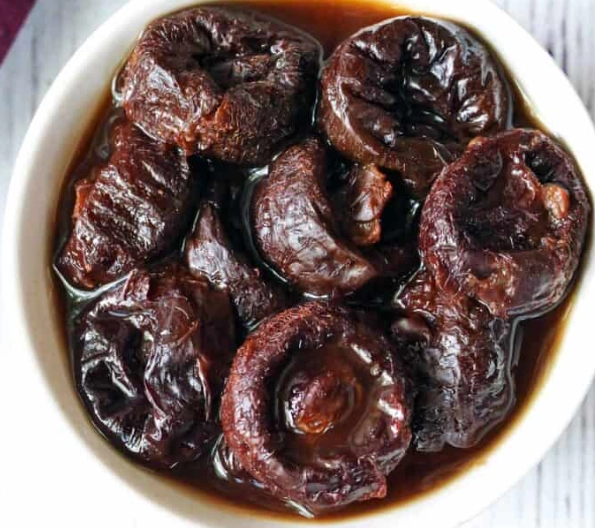
2. The Moisture Miracle: Prune & Chocolate Loaf Cake
This is the ultimate test of prune's baking power. Puree 1 cup of soaked prunes with 1/4 cup of the soaking water (use coffee for depth) until smooth. Cream this puree with 1/2 cup soft butter and 3/4 cup brown sugar. Mix in 2 eggs, then fold in 1 1/2 cups flour, 1/2 cup cocoa, baking powder, soda, salt. Bake at 350°F (175°C) for 50-60 minutes. This cake stays moist for a solid 4 days. The prune flavor disappears, leaving behind intense chocolate richness.
3. The Quick Fix: Prune & Orange Breakfast Muffins
Chop 1/2 cup of prunes finely. Mix with 2 cups flour, oats, baking powder, zest of one orange. In another bowl, whisk 1 cup yogurt, 1/3 cup oil, 1/4 cup honey, 1 egg, and the orange juice. Combine wet and dry, fold in prunes. Bake. The chopped prunes create little pockets of jammy sweetness. It beats a dry blueberry muffin any day.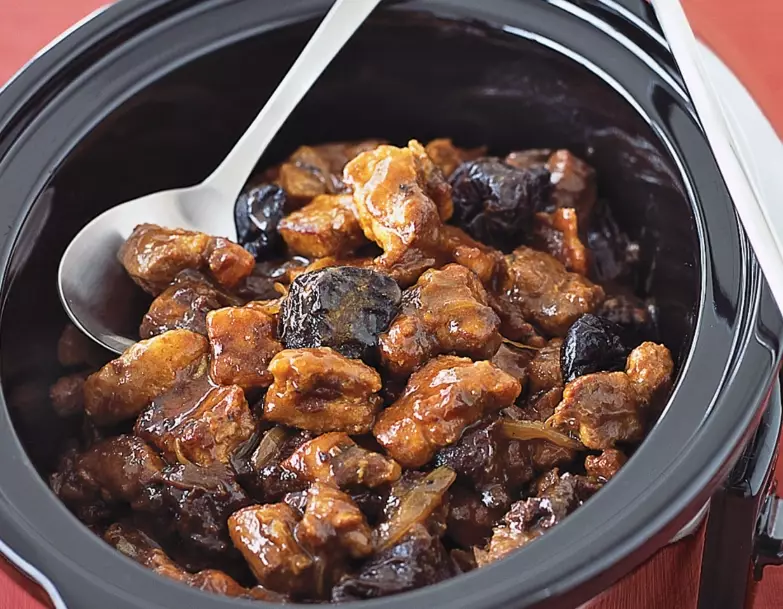
4. The Secret Sauce: Spiced Prune Compote (It's Not Just for Yogurt)
Simmer 2 cups pitted prunes, 1 cup water, 1/2 cup orange juice, a cinnamon stick, and a few cloves until the prunes are soft and the liquid is syrupy. Blend until smooth. Use it as a pancake topping, swirl it into oatmeal, or thin it with vinegar and oil for a stunning salad dressing. It keeps for weeks in the fridge.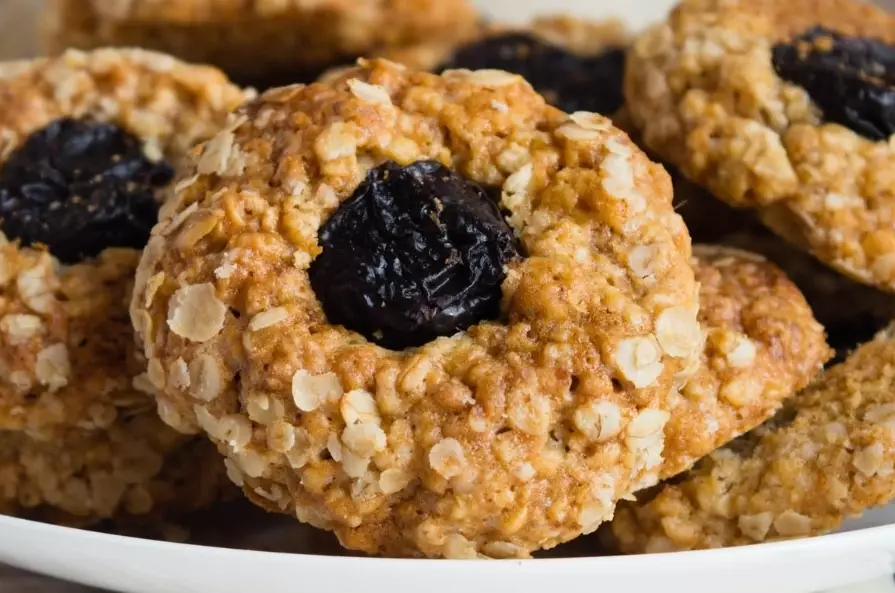
Savory Prune Recipes: The Real Game Changer
This is where you truly unlock the potential of prunes. They add a sweet-savory complexity that's hard to achieve otherwise.
| Recipe Name | Key Role of Prunes | Prep Tip |
|---|---|---|
| Moroccan Chicken or Lamb Tagine | Melts into the sauce, balancing spices (cumin, ginger, turmeric) and apricots, creating a luxurious, thick gravy. | Soak prunes in warm water with a pinch of saffron if you have it. |
| Beef & Prune Stew (A French Bistro Classic) | Dissolves to thicken the stew naturally, adds a subtle sweetness that pairs perfectly with red wine and mushrooms. | Add prunes in the last 30 minutes of cooking so they soften but don't disappear completely. |
| Prune & Bacon BBQ Glaze | Pureed prunes add body and a caramelized stickiness to the glaze, cutting the vinegar's sharpness. | Blend soaked prunes with ketchup, mustard, Worcestershire, and a shot of bourbon. |
| Prune & Pistachio Stuffed Chicken or Pork | Chopped prunes in the stuffing provide juicy sweetness that contrasts with savory meat and salty pistachios. | Chop prunes finely and mix with breadcrumbs, herbs, and nuts. |
My go-to weeknight savory prune recipe is a simplified Prune & Mustard Pan Sauce. After searing chicken thighs, remove them from the pan. Add 1/2 cup chopped shallots to the drippings, cook until soft. Add 1/2 cup chopped prunes, 1 cup chicken broth, and 2 tbsp whole-grain mustard. Simmer until the prunes are soft and the sauce thickens slightly. Return chicken to the pan to warm through. It's a 15-minute sauce that tastes like you spent hours.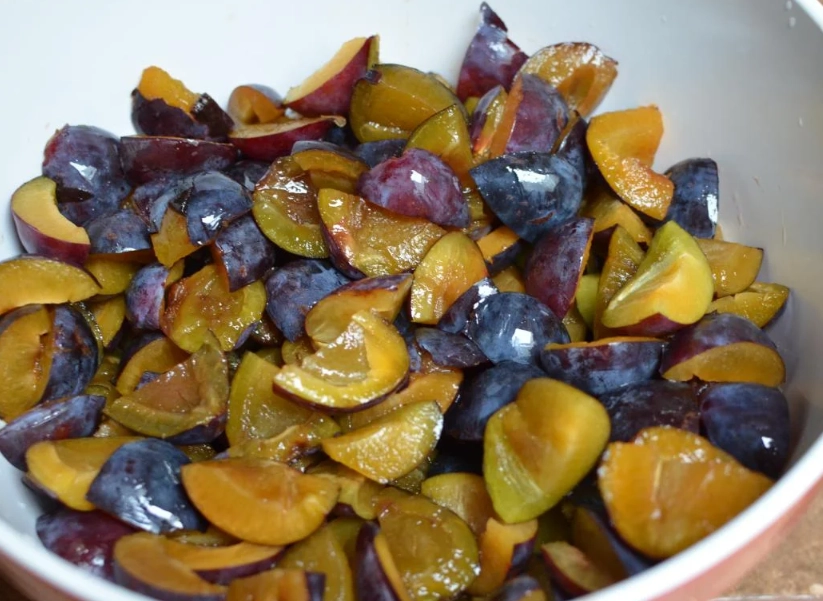
Your Prune Cooking Questions, Answered
I want to use prune puree to replace sugar and fat in baking. What's the right ratio?
How do I store cooked dishes with prunes, and how long do they last?
My family is skeptical of "prune recipes." How do I hide them in a meal?
Are prunes really that effective for digestion, and how many should I use in a recipe to get the benefit?
Can I use prunes in a smoothie without it tasting weird?
The journey with prunes starts by changing your perspective. See them not as a niche health food, but as a fundamental pantry staple for building flavor and texture. Start with the chocolate energy balls or the simple pan sauce. Once you experience how they transform a dish—adding depth, moisture, and a subtle complexity—you'll understand why these humble dried fruits deserve a permanent spot in your kitchen, far beyond the snack jar.