Your Spring Roll Journey
Let's be honest. We've all been there. You get a craving for those perfectly crispy, golden-brown spring rolls or those refreshing, translucent fresh rolls from your favorite restaurant. You think, "How hard can it be?" You find a spring rolls recipe online, give it a shot, and... disappointment. The wrappers tear. The filling is soggy. They explode in the oil. Or they just taste... bland.
I've been through that kitchen disaster more times than I care to admit. My first attempt at a homemade spring roll recipe looked more like a plate of fried cabbage confetti than anything edible. But after years of trial, error, and learning from some fantastic home cooks (and a few stern grandmas), I've cracked the code.
This isn't just another list of ingredients. This is your roadmap from confused beginner to spring roll confident. We're going to cover every single thing that can go wrong (and how to make sure it goes right), the differences between the major types, and I'll even throw in my personal favorite dipping sauce that's better than any takeout packet.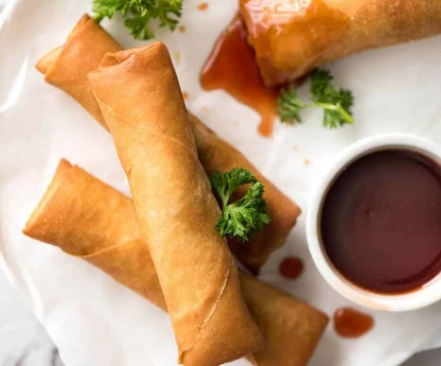
What Are Spring Rolls, Really?
It sounds like a simple question, but it's where a lot of confusion starts. The term "spring roll" is a bit of a blanket one. In a broad sense, it refers to a variety of filled and rolled appetizers common across East and Southeast Asian cuisines. The two giants in this category are the fried spring roll (think crispy, savory, often meat-filled) and the fresh spring roll or "summer roll" (think soft, cool, packed with herbs and shrimp or tofu, served uncooked).
Their history is as layered as their construction. Many food historians believe the precursor to the modern spring roll was a seasonal pancake eaten during Chinese New Year celebrations to welcome spring. The practice spread across regions, evolving with local ingredients. The Vietnamese fresh roll, or Gỏi cuốn, is a beautiful adaptation using readily available rice paper, herbs, and proteins. Understanding this split is your first step to spring roll mastery.
Fried vs. Fresh: Your Spring Roll Roadmap
Before you even look at a shopping list, you need to decide which path you're on. They're both fantastic, but they're different kitchen projects. Here’s the breakdown that most recipes don't give you clearly enough.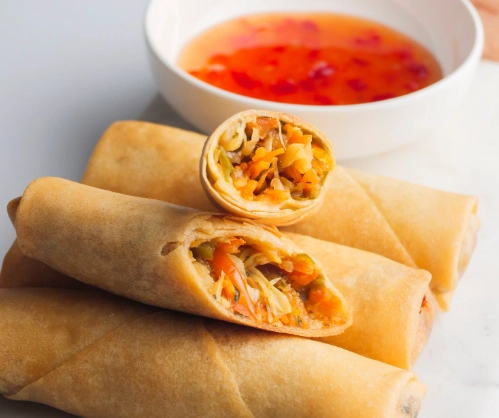
| Feature | Fried Spring Rolls | Fresh Spring Rolls (Summer Rolls) |
|---|---|---|
| The Wrapper | Thin, dry wheat-based sheets. They're stiff and need brushing with water or egg wash to seal. | Rice paper rounds. Bone-dry and brittle, they require a quick dip in warm water to become pliable. |
| The Filling | Cooked, seasoned, and cooled. Usually a savory mix of minced meat (pork, chicken), shrimp, shredded veggies (cabbage, carrots, mushrooms), glass noodles, and aromatics. | Primarily fresh, raw, or pre-cooked components. Think lettuce, herbs (mint, cilantro), rice noodles, cooked shrimp or pork, cucumber, and avocado. |
| Cooking Method | Deep-fried or pan-fried until golden brown and crispy. | Not cooked after assembly. The "cooking" is hydrating the rice paper. |
| Texture & Flavor | Hot, crunchy, savory, umami-rich. A comforting, hearty bite. | Cool, soft, chewy, herbaceous, and light. Refreshing and healthy-feeling. |
| The Sauce | Sweet and sour sauce, chili sauce, or a savory soy-based dip. | Peanut sauce, hoisin-based sauce, or a tangy nước chấm (fish sauce dip). |
| Biggest Challenge | Keeping the filling dry to prevent sogginess and sealing them tightly so they don't burst in the oil. | Working quickly with the damp rice paper before it gets too sticky and tears. |
See? Different beasts. Personally, I find fresh rolls trickier to make pretty, but fried rolls are trickier to get perfectly crispy. Which one calls to you?
The Ultimate Fried Spring Roll Recipe (Step-by-Step)
Let's start with the classic. This fried spring roll recipe is my go-to for parties. It's reliable, packed with flavor, and once you get the rolling down, it's almost meditative.
Gathering Your Arsenal (The Ingredients)
For about 20-25 spring rolls, you'll need:
- The Shell: 1 package of spring roll wrappers (look for "spring roll pastry" or "lumpia wrappers" in the freezer section of an Asian market. Thaw in the fridge overnight).
- The Protein: 200g ground pork (not too lean, you need some fat for flavor). You can substitute with chicken, turkey, or chopped shrimp.
- The Veggie Base: Half a small head of green cabbage, finely shredded. 2 medium carrots, julienned or grated. A handful of dried shiitake mushrooms, soaked in hot water until soft, then finely chopped (save the soaking liquid!).
- The Noodle Heart: A small bundle (about 50g) of bean thread noodles (glass noodles), soaked in hot water until soft, then drained and cut into shorter lengths.
- The Flavor Bomb: 3 cloves garlic, minced. A 2-inch piece of ginger, minced. 2-3 green onions, finely chopped. 1 tbsp oyster sauce (or vegetarian oyster sauce). 1 tbsp light soy sauce. 1 tsp sesame oil. ½ tsp white pepper. A pinch of sugar. Salt to taste.
- For Frying: Neutral oil with a high smoke point, like vegetable, canola, or peanut oil.
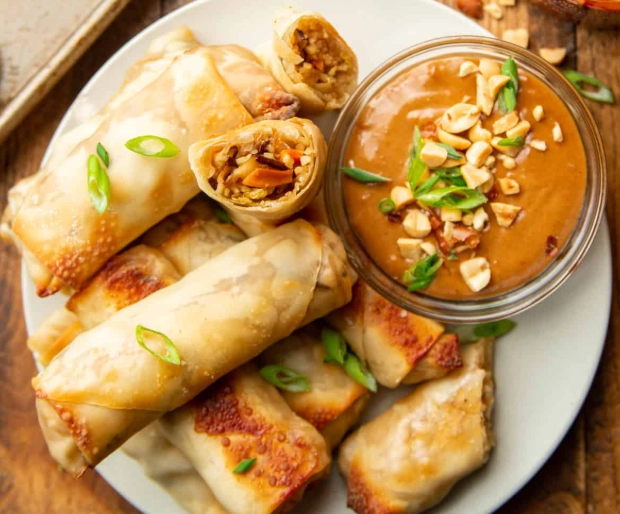
The Filling: Where the Magic Happens
This is the most important step. A wet filling is the enemy of a crispy spring roll.
- Cook the Aromatics: Heat a tablespoon of oil in a wok or large skillet over medium-high heat. Add the garlic and ginger and stir-fry for just 30 seconds until fragrant. Don't let it burn.
- Brown the Protein: Add the ground pork. Break it up and cook until it's no longer pink.
- Incorporate the Veggies: Add the cabbage and carrots. Stir-fry for 2-3 minutes. The goal here is to cook out some of the water from the cabbage, not to make it mushy. It should still have a bit of crunch.
- Season and Simmer: Add the chopped mushrooms, the drained noodles, oyster sauce, soy sauce, sesame oil, white pepper, and sugar. Toss everything together. If the mixture looks dry, add a tablespoon or two of that reserved mushroom soaking water. Cook for another minute.
- The Crucial Cool-Down: Transfer the entire filling to a large bowl or plate and spread it out. Let it cool completely to room temperature. I sometimes even pop it in the fridge for 20 minutes. This step is non-negotiable. A hot filling will steam the wrapper from the inside and make it soggy. It will also make the wrappers tear when you try to roll.
The Art of the Roll
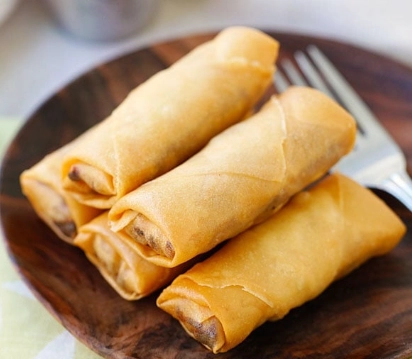
Lay a wrapper on a clean surface like a diamond (one corner pointing towards you). Place about 1.5 to 2 tablespoons of the cooled filling near the bottom corner. Shape it into a little log. Fold the bottom corner up and over the filling, tucking it in snugly. Fold the left and right corners inward towards the center. Now, roll it upwards tightly, like a burrito. Before you get to the top, use your finger or a brush to dab a little water or a simple flour paste (just flour and water) on the top corner. This acts as glue. Finish rolling and press to seal.
The key is tight but gentle. You don't want to rip the wrapper, but you don't want loose, airy rolls either.
Frying to Perfection
Heat about 2 inches of oil in a heavy-bottomed pot or wok to 340°F (170°C). If you don't have a thermometer, the oil is ready when a small piece of wrapper dropped in sizzles immediately and rises to the surface. Fry the rolls in batches—don't crowd the pot—for 3-4 minutes, turning occasionally, until they are a uniform golden brown. Drain on a wire rack, not paper towels. The rack keeps them crispy all over.
Serve them hot with your favorite dipping sauce. Honestly, just smelling them will make you proud.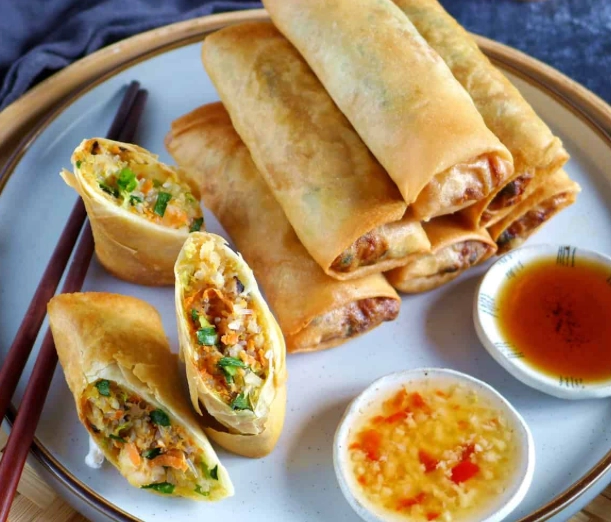
The Fresh & Healthy Alternative: Vietnamese Fresh Spring Rolls Recipe
On a hot day or when you want something lighter, this is my sanctuary. A fresh spring rolls recipe is more about assembly and freshness than cooking.
What You'll Need
- The Wrapper: Rice paper rounds (banh trang). Size 22cm is a good standard.
- The Herbs (Non-negotiable!): Fresh mint, cilantro, and Thai basil. This is the soul of the dish.
- The Crunch: Butter lettuce or green leaf lettuce, rinsed and dried thoroughly. Cucumber, julienned. Carrot, julienned.
- The Heart: Rice vermicelli noodles, cooked according to package directions, rinsed in cold water, and drained.
- The Protein: Cooked shrimp (butterflied looks beautiful), sliced grilled pork, or baked tofu.
- Optional Extras: Sliced avocado, mango strips, perilla leaves.
The Assembly Line Technique
Mise en place is everything here. Have all your components washed, cut, and laid out within reach. Fill a large, shallow plate or skillet with warm (not hot) water.
- Dip the Paper: Quickly submerge one rice paper round in the water for about 2-3 seconds. You just want it pliable, not completely soft—it will continue to absorb water on your work surface.
- Lay the Foundation: Place the damp paper on a clean, slightly damp cutting board or plate. In the lower third, lay down a piece of lettuce (this protects the paper from sharp fillings).
- Stack and Roll: On top of the lettuce, add a small pinch of noodles, a few herb sprigs, some cucumber and carrot, and your protein. Don't overstuff! This is the #1 mistake. Fold the sides in, then roll from the bottom up tightly, tucking the ingredients in as you go.
If the rice paper tears a little, don't panic. Just place another damp sheet on your board, put the torn roll near the bottom, and re-roll. It's a double-wrapper trick that works wonders.
Dipping Sauces: The Flavor Finale
A spring roll is only as good as its dip. Here are two foolproof sauces.
Classic Sweet & Sour (for fried rolls): Mix ¼ cup rice vinegar, 3 tbsp sugar, ¼ cup water, 1 tbsp ketchup, 1 tsp soy sauce, and a pinch of salt in a small saucepan. Heat gently until the sugar dissolves. Let cool. You can add a little minced garlic or chili if you like.
My Go-To Peanut Sauce (for fresh rolls): Whisk together ¼ cup creamy peanut butter, 2 tbsp hoisin sauce, 1 tbsp soy sauce, 1 tbsp lime juice, 1 tsp sriracha or chili garlic sauce, and enough warm water (about ¼ cup) to thin it to a dipping consistency. Taste and adjust. It's ridiculously good. Sometimes I just eat it with a spoon.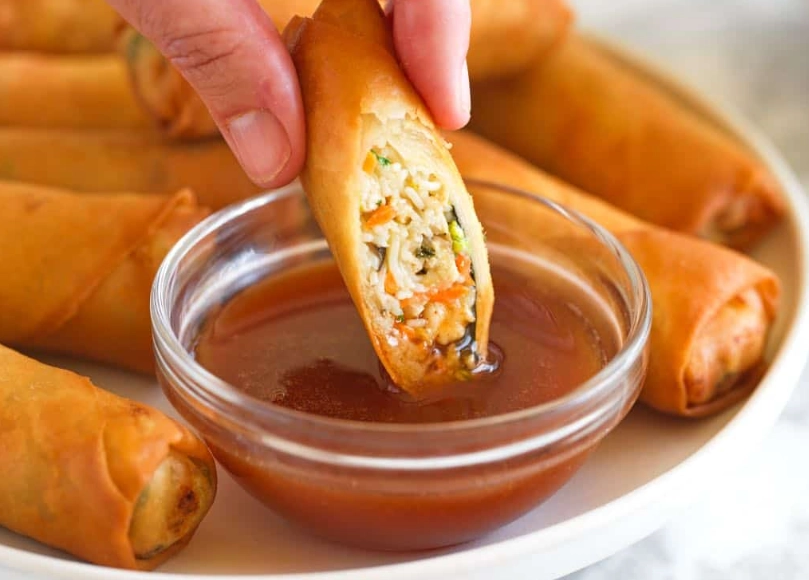
Your Spring Roll Questions, Answered
I get asked these all the time. Let's clear them up.
For fresh rolls: This is trickier. They're best eaten within a few hours. If you must, store them individually wrapped in slightly damp paper towels and then in an airtight container in the fridge for up to a day. They may stick together a bit.
Pro Tips & Troubleshooting
Let's wrap this up (pun intended) with some hard-earned wisdom.
- Filling Texture: Squeeze your cooled filling mixture in your hand. If water drips out, it's too wet. Try patting the veggies drier after cooking or adding a sprinkle of cornstarch to bind excess moisture.
- The Oil Thermometer is Your Friend: Guessing the oil temperature is a gamble. A simple candy/deep-fry thermometer costs a few dollars and is the single best investment for perfect frying. The USDA recommends safe oil temperatures for frying to ensure food safety and quality.
- Rice Paper Sticking: Work on a slightly damp surface (a damp tea towel or a special rice paper mat). It prevents the paper from fusing to your countertop.
- Embrace Imperfection: Your first few rolls will look messy. Mine did. So do those of chefs who've been making them for decades sometimes. The taste is what matters. As long as they're sealed, you're golden.
So there you have it. From choosing your wrapper to nailing the dip, this guide should have you covered. Is it a bit of work? Sure. Is it easier than you thought once you break it down? Absolutely. And the look on someone's face when you bring out a platter of homemade spring rolls? Priceless.
Grab those ingredients, clear some counter space, and give it a try. Start with the fried spring roll recipe if you want that crispy reward, or the fresh one if you're in a light and healthy mood. Once you get the basics down, the world is your oyster sauce. You can swap in different fillings, play with sauces, and really make it your own.
Now, if you'll excuse me, all this writing has made me crave a batch. I think I know what I'm making for dinner tonight.