Fish sauce. That little brown bottle in the back of your pantry holds more potential than you think. It's not just for pad thai. When you learn how to use it right, it becomes the secret weapon for depth, complexity, and that addictive savory quality called umami. Forget the fear of it being too fishy or salty. With the right fish sauce recipes, you balance it into something magical. This guide cuts through the noise and gives you the foundational recipes and pro tips you actually need.
What's Inside: Your Recipe Roadmap
Fish Sauce 101: Choosing Your Bottle
Not all fish sauce is created equal. Grab the wrong one, and your dish might taste like a salty, funky mess. The right one is pure umami gold. The main thing to look for? The ingredient list. A good fish sauce should have only two, maybe three ingredients: anchovies, salt, and sometimes sugar. If you see a long list with hydrolyzed vegetable protein or MSG added, put it back. Those are lower-quality sauces trying to boost flavor artificially.
Here’s a quick breakdown of two major styles you'll find:
| Style | Origin | Flavor Profile | Best For |
|---|---|---|---|
| Thai (like Tiparos, Squid Brand) | Thailand | Bolder, saltier, more pungent. A stronger upfront flavor. | Standing up to strong spices in curries, stir-fries, and bold marinades. |
| Vietnamese (like Red Boat, Three Crabs) | Vietnam | Cleaner, more nuanced, slightly sweeter. A smoother, deeper umami. | Dipping sauces (nuoc cham), dressings, and dishes where you want the sauce to shine, not overpower. |
My personal workhorse? A Vietnamese brand like Red Boat for my dipping sauces and a Thai brand like Squid for cooking. But if you only buy one, start with a Vietnamese one. Its cleaner taste is more forgiving for beginners.
Storage Tip: Fish sauce doesn't need refrigeration. Keep it in a cool, dark cupboard. It's already fermented and preserved with salt. Chilling it can sometimes cause harmless crystals to form.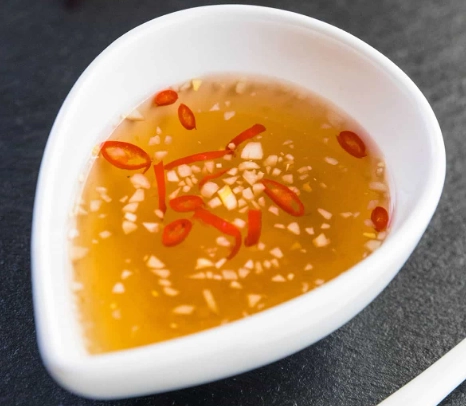
Three Essential Fish Sauce Recipes You'll Use Weekly
These aren't just recipes; they're formulas. Master these three, and you can dress, dip, and marinate half the meals you make.
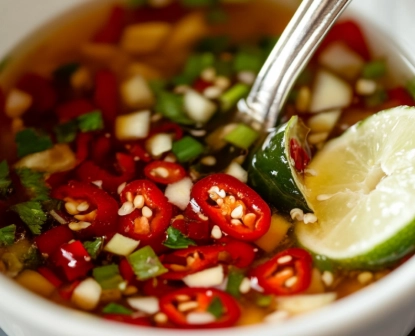
1. The Classic Vietnamese Dipping Sauce (Nuoc Cham)
This is the gateway fish sauce recipe. It's what comes with fresh spring rolls and grilled meats. The balance is everything: salty from the fish sauce, sour from lime, sweet from sugar, spicy from chili, and aromatic from garlic.
The Formula (Makes about 1 cup):
- Liquid Base: 1/4 cup warm water, 3 tablespoons white sugar. Stir until dissolved.
- The Punch: 1/4 cup fresh lime juice, 1/4 cup fish sauce (Vietnamese style).
- The Aromatics: 1-2 minced garlic cloves, 1-2 thinly sliced Thai bird's eye chilies (remove seeds for less heat).
Mix it all in a jar. Let it sit for 15 minutes for the flavors to marry. Taste. Too salty? Add a splash of water. Too sweet? A dash more lime. This sauce keeps for a week in the fridge, but the garlic gets stronger.
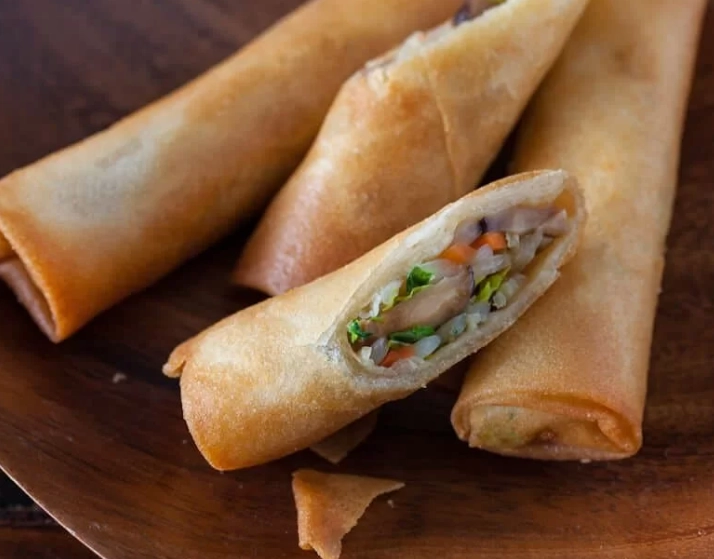
Where to use it: As a dip for spring rolls, drizzle over a bowl of vermicelli noodles with grilled pork (bun thit nuong), or as a dressing for a crunchy cabbage slaw.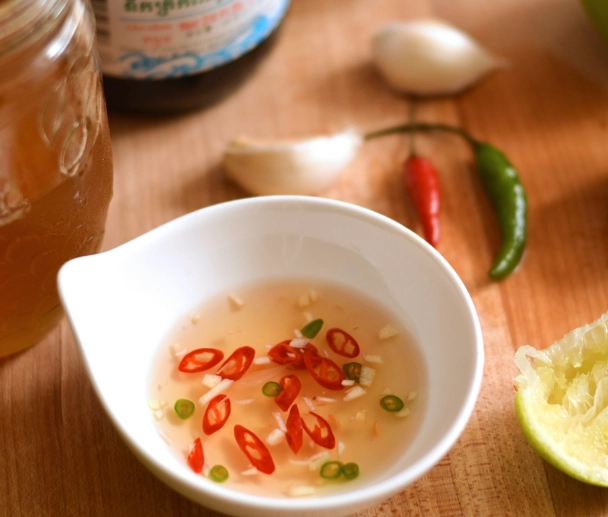
2. The Universal "Lazy" Marinade
This is my weeknight savior for chicken thighs, salmon, or tofu. It's not a specific cuisine—it's just good. The fish sauce acts as both salt and flavor depth, so you don't need extra salt.
The Formula (for 1.5 lbs of protein):
- 3 tablespoons fish sauce (Thai style works great here)
- 2 tablespoons honey or brown sugar
- 1 tablespoon neutral oil (like avocado or grapeseed)
- 2 cloves garlic, grated
- 1-inch knob of ginger, grated
- Black pepper
Whisk it all together, pour over your protein in a zip-top bag, and let it marinate for at least 30 minutes, or up to 4 hours (fish and tofu only need 30 mins). Grill, bake, or pan-sear. The sugars will caramelize beautifully.
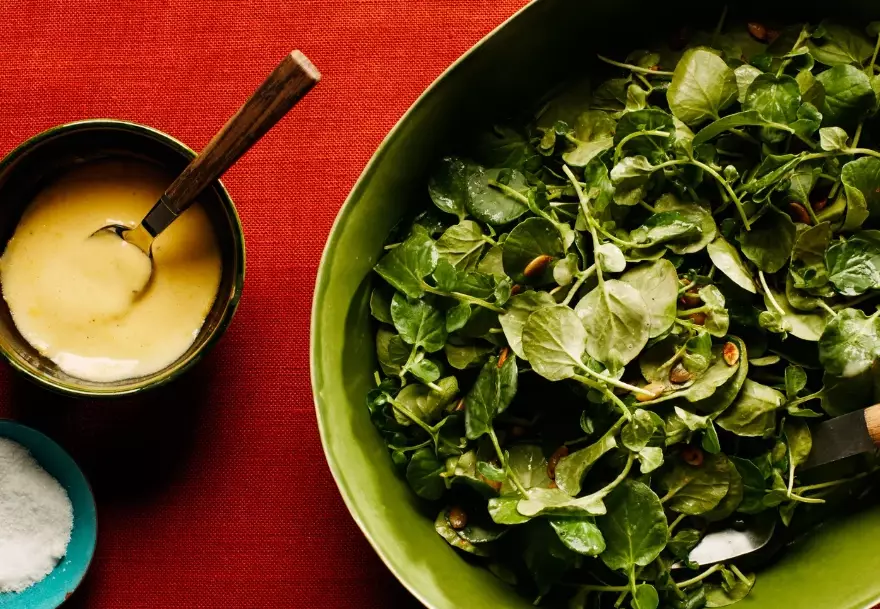
3. The "Secret Weapon" Salad Dressing
Bottled dressings can't compete with this. It transforms a simple green salad or a hearty grain bowl.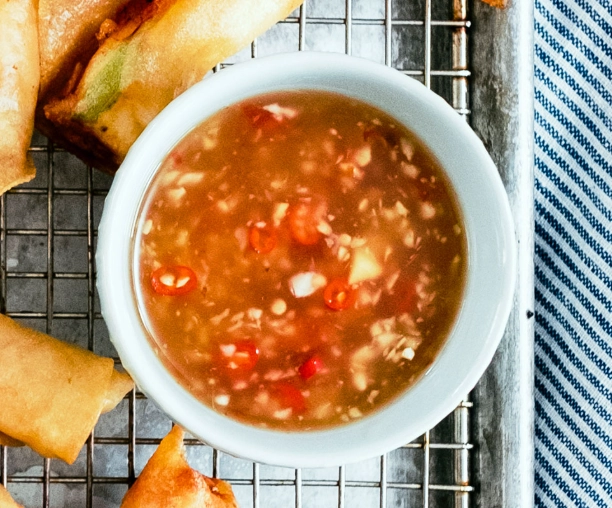
The Formula (Shake in a jar):
- 2 tablespoons fish sauce (Vietnamese)
- 3 tablespoons lime juice or rice vinegar
- 1 tablespoon honey or maple syrup
- 1 tablespoon neutral oil
- 1 teaspoon toasted sesame oil (optional but amazing)
- 1 small shallot, finely minced
Shake vigorously. Pour over sturdy greens like romaine, kale, or a salad with mango and cucumbers. The fish sauce replaces any need for salt.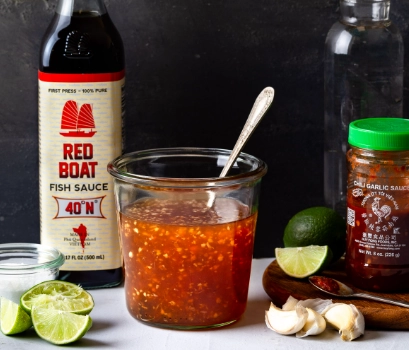
Pro Flavor Hacks & Common Mistakes to Avoid
After years of trial and error (and some failed dinners), here's what most recipe blogs don't tell you.
Never boil pure fish sauce. This is the biggest rookie mistake. If you add fish sauce directly to a boiling liquid and let it cook for a long time, the delicate fermented flavors break down and can turn bitter and overly pungent. Instead, add it towards the end of cooking a simmering dish, or use it in marinades and cold sauces.
The "Dilute and Taste" Rule. Fish sauce is potent. When you're developing a sauce or dressing, add it gradually. Think of it as liquid salt with benefits. You can always add more, but you can't take it out. If you do overdo it, balance with acid (lime, vinegar) or sweetness, not just more water.
It's not a 1:1 substitute for soy sauce. They're both salty, umami condiments, but fish sauce is funkier and more specific. In a pinch, you can sub it in a stir-fry, but expect a different, more Southeast Asian flavor profile. For a closer substitute, mix a little fish sauce with water or coconut aminos.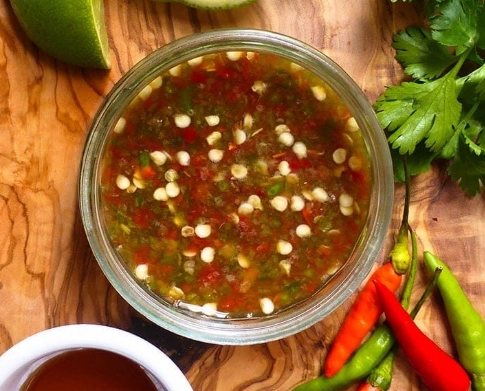
A Chef's Trick: For an incredible broth or soup base, char a few slices of ginger and a couple of green onion stalks in a dry pot before adding your stock. Simmer for 10 minutes, then finish with a tablespoon of fish sauce right before serving. The depth is unreal.
Common Error & The Fix
The Error: "My dipping sauce tastes only salty and fishy."
The Likely Cause: You skipped the sugar or used not enough acid. The sugar isn't there to make it sweet; it's there to round out the harsh edges of the salt and fermentation. The acid (lime) brightens everything up.
The Fix: Follow the nuoc cham formula above religiously the first few times. Dissolve the sugar in warm water first—this is non-negotiable for a smooth sauce. Taste and adjust in small increments.