Let's be honest. Most recipes for Beef Rendang online make it seem like just another curry. They promise it in two hours. They tell you to use ground spices from a jar. The result? A soupy, one-dimensional stew that's a pale shadow of the real thing. The authentic version from West Sumatra is something else entirely—a transformative, slow-cooked dish where the beef becomes impossibly tender and the sauce reduces to a thick, dark, intensely flavorful paste that clings to every fiber. It's not a quick weeknight meal. It's a project, a ritual. And getting it right is deeply satisfying.
I learned this the hard way. My first attempt, following a popular blog recipe, left me with tough meat floating in a bland, reddish broth. It was edible, but it wasn't Rendang. The magic happens in the final hour, when patience is the most important ingredient.
What's Inside This Guide
What Makes Rendang Different From Curry?
This is the first thing to get straight. Rendang is a dry curry. The endpoint isn't a gravy. It's a concentrated, almost oily spice coating. The cooking process has three distinct stages in Indonesian culinary terms, as noted in sources like Wikipedia's entry on Rendang:
- Gulai: The beginning. Meat simmers in a rich, coconut milk-based sauce.
- Kalio: The middle. The sauce has reduced and thickened, but is still moist and light brown.
- Rendang: The end. Almost all liquid is gone. The coconut milk has broken, its oil has separated, and the remaining solids (spices, toasted coconut) fry in that oil, caramelizing into a deep, dark, complex coating.
If you stop at Kalio, you have a delicious wet curry. Pushing through to the final stage is what creates true Rendang. This is why time and low heat aren't suggestions—they're the entire point.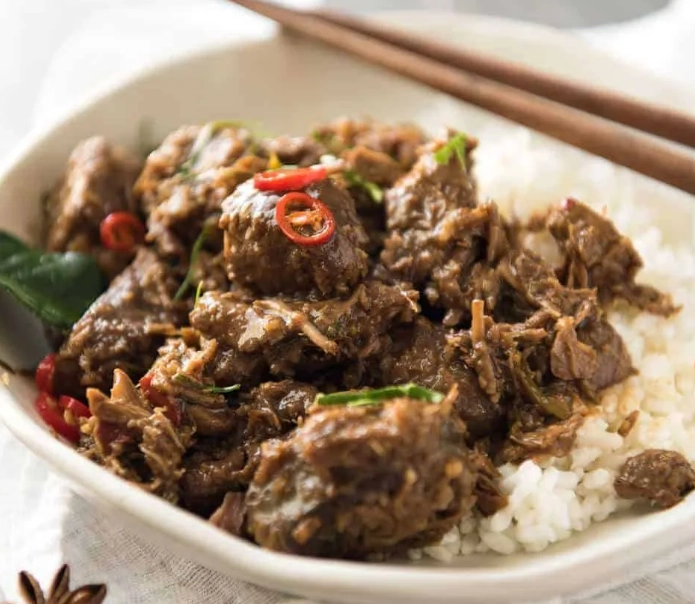
The Non-Negotiable Ingredients
You can't build depth with shortcuts. Here’s what you absolutely need, and why.
Pro Tip: Don't even think about using "light" coconut milk. You need the full fat for it to split and fry properly at the end. That rich, separated oil (called minyak) is a sign of success.
| Ingredient | Role & Why It's Essential | Potential Substitutes (The Compromise) |
|---|---|---|
| Fresh Aromatics (Shallots, Garlic, Ginger, Galangal) | The flavor base. Fresh provides brightness and complexity that dried powder can't. Galangal has a piney, sharp note distinct from ginger. | For Galangal: Use more ginger plus a pinch of grated lemon zest. It's not the same, but adds a citrusy edge. |
| Fresh Lemongrass | Provides a crucial citrusy fragrance. The white part only, bruised to release oils. | Dried lemongrass is weak. In a pinch, use 1 tbsp finely minced lemon zest. |
| Toasted Coconut (Kerisik) | The secret weapon. Unsweetened coconut toasted until deep brown, then pounded. It thickens the sauce and gives that nutty, toasty, authentic flavor and gritty texture. | None. Seriously, don't skip this. It's what makes the sauce cling. |
| Beef with Connective Tissue | Chuck roast, shank, or short ribs. The collagen melts over hours, tenderizing the meat and enriching the sauce. | Using lean beef (sirloin) will give you dry, stringy results. It's the most common mistake. |
| Toasted Spices (Coriander Seeds, Cumin Seeds) | Toasting whole seeds and grinding them fresh provides a warmer, deeper aroma than pre-ground. | Pre-ground spices work, but toast them gently in a dry pan for 30 seconds to wake them up. |
The Step-by-Step Process (With Pictures)
Clear your afternoon. This is a 3.5 to 4-hour commitment, mostly hands-off simmering, with a critical hands-on final phase.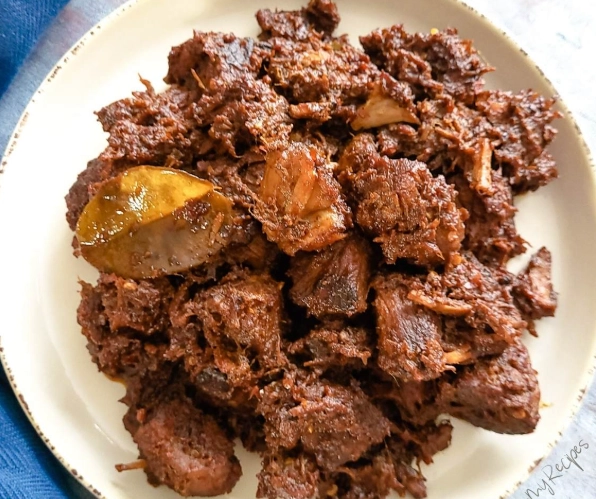
Phase 1: Building the Base (The First Hour)
Start by making your kerisik. Toast 1 cup of unsweetened desiccated coconut in a dry wok or skillet over medium-low heat. Stir constantly. It goes from white to golden to a deep, even brown. Don't stop until it's the color of peanut butter. Let it cool, then grind it in a food processor or mortar until oily and sandy. Set aside.
Now, the spice paste (rempah). Roughly chop 8 shallots, 6 garlic cloves, a 3-inch piece of ginger, and a 2-inch piece of galangal. Toss them into the blender with 4-6 dried red chilies (soaked in hot water), 2 stalks of bruised lemongrass (white part only), 1 tbsp toasted coriander seeds, and 2 tsp toasted cumin seeds. Add just enough water to get the blades moving. Blend into a smooth, fragrant paste.
Cut 2 lbs of beef chuck into 2-inch cubes. Pat them dry. In a large, heavy-bottomed pot or Dutch oven, heat 2 tablespoons of coconut oil over medium-high. Brown the beef in batches. Don't crowd the pot. You want fond—those browned bits at the bottom. Set the beef aside.
Phase 2: The Long Simmer (The Next 2 Hours)
In the same pot, add the spice paste. Fry it over medium heat, stirring constantly, for 10-15 minutes. It will splutter, darken, and become incredibly fragrant. The oil will start to separate from the paste. This step is non-negotiable—it cooks out the raw taste.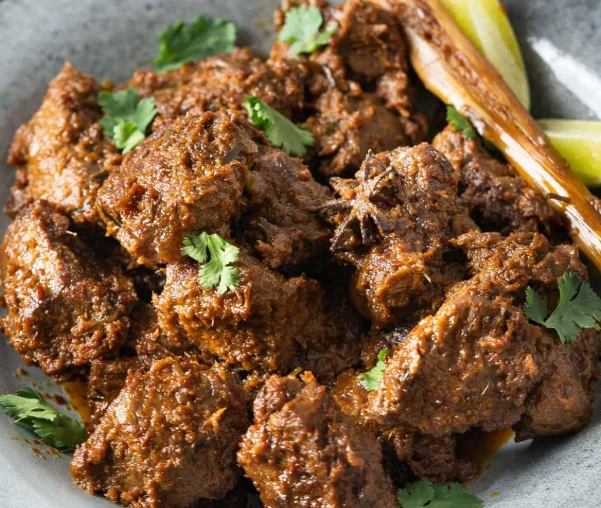
Return the beef and any juices to the pot. Pour in two 13.5-oz cans of full-fat coconut milk. Add 2 turmeric leaves (if you can find them), 4 kaffir lime leaves (torn), 1 piece of asam gelugur (tamarind slice), a cinnamon stick, and a piece of bruised lemongrass. Season with 1 tsp of salt.
Bring to a very gentle simmer. The key word is gentle. A bare bubble. Cover and let it cook, stirring occasionally, for about 2 hours. The meat should be starting to tenderize, and the sauce will have reduced by about a third.
Phase 3: The Transformation to True Rendang (The Final Hour+)
Uncover the pot. Stir in the toasted coconut (kerisik) you made earlier. Also add 2 tablespoons of palm sugar (or brown sugar) to balance the heat.
Now, reduce the heat to low. Let it simmer uncovered, stirring more frequently as it thickens. This is where you watch the magic happen. The sauce will go from a light brown kalio to a thick, dark paste. The coconut milk will break, and you'll see reddish oil pooling at the edges.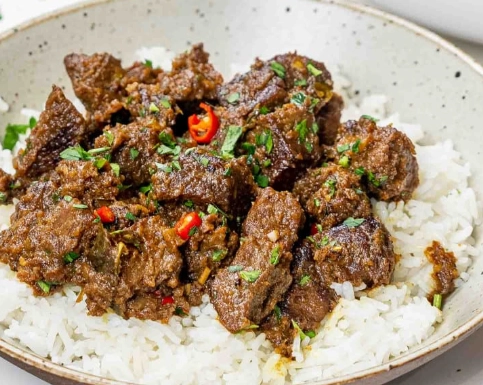
The Big Mistake: This is where people panic. They see the oil separating and think it's burning. It's not. It's supposed to happen. That oil frying the spice paste is creating the final, deep flavor. Keep stirring and scraping the bottom to prevent actual burning, but don't add water. Embrace the process.
Keep going. Stir and scrape for another 30-45 minutes, until the sauce is almost gone and the beef is coated in a dark, glossy, oily paste. The meat should be so tender it shreds with a fork. Taste and adjust salt. It's done.
3 Common Pitfalls That Ruin Your Rendang
I've made these errors so you don't have to.
1. Using the wrong cut of beef. This is the number one reason for tough rendang. Lean meat has no chance. You need collagen. Chuck roast is your best, most accessible bet.
2. Rushing the final stage. Impatience leads to adding water or stopping while the sauce is still saucy. You miss the caramelization. Set aside the time. Put on a podcast. Stir. It's meditative.
3. Not frying the spice paste long enough. If your paste tastes raw or grassy, you didn't fry it enough. Take the time to cook out the water and let the oils release. This builds the foundational flavor.
Serving, Storing & Making It Ahead
Rendang is actually better the next day. The flavors settle and deepen. Let it cool, then store it in an airtight container in the fridge for up to 5 days.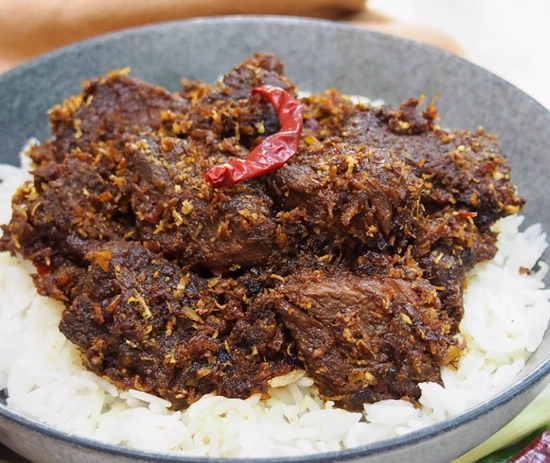
To serve, reheat it gently in a pan with a tiny splash of water to loosen it. It's traditionally served with steamed rice (nasi putih), but it's also incredible with compressed rice cakes (ketupat) or even with crusty bread to mop up every last bit.
It freezes beautifully for up to 3 months. Portion it before freezing.