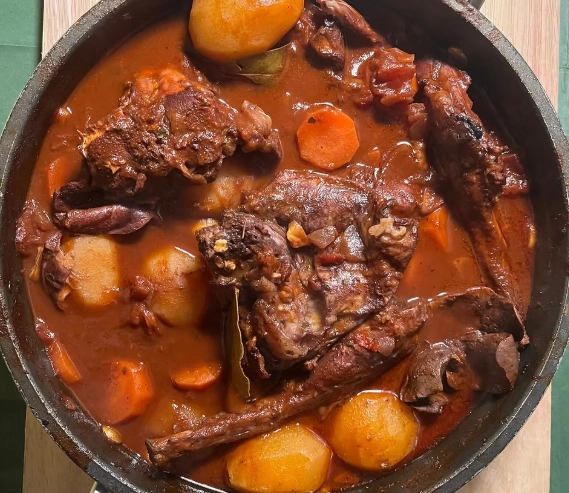
Let's talk about stewed rabbit. It's not what you see on every food blog, and that's a shame. When done right, it's one of the most satisfying, flavorful, and tender dishes you can make in a single pot. Forget any notions of gamey, tough meat—that's usually the result of a rushed process. A proper braised rabbit recipe is about patience, layering flavors, and transforming humble ingredients into something extraordinary. I've been cooking rabbit for over a decade, from farm-to-table dinners to simple weeknight meals, and I've seen the same few mistakes trip people up. We'll fix those here.
What You'll Find in This Guide
Why Stew Rabbit? Understanding the Meat
Rabbit is a lean, white meat with a mild flavor, often compared to chicken but with a slightly denser, more distinct texture. Because it's so lean, it has almost no intramuscular fat. This is the key thing most recipes gloss over: that lack of fat means rabbit dries out incredibly fast if you just roast or grill it. High, dry heat is its enemy. That's where stewing, or braising, comes in.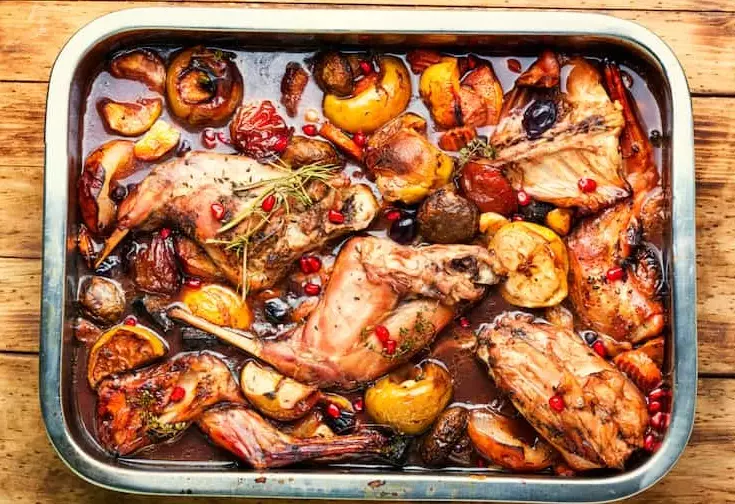
Braising is a moist-heat cooking method. You first sear the meat to develop a flavorful crust (the Maillard reaction), then you let it simmer gently in a covered pot with liquid. This slow, low-temperature process breaks down the tough connective tissues (collagen) in the meat, converting it into gelatin. The result? Meat that's fall-off-the-bone tender and bathed in a rich, silky sauce. It's foolproof if you respect the time it needs.
Think of it this way: You're not just cooking rabbit; you're giving it a long, slow bath in flavor. The liquid—wine, broth, tomatoes—infuses every fiber, while the gelatin from the bones thickens the sauce naturally. No flour needed if you do it right.
Gathering Your Ingredients: A Critical Look
This isn't just a shopping list. Where you get your rabbit and what you pair it with makes or breaks the dish.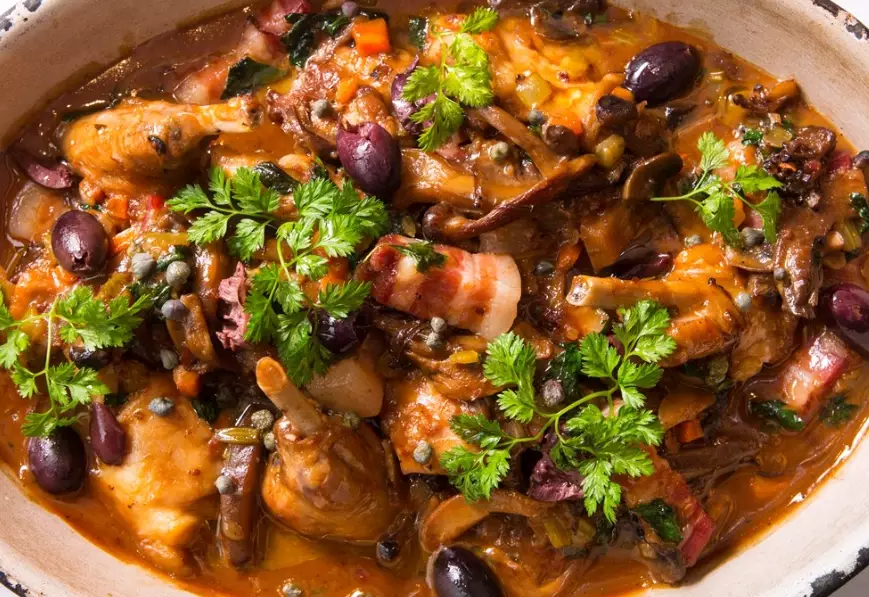
The Rabbit: Sourcing and Preparation
You can typically find whole, dressed rabbits (about 2.5-3 lbs) in the freezer section of well-stocked supermarkets, specialty butchers, or online from reputable farms like Marx Foods or D'Artagnan. Frozen is perfectly fine. Thaw it completely in the refrigerator for 24-48 hours.
Most rabbits come “fryer” size, which is ideal for stewing. You'll need to cut it into serving pieces. Use poultry shears or a sharp knife. Cut between the ribs and the loin to separate the front and back. Divide the saddle (the back) into two or three pieces. Separate the legs (thighs). The front legs (shoulders) are smaller but full of flavor. Don't discard the bones from the rib cage—throw them in the pot for extra flavor.
Ingredients for a Classic Stew (Serves 4-6)
- 1 whole rabbit (2.5-3 lbs), cut into 6-8 pieces
- Kosher salt and freshly ground black pepper
- 3-4 tbsp olive oil or bacon fat (fat matters here)
- 1 large yellow onion, diced
- 2 medium carrots, diced
- 2 celery stalks, diced
- 4 cloves garlic, minced
- 1 tbsp tomato paste
- 1 cup dry white wine (like Sauvignon Blanc) or dry vermouth
- 3-4 cups low-sodium chicken or rabbit broth
- 1 bouquet garni: 2 sprigs thyme, 1 bay leaf, 4 parsley stems, tied together
- Optional for finish: 2 tbsp Dijon mustard, a handful of chopped fresh parsley, a splash of red wine vinegar
The Flavor Builders: Don't Skimp
The mirepoix (onion, carrot, celery) is non-negotiable for depth. Use a dry, unoaked white wine for acidity to balance the richness—avoid sweet wines. The broth should be good quality; a weak broth makes a weak stew. The tomato paste isn't for tomato flavor, but for umami and color. Cook it until it darkens a shade.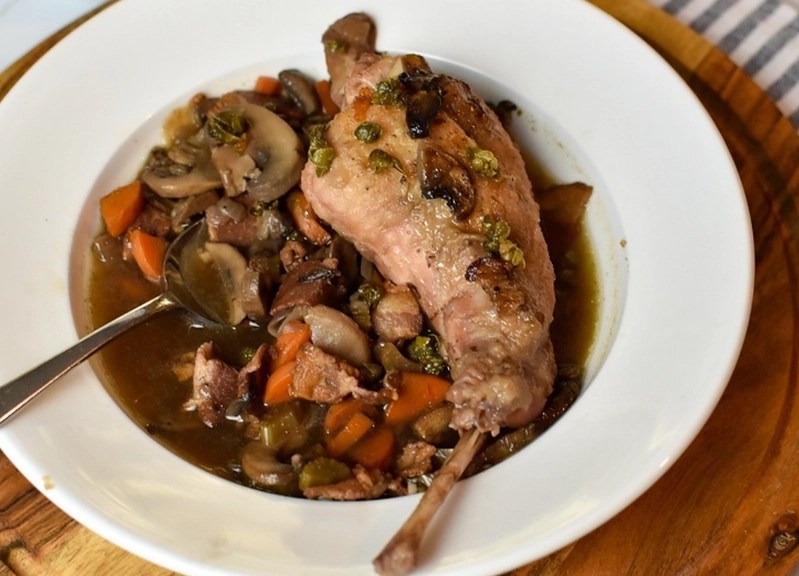
The Step-by-Step Stewing Process
Here’s where we move from theory to practice. Clear your afternoon; this is a 2.5 to 3-hour commitment, mostly hands-off.
- Season and Sear Aggressively. Pat the rabbit pieces very dry with paper towels. This is crucial for a good sear. Season generously all over with salt and pepper. In a large Dutch oven or heavy-bottomed pot, heat the oil over medium-high heat. Don't crowd the pan. Sear the rabbit in batches until deeply browned on all sides, about 4-5 minutes per side. Transfer to a plate. This step builds the flavor foundation.
- Build the Flavor Base. In the same pot, reduce heat to medium. Add the onion, carrot, and celery with a pinch of salt. Cook, stirring occasionally, until softened and just starting to brown, about 8-10 minutes. Add the garlic and cook for 1 minute until fragrant. Stir in the tomato paste and cook for another 2 minutes, letting it coat the vegetables and darken slightly.
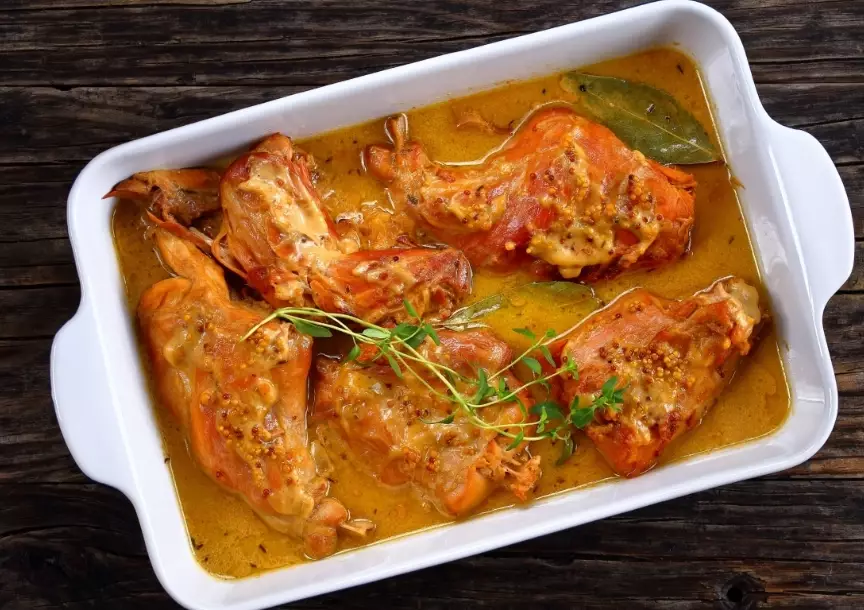
- Deglaze and Simmer. Pour in the white wine, scraping up all the browned bits (the fond) from the bottom of the pot. Let it simmer and reduce by about half. This cooks off the raw alcohol taste.
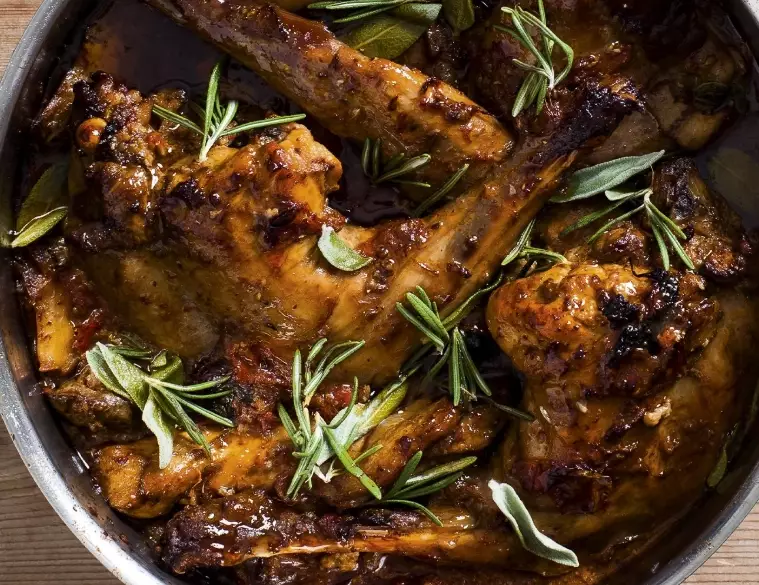
- The Long, Slow Cook. Return the rabbit pieces and any accumulated juices to the pot. Add enough broth to come about two-thirds of the way up the meat. Tuck in the bouquet garni. Bring to a very gentle simmer—a few small bubbles breaking the surface, not a rolling boil. Cover the pot tightly, reduce heat to low, and let it cook for 1.5 to 2 hours.
- Test and Finish. After 1.5 hours, check a piece from the thigh. The meat should be extremely tender and starting to pull away from the bone easily. If not, give it another 15-30 minutes. Once done, you can remove the rabbit pieces to a plate. If the sauce seems thin, simmer it uncovered for 10-15 minutes to reduce and thicken. For a richer finish, whisk in the Dijon mustard off the heat. Stir in parsley and a tiny splash of vinegar to brighten everything up. Return the rabbit to the sauce to warm through.
Common Mistakes and How to Avoid Them
I've eaten a lot of dry, bland rabbit stew. Here’s why it happens.
| Mistake | Why It Happens | The Expert Fix |
|---|---|---|
| Skipping the Sear | In a hurry, or worried about overcooking. | Never skip it. The browning creates complex flavors (pyrazines, etc.) that the simmering liquid can't replicate. It's non-negotiable. |
| Boiling, Not Simmering | Heat is too high, lid isn't tight. | After adding broth, get it to a bare simmer, then immediately reduce to the lowest heat that maintains that gentle bubble. A boil will toughen the proteins. |
| Underseasoning the Meat | Seasoning only the sauce. | Salt the rabbit pieces at least 30 minutes before cooking, or right before. This seasons the meat itself, not just the surface. |
| Using Water or Weak Broth | Trying to cut costs or calories. | The liquid is the environment the meat cooks in. Use a full-flavored broth. Homemade is great, but a good quality store-bought low-sodium version works. |
| Not Cooking Long Enough | Fear of overcooking lean meat. | Rabbit needs time for collagen to break down. Trust the process. 1.5 hours is a minimum. It's almost impossible to overcook in a proper braise. |
Serving, Storing, and Making It Your Own
Serve this stew in shallow bowls over something to soak up the glorious sauce. Creamy polenta is my absolute favorite—the cornmeal complements the rabbit perfectly. Buttered egg noodles, mashed potatoes, or crusty bread are all excellent choices. A simple green salad with a sharp vinaigrette cuts the richness.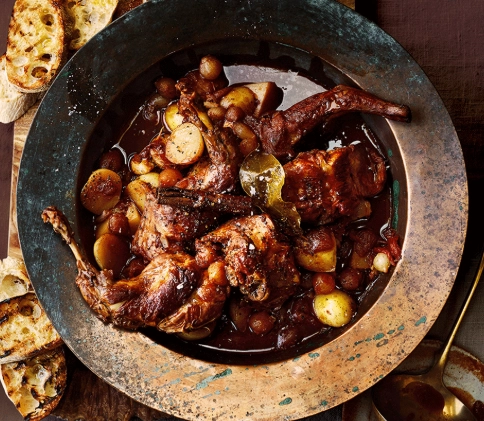
This stew tastes even better the next day. Cool it completely and store it covered in the refrigerator for up to 3 days. Reheat gently on the stovetop. You can also freeze it for up to 3 months.
Want to tweak it? Try a Mustard and Cream version: Finish with 1/2 cup of heavy cream and 3 tbsp of whole-grain mustard. For a Provençal Stew, add a pinch of herbes de Provence, some chopped olives, and replace half the broth with diced tomatoes.