If you've ever searched for "what is the English name for taho," you might have found frustratingly vague answers. Here's the truth right up front: there is no single, perfect English translation. The closest you'll get is "warm silken tofu dessert with arnibal syrup." But that's a mouthful, and it misses the soul of the thing entirely. Calling it just "soybean pudding" feels wrong too—it's like calling pizza "bread with stuff on it." The name "taho" carries the weight of Filipino mornings, the sound of a street vendor's call, and a specific texture you can't find anywhere else.
What You'll Find in This Guide
What Exactly is Taho? Breaking Down the Components
To understand why the English name for taho is so elusive, you need to know what it is. Taho is a traditional Filipino street food and breakfast item served warm. It's a trio of simple elements that create something magical.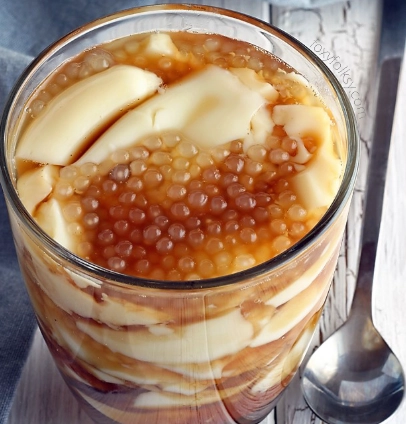
The Three Pillars of Taho:
1. Soft/Silken Tofu: This isn't the firm tofu you stir-fry. It's the custard-like, extra soft variety, often freshly made. The texture is smooth, jiggly, and delicate—it melts on your tongue. This forms the base.
2. Arnibal (Caramelized Syrup): This is a simple syrup made from dark brown sugar ("panocha" or muscovado) and water, simmered until slightly thickened. Sometimes, a slice of ginger is added for a warm, spicy note. This is the sweetener.
3. Sago Pearls: Small, chewy tapioca pearls that are cooked until translucent. They add a delightful textural contrast to the soft tofu.
The vendor layers these in a cup: a scoop of warm tofu, a ladle of hot arnibal, and a spoonful of sago pearls. You eat it with a spoon, mixing the layers as you go. The experience is about the temperature (warm), the contrast (silky vs. chewy), and the deep, molasses-like sweetness.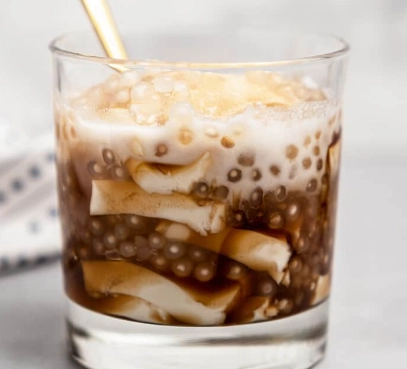
Why Doesn't Taho Have a Direct English Name?
This is the core of the issue. Many foods travel and get renamed—think of "croissant" or "sushi." But taho hasn't had that global breakout moment. It remains deeply tied to a specific cultural context and consumption ritual.
"Soybean pudding" is the most common attempt at an English name for taho. The Philippine Food and Drug Administration might use such a term for labeling. But for anyone who's eaten it, that label falls flat. "Pudding" in English often implies a set, chilled, milk-or-egg-based dessert. Taho is none of those things. It's warm, wobbly, and based purely on soy.
Other attempts like "warm tofu custard" or "sweet silken tofu" get closer but still feel incomplete. They describe the components, not the experience. The name "taho" itself is thought to come from the Chinese "douhua" (豆花), which means bean curd flower. But the Filipino version with its specific syrup and sago became its own entity.
The lack of a neat English name isn't a flaw. It's a sign of taho's uniqueness. It tells you that to really know it, you need to understand its role outside of a dictionary.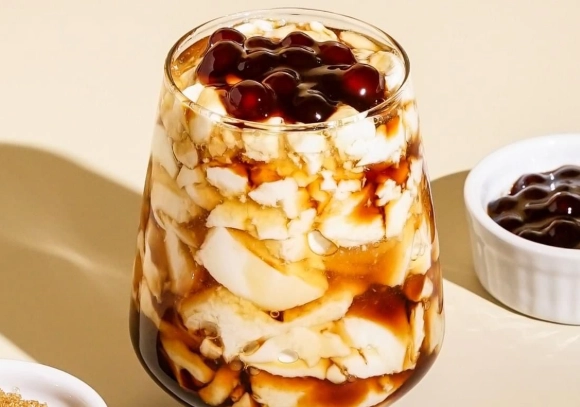
How to Make Authentic Taho at Home (Step-by-Step)
Can't find a taho vendor? You can make a convincing version at home. It won't be exactly the same as getting it from a bamboo pole-carrying vendor, but it hits all the right notes. Here’s my method, refined after a few less-than-perfect batches.
Ingredients You'll Need
- 1 block (14-16 oz) of extra soft or silken tofu: Do not buy firm, medium, or even soft. It must be "silken" or "extra soft." The brand matters less than the texture type.
- 1 cup dark brown sugar (muscovado is ideal): This gives the authentic, deep flavor. Light brown sugar makes a pale imitation.
- 1 cup water: For the syrup.
- 1-inch piece of ginger, sliced (optional but recommended): This is the secret many recipes skip. It adds a fantastic warmth.
- 1/2 cup dried small sago pearls: Found in Asian grocery stores.
Step 1: Prepare the Tofu
This is the most common home cook mistake: treating the tofu roughly. Gently remove it from its package and place it in a heatproof bowl. You want to steam it to warm it through without cooking it firm. Place the bowl in a steamer over simmering water for 15-20 minutes. Alternatively, microwave it in 30-second bursts on low power until just warm. The goal is warm, tender tofu, not scrambled soy.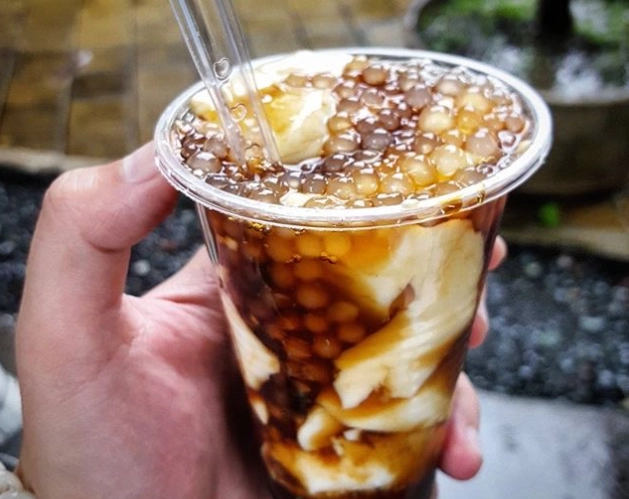
Step 2: Make the Arnibal Syrup
Combine the dark brown sugar, water, and ginger slices in a small saucepan. Bring to a simmer over medium heat, stirring until the sugar dissolves. Let it simmer for 8-10 minutes until it thickens slightly—it should coat the back of a spoon. It will thin out when poured over the tofu, so don't over-reduce it into candy. Remove the ginger slices. Keep warm.
Step 3: Cook the Sago Pearls
Bring a pot of water to a rolling boil. Add the sago pearls and stir immediately to prevent sticking. Cook for about 10-15 minutes until they turn translucent with maybe a tiny white dot in the center. Turn off the heat, cover, and let them sit in the hot water for another 10 minutes. Drain and rinse under cool water to stop the cooking. They should be chewy, not mushy.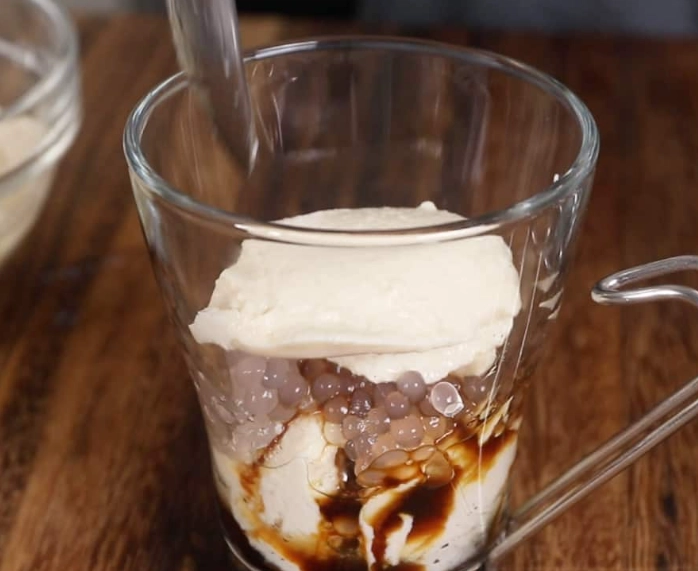
Step 4: Assemble and Serve
Carefully spoon the warm tofu into serving bowls or cups. Use a large spoon to get big, custardy pieces. Ladle the warm arnibal syrup over the top. Add a spoonful of sago pearls. Serve immediately with a spoon. The mixing is part of the fun.
My personal twist? I add a tiny pinch of salt to the arnibal. It doesn't make it salty; it just makes the caramel flavor pop.
The Real Taho Experience: More Than Just a Snack
No article about the English name for taho is complete without describing how it's actually consumed. In the Philippines, taho isn't just food; it's a morning ritual.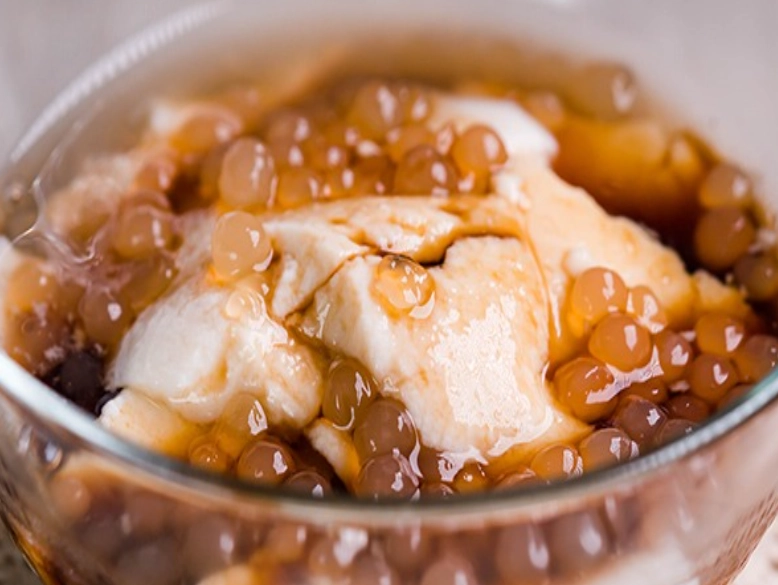
Between 6 AM and 10 AM, you'll hear a distinct call in neighborhoods: "Tahoooo!" A vendor (the "magtataho") walks the streets carrying two large aluminum buckets suspended from a bamboo pole across their shoulders. One bucket holds the warm, fresh tofu, the other contains the arnibal and sago. They know exactly how to portion it—a swift motion with a metal scoop for the tofu, a ladle for the syrup, a pinch of sago—all for about 20 to 30 Philippine Pesos (less than $0.60 USD).
You drink it from a plastic cup while standing on the sidewalk, often as you're heading to work or school. It's a quick, warm, energizing start to the day. This context—the mobility, the freshness, the affordability—is baked into the word "taho." No English name can capture that.
Taho vs. Other Soy-Based Desserts: A Quick Comparison
People often confuse taho with other Asian tofu desserts. Here’s how to tell them apart. This might explain why a generic name like "soy pudding" causes confusion.
| Dessert | Origin | Texture & Temperature | Key Differentiator |
|---|---|---|---|
| Taho | Philippines | Warm, ultra-soft/silky tofu with chewy sago. | Served warm with a dark brown sugar-ginger syrup (arnibal) and sago pearls. A street food breakfast. |
| Douhua (豆花) | China/Taiwan | Can be warm or cold, very soft tofu. | Savory or sweet. Sweet versions use a clear sugar syrup or ginger syrup, often without sago. Served as dessert. |
| Japanese Silken Tofu Dessert | Japan | Usually chilled, firm silken tofu. | Often served with a light kuromitsu (brown sugar syrup) or matcha syrup, maybe with ankō (red bean paste). Elegant, restaurant-style. |
| Tau Huay (Tau Foo Fah) | Singapore/Malaysia | Can be warm or cold, very smooth and set. | Similar to douhua. Often served with a clear sugar syrup or pandan syrup. A common dessert in hawker centers. |
See the difference? The combination of warm temperature, specific arnibal, and sago pearls is the Filipino signature. It's what makes the search for an English name for taho so specific.
Your Taho Questions, Answered
Can I make taho if I'm vegan or lactose intolerant?
What's the best substitute for muscovado sugar in arnibal?
Why is my homemade taho tofu turning out rubbery?
Can I prepare taho components ahead of time?
Where can I buy real taho outside the Philippines?