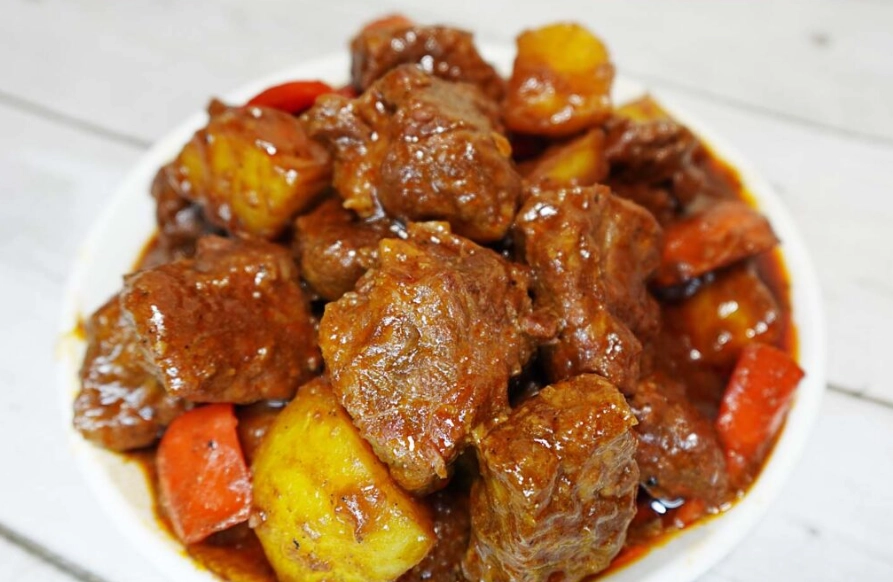
Let's talk about beef mechado. You've probably seen pictures of this rich, tomato-based Filipino stew with melt-in-your-mouth beef chunks, potatoes, and carrots. It looks simple enough. Throw everything in a pot, right? That's what I thought the first time I tried to make it, following a basic recipe online. The result? Chewy, tough beef floating in a thin, overly acidic sauce. A total disappointment. It took me several attempts, a conversation with my Lola (grandmother), and understanding the why behind each step to finally nail it. This isn't just another recipe list. This is the deep dive into the traditional method that turns a cheap, tough cut of beef into one of the most comforting dishes in Filipino cuisine.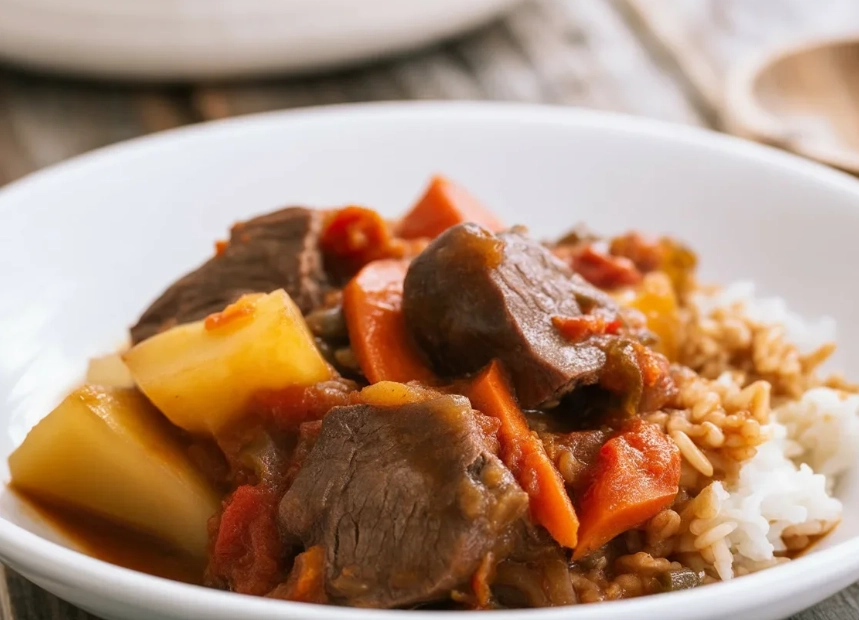
What You'll Find in This Guide
What Exactly Is Beef Mechado?
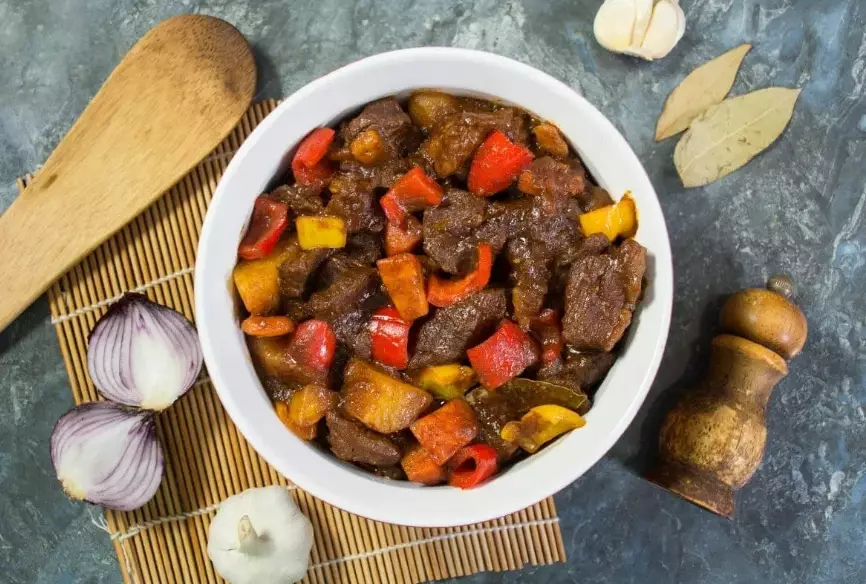
Mechado is a Spanish-influenced Filipino beef stew. The name comes from the Spanish word "mecha," meaning wick. Historically, a strip of pork fat (the "wick") was larded through a lean cut of beef to keep it moist during long cooking. Today, we achieve that tenderness through slow braising, but the name stuck. It's characterized by its savory, slightly sweet, and tangy tomato sauce, tender beef, and soft vegetables. It's a Sunday lunch staple, a fiesta centerpiece, and the definition of Filipino comfort food.
Most recipes get the flavor profile about right—tomato, soy sauce, citrus. But the texture of the beef? That's where they fail. The goal isn't just cooked beef; it's beef so tender you can cut it with the side of your fork, with connective tissue fully rendered into gelatin that thickens the sauce.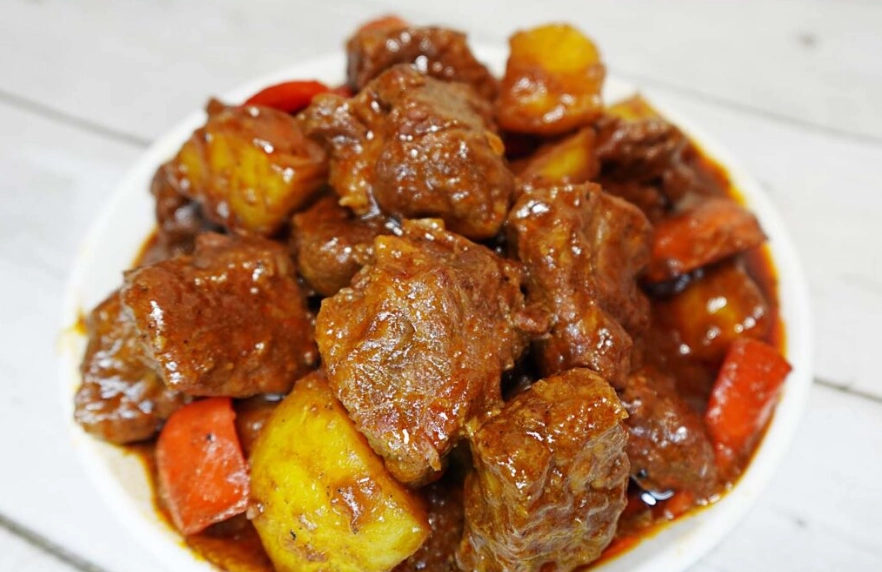
The Non-Negotiable Ingredients for Authentic Flavor
You can't build a great mechado with subpar parts. Here’s what you need and why each one matters.
| Ingredient | Purpose & Pro Tip |
|---|---|
| Beef Chuck or Brisket (2 lbs / 1 kg) | This is non-negotiable. You need a cut with marbling and connective tissue. Lean cuts like sirloin will become dry and tough. Chuck is ideal—it's affordable and becomes incredibly tender when braised. Cut into 1.5-inch cubes. |
| Tomato Sauce & Fresh Tomatoes | Most recipes use only canned sauce. For depth, use both. The canned sauce provides body and consistent tang, while sautéed fresh tomatoes (Roma are best) add a brighter, fruitier layer of flavor. |
| Soy Sauce & Fish Sauce (Patis) | Soy sauce adds saltiness and umami. A splash of Filipino fish sauce (like the ones from Datu Puti or Tiparos) is the secret umami bomb. Don't worry, it won't taste fishy. |
| Calamansi or Lemon Juice | The citrus is crucial. It tenderizes the beef slightly and cuts through the richness. Fresh calamansi juice is traditional, but lemon works perfectly. |
| Bay Leaves & Whole Peppercorns | These are your aromatic backbone. Use dried bay leaves (not fresh, they're too strong) and crack the peppercorns slightly in a mortar to release their oils. |
| Potatoes & Carrots | Starchy potatoes (like Russet) help thicken the sauce as they break down. Carrots add sweetness. Cut them large so they don't disintegrate. |
| Beef Broth or Water | Using a good-quality, low-sodium beef broth instead of water adds another layer of meaty flavor. If using water, you'll rely more on the soy and fish sauce. |
My Lola's Trick: She always added a tablespoon of banana ketchup (like Jufran) along with the tomato sauce. It sounds odd, but it adds a unique sweet-and-spicy complexity that's distinctly Filipino. Try it once—you might not go back.
The Step-by-Step Cooking Process (Where Most Go Wrong)
This is the heart of it. Rushing or skipping steps here is why people end up with tough beef.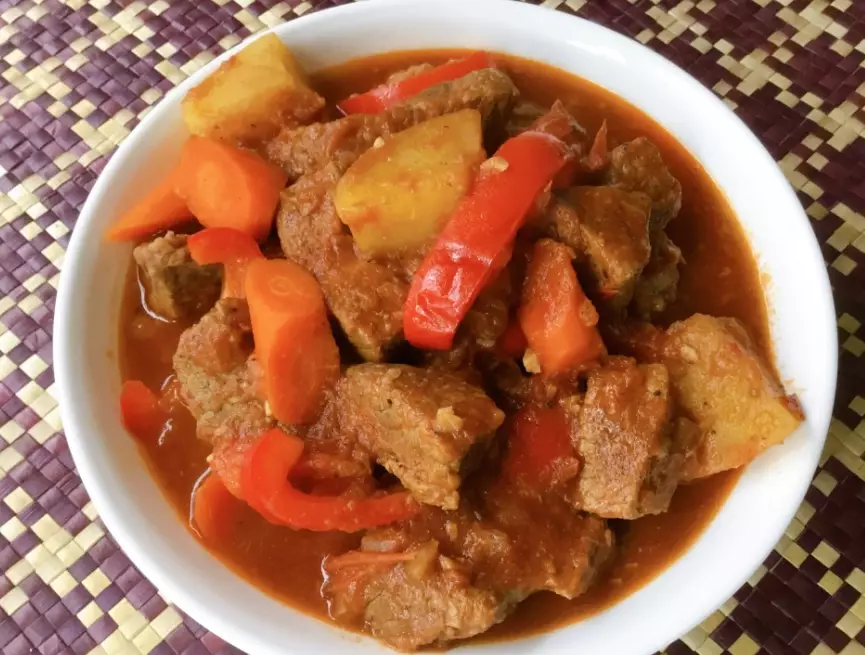
1. Browning the Beef: Don't Crowd the Pan
Pat the beef cubes very dry with paper towels. This is critical for browning, not steaming. Heat oil in a heavy-bottomed pot (like a Dutch oven) over medium-high heat. Add the beef in a single layer with space between each piece. Do this in batches. If you dump it all in, the pot temperature plummets, and the beef releases its juices, leading to a gray boil instead of a flavorful brown sear. This Maillard reaction creates foundational flavor you can't get later. Take your time here—5-7 minutes per batch, turning to brown all sides.
2. Building the Flavor Base (Sofrito)
Remove the beef. In the same pot, with all those lovely browned bits (fond), sauté onions until soft. Add garlic and cook just until fragrant—about 30 seconds. Burnt garlic is bitter. Then add your chopped fresh tomatoes. Cook them down until they break apart and the oil starts to separate from the mixture. This is a key sign in Filipino cooking that your flavor base is ready.
3. The Braise: Low and Slow is Law
Return the beef to the pot. Add the tomato sauce, soy sauce, fish sauce, citrus juice, bay leaves, peppercorns, and enough broth to just barely cover the meat. Bring to a boil, then immediately reduce to the lowest possible simmer. Cover tightly. This is not a rapid boil. You want gentle bubbles. Let it cook for 1.5 to 2 hours. Check after 90 minutes—the beef should be starting to yield when poked with a fork. Don't add the vegetables yet.
Here's the mistake: adding potatoes and carrots at the beginning. They'll turn to mush. You braise the beef alone first.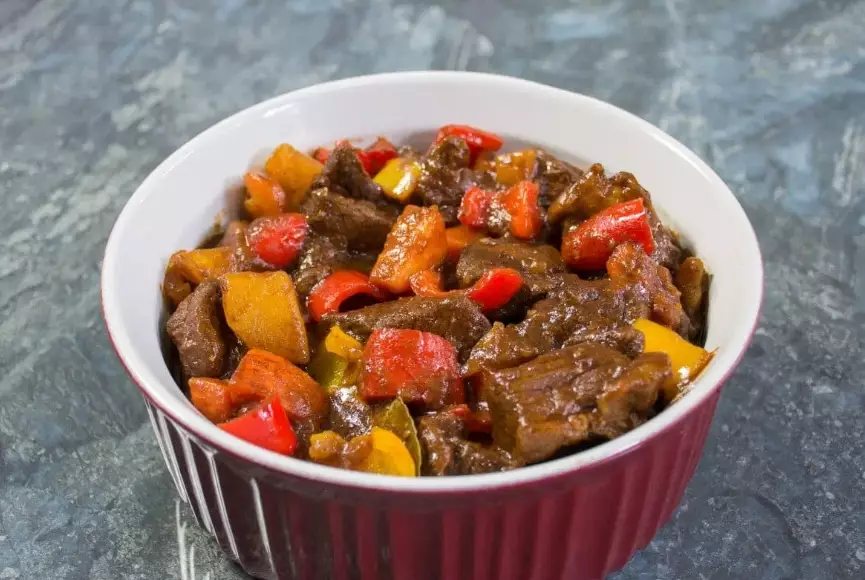
4. Adding Vegetables and Final Simmer
Once the beef is nearly fork-tender, add the potatoes and carrots. Submerge them in the sauce. Continue simmering, covered, for another 20-30 minutes until the vegetables are cooked through but not falling apart.
5. The Final Touch: Sauce Consistency
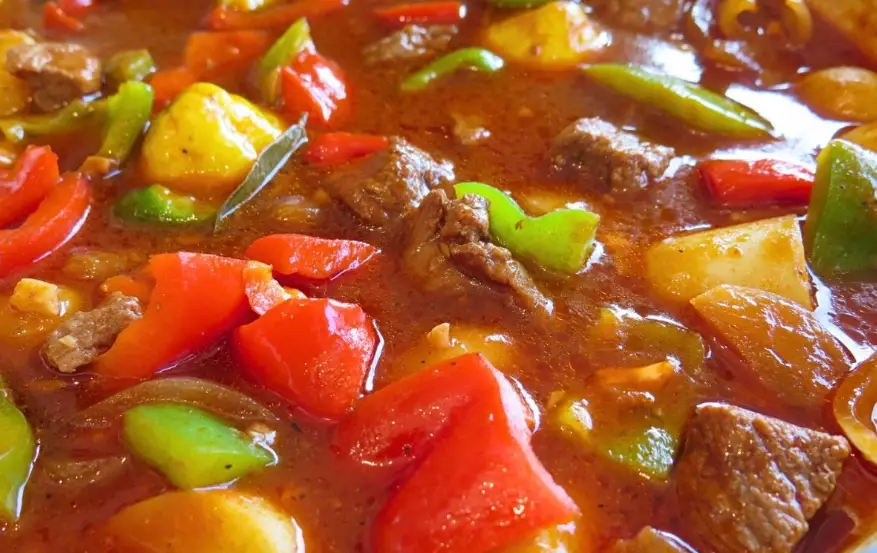
Uncover the pot. If the sauce is too thin, turn up the heat to medium and let it reduce for 5-10 minutes until it coats the back of a spoon. The natural gelatin from the beef and starch from the potatoes will have thickened it considerably. Give it a final taste. It should be balanced—savory, slightly sweet, tangy. Adjust with a pinch of sugar if too acidic, or a splash of soy/fish sauce if it needs more saltiness.
Expert Tips & Secrets You Won't Find Elsewhere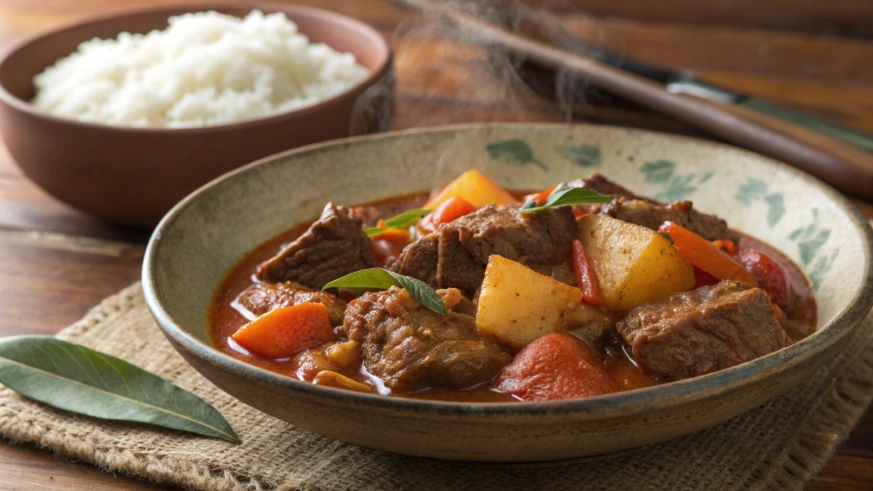
- Marinate for Depth (Optional but Great): For an extra layer, marinate the beef in the soy sauce, citrus juice, and a few cracks of pepper for 30 minutes to an hour in the fridge before browning. Use that marinade in the braising liquid.
- The "No-Peek" Rule: Once you've covered the pot for the long braise, resist the urge to stir or check every 20 minutes. Each time you lift the lid, you release steam and heat, extending the cooking time.
- Fat is Flavor: Don't be too quick to skim all the fat off the top before serving. A little orange-hued oil floating on the surface is where a lot of the tomato and meat flavor resides. Just remove any excessive, greasy-looking pools.
- Better the Next Day: Mechado, like most stews, tastes even better the next day after the flavors have married. Cook it a day ahead for a special occasion.
How to Serve & Store Your Mechado
Serve it steaming hot over a mountain of white rice. The rice is essential for soaking up that incredible sauce. A side of pickled green papaya (atchara) provides a perfect crunchy, vinegary contrast to cut the stew's richness.
Store leftovers in an airtight container in the fridge for up to 4 days. The flavors continue to develop. Reheat gently on the stovetop with a splash of water or broth to loosen the sauce. It also freezes beautifully for up to 3 months. Thaw overnight in the fridge before reheating.
Answering Your Mechado Questions
My mechado beef is still tough even after 2 hours of cooking. What happened?
Two likely culprits. First, the cut of beef. If you used a lean cut like round or sirloin, it will never become tender through braising—it lacks collagen. Go back to chuck or brisket. Second, your simmer was too aggressive. A rolling boil will toughen protein fibers. It must be the gentlest simmer, with just a few bubbles breaking the surface. If it's still tough but you used the right cut, just keep it on that low heat. It can sometimes take 2.5 hours. The beef will eventually surrender.
Can I make beef mechado in a pressure cooker or Instant Pot to save time?
Absolutely, and it's a great modern adaptation. Follow the same steps: use the Sauté function to brown the beef and build the sofrito. Then add all liquid ingredients and seasonings (but NOT the potatoes and carrots). Pressure cook on High for 35-40 minutes. Let the pressure release naturally for 10-15 minutes. Open, switch back to Sauté, add the vegetables, and simmer uncovered until they're tender, about 10 minutes. The texture is excellent, though some purists argue the flavor depth from a 2-hour stovetop braise is slightly superior.
 My sauce tastes too tangy or acidic from the tomatoes. How can I fix it?
This is common, especially with certain brands of tomato sauce. The fix isn't just more sugar. First, ensure you cooked your fresh tomato sofrito until the oil separated—this mellows their acidity. Then, balance with a tiny pinch of baking soda (literally 1/8 tsp). It will fizz as it neutralizes acid. Stir it in and taste. Alternatively, add a teaspoon of brown sugar or a splash of the banana ketchup I mentioned earlier. The goal is balance, not sweetness.
Is there a way to thicken the sauce if it's too runny at the end?
If reducing it uncovered doesn't do the trick, make a quick slurry. Mix 1 tablespoon of cornstarch or potato starch with 2 tablespoons of cold water until smooth. Stir this into the simmering stew and cook for 1-2 minutes until thickened. Potato starch gives a glossier finish. But honestly, if you used starchy potatoes and braised the beef properly, you shouldn't need this. A runny sauce often means the braise wasn't long enough for the beef collagen to fully release.
What's the difference between mechado, kaldereta, and afritada?
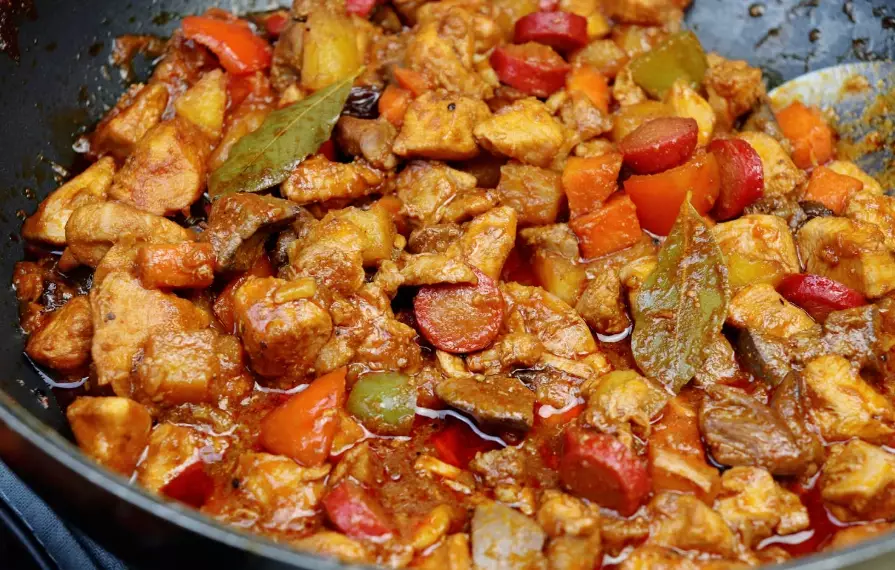
They're all tomato-based Filipino stews and can be confusing. Mechado is primarily beef, with soy and citrus as key flavor agents. Kaldereta often uses goat or beef, includes liver spread or cheese for a richer, thicker sauce, and has a spicier profile from chili peppers. Afritada is typically made with chicken or pork, uses bell peppers and peas, and doesn't usually have soy sauce, resulting in a lighter, more tomato-forward taste. The cooking methods are similar, but the flavor profiles are distinct.
 There you have it. More than just a recipe, it's the logic behind a classic. It takes time, but most of it is hands-off. The reward is a pot of something deeply satisfying, a taste of tradition, and the knowledge that you can turn an inexpensive cut of beef into a masterpiece. Give it a try this weekend. Your kitchen will smell incredible.