My first attempt at a bao recipe was a disaster. The buns came out dense, pale little hockey pucks. The filling was dry. It tasted nothing like the pillowy, fragrant parcels of joy I'd get from my favorite street food stall. That failure, though, sent me down a rabbit hole. I talked to cooks, tested flours, and ruined more batches than I care to admit. Now? I can make bao buns at home that my friends swear are better than takeout. This isn't just a recipe; it's the collected wisdom from all those mistakes, so you don't have to make them.
We're focusing on the classic braised pork belly bao (gua bao), because mastering this gives you the two core skills: the perfect steamed bun and a deeply flavorful, tender filling. Once you've got these down, the world of bao is yours.
What’s Inside This Guide?
The Perfect Bao Bun Dough: A Step-by-Step Guide
Let's get the foundation right. A great bao bun is cloud-like, slightly sweet, and sturdy enough to hold a juicy filling without falling apart. The texture is everything.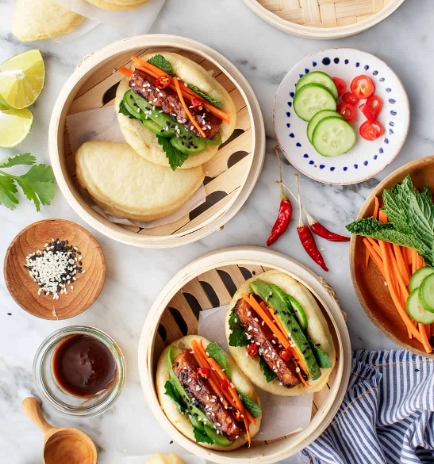
You don't need special flour, but the type matters. All-purpose flour (around 10-12% protein) is perfect. Bread flour (high protein) makes the buns too chewy, and cake flour (low protein) makes them too fragile. Some Asian markets sell "bao flour," which is ideal, but AP works brilliantly.
? The Flour Truth:
I tested King Arthur All-Purpose (11.7% protein) and a generic store brand (10%). Both worked, but the higher protein gave a slightly more satisfying chew. Don't stress—just grab what you have.
Here's the basic ratio I've settled on after countless tests. It's simple to remember:
- 2 cups (250g) all-purpose flour
- 1 tsp (4g) instant yeast (not active dry—it saves a step)
- 1 tbsp (12g) sugar (feeds the yeast and adds a hint of sweetness)
- 1/2 tsp (3g) baking powder (the secret for extra fluffiness)
- 1/2 cup + 2 tbsp (150ml) warm water (around 105°F/40°C—wrist temperature)
- 1 tbsp (15ml) neutral oil (like vegetable or avocado)
Mix the dry stuff first. Make a well, pour in the warm water and oil. Stir with a fork until it shaggy, then use your hands. Knead on a lightly floured surface for 8-10 minutes. You're not aiming for bread-dough elasticity. Stop when it's smooth, tacky but not sticky, and forms a soft ball.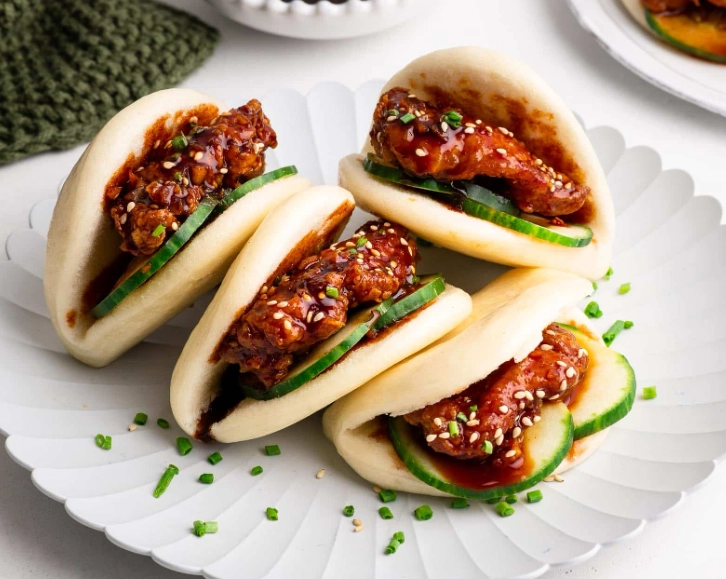
Place it in a lightly oiled bowl, cover with a damp cloth, and let it rise in a warm spot. This takes about 1 to 1.5 hours. It should just about double. Don't let it triple—over-proofing leads to a sour taste and weak structure.
Shaping and Steaming the Buns
Punch the dough down. Divide it into 8 equal pieces (about 50g each). This is the size for a good handheld bao.
Now, roll each piece into a ball. Then, with a rolling pin, roll it into a 4-inch oval that's thicker in the center and thinner at the edges. This shape helps it fold over a filling without a bulky seam.
Place each shaped bun on a small square of parchment paper. This is non-negotiable unless you want steamed buns glued to your steamer. Let them proof again for 20-30 minutes. They'll look puffy.
Get your water boiling. Steam over vigorously boiling water for 10 minutes. Then, and this is critical: turn off the heat and let them sit in the steamer for 2 more minutes with the lid on. If you open the lid immediately, the sudden temperature drop can cause them to collapse and wrinkle.
How to Braise Pork Belly for Bao
While the dough rises, start the filling. You want pork belly with a good fat-to-meat ratio. Ask your butcher for a slab, or look for a 1.5 lb piece with distinct layers.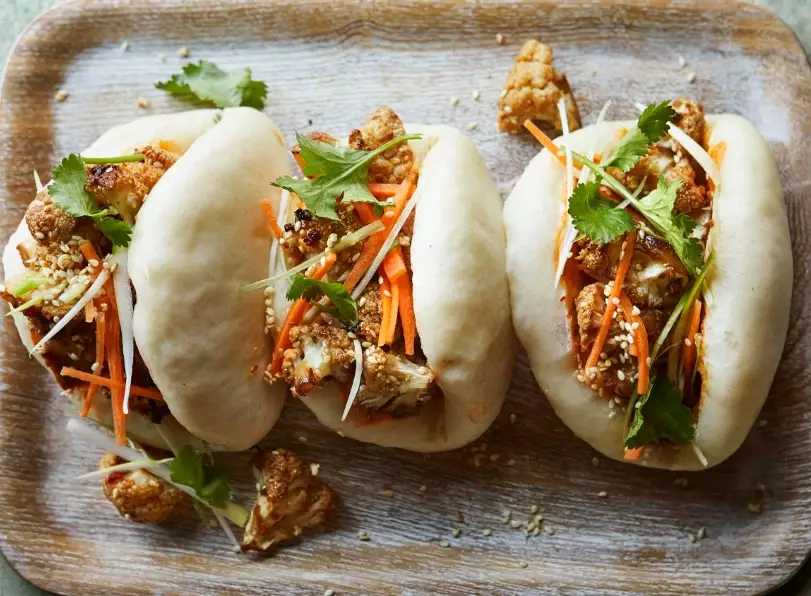
The process is simple but requires patience. Low and slow is the only way to transform tough collagen into unctuous, melt-in-your-mouth gelatin.
Step 1: The Sear. Pat the belly dry. Cut it into 1.5-inch cubes. Don't trim too much fat—that's the flavor. Heat a tablespoon of oil in a heavy pot (Dutch oven is perfect) over medium-high. Sear the pieces on all sides until golden brown. Do this in batches to avoid crowding. This isn't just for color; it builds a flavor base called fond in the pot.
Step 2: The Aromatics. Remove the pork. In the same pot, add 3 sliced garlic cloves, 3 thick slices of ginger, and 2 chopped green onions (white parts). Stir for a minute until fragrant.
Step 3: The Braising Liquid. This is the soul of the dish. Add back the pork. Pour in:
- 1/2 cup soy sauce (I use a mix of light and dark for complexity)
- 1/4 cup Chinese Shaoxing cooking wine (or dry sherry in a pinch)
- 2 tbsp brown sugar or rock sugar
- 1 star anise
- 1 cup water or low-sodium chicken stock
Bring it to a boil, then immediately reduce to the gentlest simmer. Cover with the lid slightly ajar. Let it bubble lazily for 1.5 to 2 hours. Check at 1.5 hours—the pork should yield to a fork with no resistance. If not, give it more time.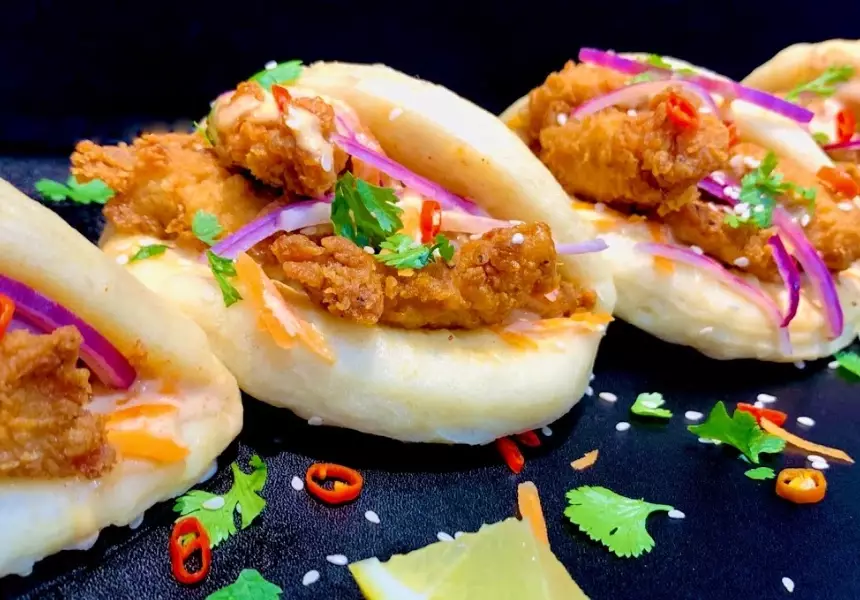
Step 4: The Glaze. Once tender, remove the pork. Turn the heat up to medium and reduce the braising liquid by half until it's a glossy, syrupy sauce. Toss the pork back in to coat.
How to Assemble and Serve Your Homemade Bao
You've got the components. Now, the fun part. Slice some cucumber into matchsticks, chop some cilantro, and have some crushed roasted peanuts ready. These aren't garnishes; they're essential for texture and freshness against the rich pork.
Take a steamed bun. Gently open the pocket (if you didn't fold it before steaming, just slice it 3/4 of the way through). Add a piece of glazed pork belly, a few cucumber sticks, a cilantro sprig, and a sprinkle of peanuts. Drizzle a tiny bit of the reduced braising sauce over the top.
That's it. The first bite is the reward—soft, warm bun, savory-sweet pork, crunchy cucumber, and fragrant herbs.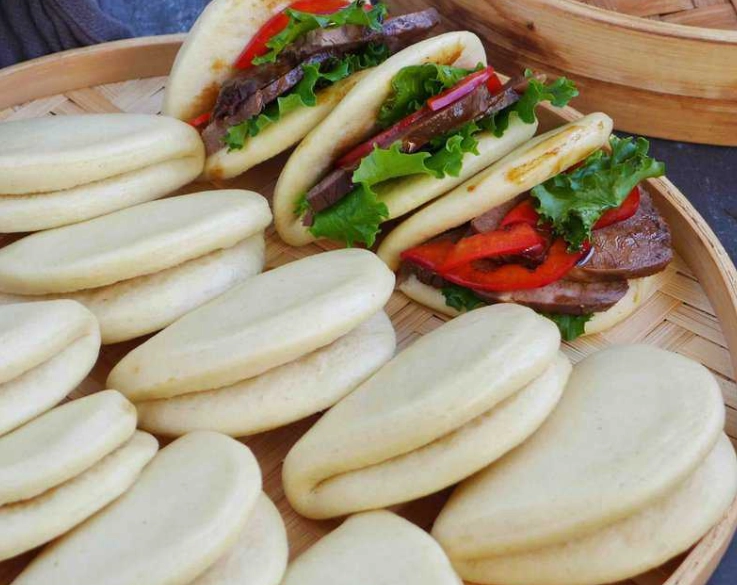
What Are Common Bao Recipe Mistakes and How to Fix Them?
Let's troubleshoot based on my own blunders.
| Problem | Likely Cause | The Fix |
|---|---|---|
| Buns are dense and heavy | Over-kneading, wrong flour (bread flour), or dead yeast. | Knead just until smooth. Use AP flour. Test yeast in warm water with a pinch of sugar—it should foam in 5 mins. |
| Buns collapse after steaming | Over-proofing or opening the steamer lid too fast. | First rise: double in size, not triple. After steaming, let buns sit for 2 mins with heat off/lid on. |
| Pork belly is tough/chewy | Not braising long enough or at too high a temp. | Simmer, don't boil. It needs 1.5-2 hrs minimum. Be patient—the collagen will break down. |
| Dough is too sticky to handle | Too much water or humid environment. | Add flour 1 tbsp at a time while kneading until it's just tacky. Dough hydration can vary. |
Your Bao Recipe Questions, Answered
Why are my bao buns too dense and not fluffy?
The most common culprit is over-kneading or using the wrong flour. You need a medium-protein flour like all-purpose or bao flour (around 10-12% protein). Bread flour creates too much gluten, leading to chewiness, while cake flour lacks structure. Knead just until smooth and tacky, not rock-hard. Also, ensure your yeast is fresh and you give the dough enough time for the first rise in a warm, draft-free spot.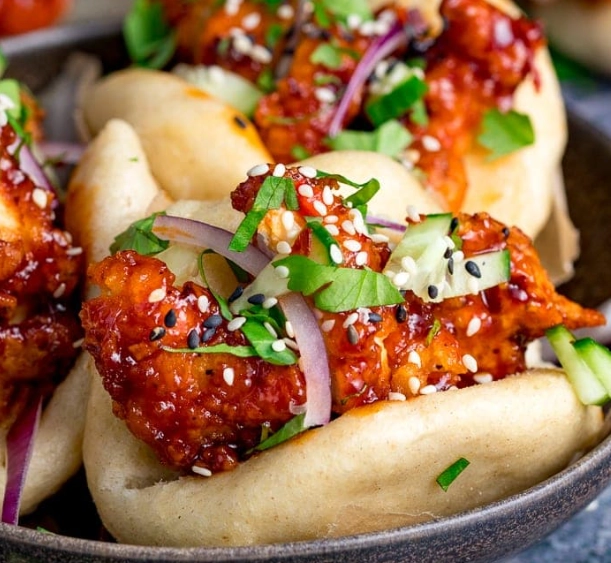
Can I make bao bun dough ahead of time and freeze it?
Absolutely, and it's a great time-saver. After the first rise and portioning the dough into balls, you can freeze them on a tray. Once solid, transfer to a bag. Thaw overnight in the fridge, then let them come to room temperature and proof (rise a second time) before steaming. The texture holds up remarkably well. You can also freeze the fully steamed and cooled buns; re-steam for 5-7 minutes from frozen.
My braised pork belly is tough, not tender. What went wrong?
Tough pork belly almost always means it wasn't cooked long enough at a low enough temperature. The collagen needs time to break down into gelatin. After the initial sear, the simmer must be gentle—just a few lazy bubbles. A heavy pot with a tight lid is key. If after 1.5 hours it's not fork-tender, give it another 20-30 minutes. Rushing this step is the main mistake.
What's a good vegetarian filling alternative for bao?
Braised king oyster mushrooms are fantastic. Tear them into shreds to mimic meat texture, then braise in a similar soy-based sauce. Pan-fried firm tofu cubes with hoisin glaze, or a mix of stir-fried shiitake mushrooms, cabbage, and glass noodles (a version called 'vegetarian gua bao') also work beautifully. The key is creating a filling with contrasting texture and a savory, slightly sweet sauce that clings to the bun.
Making bao at home is a project, but it's deeply satisfying. It turns a weeknight into something special. You control the quality, the seasoning, everything. Start with this bao recipe, get a feel for the dough and the braise, and soon you'll be improvising your own fillings. That's when the real fun begins.