Quick Navigation
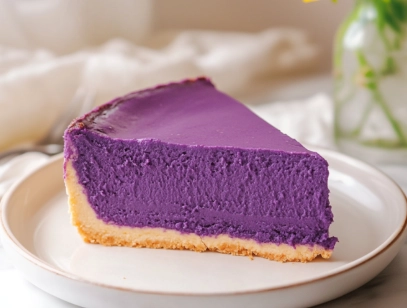
Ube cheesecake has taken the dessert world by storm, and for good reason. This vibrant purple treat combines the creamy richness of classic cheesecake with the unique, slightly sweet flavor of ube (purple yam). If you've been searching for a reliable ube cheesecake recipe, you're in the right place. I've been baking this dessert for years, and in this guide, I'll share everything you need to know to make it perfectly at home. We'll dive into the ingredients, walk through the steps, and tackle common pitfalls—so you can impress your friends with a show-stopping dessert.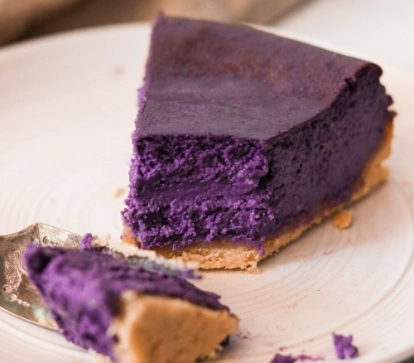
What is Ube and Why It's Perfect for Cheesecake
Ube, also known as purple yam, is a staple in Filipino cuisine. It's not just about the color—though that deep violet hue is stunning—but the flavor is subtly sweet and nutty, almost like a cross between vanilla and pistachio. When I first tried ube cheesecake at a local bakery, I was hooked. The creaminess of cheesecake pairs beautifully with ube's earthy notes, creating a dessert that's both familiar and exotic.
You might wonder why ube works so well in cheesecake. It's because ube puree adds moisture and a smooth texture without overpowering the dish. According to the Philippine Department of Agriculture, ube is rich in antioxidants, which is a bonus, but let's be real: we're here for the taste. I've found that using high-quality ube makes all the difference. Some store-bought ube flavorings can taste artificial, so I always opt for fresh or frozen puree when possible.
Essential Ingredients for Ube Cheesecake
Before you start, gather your ingredients. Here's what you'll need for a standard 9-inch cheesecake. I like to organize everything on the counter to avoid mid-recipe scrambles.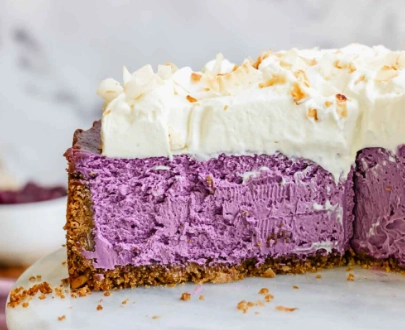
The Ube Component: Puree vs. Powder
This is the heart of your ube cheesecake recipe. You have two main options: ube puree or ube powder. Fresh ube puree, made by boiling and mashing purple yams, gives the richest flavor and color. But it's more work. Frozen puree is a great compromise—look for brands like PhilFoods or Ube King in Asian markets. Ube powder is convenient but can be tricky; it often requires rehydrating and might not deliver the same vibrancy. From my experience, if you use powder, mix it with a bit of milk or cream to form a paste first.
Cream Cheese and Other Dairy
Use full-fat cream cheese, softened to room temperature. Low-fat versions can lead to a grainy texture. I prefer Philadelphia cream cheese for its consistency. You'll also need sour cream or heavy cream for added creaminess, and eggs to bind everything. Don't skimp on quality here—it affects the final mouthfeel.
For the crust, graham crackers are classic, but you can use digestive biscuits or even gluten-free alternatives. Melted butter binds it together. Some recipes add sugar, but I find the ube filling sweet enough, so I often omit it.
Step-by-Step Ube Cheesecake Recipe
Now, let's get into the nitty-gritty. This ube cheesecake recipe is broken down into manageable parts. Follow along, and don't rush—cheesecake rewards patience.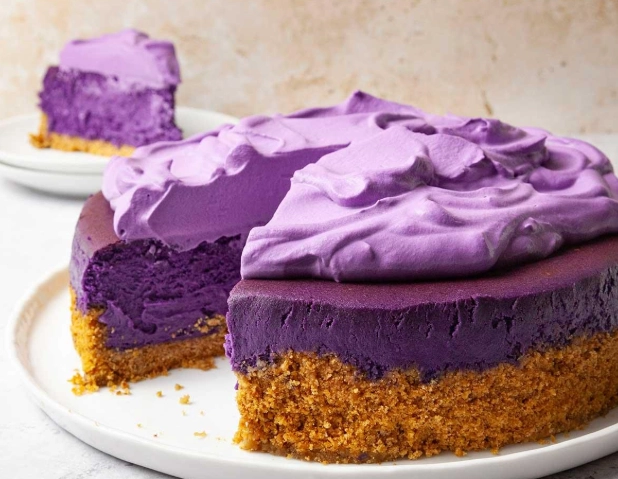
Preparing the Crust
Start by preheating your oven to 325°F (160°C). Crush about 1.5 cups of graham crackers into fine crumbs. I use a food processor, but a zip-top bag and rolling pin work too. Mix the crumbs with 5-6 tablespoons of melted butter until it resembles wet sand. Press this mixture firmly into the bottom of a springform pan. Use a flat-bottomed cup to even it out. Bake for 10 minutes, then let it cool while you make the filling. This step sets the foundation, so make sure it's compact to avoid crumbling later.
Making the Ube Cheesecake Filling
In a large bowl, beat 24 ounces of softened cream cheese until smooth. Add 1 cup of sugar gradually, then 1 cup of ube puree. If you're using ube powder, mix 1/2 cup powder with 1/2 cup warm milk first. Incorporate 3 eggs, one at a time, mixing just until combined. Overbeating introduces too much air, which can cause cracks. Stir in 1 cup of sour cream and 1 teaspoon of vanilla extract. The batter should be velvety and uniformly purple. Pour it over the cooled crust.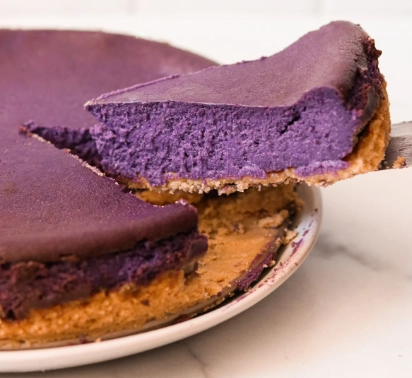
Baking and Chilling
Place the springform pan in a larger baking dish and fill the dish with hot water halfway up the sides—this water bath prevents cracking. Bake for 50-60 minutes until the edges are set but the center still jiggles slightly. Turn off the oven, crack the door open, and let the cheesecake cool inside for an hour. Then refrigerate for at least 4 hours, preferably overnight. I know it's tempting to cut into it early, but chilling firms it up and enhances the flavor.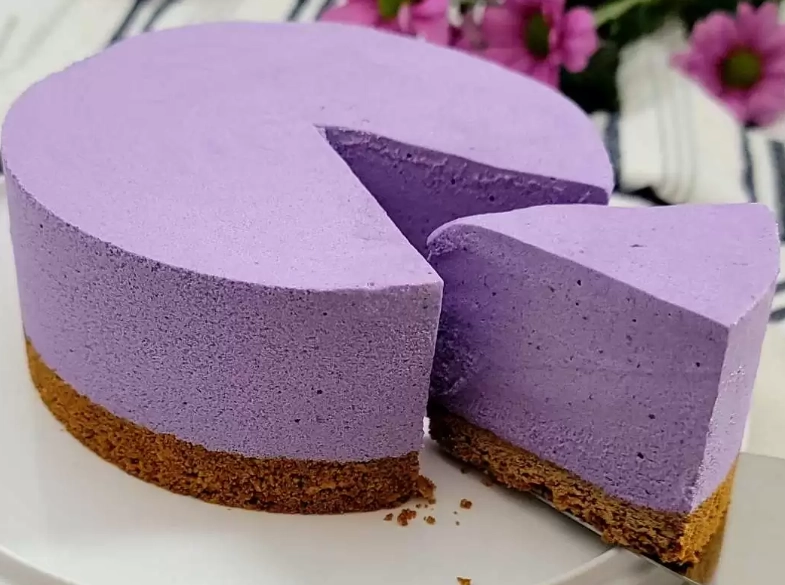
Expert Tips for the Perfect Ube Cheesecake
After making dozens of ube cheesecakes, I've picked up a few tricks. First, always use room temperature ingredients. Cold cream cheese won't blend smoothly, leading to lumps. Second, don't overmix the batter—once the eggs are in, stop. A stand mixer on low speed is your friend here.
Another tip: if your ube puree is watery, strain it through cheesecloth to remove excess moisture. Too much liquid can make the cheesecake soggy. I learned this the hard way when my first attempt turned out a bit mushy. Also, for a deeper purple color, add a drop of violet food gel, but be cautious; natural ube color is part of the charm.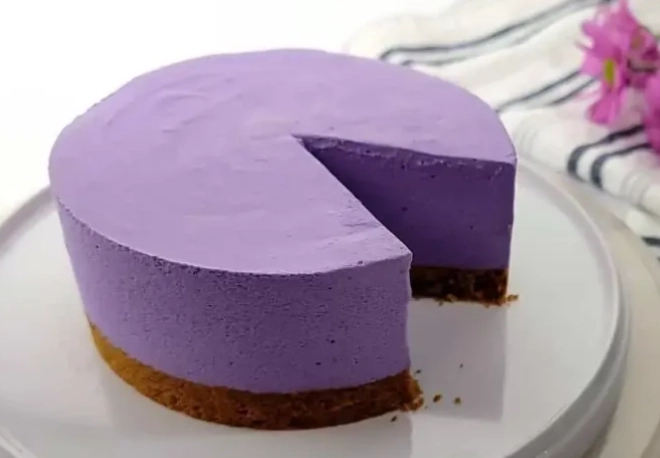
Common Mistakes to Avoid
New bakers often make these errors. Skipping the water bath is a big one—it's tedious, but it ensures even baking and prevents cracks. I once tried baking without it, and the cheesecake developed a huge fissure down the middle. Not pretty.
Using artificial ube flavoring excessively can ruin the taste. Start with less and adjust. Also, avoid opening the oven door during baking; temperature fluctuations cause sinking. And when chilling, cover the cheesecake with plastic wrap to prevent fridge odors from seeping in.