Let's be honest. You've probably walked past bavette steak in the butcher's case a dozen times. It looks a bit rough, the grain is obvious, and it's sitting there next to the pristine ribeyes at half the price. I did the same thing for years, thinking it was just a "cheap cut" for braising. Then I worked a stint in a French bistro where bavette was the secret star of the menu. We sold out every night. The trick isn't magic—it's understanding that bavette (also called flank steak or flap meat) isn't a substitute for a tenderloin. It's its own glorious thing, packed with beefy flavor that expensive steaks often lack, if you treat it right. Most home cooks get it wrong by just throwing it on the grill. That's a one-way ticket to a tough, chewy disaster. This guide is about getting it right, every single time.
What You'll Learn In This Guide
What Exactly Is Bavette Steak?
Bavette comes from the cow's lower chest or belly area—a muscle that works hard. That means it's lean, full of deep flavor, and has a distinct, coarse grain. Think of it as the beef equivalent of a flavor-packed, rustic artisan bread compared to soft white sandwich loaf. In the US, you'll mostly find it labeled as flank steak. In some butcher shops, you might see "flap meat" or the French term "bavette." It's all the same cut. Its superpower is soaking up marinades and delivering a seriously beefy punch. Its weakness? Without proper prep, it can be unforgivingly tough.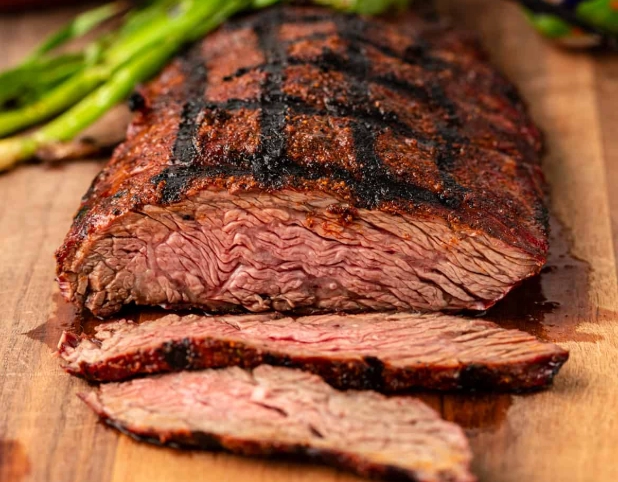
The Non-Negotiable Marinade (And Why It Works)
You can skip the marinade with a ribeye. With bavette, you're basically committing culinary sabotage. The marinade does two jobs: it adds flavor and starts tenderizing the meat by breaking down some of the tough muscle fibers. An acidic component is key, but balance is everything. Too much acid for too long, and you'll get a mushy, grey, cured-tasting exterior.
Here's my go-to, all-purpose bavette steak marinade. It's based on what I used in that bistro, scaled down for home. Whisk it all together in a bowl or a large zip-top bag.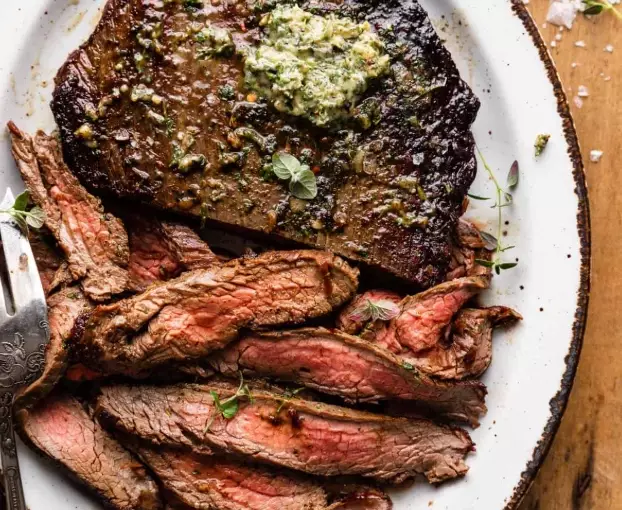
- 1/3 cup soy sauce (or tamari for gluten-free) – for salt and umami depth.
- 1/4 cup extra virgin olive oil – carries flavor and helps with browning.
- 2 tablespoons fresh lime juice or red wine vinegar – the acid. Lime is brighter, vinegar is richer.
- 2-3 cloves garlic, minced – non-negotiable.
- 1 tablespoon Dijon mustard – acts as an emulsifier and adds a subtle sharpness.
- 1 tablespoon brown sugar or honey – balances acid and promotes caramelization.
- 1 teaspoon freshly ground black pepper.
- Optional but great: A few sprigs of fresh thyme or rosemary, or 1 teaspoon smoked paprika.
Place your bavette steak in the marinade, ensuring it's fully coated. Seal the bag or cover the dish. Now, the timing.
>Maximum tenderizing. Good if you're planning ahead. The flavor will be more pronounced. Don't exceed 8 hours with this acidic marinade, or the exterior can get mealy.>Not recommended. The acid will over-tenderize the outer layer, leaving you with a mushy crust and an under-seasoned interior. Save the overnight soak for less acidic, enzyme-based marinades (like with pineapple or kiwi, but use those with extreme caution).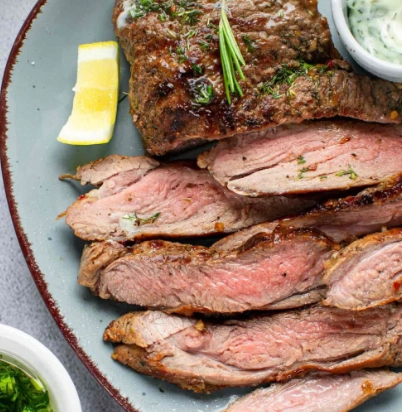
| Marinating Time | Effect & Recommendation |
|---|---|
| 30 minutes to 2 hours (at room temp) | Best for flavor infusion. This is my preferred window. It gets enough flavor into the meat without the acid starting to negatively affect the texture. Perfect for a weeknight. |
| 2 to 8 hours (in the fridge) | |
| Overnight (12+ hours) |
One more critical step: take the steak out of the fridge at least 30 minutes before cooking. Pat it bone-dry with paper towels. A wet steak steams instead of sears. This is the single most common mistake I see. That beautiful brown crust? It starts with a dry surface.
How to Cook Bavette Steak: Grill, Pan, or Broiler
High heat and fast cooking are the rules. Bavette is best served medium-rare to medium. Go past medium, and you're chewing leather. Aim for an internal temperature of 130-135°F (54-57°C) for medium-rare. It will carry over to about 140°F (60°C) while resting. Use an instant-read thermometer. Guessing doesn't work here.
In a Cast Iron Skillet (My Favorite Method)
This gives you insane crust control. Heat a heavy cast-iron or stainless-steel skillet over high heat for a good 5 minutes until it's seriously hot. Add a high-smoke-point oil (avocado, grapeseed) just before adding the steak. Lay the steak down away from you—it should sizzle violently. Don't touch it for 3-4 minutes to build that crust. Flip, cook for another 3-4 minutes. For a 1.5-inch thick steak, this usually gets you there. If you want, add a couple tablespoons of butter, a few garlic cloves, and some thyme to the pan in the last minute, tilt the pan, and baste the steak with the foaming butter. Restaurant trick, right there.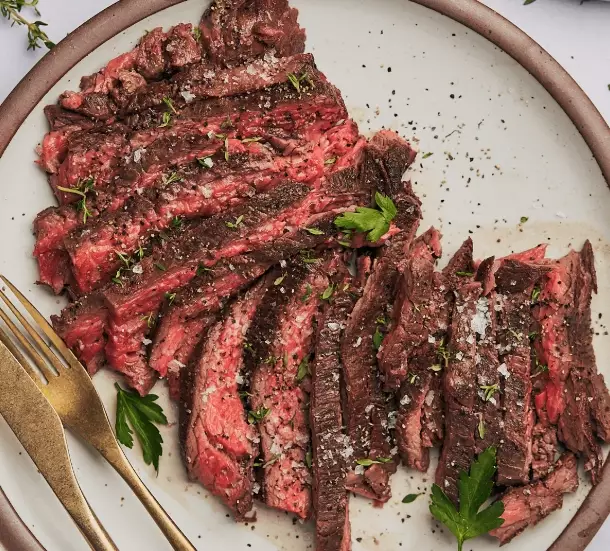
On the Grill
Get those coces white-hot or your gas grill screaming hot. Clean and oil the grates well. Grill over direct heat for about 4-5 minutes per side, with the lid open. Don't keep flipping it. Let it develop grill marks. If flare-ups happen, move it to a cooler part of the grill briefly. A little char is good, but you're not incinerating it.
Under the Broiler
Great for no-fuss cooking. Place an oven rack 3-4 inches from the broiler element. Preheat the broiler for 10 minutes with a sheet pan inside to get it hot. Place the dried steak on the hot pan. Broil for 5-7 minutes per side, watching carefully to avoid burning.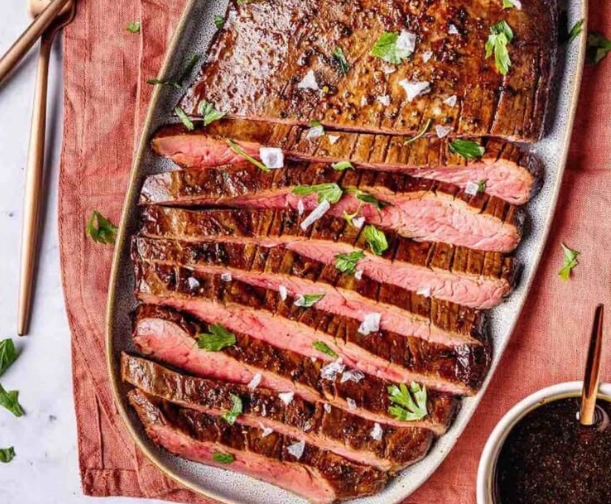
The Final, Critical Step: Slicing and Serving
This is where you can ruin everything you've done right so far. See those long lines running across the steak? That's the grain. Your enemy. Cutting with the grain means you're serving long, tough muscle fibers that are hard to chew.
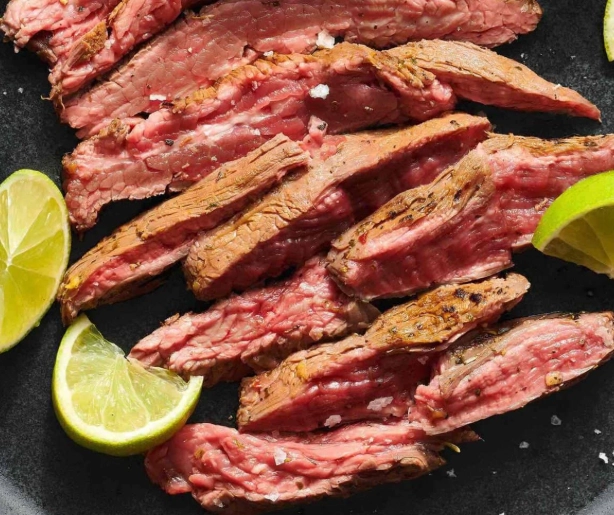
You must slice against the grain. Turn the rested steak 90 degrees. Slice it thinly, at a slight angle, into strips no thicker than 1/4 to 1/2 inch. This cuts those long fibers short, making each piece tender and easy to eat. It's the difference between a satisfying bite and a jaw workout.
Serve it simply. Pile the slices on a platter, drizzle with any accumulated board juices, and maybe a final sprinkle of flaky sea salt. It's perfect with a sharp arugula salad, crispy roasted potatoes, or piled into warm tortillas with some salsa and cilantro for incredible steak tacos.