Cauliflower curry is more than just a meatless Monday option. When done right, it's a deeply satisfying, flavor-packed meal that stands on its own. I've made countless versions over the years, from quick stovetop throws to slow-simmered pots. The recipe I'm sharing here is the one I keep coming back to—it's the perfect balance of creamy, spicy, and hearty, with a texture that makes you forget you're eating a vegetable.
Too many recipes end up with mushy cauliflower floating in a bland sauce. The secret isn't a longer ingredient list; it's in the technique. Roasting the cauliflower first, blooming your spices properly, and choosing the right liquid base make all the difference. This guide will walk you through each step, explain why they matter, and give you the confidence to make a cauliflower curry that could easily become a weekly staple.
What You'll Find Inside
Why This Cauliflower Curry Recipe Actually Works
Most online recipes get one thing wrong: they treat cauliflower like a passive ingredient. They throw it into the sauce raw and let it steam into a soggy mess. Here's the thing—cauliflower needs its own moment. By roasting it first at a high heat, you achieve two goals. You drive off excess moisture, which is the enemy of texture. And you create caramelization, those little browned bits that add a nutty, complex flavor no amount of simmering can produce.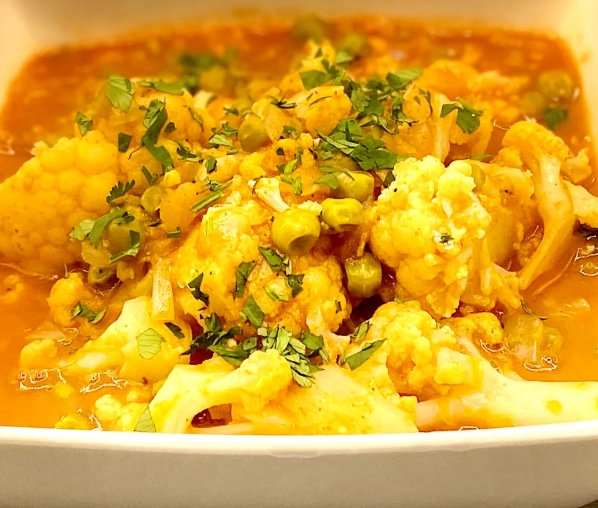
The second key is building the sauce in layers. You don't just dump curry powder into coconut milk. You start by frying whole spices like cumin and mustard seeds in oil until they pop. This "blooms" their oils and unlocks a fragrance that permeates the entire dish. Then you cook down your onions, ginger, and garlic until they're deeply golden, almost forming a paste. This base, called a "bhuna," is the soul of a good curry. It takes an extra ten minutes, but it's the difference between a flat sauce and one with real depth.
Finally, we use a combination of liquid. A bit of crushed tomatoes adds acidity and body, while full-fat coconut milk brings the creaminess. Using only coconut milk can make the curry too rich and one-dimensional. The tomato cuts through that, creating a more balanced and interesting flavor profile.
Ingredients Breakdown: What You Need & Why
Let's get specific. Here's everything you'll need, organized by function. Don't be intimidated by the list—many are pantry staples, and the process is straightforward.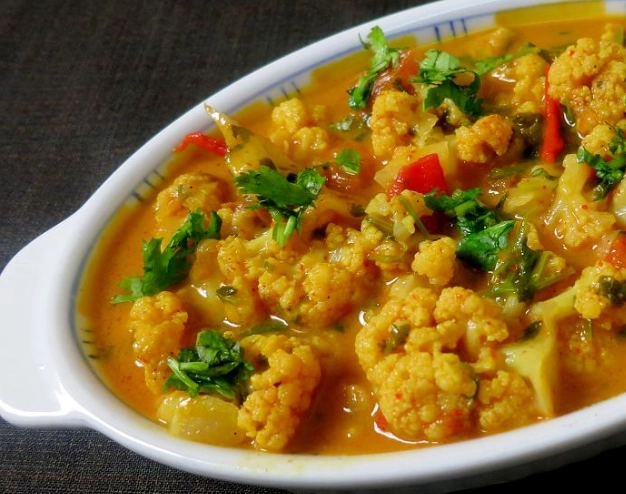
| Ingredient | Quantity | Purpose & Notes |
|---|---|---|
| Cauliflower | 1 large head (about 2 lbs) | The star. Cut into even florets for consistent roasting. |
| Neutral Oil (avocado, grapeseed) | 3 tbsp, divided | For roasting and frying. High smoke point is key. |
| Yellow Onion | 1 large, finely diced | Sweetness and foundational flavor. Dice finely for a smoother sauce. |
| Fresh Ginger & Garlic | 1 tbsp each, minced | Use fresh. Paste in a jar lacks punch. This is non-negotiable for aroma. |
| Whole Spices: Cumin & Mustard Seeds | 1 tsp each | Toasted in oil first. They provide the first layer of spice complexity. |
| Ground Spices: Turmeric, Coriander, Garam Masala | 1 tsp turmeric, 2 tsp each coriander & garam masala | Add after onions are cooked. Frying them briefly removes any raw taste. |
| Crushed Tomatoes | 1 cup (about 1/2 a 15oz can) | Adds body and tang. Use canned for consistency. |
| Full-Fat Coconut Milk | 1 can (13.5 oz) | For creaminess. Shake the can well before opening. |
| Vegetable Broth | 1/2 to 1 cup | To adjust consistency. Low-sodium lets you control salt. |
| Fresh Cilantro & Lemon Juice | For garnish | The finish. Brightens everything up. Don't skip the lemon. |
A quick note on garam masala: it's a blend, and brands vary wildly. Some are sweet and mild, others are hot and pungent. I prefer a brand like Rani or Everest for their balanced heat. Taste yours before you use it—if it's very strong, start with 1 teaspoon and add more at the end.
Step-by-Step Guide to Perfect Curry
This isn't a dump-and-stir recipe. Follow the sequence for the best results.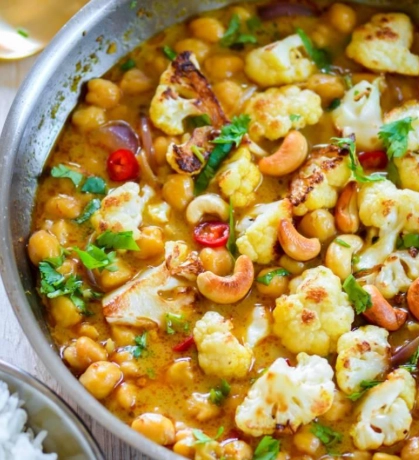
1. Roast the Cauliflower (The Game Changer)
Preheat your oven to 425°F (220°C). Toss the cauliflower florets with 1.5 tablespoons of oil, 1/2 teaspoon of salt, and a pinch of black pepper. Spread them out on a parchment-lined baking sheet in a single layer. Crowding steams them. Roast for 20-25 minutes until the edges are caramelized and the stems are just tender when pierced. You want a bit of bite left, as it will simmer in the sauce later. This step alone prevents a mushy curry.
2. Build the Flavor Base (The "Bhuna")
While the cauliflower roasts, heat the remaining 1.5 tablespoons of oil in a large, heavy-bottomed pot or Dutch oven over medium heat. Add the cumin and mustard seeds. Wait for the mustard seeds to start popping—this takes about 60 seconds. Immediately add the diced onion. Cook, stirring frequently, for 8-10 minutes. You're looking for a deep golden brown color, not just translucent. This is where patience pays off. Add the ginger and garlic and cook for another 2 minutes until fragrant.
3. Bloom the Ground Spices
Add all your ground spices—turmeric, coriander, garam masala—to the onion mixture. Stir constantly for about 45 seconds. You'll smell the spices transforming from dusty to fragrant. If they stick, add a tiny splash of water or broth. Now add the crushed tomatoes. Cook this down for 4-5 minutes, letting the tomatoes thicken and the oil start to separate at the edges.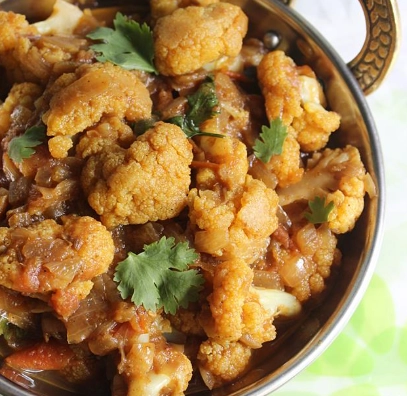
4. Simmer & Combine
Pour in the coconut milk and 1/2 cup of vegetable broth. Stir well, scraping up any bits from the bottom of the pot. Bring to a gentle simmer. Let it cook for 5 minutes to let the flavors marry. Now, gently fold in the roasted cauliflower. Don't stir aggressively, or you'll break the florets. Let everything simmer together for another 5-7 minutes. The sauce will thicken slightly. If it gets too thick, add more broth a splash at a time.
5. The Finish
Turn off the heat. Stir in a big handful of chopped fresh cilantro and a generous squeeze of fresh lemon juice (about 1 tablespoon). Taste for salt. The lemon juice is crucial—it lifts all the rich, spicy flavors and makes the dish taste complete.
Common Variations to Suit Your Taste
This recipe is a fantastic template. Once you've mastered it, try these twists:
- For Protein: Add a can of rinsed chickpeas or lentils when you add the coconut milk. For paneer, pan-fry cubes separately and stir in at the end.
- For Greens: Stir in a few handfuls of fresh spinach or chopped kale during the last 3 minutes of simmering.
- For Heat Lovers: Add 1-2 finely chopped green chilies (like serrano or Thai) with the ginger and garlic. Or add 1/2 teaspoon of cayenne pepper with the ground spices.
- Thai-Inspired: Swap the garam masala for 2 tablespoons of red or green curry paste. Use lime instead of lemon and Thai basil instead of cilantro.
How to Serve & Store Your Curry
This curry is best served hot over a bed of fluffy basmati rice or with warm naan bread to soak up the sauce. A simple side of plain yogurt (or vegan yogurt) helps cool the palate if your spice level is high.
Storage is easy. Let it cool completely, then transfer to an airtight container. It will keep in the fridge for up to 4 days. The flavors often improve on the second day. You can also freeze it for up to 3 months. Thaw overnight in the fridge and reheat gently on the stovetop, adding a little water or broth if needed to loosen the sauce.