Let's talk about rosti. If you've ever had a proper one, you know it's more than just a potato pancake. It's a golden, crispy, savory disc of comfort that sits at the heart of Swiss home cooking. It looks simple—just potatoes, fat, and salt—but that simplicity is a trap. Get one detail wrong, and you end up with a soggy, greasy, or falling-apart mess. I've been there. My first attempt was a crumbly disaster that never made it to the plate in one piece.
After years of making it (and eating it in Swiss mountain huts), I've nailed down the method. This isn't just another recipe list. It's the why behind every step, the mistakes you won't find in most guides, and the little tweaks that make it exceptional.
In This Article, You'll Learn:
How to Make the Perfect Swiss Rosti: A Step-by-Step Guide
Forget pre-cooked potatoes or fancy gadgets. The authentic method is specific, and each step has a purpose.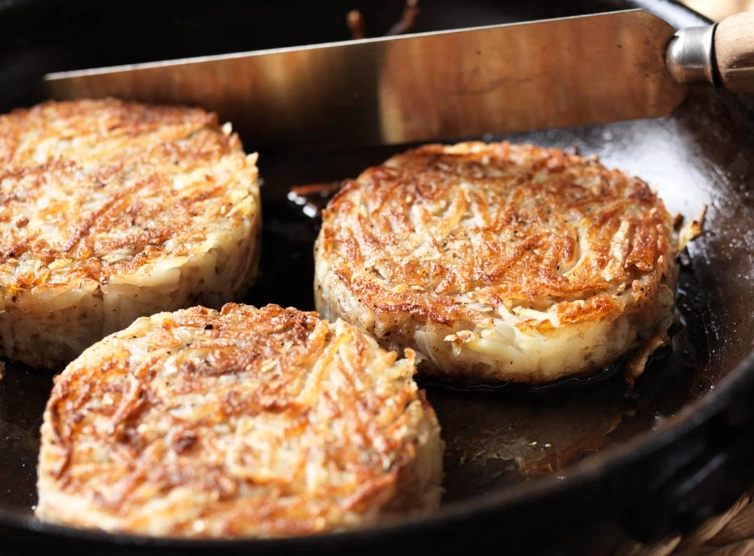
The Non-Negotiable Ingredients
| Ingredient | Quantity | Why It Matters |
|---|---|---|
| Starchy Potatoes (e.g., Russet, Idaho) | About 1 kg (2.2 lbs) for 4 servings | High starch is crucial for binding. Waxy potatoes (like red potatoes) will not stick together. |
| Salt | 1.5 - 2 tsp, to taste | Seasoning the potatoes directly is key for flavor throughout. |
| High-smoke point fat (Butter, clarified butter, or duck fat) | 3-4 Tbsp | Butter gives flavor, clarified butter or duck fat allows for higher heat without burning. |
| Optional: Onion (finely grated) | 1 small onion | A common Swiss addition for subtle sweetness. |
You'll also need a good, heavy-bottomed non-stick or well-seasoned cast iron skillet (about 10-12 inches), a box grater or food processor with a grating disk, and a large kitchen towel or potato ricer.
The Process, Demystified
Step 1: Boil the Potatoes (The Night Before). This is the biggest secret most quick recipes skip. Place whole, unpeeled potatoes in a pot of cold salted water. Bring to a boil and cook for only 15-20 minutes. You want them par-cooked—a knife should meet significant resistance in the center. Drain and let them cool completely, then refrigerate overnight. This firms them up, making grating easier and the shreds less wet.
Step 2: Grate and Dry. Peel the cold potatoes. Grate them on the large holes of a box grater into a bowl. Now, the critical drying step: take handfuls of the grated potato and squeeze them hard over the sink or into another bowl. You'll be shocked at how much milky liquid comes out. Do this for the entire batch. Some Swiss cooks then spread the shreds on a clean kitchen towel, roll it up, and wring it out again. This dryness is what leads to crispness, not sogginess.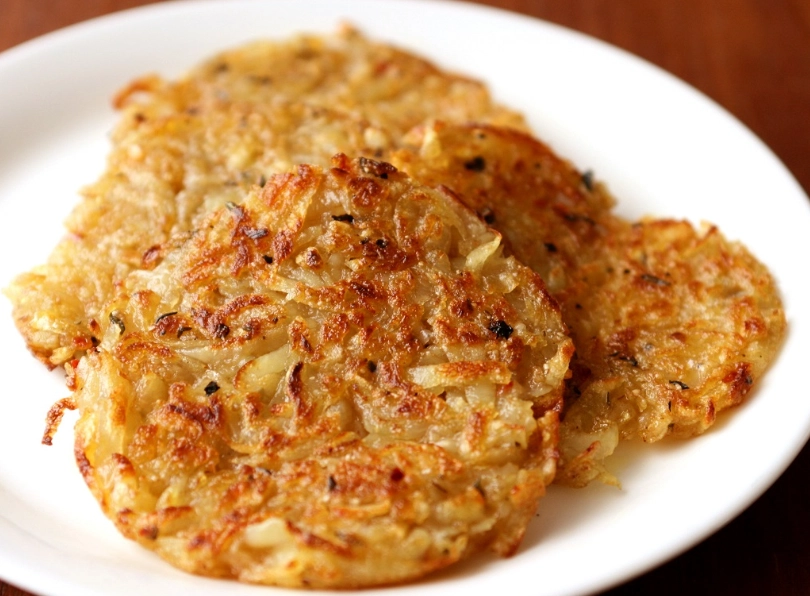
Step 3: Season and Form. Toss the dry potato shreds with salt (and grated onion if using). Don't add flour or egg—this isn't a latke. The starch from the potatoes is the only binder you need.
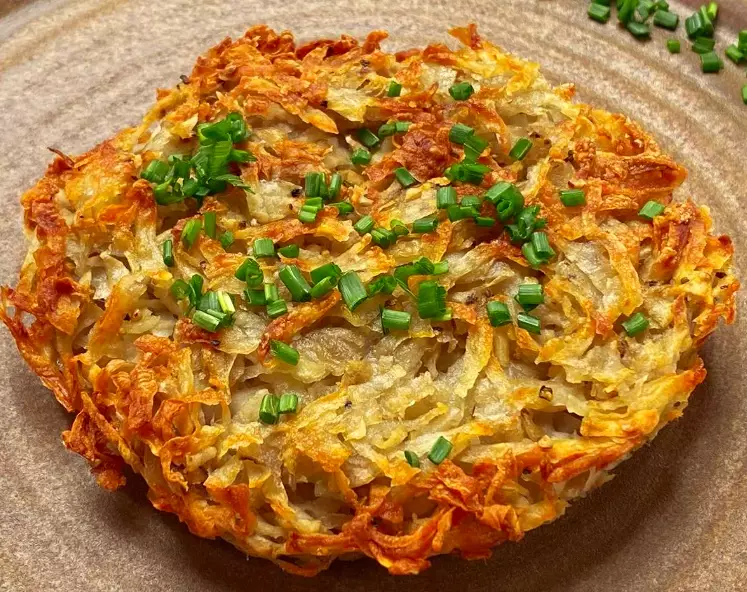
Step 4: The Fry. Heat your fat over medium heat in the skillet. Add all the potato, spreading it evenly and pressing it down firmly with a spatula to form a compact cake. Fry for about 12-15 minutes on the first side. Don't poke it. Don't try to flip it early. Wait until the edges are deep golden brown and you can see crispness creeping up the sides.
Here's the tricky part: the flip. Place a large plate upside down over the skillet. With one confident hand on the plate and the other on the skillet handle, invert the whole thing. The rosti should now be on the plate, cooked-side up. Add a bit more fat to the hot skillet, then slide the rosti back in, uncooked-side down. Tuck in any stray edges. Cook for another 10-12 minutes until the second side is equally golden and crisp.
Slide it onto a cutting board, let it rest for 2 minutes (this helps it set), then slice into wedges.
Pro Tip from the Alps: In many Swiss homes, the first rosti of the batch is often a test. The cook eats that one to check seasoning and crispness before serving the rest to the family. Consider it your chef's privilege.
Why Your Rosti Falls Apart: Common Mistakes & Solutions
Most rosti failures come down to moisture or heat management. Let's troubleshoot.
Mistake 1: Using raw or fully boiled potatoes. Raw potatoes are too wet and won't bind. Fully boiled potatoes turn to mush when grated. The par-cooked, chilled potato is the perfect texture—firm enough to grate into distinct shreds that will then fuse together in the pan.
Mistake 2: Not squeezing out enough liquid. This is the step everyone rushes. If your potato shreds feel damp, they are. Keep squeezing. The shreds should feel almost dry to the touch. That expelled liquid is mostly water and free starch, which, if left in, steams the rosti instead of letting it fry crisp.
Mistake 3: Flipping too soon or too timidly. If the first side isn't properly set and crisped, it won't hold together when you flip. Wait for that solid, golden crust. And when you flip, commit. A hesitant, slow flip is more likely to cause a collapse. Use the plate method—it's foolproof.
Mistake 4: Crowding the pan or incorrect heat. You want a single, thick cake. Making multiple small rostis prevents them from supporting each other. The heat should be a steady medium. Too high burns the outside before the inside cooks; too low makes it greasy.
I see a lot of recipes online suggesting you can bind a rosti with egg or flour. Please don't. You'll end up with something closer to a hash brown patty or a latke. It changes the texture entirely—it becomes cakey, not delicately crisp with distinct, soft shreds inside. Trust the potato starch.
Beyond the Classic: Creative Rosti Variations
Once you've mastered the basic rosti recipe, it becomes a fantastic canvas. In Switzerland, it's often served as a side to meats, or as the base for a more substantial meal.
The Berner Platte Special: Top a finished rosti with a few slices of melted Gruyère or Raclette cheese during the last minute of cooking, cover the pan to melt. Serve with pickled onions and gherkins.
The Alpine Farmer's Breakfast: After the first flip, make shallow wells in the surface and crack in a few eggs. Cover the skillet until the egg whites are set but the yolks are still runny. Sprinkle with chives.
Root Vegetable Rosti: Substitute half the potato with grated parsnip, carrot, or sweet potato. This adds sweetness and color. You might need a touch more binding agent (a teaspoon of potato starch) if the mix seems loose.
The "Leftover" Rosti: Fold in about 100g of finely chopped, cooked ham or bacon, or some grated leftover cheese into the potato mixture before frying.
Remember, these are variations. Get the classic right first. The texture of the pure potato version is what makes it special.