Quick Navigation
Let's be honest. The first time you see a potato pavé on a menu, you do a double-take. It looks like some kind of culinary magic trick. A golden, crispy brick that, when you cut into it, reveals hundreds of impossibly thin, melty-soft layers of potato. It whispers "fine dining," it screams "chef skills." And then you think, there's no way I could make that at home.
Well, I'm here to tell you that's nonsense. The classic potato pave recipe is one of those deceptively simple things. It demands patience and attention to detail, sure, but it doesn't require a culinary degree. I've messed it up more times than I care to admit (we'll get to those fails), but once you get the rhythm, it's almost meditative. This isn't just another recipe post. This is your backstage pass to understanding the why behind every step, so you can nail it on your first serious attempt.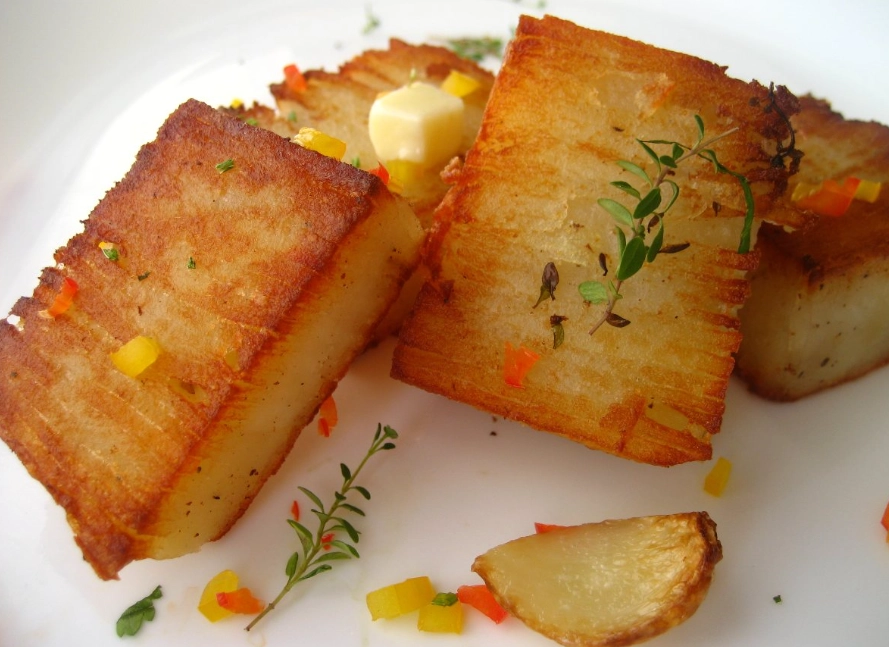
The Core Idea: At its heart, a potato pave recipe is about compression and slow cooking. You layer razor-thin potato slices with cream and seasoning, press them down, and bake them low and slow until the potatoes surrender and fuse into a dense, creamy block. Then, you chill it, slice it into portions, and fry it to create that iconic crispy shell. Texture is the entire game here.
Gathering Your Arsenal: What You Really Need
You can't build a skyscraper with sand. Getting your tools and ingredients right is 50% of the battle for a perfect potato pave.
The Non-Negotiable Tools
A mandoline. I'm sorry, but there's no way around it. You need uniformly thin slices, about 1/8-inch thick. A knife won't cut it (pun intended). The consistency is crucial for even cooking and that signature layered structure. Don't have one? They're surprisingly affordable. Just, for the love of all that is crispy, use the hand guard. I learned that lesson the hard way with a fingertip garnish I did not intend to make.
You also need a loaf pan. A standard 9x5 inch is perfect. Lining it properly with parchment paper is your ticket to a clean release later. Overhang is your friend here—you'll use it as handles. Finally, you need weight for pressing. A smaller pan that fits inside your loaf pan, filled with cans or pie weights, works great. This pressing step is what eliminates air pockets and creates that dense, cohesive pave.
The Potato Debate: Which Spud Reigns Supreme?
This is where many recipes just say "use starchy potatoes" and move on. Let's get specific. You want a potato high in starch and low in moisture for the best texture in your potato pave side dish.
| Potato Type | Why It Works (or Doesn't) | My Personal Take |
|---|---|---|
| Russet (Idaho) | High starch, low moisture. Absorbs cream beautifully and gives a fluffy, distinct layer separation. The classic choice. | This is my go-to. It gives the most "textbook" pave. Reliable and widely available. |
| Yukon Gold | Medium starch, more buttery flavor. Creates a slightly denser, richer pave with a golden hue. | A fantastic second option. The flavor is incredible, but the layers can be a tad less defined. |
| Red Potatoes or New Potatoes | Waxy, high moisture. They hold their shape well (good for salads). | Avoid for pave. They won't absorb the cream properly and will result in a gluey, wet block. Trust me, I've tried. |
For deeper, science-backed info on potato varieties and their starch content, the Potato Goodness website by the Potatoes USA board is an authoritative resource.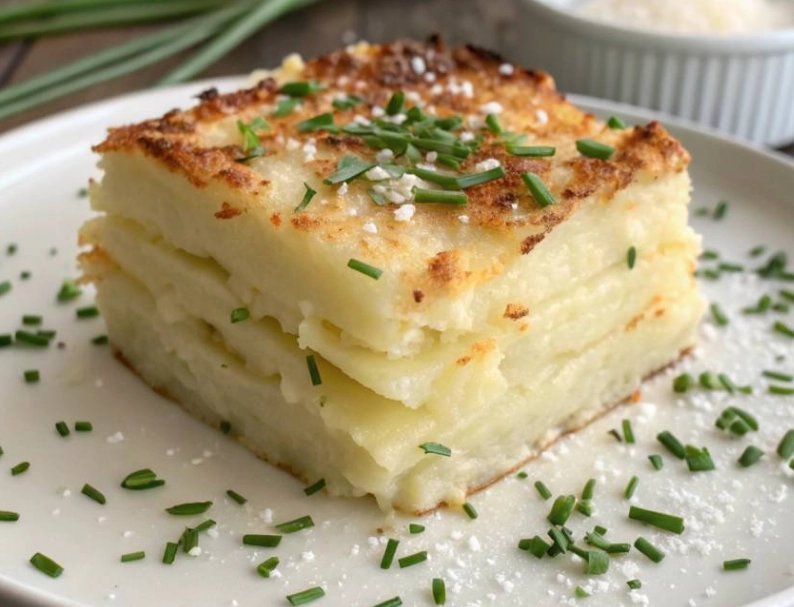
The other ingredients are simple: heavy cream, salt, pepper, and fat for frying (like duck fat for ultimate luxury, or a good neutral oil). Some recipes add garlic or thyme to the cream, which is lovely.
The Step-by-Step: Where the Magic (and Patience) Happens
Okay, let's get our hands dirty. This is the detailed walkthrough most recipes gloss over.
Prepping and Layering: It's a Zen Thing
Peel your potatoes. Slice them uniformly with that mandoline, directly into a bowl of cold water. This is critical—it washes off surface starch and prevents them from turning pink and sticky. Let them soak for 10 minutes, then drain and pat them bone dry with kitchen towels or a salad spinner. Any water left will dilute the cream and make things soggy.
Now, in a separate bowl, toss the dried slices with heavy cream, salt, and pepper. You want every slice lightly coated. Don't drown them. Line your loaf pan with parchment, letting it overhang on both long sides.
Start layering. Shingle the slices neatly, slightly overlapping, to cover the bottom. This first layer sets the stage. Repeat, layer after layer, until you've used all your potatoes. It's repetitive, but there's a calm to it. Pour any remaining cream over the top.
Pro Tip Nobody Tells You: After every few layers, gently press down with your fingers to settle everything and check for air gaps. This prevents a lopsided pave.
The Press and the Bake: Low and Slow Wins the Race
Fold the parchment overhangs over the top. Place a piece of foil over the pan and seal it tightly. Now, place your smaller pan or a flat board on top and weigh it down. I use two large cans of tomatoes. This pressure is non-negotiable for a crispy potato pave with perfect structure.
Into a 350°F (175°C) oven it goes. But here's the trick—you're not just baking until a timer dings. You're baking until a paring knife slides into the center with absolutely no resistance. This usually takes 1.5 to 2 hours. Yes, really. The slow heat allows the starch to gelatinize and the layers to fuse without the top burning or the bottom drying out.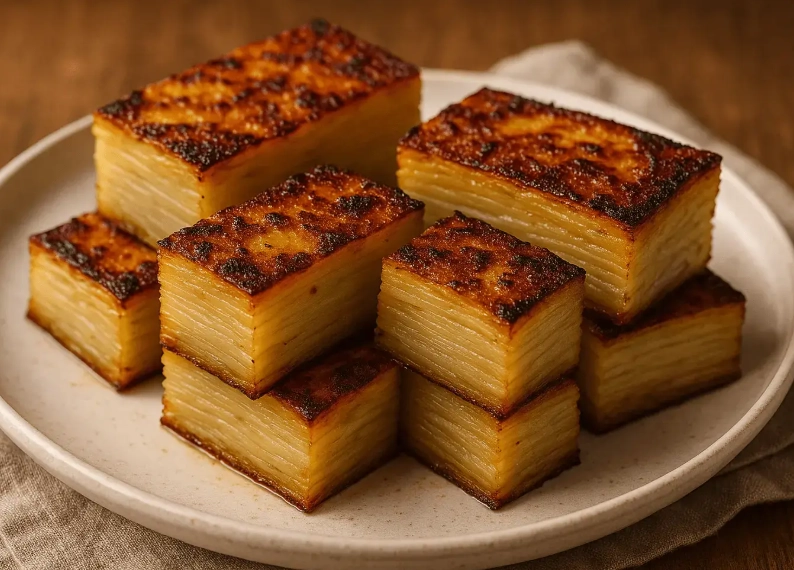
The Chill and The Sizzle: The Transformation
Once baked, take it out, keep the weights on, and let it cool to room temperature. Then, refrigerate it overnight, still weighted. This final chill sets the structure completely, making it firm enough to slice cleanly. Trying to slice it warm is a disaster—it just falls apart.
The next day, use the parchment handles to lift the whole brick out. Place it on a cutting board. Trim off the uneven ends (cook's treat—they're delicious). Slice it into 1-inch thick slabs with a sharp knife.
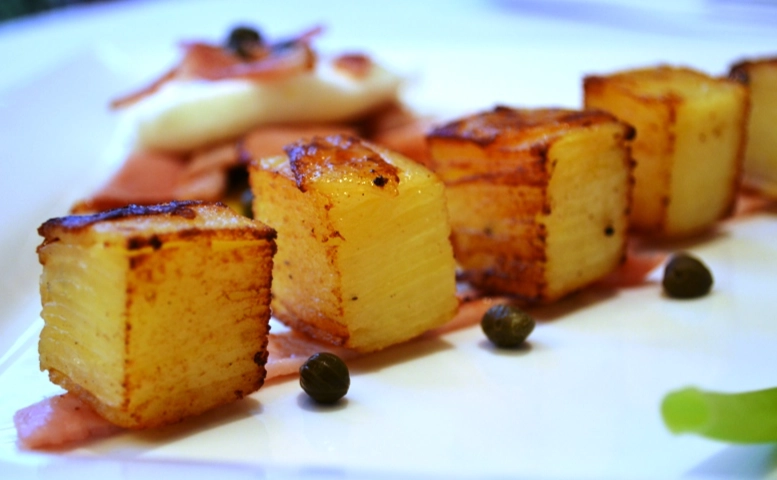
Now for the fun part. Heat a generous amount of oil or fat in a heavy skillet over medium-high heat. You want it shimmering but not smoking. Gently place your slices in. Don't crowd the pan. Fry for 2-3 minutes per side until they are deeply golden brown and incredibly crispy. Drain on a rack, sprinkle with flaky sea salt, and serve immediately.
Common Pitfall: If your oil isn't hot enough, the pave will soak it up and become greasy instead of crispy. If it's too hot, the outside burns before the inside heats through. Aim for a steady medium-high.
Beyond the Classic: Creative Potato Pavé Recipe Variations
Once you've mastered the basic technique, the world is your oyster (or your potato). Here are some twists that really work.
- The Cheesy Twist: Sprinkle a fine layer of finely grated Gruyère or Parmigiano-Reggiano between every few layers of potato. It melts into the layers, adding a nutty, salty punch.
- The Allium Addition: Sauté very thin slices of sweet onion or shallot until soft and caramelized. Let them cool, then scatter them sparingly between layers. They add little pockets of sweet flavor.
- The Herb Infusion: Steep fresh thyme, rosemary, or a bay leaf in the warm cream before tossing it with the potatoes. Strain out the herbs. The flavor is subtle and perfumes the whole dish.
- The Sweet Potato Hybrid: Replace half the russets with orange sweet potatoes. The color is stunning, and the flavor combo is fantastic with roast poultry or pork.
Your Potato Pavé Troubleshooting Handbook
Things can go wrong. Here are the fixes for the problems you're most likely to face.
Problem: My pave is soggy and won't get crispy.
Likely Cause: Potatoes weren't dried well enough, or it wasn't chilled long enough before frying. Also, check your oil temperature.
Fix: Patience is key. Ensure potatoes are thoroughly dried after soaking. Chill the baked block for a full 24 hours if needed. It should feel very firm. Make sure your frying oil is properly preheated.
Problem: The layers are falling apart when I slice or fry it.
Likely Cause: It wasn't baked long enough (the starch didn't fully gelatinize to bind the layers) or it wasn't pressed firmly enough during cooking and chilling.
Fix: Next time, bake until a knife slides in with zero resistance. Ensure you're using enough weight during the bake and chill.
Problem: The edges are dark brown or burnt, but the center isn't done.
Likely Cause: Oven temperature too high, or the loaf pan was on a rack too high in the oven.
Fix: Bake at a steady 350°F and place the pan in the center of the oven. The foil cover should prevent most burning, but if it's a persistent issue, try 325°F for a slightly longer bake.
Answering Your Burning Potato Pavé Questions
For more on the principles of French cooking that underpin dishes like the pave, resources like the techniques section on the Institute of Culinary Education (ICE) website can provide great foundational knowledge.
The Final Verdict: Is It Worth the Effort?
Absolutely. One hundred percent.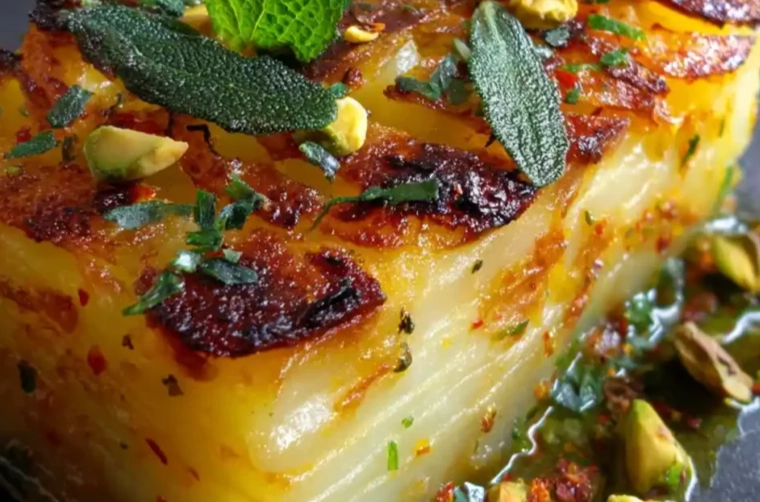
Look, it's not a Tuesday night kind of dish. It's a project. It asks for your time and focus. But what you get in return is nothing short of spectacular. The contrast of the shatteringly crisp exterior against the impossibly creamy, layered interior is a textural experience that store-bought fries or even standard roasted potatoes can't touch.
It teaches you fundamental cooking lessons about patience, technique, and how ingredients behave. And the look on someone's face when you bring a plate of these golden bricks to the table? Priceless. It's restaurant-worthy, but made in your own kitchen.
Grab your mandoline, pick up some good russets, and clear an afternoon. Follow these steps, respect the process, and you will be rewarded with the most impressive, delicious potato dish in your repertoire. The perfect potato pave recipe is within your reach—it just requires understanding the journey, not just the destination.