Quick Guide
- What Is Za'atar, Really? More Than Just a Spice
- Deconstructing the Za'atar Recipe: The Four Core Ingredients
- Crafting Your Perfect Blend: Za'atar Recipe Ratios & Variations
- Step-by-Step: How to Make Za'atar at Home
- Storing Your Homemade Za'atar
- How to Use Za'atar: Moving Beyond the Sprinkle
- Za'atar Recipe FAQs: Answering Your Burning Questions
- Wrapping It Up: Your Za'atar Journey Starts Now
Let's talk about za'atar. You've probably seen that greenish-brown spice mix popping up everywhere, from fancy restaurants to food blogs. Maybe you've bought a little jar from a specialty store, sniffed it, and thought, "This smells amazing... but what do I actually do with it?" Or maybe you tried a za'atar recipe that just didn't taste right—too bitter, not enough tang, just... off.
I've been there. The store-bought stuff can be crazy expensive and sometimes tastes dusty. And finding a reliable guide for making it yourself? That's the real challenge. Most recipes just list ingredients without explaining the why behind the ratios, or they skip over the crucial cultural context that makes za'atar so special.
So, I'm going to walk you through everything. Not just a list of ingredients to toss together, but how to source the best ones, why each component matters, and then—most importantly—how to use this magical blend in ways that will make it a kitchen staple. Forget the tiny, overpriced jars. Once you learn how to make your own za'atar spice blend, you'll never look back.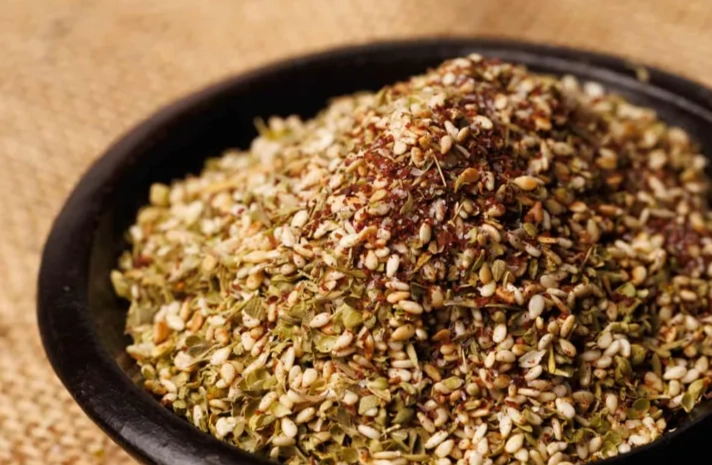
What Is Za'atar, Really? More Than Just a Spice
First things first, let's clear up a common point of confusion. "Za'atar" (pronounced zaah-tar) refers to two things. It's the name for a family of wild herbs related to thyme and oregano that grow across the Middle East. And it's the name for the iconic spice blend made with those herbs. We're focusing on the blend.
This isn't just a random mix. It's a cornerstone of Levantine cuisine (think Lebanon, Syria, Jordan, Palestine, Israel). Families often have their own homemade za'atar recipe, passed down and tweaked over generations. The taste? It's incredibly complex and hard to describe to someone who hasn't tried it. Imagine the earthy, piney notes of thyme and oregano, the bright, lemony punch of sumac, the nutty crunch of toasted sesame seeds, and a savory base of salt. It's herbal, tangy, nutty, and savory all at once.
Why bother making it yourself? Control and freshness. You control the quality of every ingredient. You control the ratios to match your taste—more tang, less salt, extra sesame. And nothing, I mean nothing, beats the vibrant aroma of a freshly mixed batch. It's like the difference between pre-ground black pepper and cracking peppercorns yourself.
Deconstructing the Za'atar Recipe: The Four Core Ingredients
Every great building needs a strong foundation. For a classic za'atar recipe, that foundation is four key players. Get these right, and you're 90% of the way there.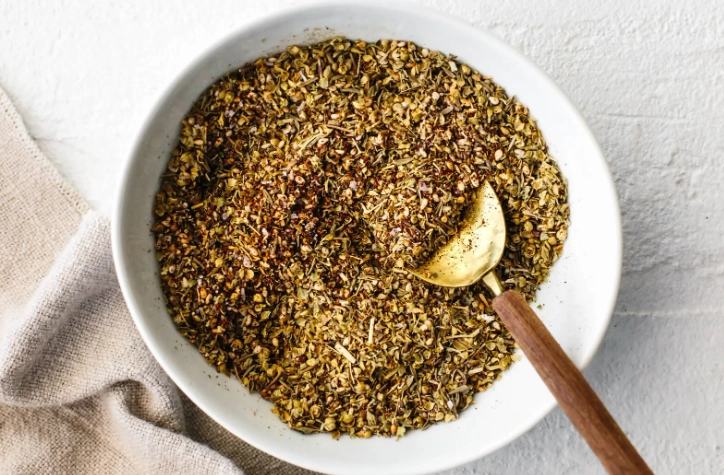
1. The Herbs: Thyme, Oregano, or Marjoram (Or a Mix!)
This is the "za'atar" herb part. Authentic blends from the Middle East often use a specific wild thyme or a mix of wild herbs. For most of us, dried thyme is the most accessible and reliable base. But here's a secret: using only thyme can sometimes taste a bit one-dimensional.
My personal favorite is a 50/50 mix of dried thyme and dried oregano. The oregano adds a slightly sweeter, more robust note that balances the sharper thyme. Some recipes include marjoram, which is lovely too. The key is to use dried herbs, not fresh. Fresh herbs contain too much moisture and will make your blend clumpy and spoil faster. You want them bone-dry and crumbly.
Look for herbs that are still vibrant green, not brown.
2. Sumac: The Non-Negotiable Tang
This is the ingredient that makes za'atar, well, za'atar. Sumac is a deep red berry that's dried and ground into a coarse powder. It has an incredible tart, lemony flavor—but without the acidity of citrus juice. It's fruity and sharp.
If your za'atar blend tastes flat or just like herbal dust, it's probably missing enough sumac or using stale sumac. You can't substitute lemon zest here; it won't work the same way and will add moisture. You must find sumac. It's widely available now in the spice aisle of well-stocked supermarkets, Middle Eastern grocery stores, or online.
3. Toasted Sesame Seeds: The Nutty Crunch
Sesame seeds add texture, a rich nuttiness, and visual appeal. But raw sesame seeds can be a bit bland. The game-changer? Toasting them. Just a few minutes in a dry pan until they're golden and fragrant unlocks their oils and deepens their flavor immensely. It's a simple step that makes a huge difference in your final za'atar spice mix recipe.
You can use white or black sesame seeds, or a mix. I prefer white for a more traditional look, but black seeds look stunning.
4. Salt: The Simple Enhancer
Usually sea salt or kosher salt. It brings all the other flavors together and seasons whatever you're sprinkling the za'atar on. The amount is adjustable based on your dietary needs and how you plan to use it. If you're going to be adding it to already-salted dishes, go lighter.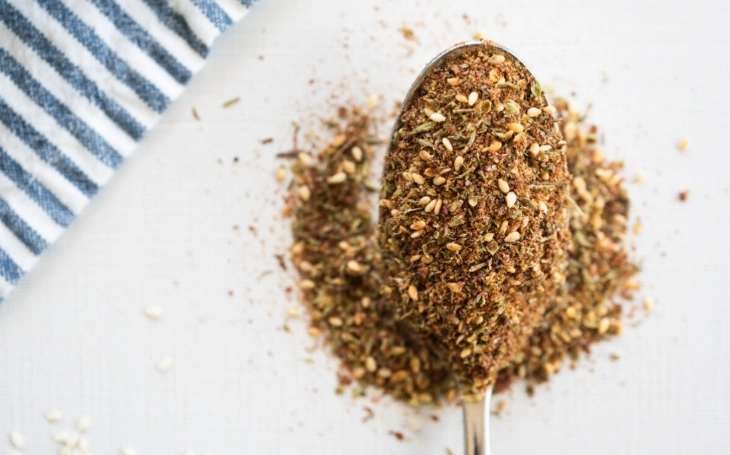
Crafting Your Perfect Blend: Za'atar Recipe Ratios & Variations
Okay, so we have our ingredients. How much of each? There's no single "official" ratio, which is part of the fun. Different regions and families have their preferences. I've tested a ton of ratios, and the table below breaks down the most common and reliable ones. Think of this as your starting point.
| Style / Focus | Dried Thyme | Sumac | Toasted Sesame Seeds | Salt | Best For... |
|---|---|---|---|---|---|
| Classic Balanced (My Go-To) | 4 parts | 3 parts | 2 parts | 1 part | All-purpose: breads, dips, proteins. |
| Tangy & Bright | 3 parts | 4 parts | 2 parts | 1 part | Salads, yogurt, fish, where you want a citrusy kick. |
| Herb-Forward | 5 parts | 2 parts | 2 parts | 1 part | Roasted vegetables, mixing into bread dough. |
| Nutty & Rich | 3 parts | 2 parts | 3 parts | 1 part | Sprinkling on avocado toast, hummus, labneh. |
See? You can customize. A "part" can be a tablespoon, a quarter cup, whatever. For a first batch, I'd recommend starting with the Classic Balanced ratio using tablespoons: 4 tbsp thyme, 3 tbsp sumac, 2 tbsp sesame seeds, 1 tbsp salt. That gives you a great benchmark.
Beyond the Basic: Regional Twists & Creative Ideas
Once you're comfortable, you can play. Some Jordanian blends might add a touch of cumin or coriander. In some areas, a pinch of dried savory or fennel seeds finds its way in. A less common but delicious addition is a bit of ground dried orange or lemon peel (make sure it's totally dry) for an extra citrus layer.
My one piece of advice? Don't go overboard. The beauty of a simple za'atar recipe is in its balance. Adding one extra spice is an experiment. Adding five turns it into a different blend altogether.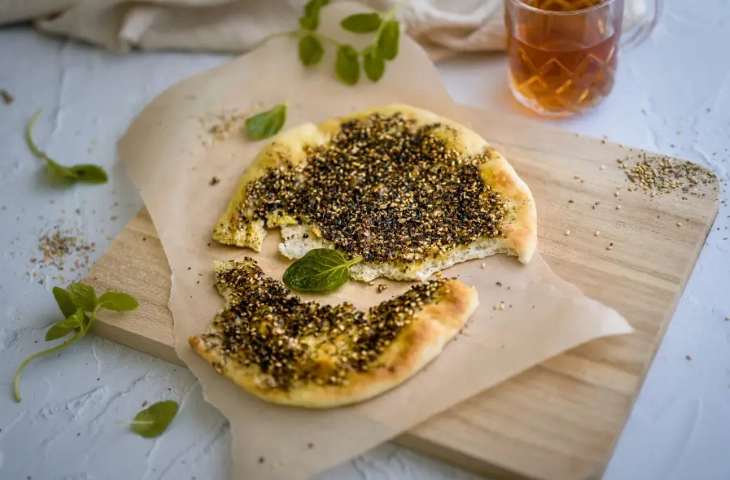
Step-by-Step: How to Make Za'atar at Home
This is the easy part. No cooking, really. Just assembly. But a few techniques matter.
- Toast the Sesame Seeds: Heat a dry skillet over medium-low heat. Add the sesame seeds. Shake the pan or stir constantly for 2-4 minutes. You'll hear them start to pop softly and smell a wonderful nutty aroma. The moment they turn a light golden color, dump them onto a plate to cool completely. Burning them makes them bitter, so stay vigilant.
- Combine Dry Ingredients: In a bowl, add your dried thyme (and oregano/marjoram if using). Use your fingers to crumble any large clumps. Add the cooled toasted sesame seeds, sumac, and salt.
- Mix Thoroughly: Use a fork or whisk to mix everything together really well. You want every tablespoon to have a bit of everything.
- Taste & Adjust: This is critical. Dip a piece of plain pita or your finger in a tiny bit of olive oil, then dip it in your mix. Taste. Want more tang? Add a pinch more sumac. More herbal notes? More thyme. More savory depth? A pinch more salt. Adjust in tiny increments.
The toasting step for the sesame seeds is what separates a good homemade za'atar recipe from a great one. It adds a depth of flavor that raw seeds just can't match.
Storing Your Homemade Za'atar
You've made this beautiful blend. Now, keep it that way. The enemies are light, heat, air, and moisture.
Always store your za'atar in an airtight glass jar (a mason jar is perfect). Keep it in a cool, dark cupboard, not on the counter next to the stove. Properly stored, it will keep its vibrant flavor for about 3-4 months. The sesame seeds contain oils that can eventually go rancid, so I don't recommend making huge batches that will sit for a year.
You'll know it's past its prime if the aroma is faint or the flavor tastes flat or slightly bitter.
How to Use Za'atar: Moving Beyond the Sprinkle
This is where the magic happens. A lot of guides just say "sprinkle on food." Let's get specific. Here are my favorite, tried-and-true ways to use a za'atar seasoning recipe.
The Classic: Za'atar Bread (Manakish)
This is arguably the most traditional use. Spread a simple dough (or even store-bought pizza dough or pita) with a thin layer of good olive oil. Generously sprinkle your za'atar over the top—I mean, really coat it. Bake until golden. The oil soaks into the herbs and seeds, creating an irresistible, fragrant, slightly crisp topping. It's breakfast, it's a snack, it's everything. Sometimes I just do this on a piece of toasted sourdough when I'm lazy.
The Ultimate Sandwich & Salad Booster
Stop reaching for the same old spices. Mix a tablespoon of za'atar into your chicken or tuna salad instead of plain parsley. Sprinkle it over a simple cucumber and tomato salad with lemon vinaigrette. Toss roasted vegetables (cauliflower, carrots, potatoes) in olive oil and za'atar before they go in the oven—it's a game-changer.
Proteins Love It
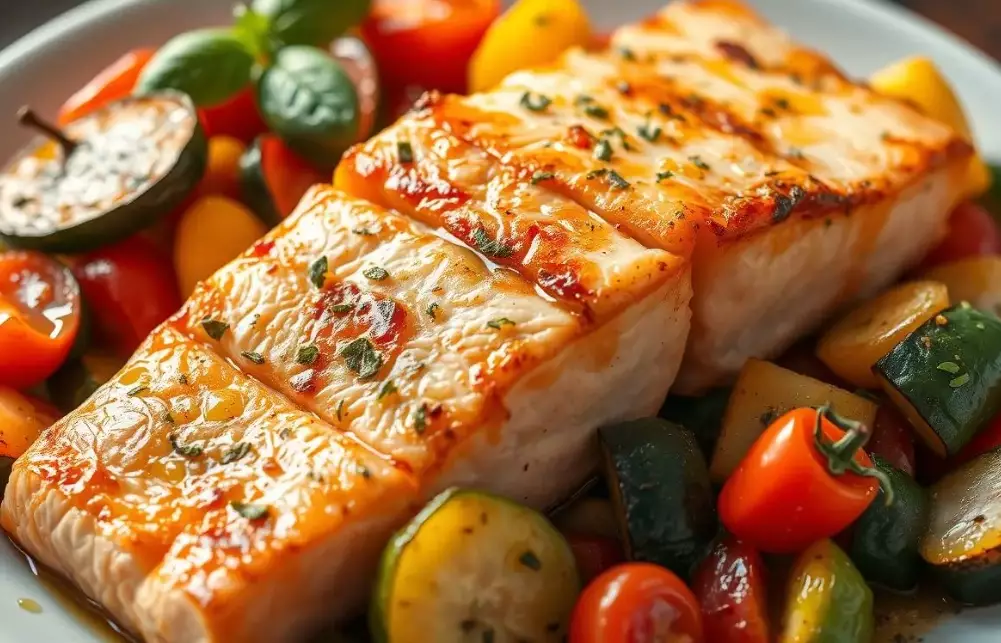
Create a simple paste with za'atar, olive oil, and a squeeze of lemon. Rub it under the skin of a whole chicken before roasting, or all over chicken thighs, fish fillets (salmon is amazing), or even tofu. It forms a delicious crust. I often mix it into ground meat for lamb or beef kebabs.
Transform Your Dips & Breakfasts
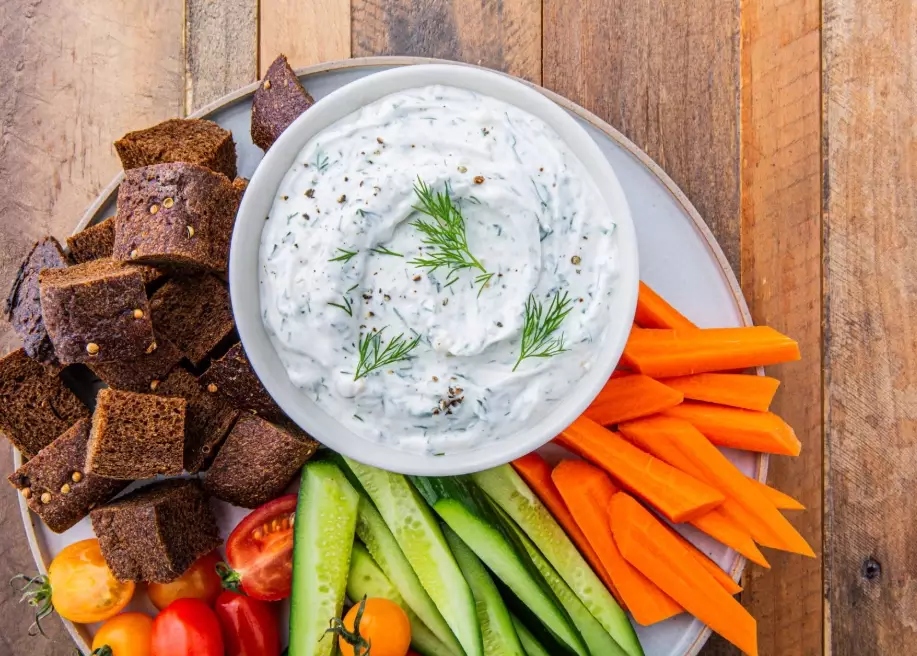
Take your hummus or labneh (strained yogurt) to the next level. Swirl a generous spoonful of olive oil on top, then create a little well in the center and fill it with your homemade za'atar spice. Drag your bread or veggie stick through both. Incredible. Similarly, sprinkle it over avocado toast, scrambled eggs, or a bowl of creamy feta cheese drizzled with oil.
Honestly, I put it on popcorn. Don't judge me until you try it.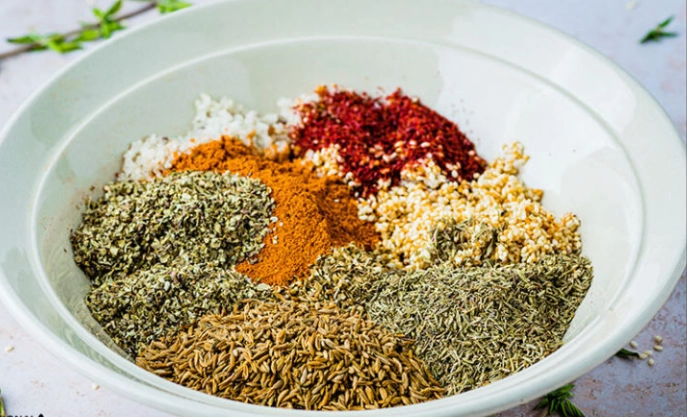
Za'atar Recipe FAQs: Answering Your Burning Questions
Wrapping It Up: Your Za'atar Journey Starts Now
Look, the beauty of this easy za'atar recipe is its simplicity and the personal touch you bring to it. Start with the classic ratios, taste as you go, and don't be afraid to make it your own. Maybe you love extra sumac. Maybe you prefer the deeper flavor of black sesame seeds. That's the point.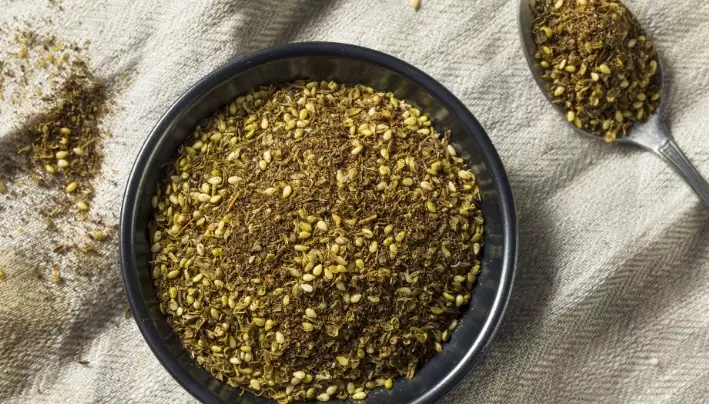
Having a jar of homemade za'atar in your pantry is like having a secret weapon. It instantly makes simple meals feel special, traveled, and deeply flavorful. It connects you to a rich culinary tradition while letting you put your own spin on it.
So, grab those jars of thyme and sumac, toast those sesame seeds until they smell like heaven, and mix up your first batch. Your kitchen is about to smell incredible, and your meals are about to get a whole lot more interesting.
Trust me, once you get the hang of it, you'll be giving little jars of your homemade blend as gifts. And there's no better compliment than that.