Haddock is that reliable friend in the seafood aisle. It's mild, flaky, and takes to just about any flavor you throw at it. But here's the thing—its simplicity is also its trap. It's easy to end up with bland, dry, or boring haddock if you don't know a few key moves. I've been cooking this fish for years, from fancy restaurants to my own (sometimes messy) kitchen, and I've seen all the common slips. Let's fix that. This isn't just a list of recipes; it's a toolkit for making haddock the star of your dinner table, any night of the week.
What's Inside This Guide
Why Haddock is a Kitchen Winner (Beyond Just Taste)
Sure, it tastes good. But from a practical cooking standpoint, haddock has some hidden advantages. Its flesh is a bit firmer than some other white fish like sole, which means it holds together better. You're less likely to end up with a pile of shreds when you flip it in the pan. It's also consistently sized in fillets, making cooking times predictable.
Nutritionally, it's a lean protein powerhouse. A 3-ounce serving packs about 20 grams of protein for under 100 calories, plus a good dose of B vitamins and selenium. According to the U.S. Food and Drug Administration (FDA), haddock is also a low-mercury fish, making it a safe and excellent choice for regular meals.
And let's talk sustainability. When sourced from well-managed fisheries, like those in the Northeast U.S. or Iceland, haddock is a solid eco-choice. Look for certifications from the Marine Stewardship Council (MSC) if that's a priority for you.
How to Cook Haddock Perfectly Every Time: The Non-Negotiables
Master these three things, and you've won 90% of the battle.
1. The Thaw (If Using Frozen)
This is where most frozen fish recipes go wrong. Never, ever run it under warm water. You're partially cooking the outside and creating a texture disaster. The only right way: move it from the freezer to the fridge the night before. If you're in a pinch, seal it in a plastic bag and submerge it in cold water, changing the water every 30 minutes. Patience here is everything.
2. The Dryness
Moisture is the enemy of a good sear. Whether your fish is fresh or thawed, take 3-4 paper towels and press down firmly on each fillet. Get it bone-dry. I'm serious—press until the towels don't pick up any more moisture. This single step is the difference between steamed fish and a gorgeous, crispy crust.
3. The Seasoning & The Cook
Don't be shy with salt. Season both sides generously, and do it right before cooking, not 30 minutes ahead (which can draw out moisture). For cooking, haddock is done when it turns opaque white and flakes easily with a fork. It happens fast. Overcooking is the #1 reason for dryness.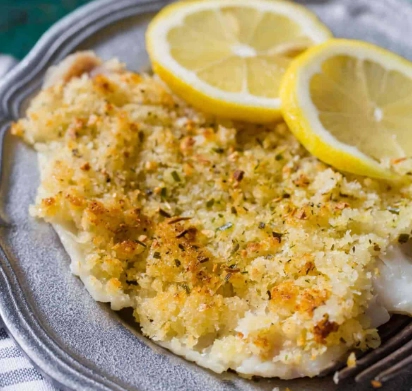
Pro Tip: The Finger Test (Forget the Fork)
Poking fish with a fork releases precious juices. Use the back of a spoon or your finger. Press gently on the top of the fillet. If it feels firm and springs back slightly, it's done. If it feels soft and leaves an indent, it needs another minute.
Top Haddock Recipe Methods (Pick Your Weeknight Adventure)
Here’s a quick cheat sheet to decide how to cook your haddock tonight.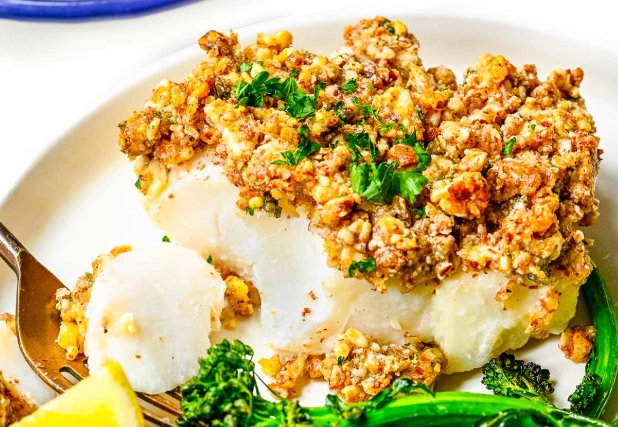
| Method | Best For | Key to Success | Approx. Cook Time* |
|---|---|---|---|
| Pan-Searing | A quick, crispy crust & simple flavors. | Hot pan, dry fish, don't move it. | 4-5 mins/side |
| Baking/Roasting | Hands-off cooking & one-pan meals. | Don't overcrowd the pan. | 12-15 mins |
| Air Frying | Ultra-crispy results with less oil. | Lightly coat with oil, not batter. | 8-10 mins |
| Poaching/Steaming | Delicate, moist texture & healthy prep. | Keep liquid just below a simmer. | 6-8 mins |
*For a typical 1-inch thick fillet.
My Go-To Pan-Seared Haddock with Lemon-Herb Butter
This is my 15-minute weeknight savior. The trick is basting the fish with foaming butter at the end—it creates an incredible restaurant-quality finish.
You'll need: 2 haddock fillets (6-8 oz each), salt & pepper, 2 tbsp all-purpose flour, 2 tbsp high-heat oil (like avocado or canola), 3 tbsp unsalted butter, 2 cloves garlic (smashed), a few sprigs fresh thyme or rosemary, juice of ½ a lemon.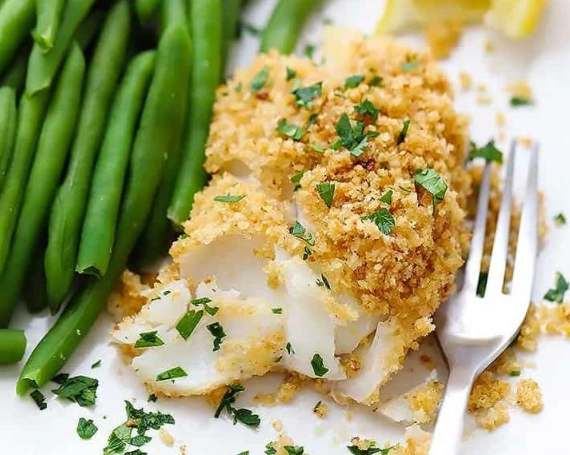
Do this: Dry the fillets aggressively. Season, then lightly dust with flour (this helps the crust). Heat oil in a non-stick or cast-iron skillet over medium-high until shimmering. Add fish. Cook undisturbed for 4 minutes until golden. Flip. Add butter, garlic, and herbs to the pan. As butter melts and foams, tilt the pan and spoon it constantly over the fish for 1-2 minutes. Squeeze lemon juice into the butter sauce. Serve fillets with the pan sauce poured over.
Foolproof Sheet-Pan Haddock & Vegetables
The ultimate easy cleanup meal. The mistake? Putting everything on the pan at once. Dense veggies need a head start.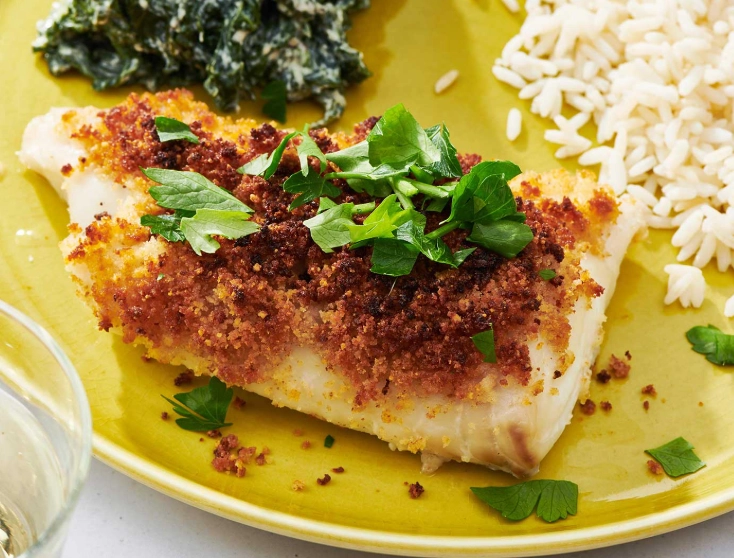
You'll need: 2 haddock fillets, 1 bell pepper (sliced), 1 small zucchini (sliced), 1 cup cherry tomatoes, ½ red onion (wedged), 3 tbsp olive oil, 2 tsp Italian seasoning, salt, pepper.
Do this: Preheat oven to 425°F (220°C). Toss veggies (except tomatoes) with 2 tbsp oil and seasoning on a sheet pan. Roast for 12 minutes. Meanwhile, coat haddock with remaining oil, salt, and pepper. Move veggies to the sides of the pan, place fish in the center, scatter tomatoes. Roast another 10-12 minutes until fish is opaque. Done.
What are the Best Sides for Haddock?
Haddock's mild flavor is a blank canvas. Here’s how to build a plate:
- For something fresh: A simple arugula salad with lemon vinaigrette, or a tangy cucumber-dill salad.
- For something hearty: Creamy mashed potatoes, lemon-herb rice pilaf, or buttery orzo.
- For something easy: Roasted asparagus, sautéed green beans with almonds, or sweet potato fries.
The rule of thumb? If the fish is simply prepared (like pan-seared), go for a bolder side. If the fish is in a rich sauce (like a chowder), keep the sides simple and clean.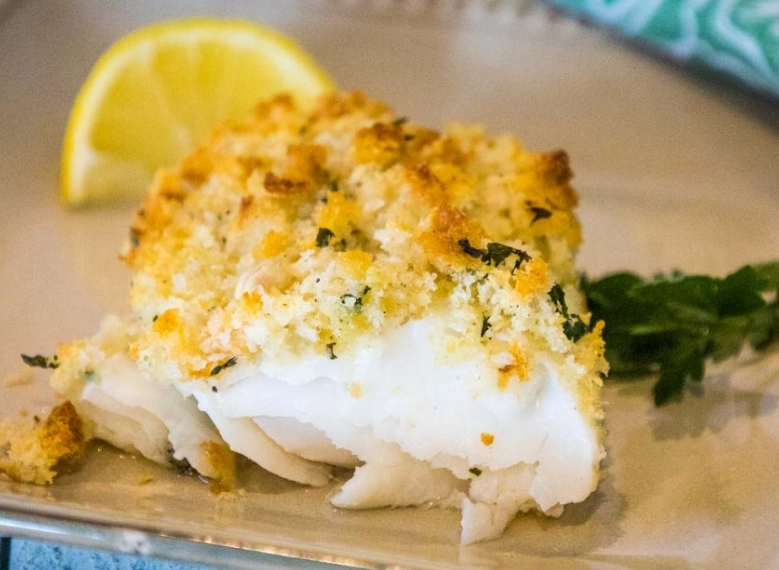
Your Haddock Questions, Answered
These are the real questions I get asked, not the textbook ones.
The bottom line? Haddock is forgiving if you respect its simplicity. Dry it well, season it confidently, watch the clock, and don't overcomplicate it. Start with a hot pan and some butter, and you really can't go wrong.