Beef carpaccio seems simple. Thin slices of raw beef, a drizzle of dressing, maybe some shaved cheese. But that simplicity is a trap. Get one thing wrong—the beef quality, the thickness, the acidity balance—and you go from a sublime, melt-in-your-mouth appetizer to a chewy, disappointing plate. After years of making it (and yes, messing it up), I’ve learned it’s all about the details everyone glosses over. This isn't just a recipe; it's a blueprint for avoiding the common pitfalls that keep homemade carpaccio from tasting like it came from a fine Italian restaurant.
In This Article
Choosing the Right Beef: Safety and Flavor First
Let’s tackle the elephant in the room first: eating raw beef. Most recipes just say "use the best quality beef you can find" and move on. That’s not helpful. Here’s what you actually need to know.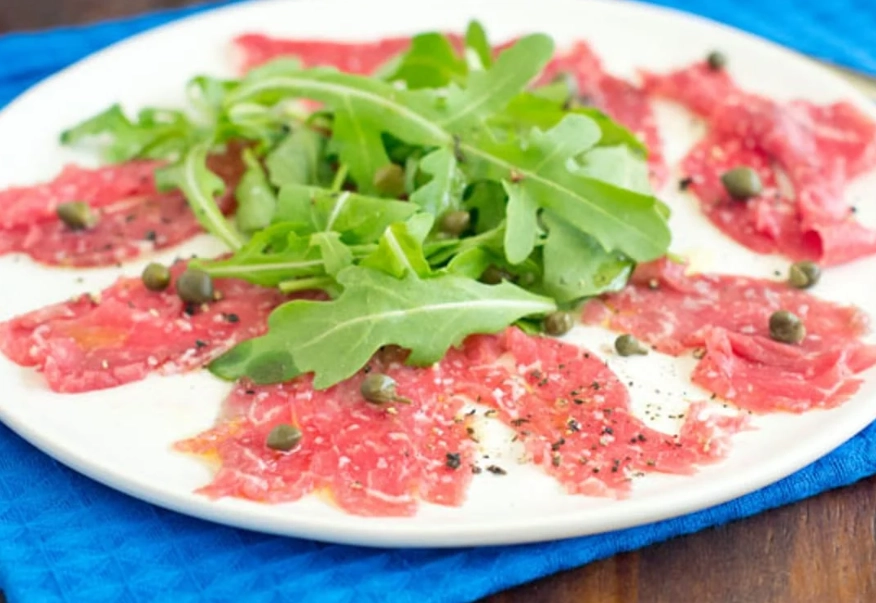
The single most important factor is not the price tag, but the source and handling. You want beef that has been handled with care from slaughter to packaging. I prioritize this over marbling for carpaccio. A lean, clean piece from a trusted butcher is safer and tastes better than a well-marbled steak from an anonymous supermarket tube.
Talk to your butcher. Ask for a center-cut piece from a tenderloin (filet mignon) or a top sirloin. Tell them it’s for carpaccio. A good butcher will give you a piece from the heart of the muscle, not the ends, which have more connective tissue.
Here’s my personal ranking for cuts, balancing safety, texture, and cost:
- Beef Tenderloin (Filet Mignon): The gold standard. Incredibly tender, lean, and uniform. It’s expensive, but you only need 6-8 ounces for four people as an appetizer.
- Top Sirloin Cap (Picanha): My under-the-radar favorite. It has a bit more flavor than tenderloin, is still very tender, and often costs less. Ask for the cap muscle specifically.
- Strip Loin (New York Strip): A good option if you want more beefy flavor. Be meticulous about trimming any fat or sinew.
Freezing is your friend. To address parasites (not bacteria), the FDA Food Code recommends freezing fish for raw consumption. While not a USDA requirement for beef, freezing your beef solid for at least 14 days at -4°F (-20°C) is a smart, extra precautionary step many chefs take. It also makes slicing thinner much easier.
The Pre-Slice Prep Everyone Skips
Before you even think about slicing, you need to prep the muscle. Take your chosen piece of beef and trim off all external fat and silverskin. That waxy, silvery membrane will never soften and will ruin the texture of your slice.
Next, shape it. You’re not slicing a random chunk. Tightly wrap the trimmed beef in plastic wrap, forming it into a smooth, compact cylinder about 1.5 to 2 inches in diameter. Twist the ends tightly. This step is non-negotiable. It gives you a uniform shape for perfect round slices and compacts the meat slightly, making it easier to slice thinly without tearing. Freeze this log for 45-60 minutes until it’s firm but not rock-solid.
How to Slice Beef Paper-Thin for Carpaccio?
This is where the magic happens, and where most home cooks give up. You don’t need a deli slicer, but you do need a plan.
Your knife is everything. Use the longest, sharpest slicing knife you have. A 10-inch chef’s knife or a long, thin-bladed slicer. I’ve tried it with a standard 8-inch chef’s knife, and it’s a struggle. The length gives you a smooth, single-stroke draw cut.
Take the semi-frozen beef log out of the freezer. Unwrap it. Now, instead of trying to slice straight down, use a gentle sawing motion with almost no downward pressure. Let the sharp edge of the knife do the work. Imagine you’re trying to shave the slice off, not cut through it.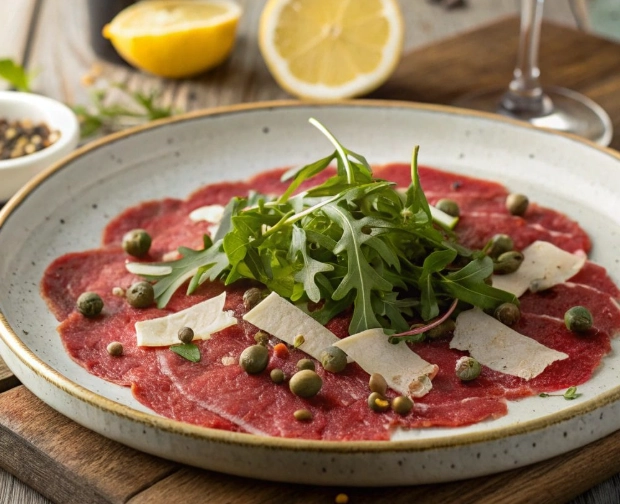
If your slices are tearing, the beef is too warm. Pop it back in the freezer for 15 minutes. If you’re applying a lot of force, your knife is too dull. Stop and sharpen it.
Crafting the Perfect Carpaccio Dressing
The dressing for beef carpaccio isn’t a vinaigrette. It’s an emulsion that clings to the beef and delivers bright, salty, umami punches without drowning the delicate meat. The classic is a riff on a lemony aioli, but simpler.
The Core Dressing (for 6-8 oz beef):
- High-quality extra virgin olive oil: 3 tablespoons. Use something fruity and peppery, not bitter.
- Fresh lemon juice: 1 tablespoon. Always fresh. Bottled juice has a stale, metallic edge that will stand out.
- Dijon mustard: 1 teaspoon. This is your emulsifier and adds a subtle depth.
- Sea salt flakes: (like Maldon) and freshly cracked black pepper.
- Capers: 1 tablespoon, rinsed and roughly chopped.
- Optional but highly recommended: 2-3 anchovy fillets, minced into a paste. This is the umami bomb that makes the dish. Don’t be scared; it won’t taste fishy, just deeply savory.
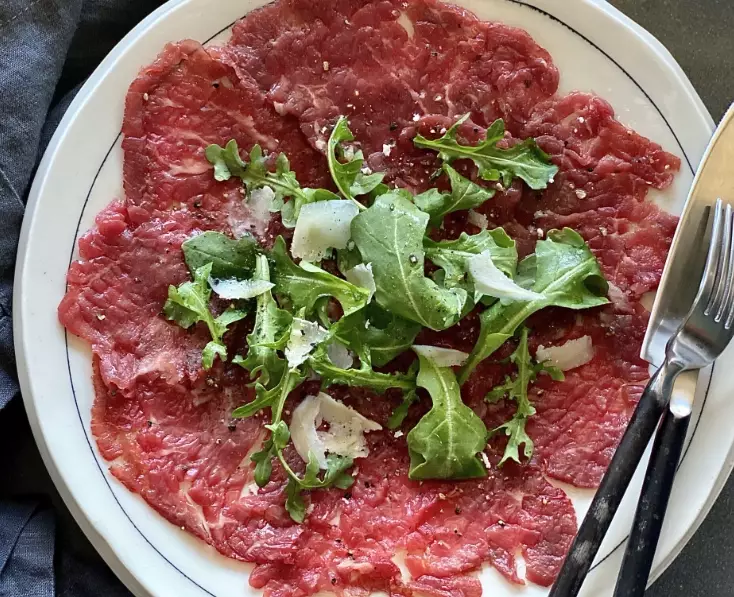
Whisk the lemon juice, Dijon, and anchovy paste (if using) together. Slowly drizzle in the olive oil while whisking vigorously until it thickens slightly. Stir in the capers. Taste. It should be bright and assertive on its own—it will mellow once on the beef.
The biggest mistake here? Using balsamic glaze from a bottle. It’s too sweet and syrupy and overpowers everything. If you want acidity, a few drops of a high-quality, aged balsamic vinegar can be drizzled at the end, but it’s not traditional.
Assembly and Serving: More Than Just Plating
Cold plates. I can’t stress this enough. Chill your serving plates in the freezer for 10 minutes before assembling. Raw beef gets greasy and loses its texture on a warm plate.
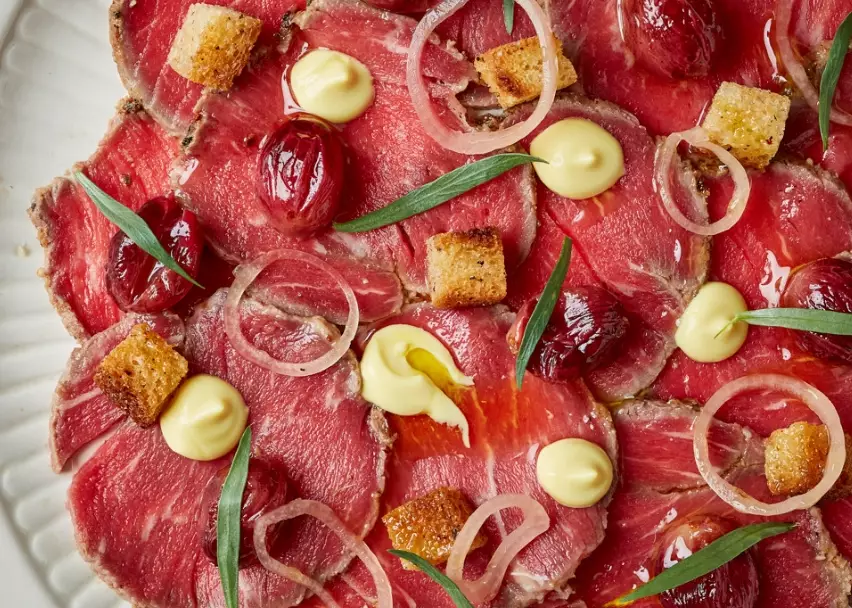
Arrange your pressed beef slices on the chilled plate. You can overlap them slightly or lay them out flat. Don’t pile them. Season lightly with a pinch of sea salt flakes.
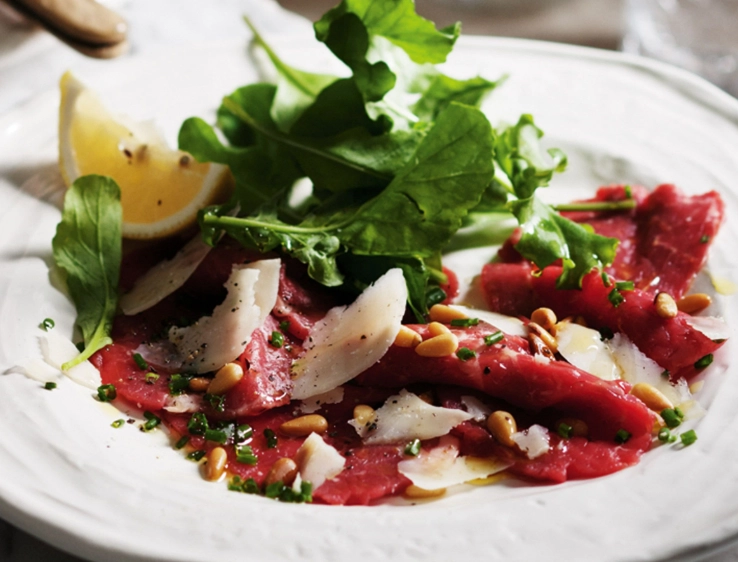
Spoon the dressing over the beef. You’re not coating a salad; you’re accenting. Use about two-thirds of it. Now, add your garnishes. The classic is arugula and Parmigiano-Reggiano shavings. The peppery arugula and salty, nutty cheese are perfect foils.
Finish with a final drizzle of your best olive oil, a last crack of pepper, and the remaining dressing. Serve immediately. Carpaccio waits for no one.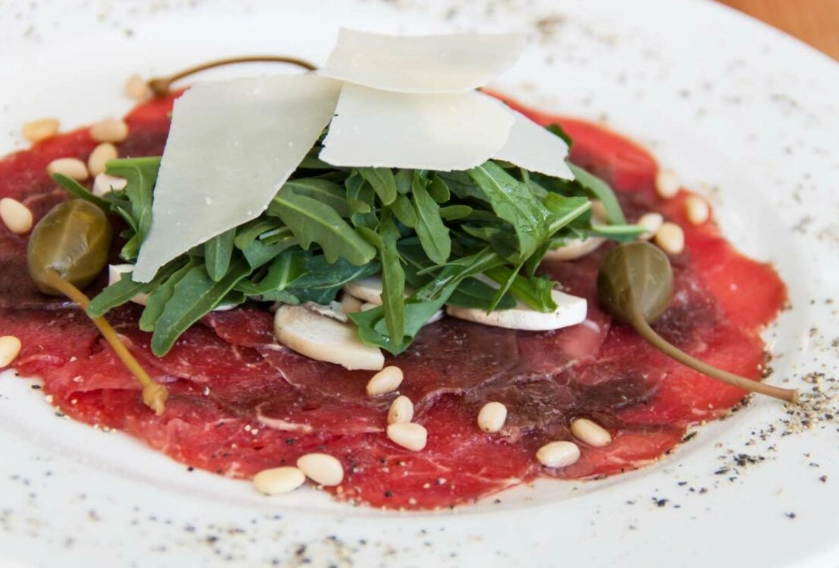
Creative Variations Beyond the Classic
Once you’ve mastered the classic, play around. The technique remains the same.
Tuna Carpaccio: Swap beef for sushi-grade tuna (like yellowfin or bigeye). Freeze it as a log. The dressing changes too: use lime juice instead of lemon, add a touch of sesame oil to the olive oil, and garnish with toasted sesame seeds and micro cilantro. This is a fantastic summer appetizer.
Vegetable "Carpaccio": Not a true carpaccio, but a great technique. Use a mandoline to slice raw vegetables paper-thin—beets, zucchini, fennel, mushrooms. Marinate them briefly in a lemon-olive oil dressing to soften slightly. Layer them artfully. It’s a stunning vegan or vegetarian starter.
Asian-Inspired Beef Carpaccio: Use a soy-ginger-lime dressing with a touch of sesame oil. Garnish with sliced scallions, toasted peanuts, and Thai basil. It’s a completely different flavor profile but just as delicious.