Let's get one thing straight. The dried tagliatelle from the supermarket is fine in a pinch, but it's a different species compared to the fresh, egg-rich ribbons you can make in your own kitchen. The texture, the way it holds sauce, the subtle flavor of the wheat and eggs—it's transformative. Making tagliatelle from scratch isn't some mystical art reserved for Italian nonnas. It's a straightforward, deeply satisfying process. I've been making pasta for years, and I still get a thrill from turning a simple pile of flour and eggs into a meal that makes people close their eyes and sigh. This guide will walk you through the authentic tagliatelle recipe, step by step, and crucially, how to avoid the subtle mistakes that separate good homemade pasta from great.
What You'll Learn Inside
Why Fresh Tagliatelle Beats Dried (For Certain Sauces)
This is the first point most recipes gloss over. Fresh egg pasta and dried durum wheat pasta are designed for different jobs. Dried pasta has a firm, resilient bite (al dente) that stands up to hearty, chunky sauces like puttanesca or arrabbiata. Fresh tagliatelle is softer, more porous, and richer. It's made to cling to and absorb creamy, buttery, or meaty sauces. Think of it as a sauce vehicle. A classic Bolognese ragù, a rich Alfredo, or a simple sage butter sauce—these are where fresh tagliatelle shines. If you're using a light tomato or seafood sauce, a good quality dried spaghetti might actually be the better choice. Knowing this saves you from a disappointing meal.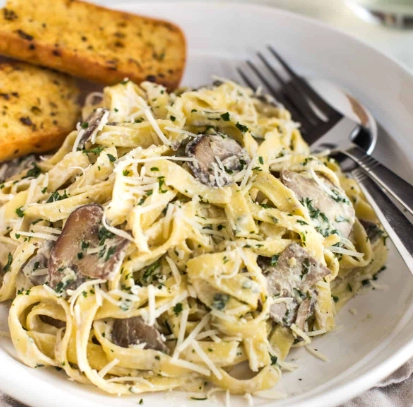
How to Make Tagliatelle Dough from Scratch
The foundation. Get this right, and everything else follows. The classic ratio in Emilia-Romagna, the home of tagliatelle, is one large egg per 100 grams of flour. It's that simple.
What You Need (Serves 4)
- Flour: 300g (about 2 1/2 cups) of "00" flour. This is the key. All-purpose works, but "00" is finer, lower in protein, and gives a more tender, silky bite. It's worth seeking out. If you can't find it, a 50/50 mix of all-purpose and cake flour is a decent hack.
- Eggs: 3 large eggs, at room temperature. Cold eggs make the dough harder to work.
- Salt: A tiny pinch, maybe 1/4 teaspoon, mixed into the flour. Some purists add none to the dough, relying on the salted cooking water.
- Equipment: A large wooden board or clean countertop, a fork, a bench scraper (incredibly useful), plastic wrap, and a rolling pin or pasta machine.
Here's the method, with the nuance most videos skip.
Mound your flour on the board and make a wide well in the center. Crack the eggs into the well. Using a fork, start beating the eggs, gradually incorporating flour from the inner walls of the well. Go slow. If the dam breaks and egg runs everywhere, just use your bench scraper to herd it back. It's not a disaster.
Once a shaggy dough forms, use your hands to knead. This is where people give up too soon. You need to knead for a full 8-10 minutes by hand. The dough will start sticky, then become tough and lumpy, and finally transform into a smooth, elastic, almost silky ball. If it's cracking, it's too dry—wet your hands and knead the moisture in. If it's sticking to everything, dust with a tiny bit of flour. Wrap it tightly in plastic and let it rest at room temperature for at least 30 minutes. This relaxes the gluten, making it infinitely easier to roll out. Don't skip the rest.
The Right Way to Roll and Cut Your Pasta
You can use a rolling pin. It's a workout, but doable. Aim for a sheet so thin you can almost see your hand through it. A pasta machine (even a cheap one) is a game-changer for consistency.
Divide your rested dough into 4 pieces. Keep the ones you're not working with covered. Flatten a piece into a thick oval and start rolling it through the machine on the widest setting. Fold it into thirds like a letter, and roll it through again. Do this 2-3 times to strengthen the sheet. Then, without folding, start rolling it through progressively thinner settings. I usually stop at setting 6 or 7 on a Marcato Atlas. You want it thin, but not so thin it tears easily.
Lay the long sheet on a lightly floured surface. Let it dry for just 2-3 minutes—this prevents sticking when cut. Too long, and it becomes brittle. Lightly fold the sheet into a loose roll, like a scroll. Using a sharp knife, cut across the roll into strips about 1 cm (a little less than 1/2 inch) wide. Unfurl the ribbons. That's your tagliatelle. Dust them lightly with semolina or flour and coil into little nests on a tray.
The Pro Tip Everyone Misses
Don't flour the sheets excessively between rolling and cutting. A light dusting is fine, but too much dry flour on the surface creates a gritty texture when cooked and prevents the sauce from adhering properly. A little tackiness is okay. The best separator is fine semolina flour—it's grittier than "00" and prevents clumping without creating that pasty layer.
Tagliatelle Sauce Pairing: The Golden Rules
Pairing is everything. Here’s a quick guide to get it right every time.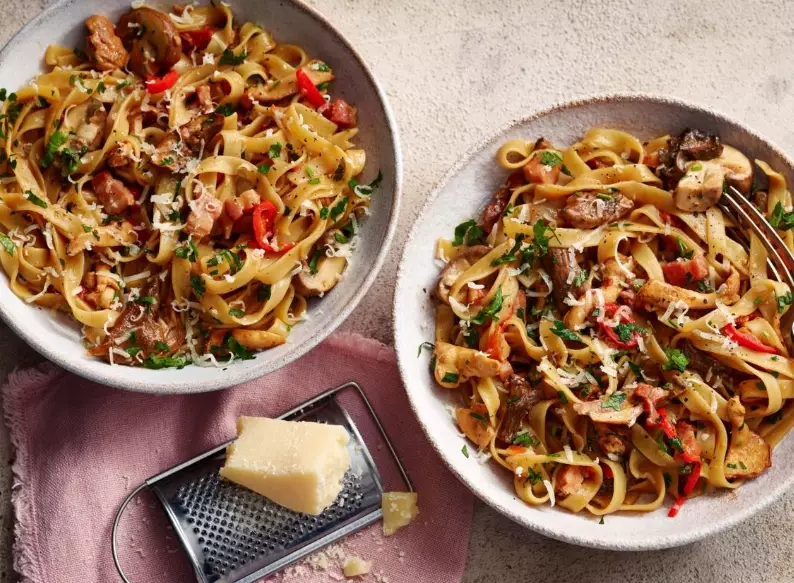
| Sauce Type | Why It Works with Tagliatelle | Classic Example |
|---|---|---|
| Rich, Meat-Based Ragù | The porous, eggy ribbons trap the tiny shreds of meat and absorb the long-cooked flavors. This is the iconic pairing. | Tagliatelle al Ragù Bolognese (the real one, with milk and no tomatoes in the sauce). |
| Creamy & Cheesy Sauces | The broad surface area coats evenly, and the soft texture complements the richness without fighting it. | Tagliatelle Alfredo (the Roman way: just pasta water, butter, and Parmigiano). |
| Simple Butter & Herb | Allows the flavor of the fresh pasta itself to be the star, with the fat lightly clinging to each strand. | Tagliatelle with Brown Butter, Sage, and Toasted Walnuts. |
| Hearty Mushroom | The earthy sauce clings to the ribbons, and the textures are a perfect match. | Tagliatelle with Wild Mushrooms and Truffle Oil. |
What doesn't work as well? Thin, brothy sauces or very acidic, raw tomato sauces. They tend to slide off and don't have the body to partner with the pasta.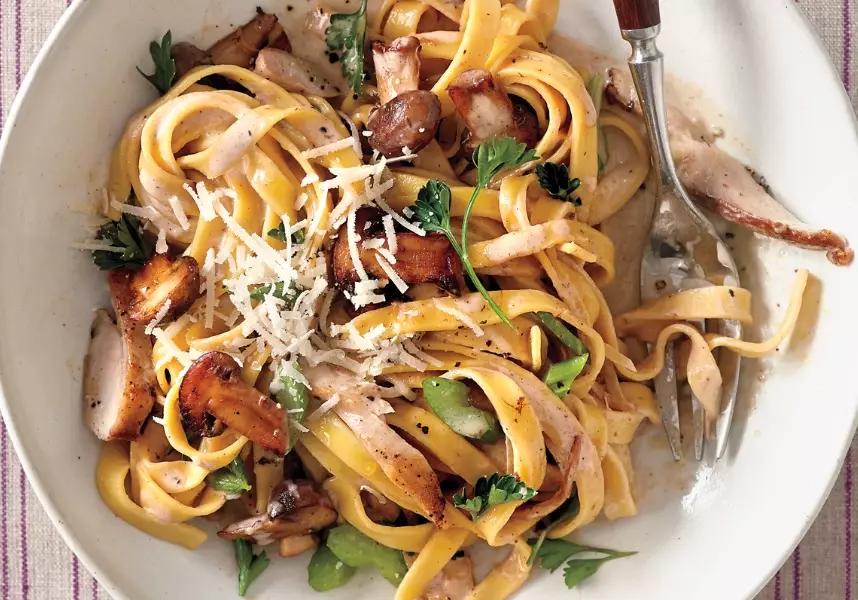
Making a Quick Weeknight Tagliatelle with Ragu
Don't have 4 hours for a traditional Bolognese? Here's my cheat: In a pan, brown 250g of good quality sausage meat (casings removed) or ground pork. Add a finely chopped small onion, carrot, and celery stalk. Cook until soft. Pour in a cup of passata (strained tomatoes) and a half cup of beef broth. Simmer for 25-30 minutes until thickened. Season with salt, pepper, and a pinch of nutmeg. Toss with your freshly cooked tagliatelle and a handful of grated Parmigiano. It captures the spirit in a fraction of the time.
Cooking & Storing Fresh Pasta Like a Pro
Cooking: Use a large pot of well-salted water (it should taste like the sea). Fresh tagliatelle cooks in 2 to 3 minutes, sometimes less. Start tasting after 90 seconds. It's done when it's tender but still has a slight bite—"al dente" for fresh pasta is a softer concept than for dried. Reserve a mug of the starchy pasta water before draining.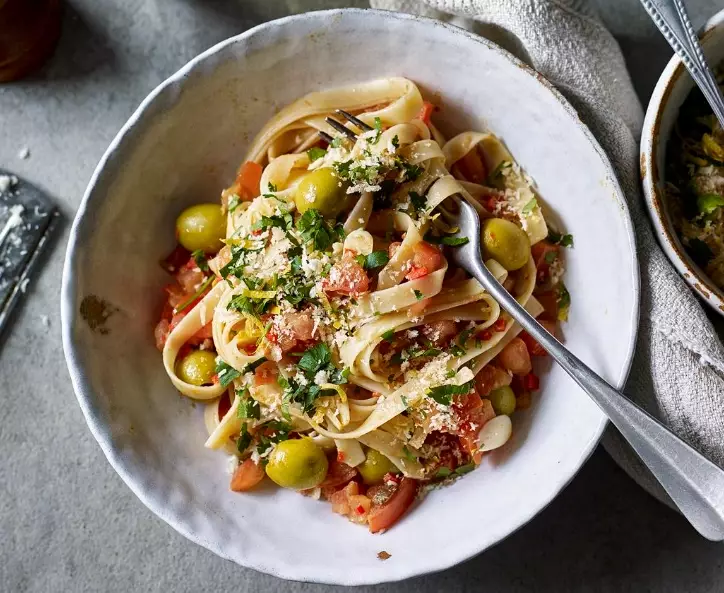
Finishing the dish: Never just dump sauce on top of drained pasta. The real magic happens in the pan. Drain the pasta (it's okay if it's a tiny bit underdone) and add it directly to your simmering sauce in a large skillet or back into the empty pot. Add a splash of that reserved pasta water. Toss, toss, toss over medium heat for a minute. The starch in the water emulsifies with the fat in the sauce, creating a creamy, cohesive coating that clings to every strand. This is non-negotiable.
Storing: Fresh tagliatelle is best cooked the same day. You can lay the nests on a floured tray, cover lightly, and refrigerate for up to 24 hours. For longer storage, freeze the nests on a parchment-lined tray until solid, then transfer to a freezer bag. Cook from frozen, adding a minute to the cooking time.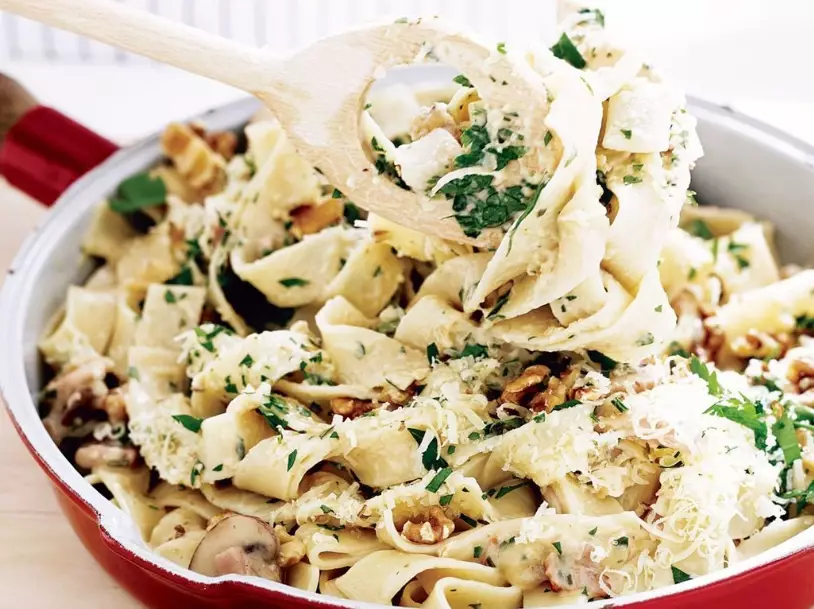
Your Tagliatelle Questions, Answered
Can I use all-purpose flour instead of "00" flour?
You can, and it will make decent pasta. The main difference is in the texture. All-purpose flour has a higher protein (gluten) content, which can make the dough a bit tougher and chewier. The resulting tagliatelle will be more robust, less delicate. If that's all you have, go for it—it's still homemade and miles better than most store-bought. For a closer approximation to "00," try replacing about a quarter of the all-purpose flour with cake flour to lower the protein level.
My dough is too sticky and impossible to handle. What did I do wrong?
Humidity and egg size are the usual culprits. On a humid day, flour absorbs moisture from the air, so you might need a bit more. Start by adding a tablespoon of extra flour at a time during kneading. Conversely, if your eggs are very large, you might have too much liquid. The fix is the same: knead in more flour until the dough loses its tackiness and becomes smooth. Don't be afraid to get your hands dirty and work it for the full time—it often comes together in the last few minutes of kneading.
How thin should I really roll the pasta sheets?
Thinner than you think. A good test is to hold the sheet up to a window or a light. You should be able to vaguely see the light through it. If you're using a machine, go down to at least the second-to-last setting. Thick tagliatelle is doughy and unpleasant. The ribbons should feel delicate and almost translucent. Remember, they will plump up slightly when cooked.
Can I make the dough ahead of time?
Absolutely, and it often improves the flavor. After kneading, wrap the dough tightly in plastic and refrigerate it for up to 24 hours. This slow rest allows the flour to fully hydrate and the gluten network to relax even more, making it easier to roll and giving a better texture. Let it sit at room temperature for about an hour before you start rolling to take the chill off.
Why does my fresh tagliatelle turn out gummy or mushy?
Two main reasons: overcooking and insufficient salt in the water. Fresh pasta cooks in minutes. Set a timer and taste constantly. As soon as it's tender, it's done. Secondly, under-salting the cooking water is a fatal flaw. The pasta needs to be seasoned from the inside out. The water should be as salty as mild seawater. If your pasta tastes bland or the texture is off, check your salt levels next time.