Let's be honest. Your first attempt at homemade beef pho probably didn't taste like the bowl from your favorite Vietnamese spot. The broth was weak. The spices felt off. It was good, but not that good. I've been there. After years of tweaking, failing, and finally succeeding, I've learned that authentic pho isn't about a secret ingredient—it's about a process. A process that's simpler than you think, but with a few non-negotiable steps most blogs skip. This guide will walk you through it, from selecting the right bones to that final, fragrant ladle of broth over silky noodles.
What's Inside This Pho Guide?
The Heart of Pho: Demystifying the Broth
This is where the magic happens, and where most people cut corners. A great pho broth is clear, deeply savory, and aromatic—not murky or greasy. The goal is to extract flavor and gelatin from bones without emulsifying fat and impurities.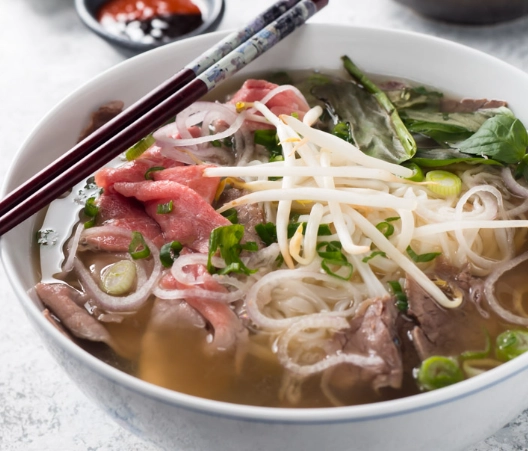
You'll need about 4-5 pounds of beef bones. A mix is best: meaty marrow bones for richness, and knuckle or neck bones for gelatin. Get them from a butcher if you can; they're often cheaper and fresher than supermarket packs.
The Two-Step Bone Prep You Can't Skip
First, parboil. This is the single most important step for a clear broth. Cover the bones with cold water in your stockpot, bring to a rolling boil, and let it go for 5-10 minutes. You'll see a ton of grayish scum rise to the top. Dump everything into the sink, rinse the bones under cold water, and scrub the pot clean. This removes impurities that would otherwise cloud your broth.
Second, char your aromatics. While the bones parboil, take a whole onion and a 3-inch piece of ginger, halved lengthwise. Char them directly over a gas flame or under a broiler until blackened in spots. This adds a smoky, sweet depth you can't get from raw vegetables. Don't be shy—black is good.
The Long, Gentle Simmer
Return the cleaned bones to the clean pot. Cover with about 6 quarts of cold water. Bring it to a boil, then immediately reduce to the gentlest possible simmer. We're talking a few lazy bubbles breaking the surface. A rolling boil will make your broth cloudy.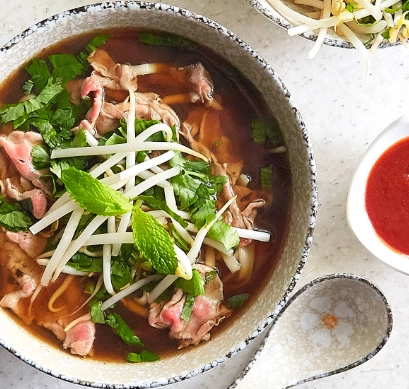
Add the charred onion and ginger, and your spice bag (we'll build that next). Simmer, uncovered, for at least 8 hours, preferably 12. Yes, really. I often start it after dinner and let it go overnight on the lowest heat. Skim off any fat or foam that rises in the first hour or two.
Pro Tip: Water evaporation is your friend. Don't be tempted to keep the lid on to "save" water. The broth needs to reduce and concentrate. Just top it off with boiling water if the bones start to peek above the surface.
Building Your Pho Spice Bag (The Right Way)
The spice profile is what makes pho, pho. It's warm, slightly sweet, and complex. You can find pre-made pho spice packets, but building your own is cheaper and lets you control the balance.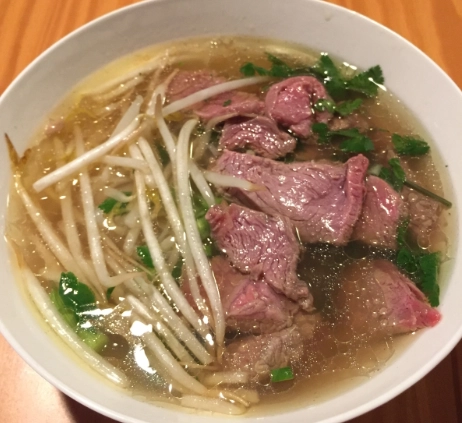
Here's the core lineup:
- Star Anise: The star of the show (pun intended). Provides a sweet, licorice-like base.
- Cinnamon Stick: One stick, preferably Cassia for its stronger flavor.
- Cloves: 4-5 whole cloves. They're potent, so don't overdo it.
- Black Cardamom Pods: 1-2 pods, lightly smashed. This is the secret weapon—it adds a smoky, almost menthol note. Green cardamom is a different flavor; try to find the black ones at an Asian market.
- Coriander Seeds: 1 tablespoon, toasted. Adds a citrusy, floral touch.
- Fennel Seeds: 1 teaspoon, toasted. Complements the anise.
The mistake? Throwing them in raw. Toast your whole spices in a dry pan over medium heat for 1-2 minutes until fragrant. This wakes up their essential oils. Then, tie them all in a piece of cheesecloth or a large tea infuser. Add this bag to the broth during the last 60-90 minutes of simmering. Any longer and the spices can turn bitter.
Choosing Your Beef: Bones, Cuts & That Paper-Thin Slice
Pho isn't just about the broth in the pot; it's about the meat you serve in the bowl. There are two categories: meat for simmering in the broth (for flavor) and meat for serving raw/rare in the bowl.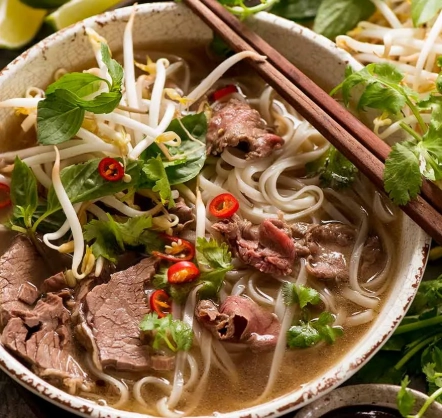
| Beef Cut | Purpose | How to Prepare | Notes |
|---|---|---|---|
| Marrow & Knuckle Bones | Broth Base | Parboiled, then simmered 8-12 hrs. | Provides richness, body, and gelatin. |
| Beef Brisket or Chuck | Broth & Cooked Meat | Simmer in broth for 2-3 hrs until tender. | Remove, slice, serve as a cooked topping. Don't overcook—it dries out. |
| Beef Tendon | Optional Topping | Simmer in broth for 3+ hrs until gelatinous. | Adds fantastic texture. An authentic touch. |
| Eye of Round or Sirloin | Rare Beef Topping (Pho Tai) | Slice paper-thin while partially frozen. Ladle hot broth over. | This is the classic "pho tai" meat. Must be sliced against the grain. |
For the rare beef, here's my method: freeze the piece of eye of round for 60-90 minutes until it's firm but not rock-solid. This is the only way to get those restaurant-style, translucent slices. Use your sharpest knife and slice against the grain. Arrange a handful in each bowl before you add the noodles and hot broth.
Noodles, Toppings & The Final Assembly
The broth is done. The meat is sliced. Now, bring it all together.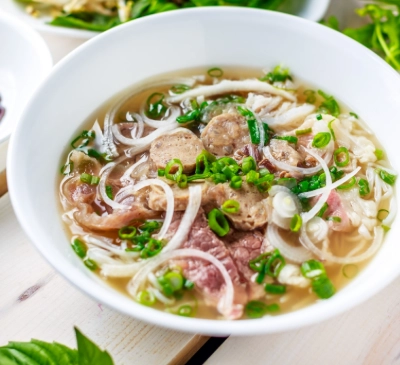
Noodles: Use dried banh pho rice noodles (flat, about 1/4-inch wide). Cook them according to package directions—usually a quick soak in hot water—but undercook them slightly. They'll finish cooking in the hot broth. Rinse under cold water to stop the cooking and prevent sticking.
The Toppings Plate (Rau Thom): This is non-negotiable for freshness. Prepare a plate with:
- Fresh bean sprouts
- Thai basil leaves (not Italian basil)
- Sawtooth herb (ngo gai) or cilantro if you can't find it
- Lime wedges
- Thinly sliced Thai bird's eye chilies
The Sauces: Have Sriracha and hoisin sauce on the table for personal preference.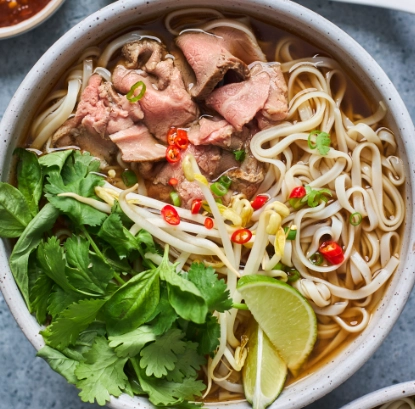
Assembly Line
- Divide the softened noodles among large bowls.
- Top with your sliced raw eye of round, and any cooked brisket or tendon.
- Bring your broth to a rolling boil. Season it now with salt and fish sauce (about 2 tbsp fish sauce per quart of broth). Taste. It should be saltier than you think—the noodles will balance it. Ladle the piping hot broth directly over the raw meat.
- Serve immediately, letting everyone add their own herbs, sprouts, lime, and chili.
Don't Do This: Adding fish sauce during the long simmer. The flavor dissipates. Always season your broth at the very end, just before serving.
Realistic Time-Saving Hacks for Busy Cooks
I get it. A 12-hour broth isn't a Tuesday night project. Here are legitimate shortcuts that don't completely sacrifice flavor.
The Pressure Cooker Method: This is the best hack. After parboiling and rinsing the bones, put them in a pressure cooker with the charred aromatics, spices, and water (don't fill past the max line). Pressure cook on high for 2 hours. Let the pressure release naturally. The result is a remarkably rich and clear broth in a fraction of the time.
The Hybrid Broth: Start with 2 quarts of a high-quality, low-sodium store-bought beef bone broth. Simmer it with your charred onion, ginger, and spice bag for 45 minutes. Add a pound of fresh meaty bones (parboiled) to simmer in that concentrated base for another 2 hours. It boosts the store-bought flavor significantly.
Make-Ahead & Freeze: Pho broth freezes beautifully. Make a double batch on a weekend, let it cool, skim the fat, and freeze in quart containers. A weeknight pho is then 20 minutes away—just thaw broth, boil noodles, and slice meat.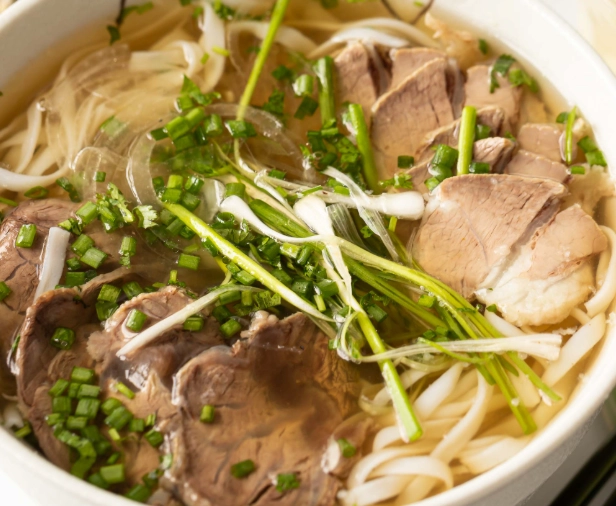
Your Pho Questions, Answered
Making pho at home is a project, but it's a deeply rewarding one. It teaches you about patience, layering flavors, and the simple magic of broth. Don't be intimidated by the time. Embrace the simmer. Your kitchen will smell incredible, and that first slurp of a bowl you built from scratch? Nothing beats it. Start with the pressure cooker method if you're new, then graduate to the all-day simmer when you have a lazy weekend. Once you crack the code, you might just find your homemade version becomes the favorite.