White asparagus season is a big deal where I'm from. For a few precious weeks in spring, markets are filled with these ivory stalks, and everyone has an opinion on the best way to cook them. I've seen people mess it up too many times—ending up with stringy, bitter spears that taste more like punishment than a delicacy. It doesn't have to be that way. After years of trial and error (and a few failed dinner parties), I've nailed down the methods that work every time. This isn't just about following a white asparagus recipe; it's about understanding the vegetable itself.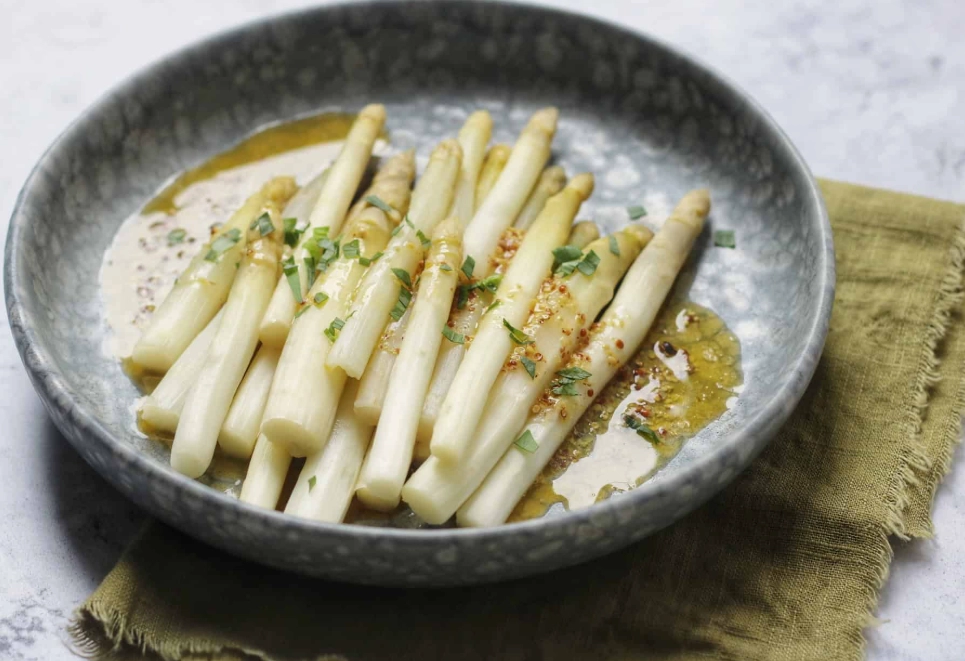
In This Article
How to Select and Prepare White Asparagus (The Non-Negotiable First Step)
You can't salvage bad asparagus with a great recipe. Start right.
Buying: Look for firm, straight stalks with tightly closed, pale tips. The cut ends should look moist, not dry and woody. Avoid any with wrinkled skin or tips that are starting to turn greenish and open up—they're past their prime. Thickness is a matter of preference; thicker spears are often more tender inside, but thinner ones cook faster.
Now, the single most important step that most guides gloss over: peeling. This is where I see the biggest mistake. People don't peel enough, or they peel too lightly.
The lower two-thirds of a white asparagus stalk is protected by a tough, fibrous skin that is nearly inedible. You must remove it completely. Don't just skim the surface. Here's my method: Lay the spear flat on a board. Start about an inch below the tip. Use a sharp vegetable peeler and apply firm, even pressure, rotating the spear as you go. Peel all the way down to the woody end. You should see the pale, almost translucent flesh underneath. If you see any remaining greenish fibers, take another pass. It feels like a chore, but it's the difference between a melt-in-your-mouth experience and a chewy, stringy one.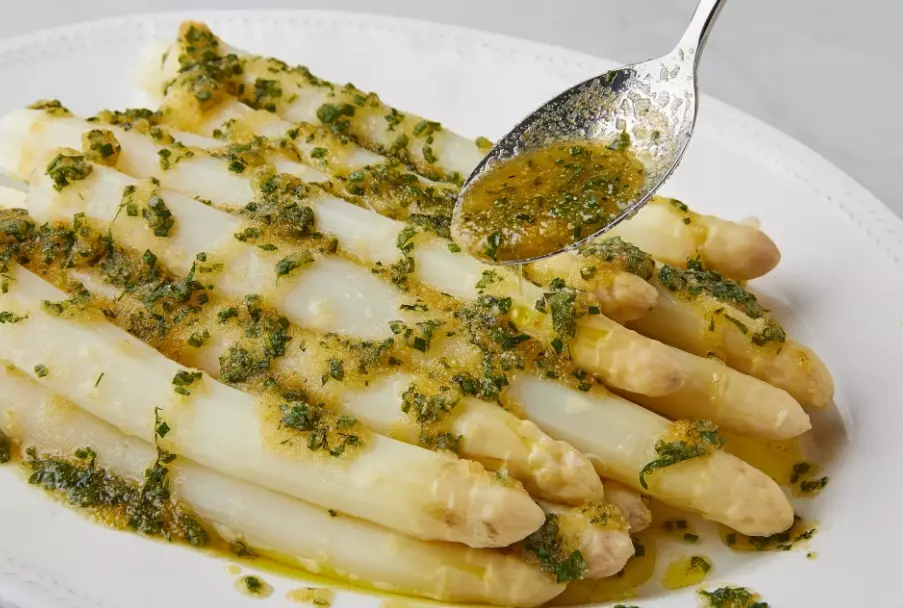
Finally, trim the woody ends. Don't just snap them; sometimes that wastes too much. Instead, bend the stalk near the bottom—it will naturally break where the woody part begins. Or, if your spears are very uniform, you can simply cut off about 1-1.5 inches from the bottom.
Three Core Cooking Methods Compared
Each technique gives you a different result. Your choice depends on whether you want tender simplicity, caramelized flavor, or hands-off ease.
| Method | Best For | Key Steps | Texture & Flavor |
|---|---|---|---|
| Classic Boiling/Simmering | Traditionalists, serving with sauces (Hollandaise), beginners. | Peel & trim. Tie in a bundle. Simmer upright in tall pot if possible, or lay flat. Add salt, sugar, butter to water. | Extremely tender, delicate, pure asparagus taste. Can become soggy if overcooked. |
| Pan-Roasting/Sautéing | Quick weeknight meals, maximizing natural sugars, pairing with pasta or proteins. | Peel, trim, cut into bite-sized pieces. Sauté in butter/oil over medium-high heat until golden and just tender. | Firmer bite, concentrated sweet and nutty flavor with caramelized edges. |
| Oven-Roasting | Hands-off cooking, cooking large batches, achieving deep flavor. | Peel, trim, toss with oil, salt, pepper. Roast on a sheet pan at 400°F (200°C) until tender and lightly browned. | Similar to pan-roasting but slightly drier exterior, intensely sweet interior. |
I default to pan-roasting. It's faster than boiling, gives you more control than the oven, and that bit of browning adds a complexity you just don't get from water. But if I'm making the ultimate classic—asparagus with ham and hollandaise—only the simmering method will do.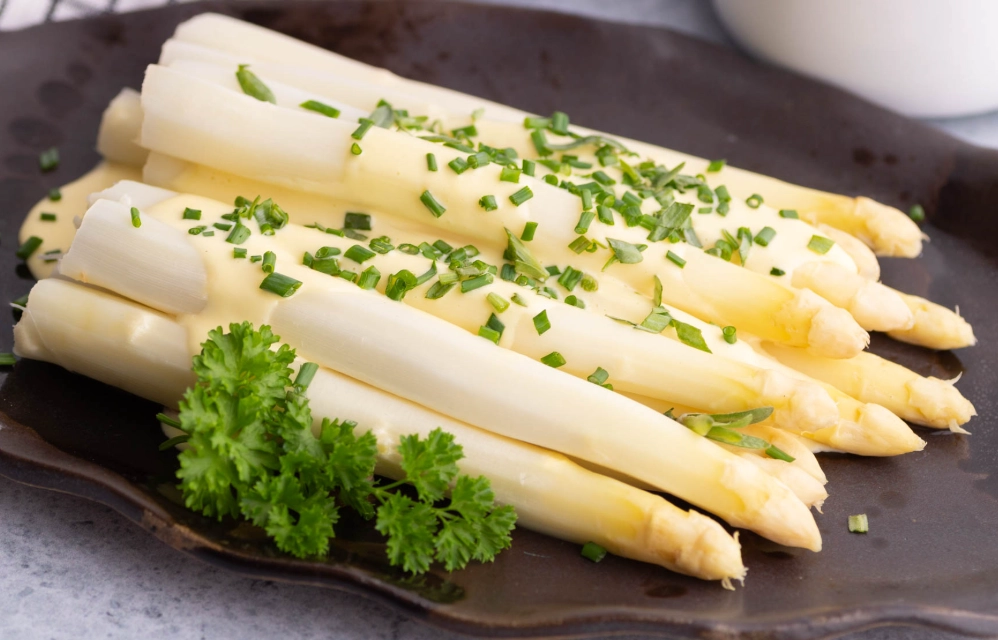
How to Simmer White Asparagus Perfectly
Fill a wide pan or pot with enough water to cover the spears. For every liter/quart of water, add a teaspoon of salt, a pinch of sugar (this balances any residual bitterness), and a knob of butter. Bring to a simmer, not a rolling boil. Add the peeled asparagus. Cook uncovered. Timing is everything: start checking thin spears after 8 minutes, thick ones after 12-15. They're done when a knife tip pierces the thickest part with just a slight resistance. Use a slotted spoon to transfer them directly to a warm serving plate. Never let them sit in the hot water.
How to Pan-Roast White Asparagus
Cut the peeled spears into 2-inch pieces. Heat a mix of butter and olive oil in a large skillet over medium-high heat. Add the asparagus in a single layer—don't crowd the pan. Let it sit for a minute without stirring to get some color. Then toss and cook for another 5-8 minutes total, until tender-crisp and spotted with gold. Finish with a squeeze of lemon juice and maybe some herbs right in the pan.
Three Classic White Asparagus Recipes to Master
These are the dishes you'll see everywhere during Spargelzeit (asparagus season) in Germany and beyond. They're classics for a reason.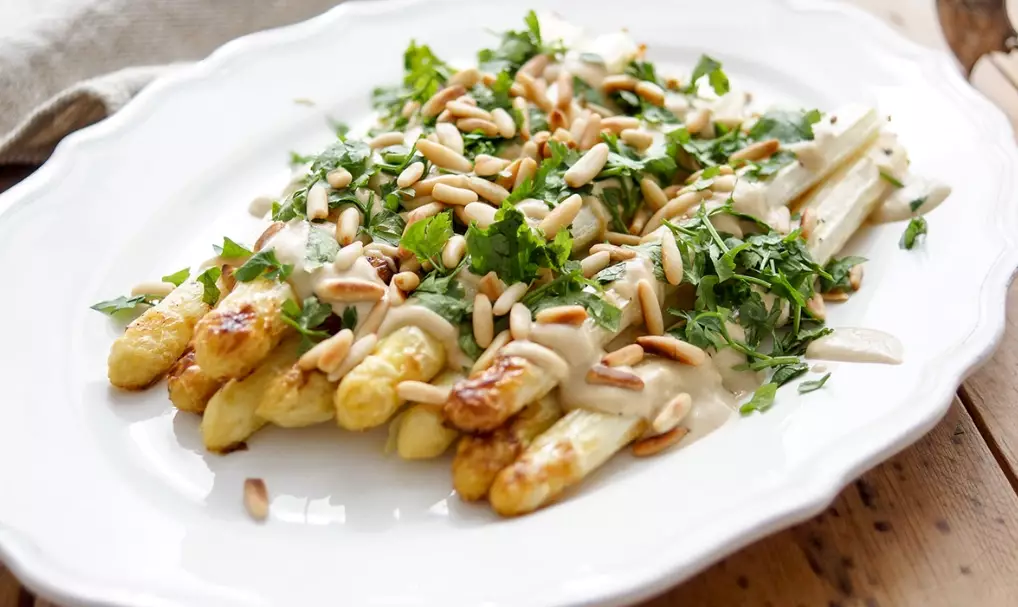
1. The Ultimate White Asparagus with Hollandaise
This is the benchmark. Simmer your asparagus as described above. For the hollandaise, I use a blender method—it's foolproof. Melt 150g of unsalted butter until hot and foamy. In a blender, combine 3 egg yolks, a tablespoon of lemon juice, a pinch of salt, and a dash of cayenne. Blend on low, then slowly drizzle in the hot butter until the sauce is thick and creamy. It should coat the back of a spoon. Serve the warm asparagus draped with the hollandaise, alongside boiled new potatoes and maybe a slice of smoked ham. It's rich, luxurious, and the essence of spring.
2. White Asparagus "Spargel" with Ham and Cheese Sauce
A more everyday, comforting take. Simmer the asparagus. For the sauce, make a simple béchamel: melt 2 tbsp butter, stir in 2 tbsp flour, cook for a minute, then whisk in 300ml warm milk until smooth. Cook until thickened. Off the heat, stir in 100g of grated Emmental or Gruyère until melted. Season with nutmeg, salt, and white pepper. Arrange the asparagus on a plate, top with slices of cured ham (like Black Forest or prosciutto), and pour the cheese sauce over everything. It's like a warm, savory hug.
3. Pan-Roasted White Asparagus Pasta
My go-to for a quick, impressive meal. Pan-roast a pound of asparagus pieces as described. In the same pan, add a minced garlic clove for the last 30 seconds. Deglaze with a splash of white wine or pasta water. Toss this mixture with freshly cooked tagliatelle or fettuccine. Add a handful of grated Parmesan, lots of black pepper, and a sprinkle of chopped parsley or chives. The pasta soaks up all the buttery, asparagus-infused flavors. It's simple but feels gourmet.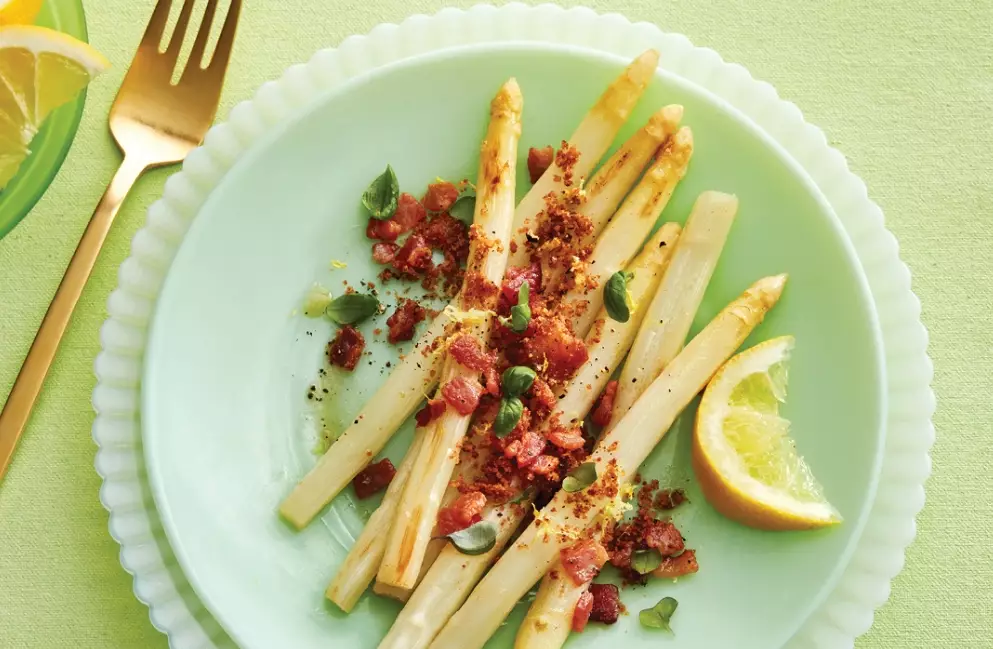
Your White Asparagus Questions, Answered
Why does my white asparagus sometimes taste bitter?
Bitterness usually comes from two places. First, inadequate peeling—the skin holds bitter compounds. Second, overcooking. Prolonged boiling can leach out flavors that turn harsh. Stick to simmering and test for doneness early. A pinch of sugar in the cooking water is an old trick that helps neutralize any underlying bitterness.
Do I really need to peel white asparagus if I'm going to roast it?
Absolutely. The high heat of roasting will not break down that tough outer layer. You'll end up with a stalk that's charred on the outside but still fibrous and difficult to chew inside. Peeling is non-negotiable for any cooking method if you want a pleasant texture.
How should I store fresh white asparagus before cooking?
Treat it like fresh flowers. Trim the ends slightly, stand the bunches upright in a jar or container with about an inch of cold water, and loosely cover the tops with a plastic bag. Store in the refrigerator. This keeps them hydrated and crisp. According to the University of California's Agriculture and Natural Resources department, storing asparagus in high humidity is key to preventing rubberiness. Don't wash them until you're ready to cook.
Can I substitute green asparagus in a white asparagus recipe?
You can, but expect a different dish. Green asparagus has a grassier, more pronounced flavor and is much more tender (it rarely needs peeling). Cooking times will be shorter. The result won't be that classic, mild, delicate flavor of a white asparagus recipe, but it can still be delicious. Adjust your expectations and treat it as a variation, not a direct swap.
Is white asparagus safe to eat raw?
Technically yes, but I wouldn't recommend it. Unlike its green counterpart, which can be nice shaved thinly in salads, white asparagus contains higher levels of asparagusic acid (the compound that gives asparagus its distinctive flavor). This can be quite harsh and slightly bitter when raw. Cooking mellows it out beautifully. If you want to try it raw, peel it meticulously and shave it paper-thin with a mandoline, then use it sparingly as a garnish.
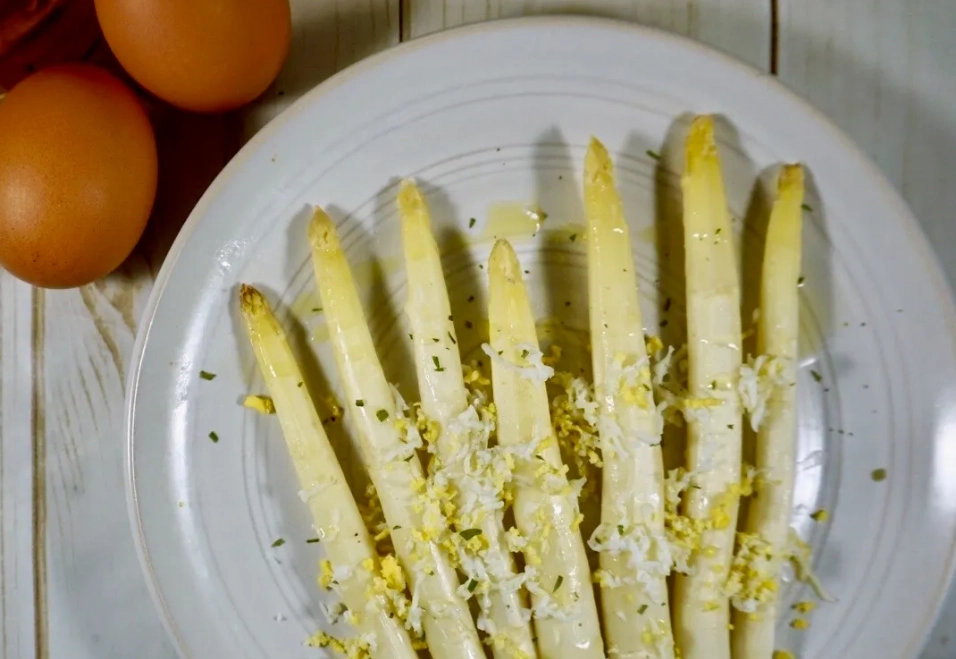 The window for fresh white asparagus is short. Don't overthink it. Grab a bunch, peel it thoroughly, choose your method, and enjoy one of the simplest, most rewarding tastes of spring. Once you get the prep right, any white asparagus recipe you try will shine.