Let's talk about masala dosa. Not the sad, limp version you sometimes get at buffets. I mean the real deal: a crispy, golden-brown crepe with a lacy edge, fermented just right, wrapped around a warmly spiced potato filling. That first bite—the crunch, the tang from the batter, the heat from the masala—it's pure comfort. After years of trial and error (and more than a few rubbery or torn dosas), I've nailed down a method that works consistently in a home kitchen, without any special equipment.
What's Inside This Guide
What Makes a Great Masala Dosa? It's All in the Batter
Most recipes focus on the potato filling, and sure, that's important. But the soul of a dosa is its batter. A perfect batter ferments slowly, developing a complex sourness and air pockets that translate into that signature crispness and golden color. The common mistake? Rushing fermentation with too much yeast or keeping it in an overly hot place. This gives you a quick rise but a bland, one-dimensional flavor and a dosa that's more spongy than crisp.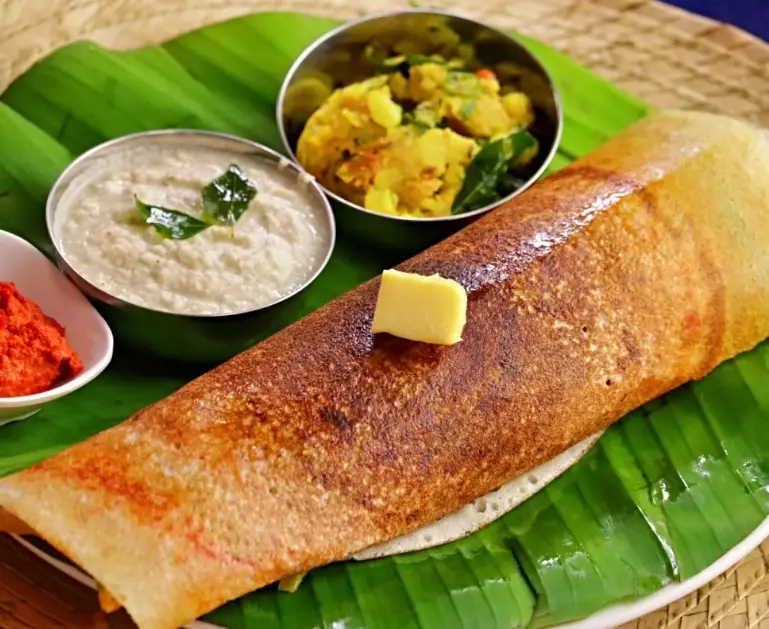
The key is time and temperature. An overnight ferment at a steady, warm room temperature (around 75-80°F or 24-27°C) is ideal. If your kitchen is cooler, it might take a full 24 hours. Don't panic if you don't see huge bubbles. A slight dome on the lid, a pleasant sour aroma, and a batter that has visibly increased in volume are your signs of success.
Pro Tip: The water you use matters. Chlorinated tap water can inhibit the natural fermentation process. If possible, use filtered or bottled water. The mineral content can subtly affect the final texture and taste.
Ingredients Breakdown: Getting the Dosa Batter Right
This isn't just a list; it's a blueprint. Ratios are everything. I use a simple 3:1:1 ratio for the main grains. It's forgiving but precise enough to guarantee results.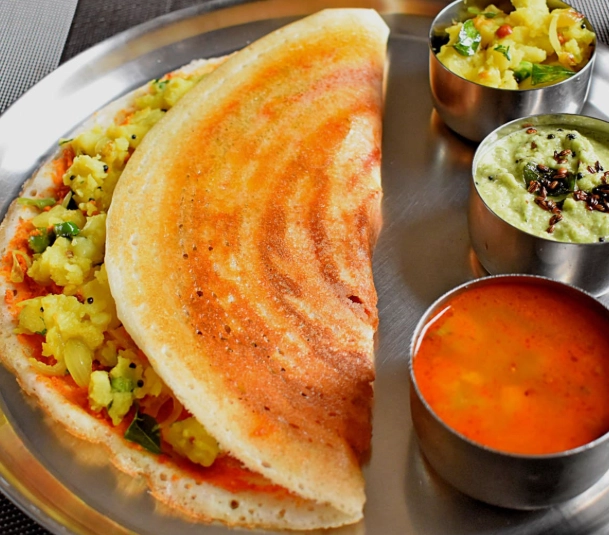
| Ingredient | Quantity | Purpose & Notes |
|---|---|---|
| Raw Rice (or Idli Rice) | 3 cups | Provides structure and crispness. Don't use basmati or jasmine. Idli rice or any medium-grain parboiled rice works best. |
| Urad Dal (split black gram) | 1 cup | The magic ingredient. It's rich in protein and aids fermentation, creating the airy texture. Always use skinless urad dal for a smooth, white batter. |
| Chana Dal (split Bengal gram) or Toor Dal | 1/4 cup (optional but recommended) | This is my secret weapon. Adding a small handful of another dal adds a deeper golden color and extra crispness to the final dosa. It's a trick from older home cooks. |
| Fenugreek Seeds (Methi) | 1 teaspoon | Non-negotiable. It acts as a natural preservative, aids fermentation, and gives the dosa its distinctive, almost buttery aroma. |
| Water (for soaking & grinding) | As needed | Use at room temperature. The batter should be thick but pourable, like a slightly runny pancake batter. |
| Salt | To taste (approx. 2 tsp) | Add only after fermentation is complete. Salt added before can slow down or stop the fermentation process. |
The Potato Masala Filling: Flavor Beyond Just Potatoes
The filling should be moist, flavorful, and hold together without being mushy. I see people overcook the potatoes into a paste. You want them just tender enough to mash slightly with the back of a spoon, retaining some texture.
The tempering (tadka) is where the flavor builds. Mustard seeds, cumin, urad dal, chana dal, curry leaves, and dried red chilies—each added in sequence to hot oil—create a foundational aroma. The onions should be cooked until soft and sweet, not browned. Finally, a touch of turmeric and a good sprinkle of sambar powder (not just garam masala) ties it all together with a complex, savory heat.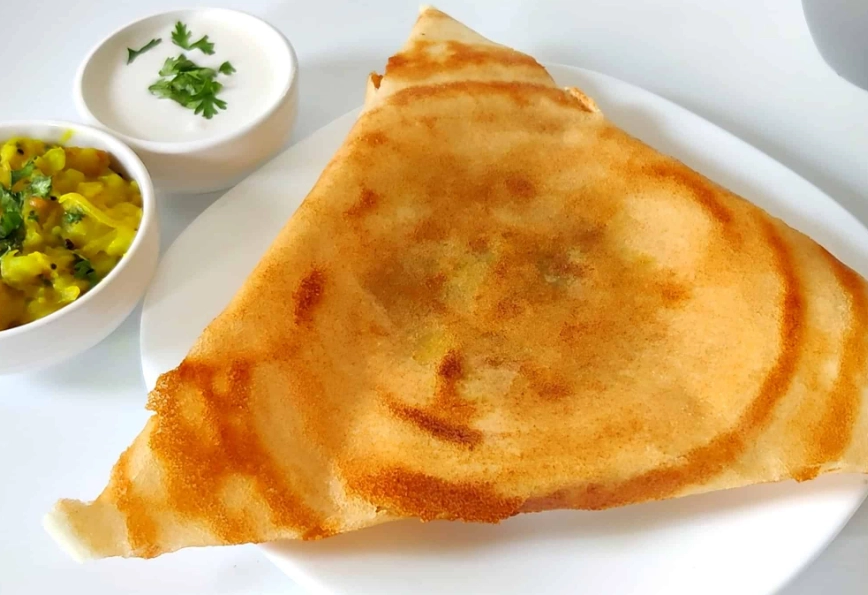
Essential Spices for Authentic Masala
Skip the generic curry powder. For the potato filling, you need:
- Sambar Powder: This is the workhorse. It's a blend of roasted lentils and spices like coriander, cumin, fenugreek, and dried chilies. Brands like MTR or Everest are reliable. It provides depth that garam masala alone can't.
- Turmeric: For color and earthy warmth.
- Asafoetida (Hing): Just a pinch, fried in the tempering oil. It adds a savory, almost garlicky note that's crucial for digesting beans and potatoes, according to Ayurvedic principles.
Step-by-Step Process: From Soaking to Sizzling
Let's walk through it. This isn't complicated, but attention to detail pays off.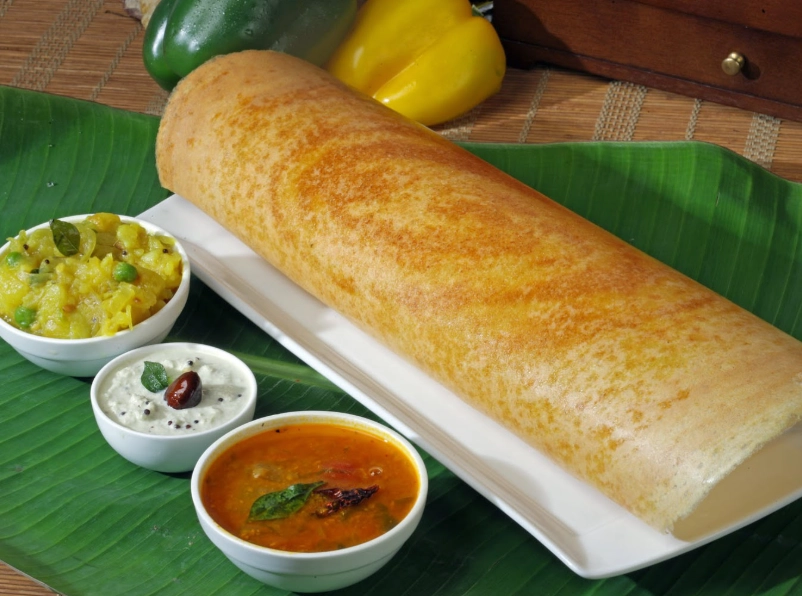
Day 1: Soaking and Grinding
Wash the rice and dals separately until the water runs clear. Soak them together with the fenugreek seeds in plenty of water for at least 6 hours, or overnight. They'll plump up significantly.
Drain the water completely. Now, grinding. A high-powered blender is fine, but a traditional wet grinder is unbeatable for the ultra-smooth texture that leads to the laciest dosas. Grind in batches, adding water little by little. The urad dal mixture should become incredibly fluffy and white, almost doubling in volume. The rice mixture should be ground smooth. Combine them in a large, non-reactive bowl (stainless steel or glass). The combined batter should be thick but pourable.
Watch Out: Don't overheat your blender. Grind in short pulses and let the motor cool. A warm batter at this stage can kick off fermentation too early and unevenly.
Fermentation Time
Cover the bowl loosely with a lid or plate—don't seal it airtight, as the gases need to escape. Place it in a warm, draft-free spot. An oven with the light on (but NOT the heat) is perfect. In winter, I sometimes place the bowl in a larger container filled with warm water, refreshing the water once. Let it sit for 8-16 hours.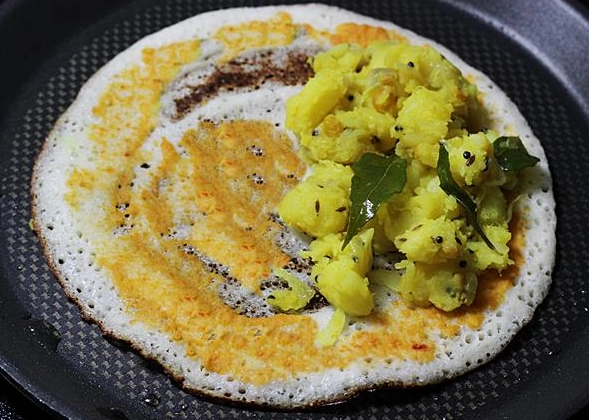
When ready, the batter will have risen, have a slightly sour smell, and be dotted with tiny bubbles. Now, and only now, stir in the salt. Your batter is ready. It can be used immediately or refrigerated for up to 5 days. The sourness intensifies over time.
Day 2: Cooking the Dosa
Heat a well-seasoned cast iron or non-stick griddle (tava) over medium-high heat. A drop of water should sizzle and evaporate instantly. Reduce heat to medium. Stir the batter—it will have thickened in the fridge, so you might need to thin it slightly with water. It should coat the back of a spoon.
Pour a ladleful of batter onto the center of the hot tava. Using the bottom of the ladle in a swift, spiral motion, spread the batter outwards into a thin circle. Don't press down hard. Drizzle a teaspoon of oil or ghee around the edges and a few drops on top.
Let it cook undisturbed. You'll see the color change from white to a creamy yellow, and the edges will start to lift. Place a generous scoop of the warm potato masala in the center. Once the underside is golden brown and crisp (peek with a spatula), use the spatula to fold the dosa over the filling or roll it up. Serve immediately.
Stuck? Here's How to Fix Common Dosa Problems
- Dosa sticks to the pan: Your tava isn't hot enough when you start, or it's not properly seasoned. Let it heat up fully. For a new pan, rub it with half an onion dipped in oil while hot, then wipe clean, repeating a few times.
- Dosa is too thick or doesn't spread: Your batter is too thick. Thin it with a little water. The tava might also be too cool.
- Dosa is pale, not golden: Not enough fermentation, or you cooked it on too low a heat. A well-fermented batter has natural sugars that caramelize.
- Dosa tears when spreading: The batter might be too thin, or you're spreading it too aggressively after it has already started setting. Use a quick, light, continuous motion.
- No bubbles/lacy texture: The urad dal wasn't ground fine enough or wasn't fermented properly. Ensure your dal is fresh and you ground it to a fluffy paste.
Serving Suggestions: The Full Experience
A masala dosa isn't a solo act. It needs supporting players. Traditionally, it's served with:
- Sambar: A tangy, vegetable-laden lentil stew. Dunk pieces of your dosa right in.
- Coconut Chutney: The classic. Fresh grated coconut blended with green chilies, ginger, and a tadka of mustard seeds and curry leaves. The coolness balances the spice.
- Tomato Chutney or Mint Chutney: For variety and extra zing.
For a complete meal, serve it with a filter coffee on the side. The bitter roast cuts through the richness perfectly.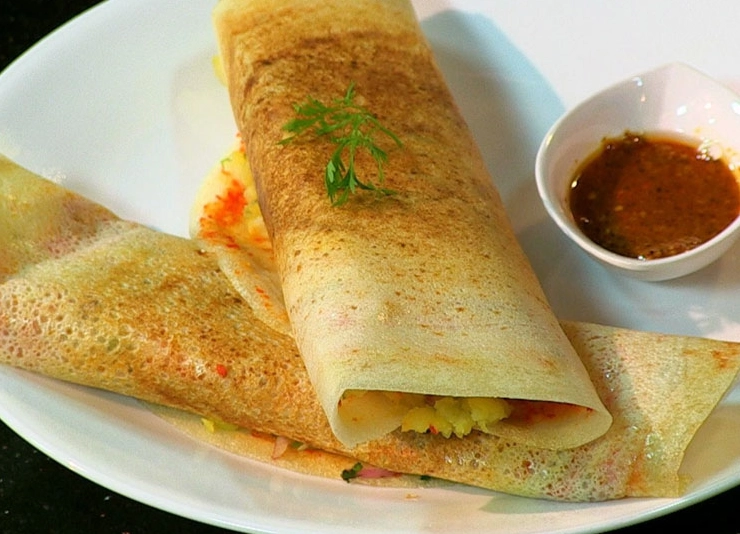
Your Masala Dosa Questions, Answered by Experience
Making a great masala dosa is a bit of a project, but it's deeply satisfying. It connects you to a process that's thousands of years old—transforming simple rice and lentils into something magical through patience and fermentation. Don't get discouraged if your first one isn't perfect. Even my early attempts were disasters. Tweak the heat, adjust the batter consistency, and you'll get there. The reward—a hot, crispy, homemade dosa—is absolutely worth the effort.