Let's be honest. The word "risotto" scares a lot of home cooks. We've all heard the legends: you must stand and stir for 30 minutes straight, add the broth one ladle at a time, or the dish is ruined. It sounds more like a punishment than dinner. I'm here to tell you that's mostly nonsense. A creamy, luxurious seafood risotto is not only achievable on a weeknight, it can be genuinely easy. The secret isn't in constant stirring; it's in understanding a few simple principles. This recipe strips away the intimidation and gives you a foolproof path to a restaurant-worthy meal that feels indulgent but comes together with minimal stress. I learned this the hard way after my first risotto turned into a gloppy, sticky mess—I stirred it like my life depended on it. Turns out, that was the problem.
What You'll Learn in This Guide
What You Need for Easy Creamy Seafood Risotto
Great risotto starts with great ingredients, but "great" doesn't mean "impossible to find." Here’s your straightforward shopping list. The beauty is in the flexibility.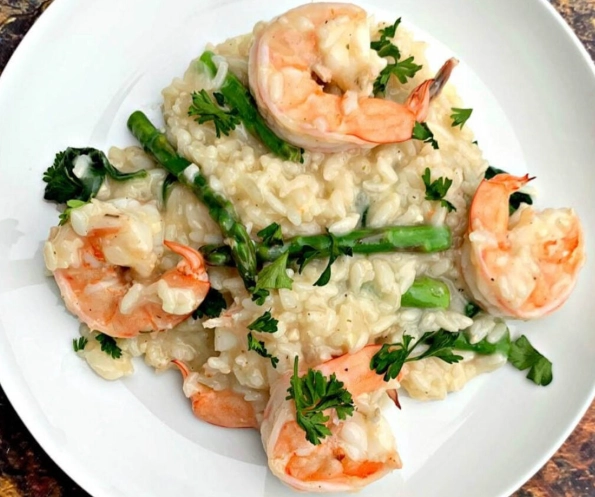
| Ingredient | Why It's Important & Notes |
|---|---|
| Arborio or Carnaroli Rice (1.5 cups) | This is non-negotiable. These short-grain rices have a high starch content (amylopectin) that creates the creamy texture. Don't substitute with long-grain rice. Find it in the rice or international aisle. |
| Seafood Stock or Broth (5-6 cups) | The flavor foundation. Homemade is fantastic, but a good-quality store-bought seafood stock works perfectly. I often use the Better Than Bouillon seafood base. Chicken stock can work in a pinch but will mute the seafood flavor. |
| Mixed Seafood (1 lb / 450g) | The star. A mix of shrimp (peeled), scallops, and mussels or clams is classic. Frozen "seafood mix" is a brilliant, affordable shortcut—just thaw and pat dry. |
| Dry White Wine (1/2 cup) | Adds acidity and depth. Use something you'd drink, like a Sauvignon Blanc or Pinot Grigio. The alcohol cooks off. |
| Shallot or Onion (1 large) | For the aromatic base. Shallots are milder and sweeter. |
| Garlic (2-3 cloves) | Essential for flavor. |
| Butter & Olive Oil | Butter for richness, olive oil for flavor and to prevent burning. |
| Parmesan Cheese (1/2 cup grated) | Adds saltiness and umami. Freshly grated melts better than pre-grated. |
| Fresh Herbs (Parsley, Chives) | For a bright, fresh finish. Don't skip this. |
The Relaxed, Step-by-Step Process
Follow these steps in order, but don't overthink it. We're aiming for creamy, not perfect.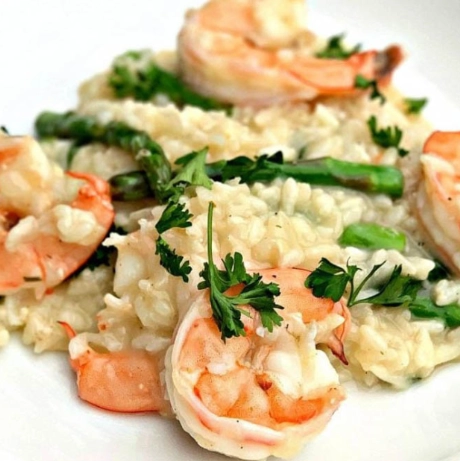
1. The Prep Work (The 5-Minute Head Start)
Get everything ready before you turn on the stove. This is called mise en place and it's the single best habit for stress-free cooking. Chop your shallot and garlic. Grate your Parmesan. Pick your parsley leaves. If using frozen seafood, thaw it under cold running water and pat it very dry with paper towels. Wet seafood will steam instead of sear.
Most importantly, heat your stock. Pour all 5-6 cups into a separate saucepan and keep it at a gentle simmer on a back burner. Adding cold stock to the rice is a major cause of gummy, unevenly cooked risotto. This one step fixes it.
2. Building Flavor in the Pan
Heat a large, heavy-bottomed pan (like a Dutch oven) over medium heat. Add a tablespoon of olive oil and a tablespoon of butter. Once the butter foams, add your chopped shallot and a pinch of salt. Cook until soft and translucent, about 3-4 minutes. Add the garlic and cook for just 30 seconds until fragrant—don't let it brown.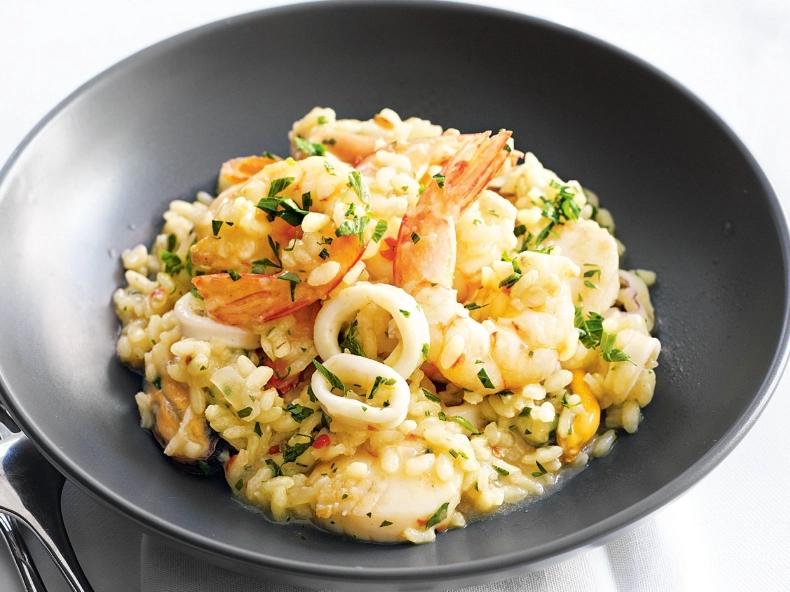
Now, add the rice. Stir it around to coat each grain in the fat and toast for about 2 minutes. It should make a faint clicking sound and look slightly translucent at the edges. This step seals the grain, helping it absorb liquid slowly.
3. The "Deglaze and Simmer" Method
Pour in the white wine. It will sizzle and steam. Stir and let it bubble until the wine is almost completely absorbed. This cooks off the alcohol and leaves the flavor.
Here's where we break the rules. Instead of adding one ladle of hot stock at a time, add about 3 cups—enough to just cover the rice. Give it a good stir, then lower the heat to a steady, gentle simmer. You can now walk away for 10-12 minutes. Stir it once or twice if you think of it, but you don't need to be chained to the stove. The rice will absorb the stock.
4. Adding the Seafood and Finishing
After 10-12 minutes, the rice will have absorbed most of the liquid and be al dente (firm to the bite). Now, add your seafood. Push the shrimp and scallops into the rice. If using mussels/clams, nestle them on top. Add another 1-2 cups of hot stock, just enough to keep things loose.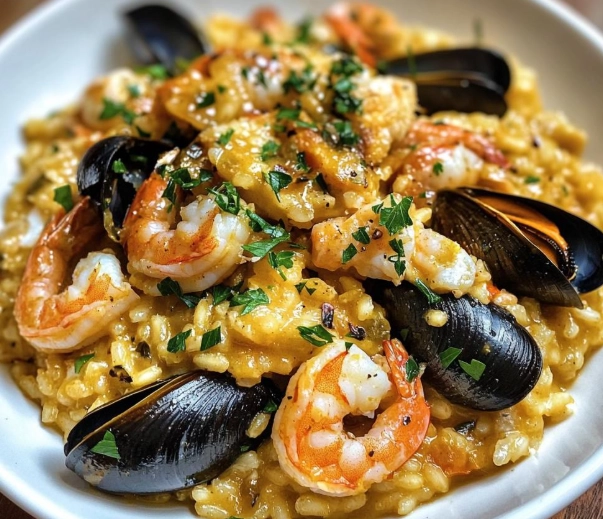
Cook for another 4-6 minutes, stirring gently once or twice, until the seafood is just cooked through (shrimp are pink, scallops opaque, mussels/clams open). Discard any shellfish that don't open.
Turn off the heat. This is crucial. Stir in the remaining 2 tablespoons of cold butter and the grated Parmesan. This final addition, away from direct heat, creates an emulsified, glossy, and incredibly creamy sauce. Season with salt and pepper to taste. The stock and cheese are salty, so taste first.
Finish with a handful of chopped fresh parsley or chives. Serve immediately in wide, shallow bowls.
3 Common Mistakes That Ruin Risotto (And How to Avoid Them)
I've made these so you don't have to.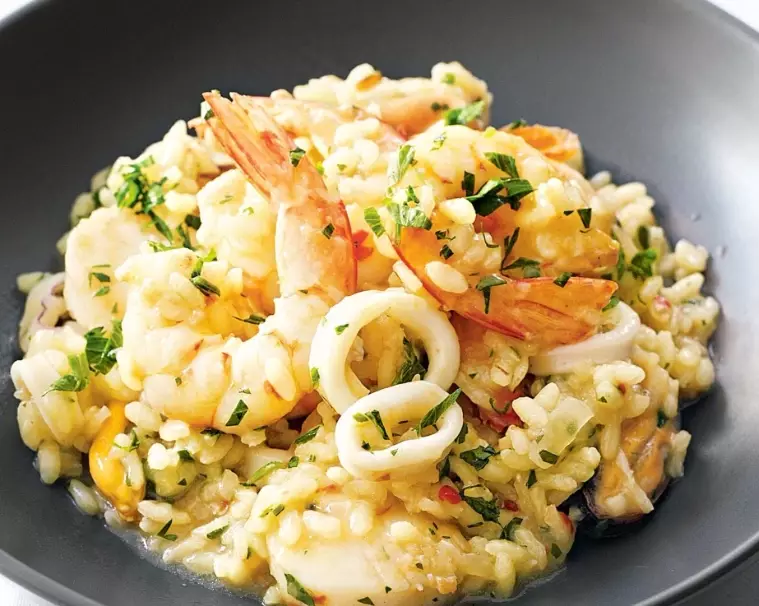
1. Using Cold Stock. This shocks the rice, causing the exterior to cook too fast while the interior stays hard. It also stops the starch release. Always use hot, simmering stock.
2. Over-stirring. As mentioned, this breaks the rice grains and creates a sticky, porridge-like consistency. Think of it as a gentle coaxing, not a workout.
3. Cooking the Parmesan. Adding the cheese while the risotto is over high heat can cause it to seize and become stringy. Always take the pan off the heat before stirring in the butter and Parmesan. The residual heat is enough to melt them into a creamy sauce.
Mixing and Matching Your Seafood
The formula is simple: 1 pound total. Choose based on what's fresh, on sale, or in your freezer.
- The Classic Mix: 6 large shrimp, 6 sea scallops, 12-15 mussels or clams.
- The Easy Weeknight Mix: A 1-lb bag of frozen mixed seafood (shrimp, scallops, calamari).
- The Luxe Version: All scallops or all shrimp, plus a few pieces of lump crab meat stirred in at the end.
- The Shellfish Lover's: Just mussels and clams. Their juices will steam into the rice, adding incredible flavor.
If using raw shrimp, I prefer shells-on for more flavor, but peeled are easier to eat. For scallops, get "dry-packed" if you can—they sear better than "wet-packed" (which are treated with water).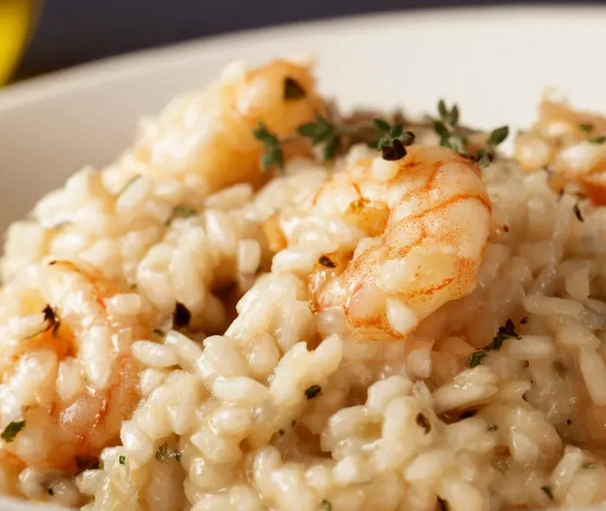
Your Risotto Questions, Answered
Can I use frozen seafood directly in the risotto?
My risotto is too thick/dry. How do I fix it?
What's the best way to reheat leftover seafood risotto?
I don't have white wine. What can I use instead?
How can I make a vegetarian version of this creamy risotto?
The goal isn't rigid perfection. It's a creamy, satisfying bowl of food that makes you feel like a kitchen hero without the drama. Grab your pan, heat that stock, and give it a try. You might just find that risotto becomes your new favorite easy dinner trick.