The cry of "Tahoooo!" echoing through Philippine streets at dawn is more than a wake-up call; it's an invitation to a beloved national ritual. Taho, that warm, sweet, and utterly comforting snack of silken tofu, caramelized brown sugar syrup (arnibal), and chewy tapioca pearls (sago), is a taste of home for millions. But what if you could skip the wait for the taho vendor and create that perfect, wobbly, soul-satisfying cup in your own kitchen? This guide isn't just a list of steps. It's the result of years of trial, error, and conversations with home cooks, breaking down the Filipino taho recipe into something you can master on your first try.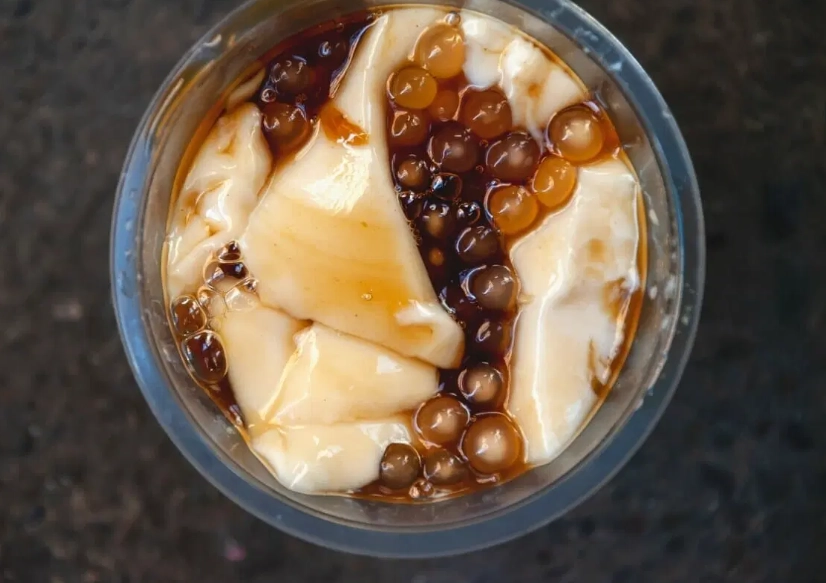
What's Inside This Guide?
What Exactly is Taho? Beyond the Basic Description
Most descriptions stop at "Filipino soybean pudding." That's like calling pizza "baked dough with stuff." It misses the point. Authentic taho is a specific textural and sensory experience. The tofu must be soft enough to quiver but firm enough to hold its shape when scooped. The arnibal (syrup) should be deep, caramel-like, and just thick enough to coat without being sticky. The sago pearls provide a playful, chewy contrast. When balanced, it's a perfect trifecta. Historically, taho vendors would carry two large aluminum buckets suspended from a bamboo pole (a "pingga"). One held the warm tofu, the other the hot syrup and pearls. This method of keeping components separate until serving is key to texture, a detail many home recipes overlook by mixing everything too early.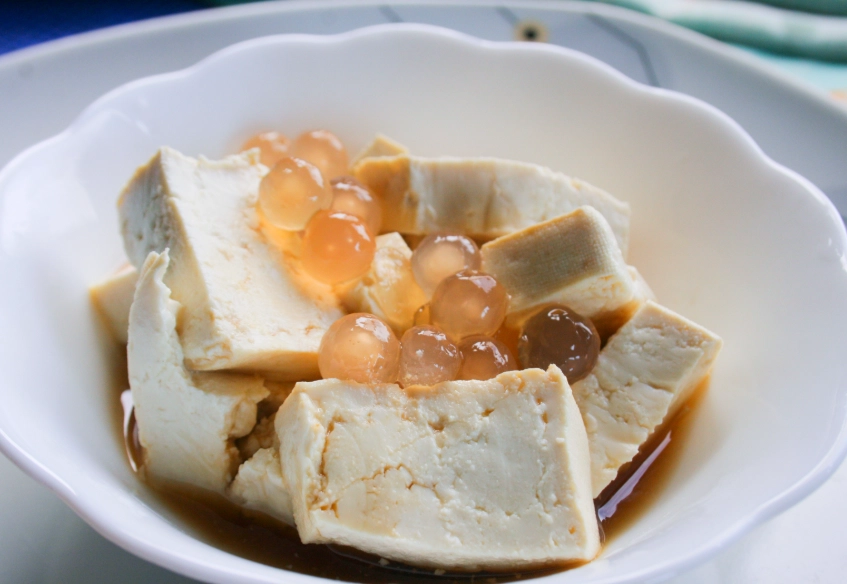
The Three Pillars of Taho: Ingredients Demystified
Getting the right ingredients is 80% of the battle. Substitutions can work, but they'll give you a different product. Here’s what you need to look for.
| Ingredient | What to Look For (The Specifics) | Where to Find It | Why It Matters |
|---|---|---|---|
| Silken Tofu (Soft Tofu) | Japanese-style "kinugoshi" or Chinese "嫩豆腐" (nèn dòufu). It must say "silken" or "soft." The package is usually a rectangular tub filled with water. Do NOT use firm, extra-firm, or even regular "soft" tofu that comes in a block—these are too dense. | Asian grocery stores (refrigerated section), well-stocked supermarkets, or online. Brands like Morinaga, House, or Nasoya are reliable. | This is the non-negotiable base. Silken tofu has a custard-like, smooth texture because it's coagulated without curdling the soy milk. Other types will feel grainy and won't absorb the syrup properly. |
| Brown Sugar (for Arnibal) | Dark brown sugar or Muscovado sugar. The darker, the better for a deep, molasses-like flavor. Light brown sugar will make a pale, less flavorful syrup. | Any supermarket baking aisle. For authentic taste, seek out Philippine Muscovado sugar (like "Datu Puti" or "Mascobado") at Asian stores. | White sugar makes a simple syrup. Brown sugar, with its molasses content, creates the complex, almost toffee-like "arnibal" that defines taho's flavor. |
| Tapioca Pearls (Sago) | Small, white tapioca pearls (about 1-2mm in diameter). Not the large black boba pearls used in bubble tea. Sometimes labeled "mini sago." | Asian grocery stores (dry goods aisle), online. Ensure they are for cooking, not instant. | These provide the essential chewy texture. Larger pearls are harder to cook through and don't distribute as evenly in the delicate tofu. |
A note on water: Use filtered water if your tap water has a strong taste. You'll need it for the syrup and cooking the pearls.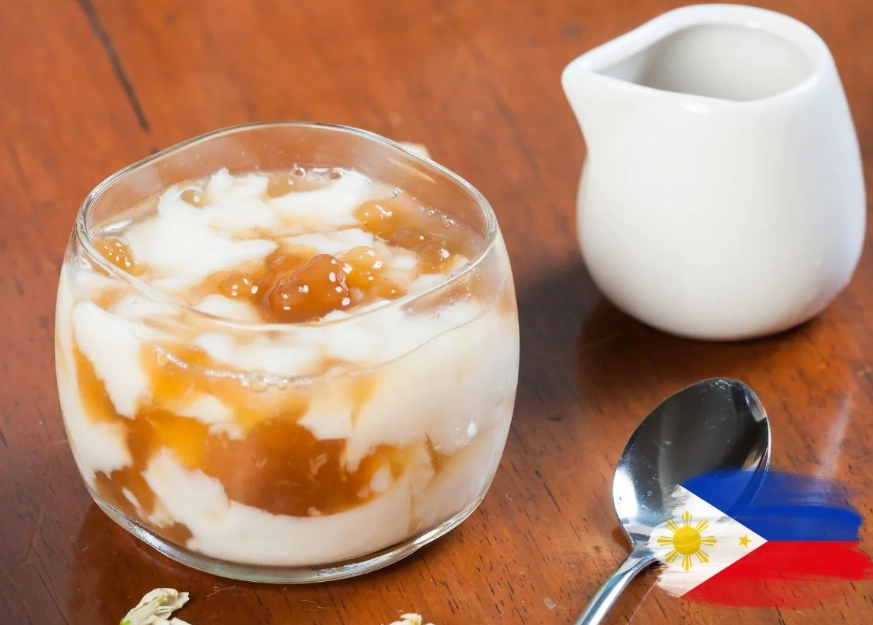
How to Make Taho: The Complete Step-by-Step Guide
Let's build your taho. The process is simple, but timing and technique are everything. Follow this order for the best results.
Step 1: Preparing the Silken Tofu (The Gentle Warm-Up)
This is where most beginners mess up. Do not boil the tofu. You're not cooking it; you're gently warming it through. Remove the silken tofu from its package and place the whole block in a heatproof bowl. Create a simple steamer: place a trivet or small bowl upside down in a pot, add about an inch of water, place the bowl with tofu on top, cover, and steam over medium-low heat for 10-15 minutes. Alternatively, you can microwave it in 30-second bursts on low power until just warm. The goal is to reach a temperature that's pleasantly warm to the touch, not hot enough to scramble the proteins. Overheating makes the tofu tough and watery.
Step 2: Making the Perfect Arnibal (The Soul of the Dish)
In a small saucepan, combine 1 cup of dark brown sugar and 1/2 cup of water. Heat over medium, stirring just until the sugar dissolves. Then, stop stirring. Let it simmer gently for 5-8 minutes. You're looking for the syrup to reduce slightly and thicken just enough to coat the back of a spoon. It should be like thin maple syrup, not thick caramel. If you see large bubbles forming, it's getting too hot. A pro tip I learned from a vendor in Pampanga: add a tiny pinch of salt and a slice of ginger while simmering. It cuts the cloying sweetness and adds a wonderful, subtle depth. Remove the ginger slice after.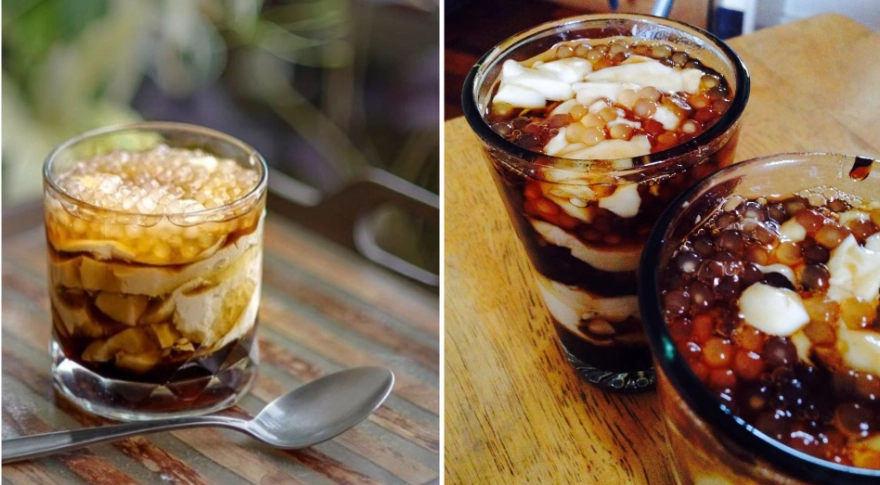
Step 3: Cooking the Sago Pearls (The Chewy Component)
Bring a large pot of water to a rolling boil. The common mistake is using too little water. Use at least 4 cups of water for 1/2 cup of dry pearls. Add the pearls and stir immediately to prevent sticking. Boil for 15-20 minutes, then turn off the heat, cover the pot, and let them sit for another 10-15 minutes. They should be completely translucent with no white centers. Drain and rinse under cold water to stop the cooking. Some people soak them in a simple syrup after to keep them sweet and separate, but for taho, a quick rinse is fine as they'll be bathed in the arnibal later.
Step 4: Assembly and Serving (The Final Act)
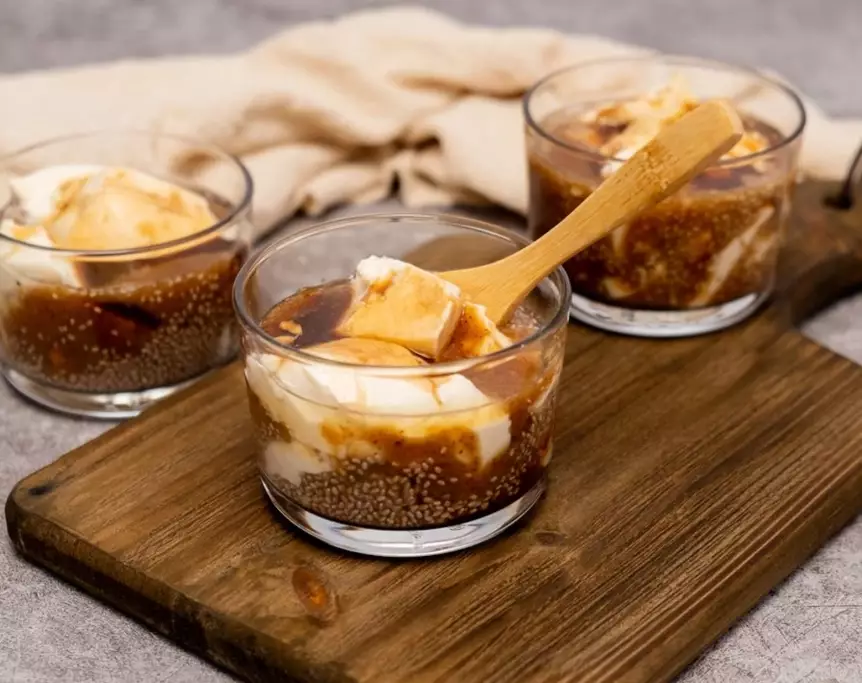
Using a large spoon, gently scoop the warmed silken tofu into serving bowls or glasses. Aim for large, quivering pieces. Don't mash it. Ladle the warm arnibal over the tofu. Top with a spoonful of the cooked sago pearls. Serve immediately with a spoon. The magic happens as the hot syrup slightly seeps into the warm tofu. Instruct everyone to mix gently from the bottom up to get all three components in each bite.
Avoid These Common Taho Mistakes (The Vendor's Secrets)
After making this dozens of times and talking to others, I see the same errors repeatedly.
Using the wrong tofu. This is the number one failure point. If your "taho" comes out grainy, crumbly, or dense, you used the wrong type of tofu. Go back to the ingredients table.
Overcooking the syrup. If your arnibal turns into hard candy as it cools, you cooked it too long. Remember, it continues to thicken off the heat. Aim for a syrupy, pourable consistency in the pan.
Not warming the tofu. Serving taho cold with hot syrup creates a temperature clash and the syrup doesn't meld with the tofu. Everything should be warm.
Crowding the sago. Cooking too many pearls in too little water makes them gummy and sticky. Give them plenty of room to swim.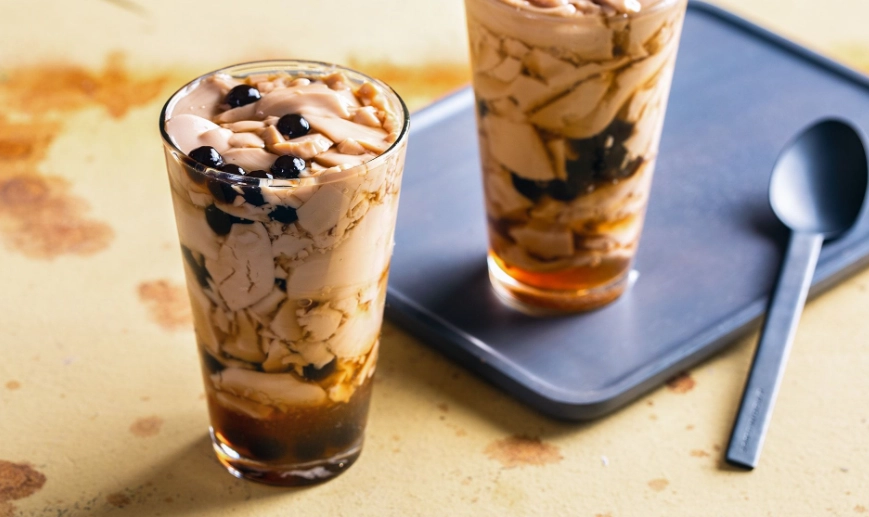
Your Taho Questions, Answered
 Is there a way to make a less sweet or healthier version of taho?