Let's be honest. When you think of lettuce recipes, a bowl of greens with some dressing probably comes to mind. Maybe a Caesar salad if you're feeling fancy. It's the default diet food, the thing you push to the side of your plate to make room for the "real" meal. I used to think the same way. Then, during a particularly hot summer when turning on the oven felt like a crime, I got desperate. I started treating lettuce not as a garnish, but as the main ingredient. What I discovered changed my weeknight dinner game completely.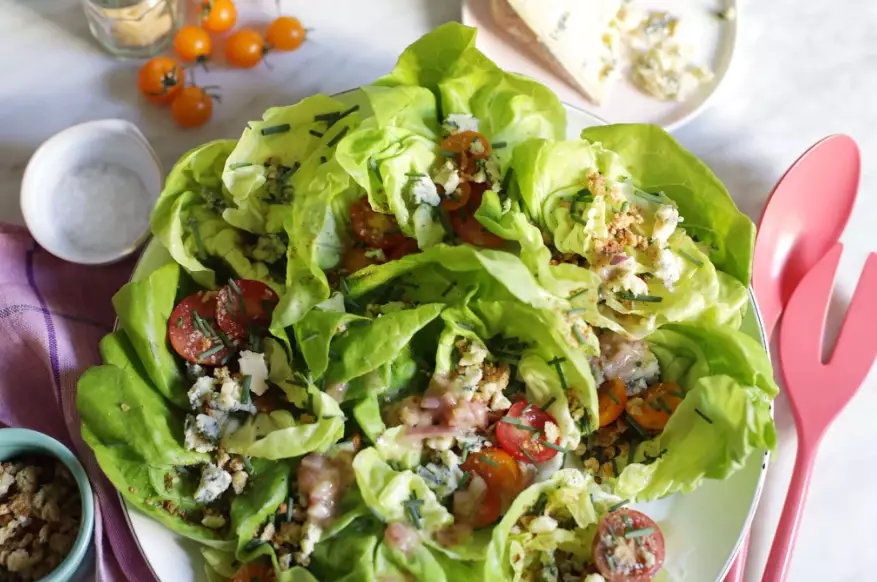
Lettuce can be cooked. It can be the vessel for a flavor-packed meal. It can be the star of a satisfying, low-carb dish that leaves you wondering why you ever relegated it to side-salad status. This isn't about rabbit food. This is about easy lettuce recipes that solve the "what's for dinner" dilemma with minimal fuss and maximum flavor.
Quick Guide to Our Lettuce Recipe Ideas
Why Lettuce Deserves a Promotion
Most people only tap into about 10% of lettuce's potential. We see crunch and water. I see opportunity. Romaine and butter lettuce have structure—they can hold heat and sauce without completely wilting into a puddle. Iceberg has an incredible, juicy crispness that's perfect for adding texture to warm dishes. And heartier varieties like Little Gem are just begging to be grilled.
The biggest mistake? Assuming all lettuce is created equal for all jobs. Using delicate spring mix for a stir-fry is a recipe for disappointment. But choosing the right type for the right job? That's where the magic happens. It's a cheap, low-calorie, hydrating base that lets other flavors shine.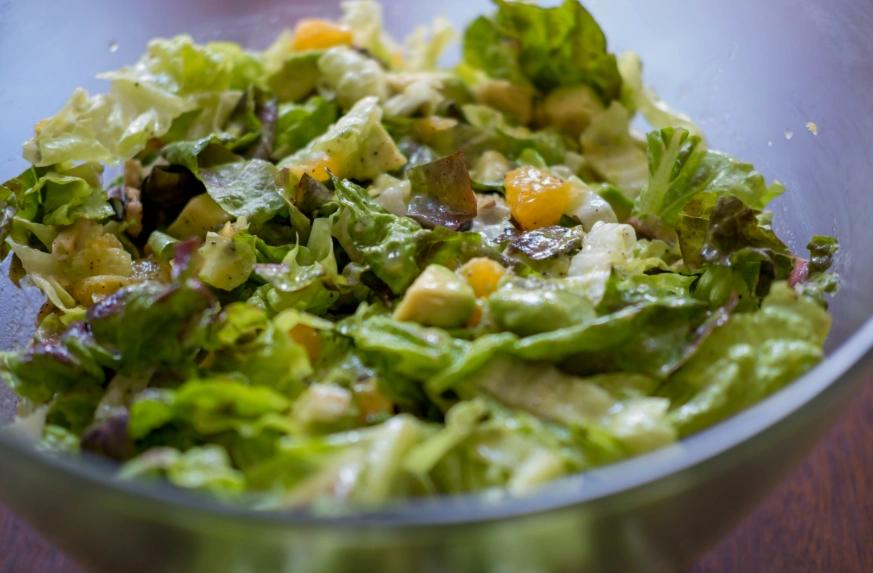
Three No-Fail Lettuce Recipes You'll Make on Repeat
These aren't just recipes; they're templates. Once you get the technique, you can swap in whatever protein and veggies you have lurking in your fridge.
1. The "I Need Dinner in 15 Minutes" Lettuce Wrap
This is my ultimate quick healthy meal. The key isn't the filling—that's easy. It's the lettuce. You want whole, intact leaves from the heart of a romaine or butter lettuce. The outer leaves often have tears or are too curly to hold filling neatly.
My Go-To Filling: Brown 1 lb of ground turkey or chicken with a tablespoon of grated ginger and two minced garlic cloves. Once cooked, stir in 3 tablespoons of hoisin sauce, 1 tbsp of soy sauce, and a splash of rice vinegar. Off heat, mix in a big handful of chopped water chestnuts for crunch and some sliced green onions.
To Serve: Pile the warm filling into your lettuce leaves. Top with extra green onion and a drizzle of sriracha. The contrast of the cold, crisp leaf with the hot, savory filling is everything. Don't try to make these ahead of time; the leaves will sog. Assemble as you eat.
2. The "Yes, You Can Cook It" Lettuce Stir-Fry
This one surprises everyone. I learned it from a chef friend who grew up with it. You use romaine lettuce, cut into wide ribbons. It wilts quickly but retains a pleasant texture, soaking up sauce beautifully.
Heat a wok or large skillet over high heat with a tablespoon of neutral oil. Add a few slices of ginger and some chopped garlic until fragrant, about 30 seconds. Throw in your romaine ribbons and toss constantly for about 60-90 seconds—just until it brightens in color and starts to wilt. Immediately add a sauce made of 2 parts oyster sauce to 1 part water (about 3 tbsp total). Toss for another 30 seconds and serve immediately. It's shockingly good alongside simple grilled chicken or fish. The lettuce becomes silky and savory.
3. The "Clean Out the Fridge" Lettuce Soup
Wilted lettuce about to go bad? Don't toss it. Soup is its redemption. This is a brilliant, light broth-based soup that feels nourishing.
Sauté a chopped onion and a minced garlic clove in a pot with a little olive oil until soft. Add 4 cups of chicken or vegetable broth and bring to a simmer. Stir in about 4 cups of roughly chopped any lettuce you have—romaine, green leaf, even the last bits of a salad bag. Let it simmer for just 3-4 minutes. The lettuce will become tender. Blend it smooth with an immersion blender or in a countertop blender (carefully!). Finish with a squeeze of lemon juice, salt, and pepper. It's a vibrant green, delicate soup that proves lettuce can be comforting.
How to Pick and Store Lettuce Like a Pro
Good lettuce recipes start with good lettuce. Here’s how to avoid the sad, slimy bag.
At the Store
Look for heads that feel heavy for their size. The leaves should be crisp and brightly colored, with no significant brown edges or signs of wilting. For romaine, the heart should feel firm. Avoid any with a slimy base.
Storage is Everything
That plastic clamshell or bag it comes in? It's often a death trap for moisture. As soon as I get home, I do this:
- Wash and dry the leaves thoroughly using a salad spinner. Water is the enemy of crispness.
- Line a large, airtight container with a clean kitchen towel or a few paper towels.
- Pile the dry leaves inside, seal the container, and store it in the fridge's crisper drawer.
- The towel absorbs excess moisture, keeping the lettuce crisp for over a week.
For whole heads, wrap them loosely in a paper towel and place them in a produce bag in the crisper.
Your Lettuce Questions, Answered
 The point of all this isn't to make you a lettuce fanatic. It's to give you one more reliable, versatile, and cheap tool in your kitchen arsenal. Next time you see a head of lettuce, see more than a salad. See a potential dinner that's fast, healthy, and honestly, a lot more interesting than you thought possible.