Let's be honest. Most gluten free bread is a disappointment. It's crumbly, dense, and tastes like a science project. But gluten free focaccia? That's a different story. When done right, it's a revelation – a crispy, olive oil-rich crust giving way to a soft, airy interior dotted with rosemary and sea salt. I spent years tweaking recipes, battling gummy textures and sad, flat loaves, until I landed on this method. This isn't just a recipe; it's a blueprint for a gluten free focaccia that will make you forget the word "substitute." It's the real deal.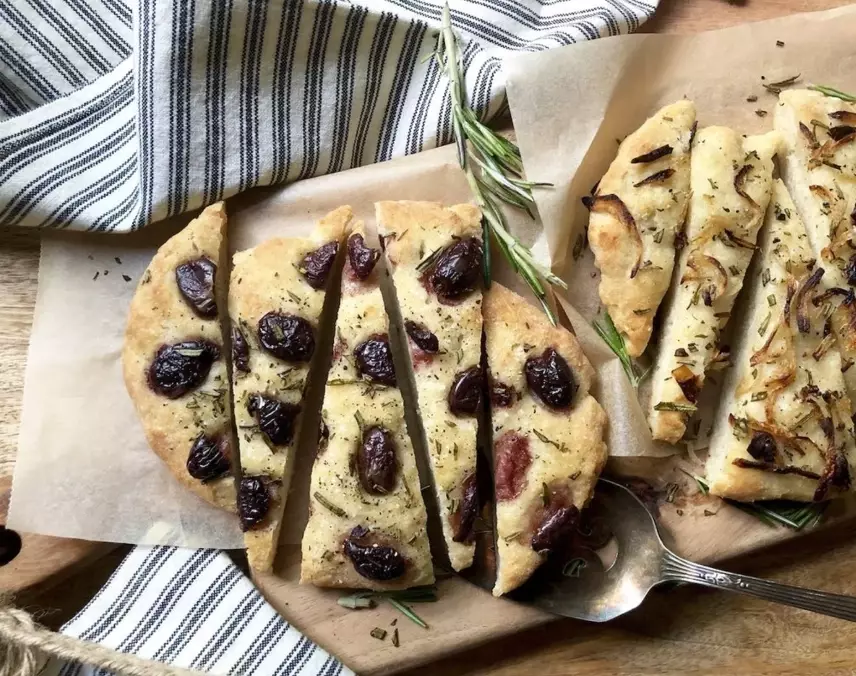
What You'll Find Inside
Why This Gluten Free Focaccia Recipe Actually Works
Gluten is the protein network that gives traditional bread its stretch and rise. Without it, we need a smart combination of ingredients to mimic that structure. The magic here comes from three things: a specific flour blend, a higher hydration dough (it's more of a thick batter, really), and a long, slow fermentation. Most recipes rush the proofing. We don't. That resting time allows the flavors to develop and the starches to hydrate fully, which is the single biggest factor in avoiding a gritty or gummy texture. The result is a focaccia with an open crumb you'd swear contains gluten.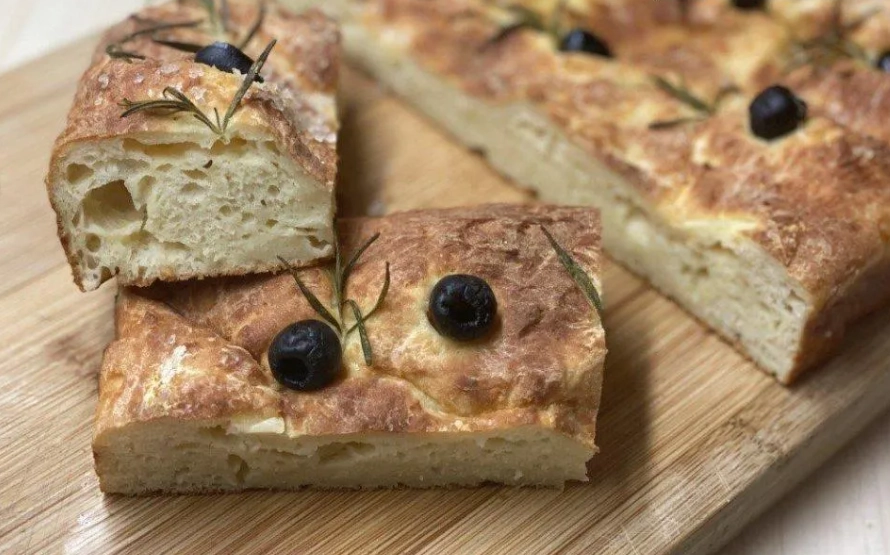
The Non-Negotiable Flour Blend (And What to Avoid)
You cannot use just any all-purpose gluten free flour here. Blends heavy on rice flour will be sandy. Blends without a good starch balance will be gluey. After testing dozens, I've found a mix that consistently delivers.
The Gold Standard Blend (Makes about 3 cups)
- 1 cup (120g) superfine brown rice flour – Not regular brown rice flour! Superfine is key for a smooth texture. Bob's Red Mill makes one.
- 1 cup (130g) tapioca starch/flour – Provides chew and elasticity.
- 1/2 cup (60g) millet flour – Adds a mild, slightly sweet flavor and helps with browning.
- 1/2 cup (65g) potato starch – NOT potato flour. Potato starch gives incredible moisture and softness.
- 1 1/2 tsp xanthan gum – This is our structure-builder. Don't skip it.
Whisk this blend together thoroughly before measuring out what you need for the recipe. Store the extra in a jar. If you must use a store-bought blend, choose one that's meant for yeast breads. King Arthur Measure for Measure or Cup4Cup Multipurpose are decent options, but your crumb won't be as airy as with the custom blend.
Expert Pitfall: The biggest mistake I see? Using water that's too hot to activate the yeast. If it's hotter than 110°F (43°C), you'll kill it. Think warm bathwater, not hot tap water. Use a thermometer if you're unsure. A dead yeast means a flat focaccia.
Step-by-Step Instructions for Foolproof Focaccia
This process is forgiving, but sequence matters. Get your 9x13 inch pan ready – a metal one gives the best crisp edge.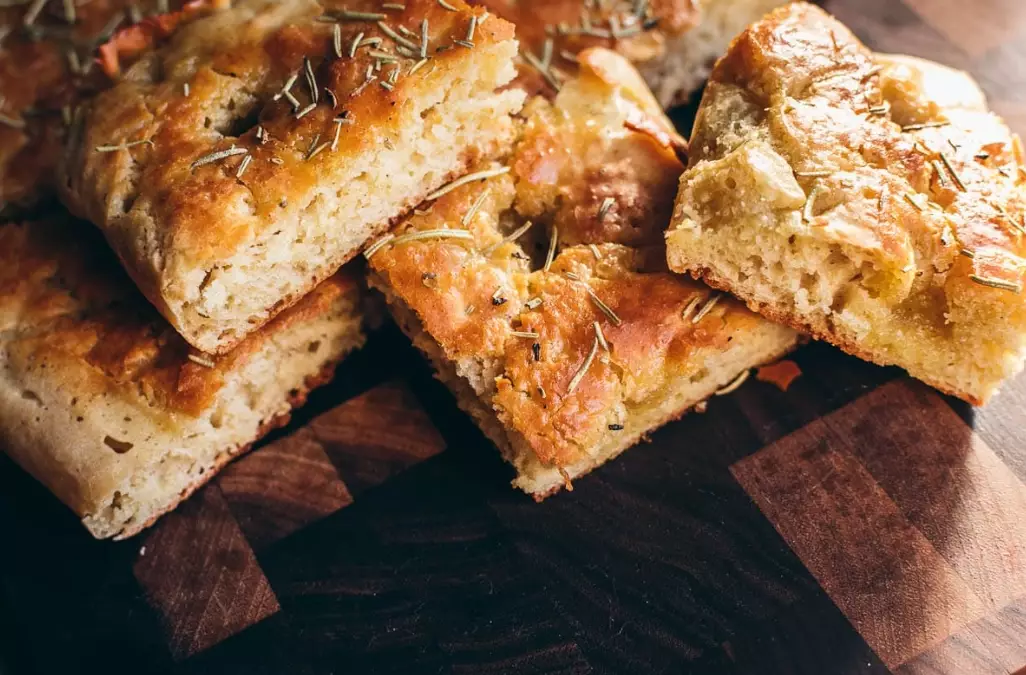
Activating the Yeast & Making the Batter
In a small bowl, combine 1 1/2 cups of that warm water (about 105°F) with 2 tsp of sugar and 2 1/4 tsp of active dry yeast. Let it sit for 5-7 minutes until it's foamy. If it doesn't foam, your yeast is dead. Start over.
In a large mixing bowl, whisk together 3 cups of your gluten free flour blend, 2 tsp salt, and 1 tsp dried oregano. Make a well in the center and pour in the yeasty water and 1/4 cup of extra virgin olive oil. Use a sturdy spatula to mix. It will look shaggy, then come together into a very thick, sticky batter. This is normal. You're not aiming for a kneadable dough.
The Crucial Rest & The Dimpling
Cover the bowl with a damp towel and let it rest in a warm spot for 45 minutes. It won't double like wheat dough, but it will become puffier and bubbly.
Pour 2-3 tbsp of olive oil into your pan. Scrape the batter into the pan. With oiled fingers, gently press and stretch the batter to fit the pan. Don't force it – let it relax if it springs back. Then, the fun part: dimple it all over with your fingers, pressing down to the bottom of the pan. This creates those classic pockets for oil and salt.
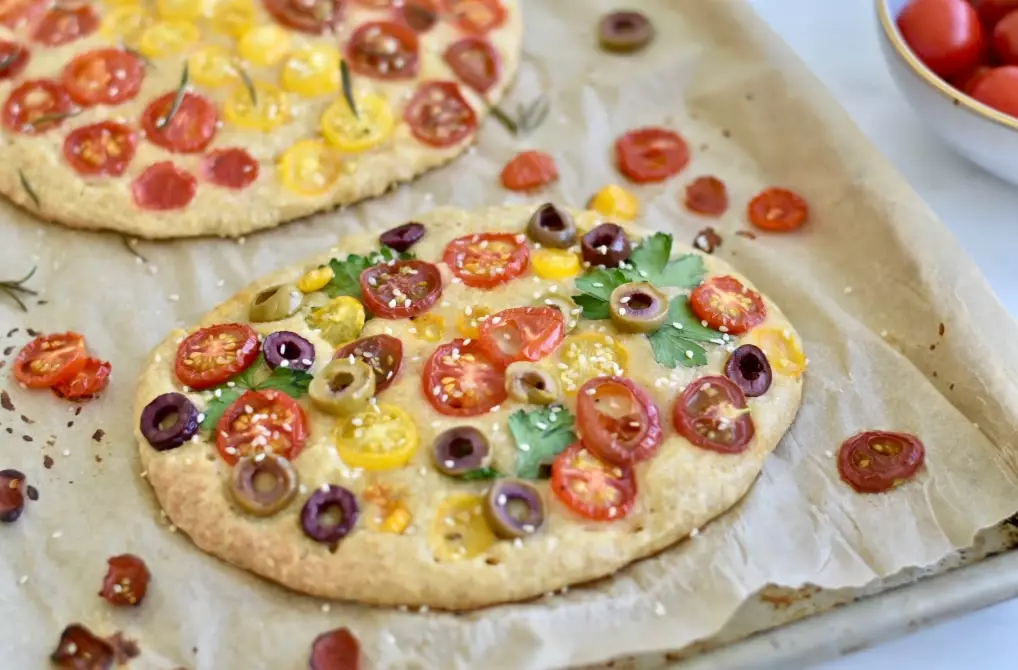
Drizzle generously with more olive oil (another 2 tbsp). Sprinkle with fresh rosemary needles, flaky sea salt, and maybe some sliced olives or sun-dried tomatoes. Now, the second rest. Cover the pan and let it proof for another 30 minutes while your oven preheats to 425°F (220°C).
Baking to Perfection
Bake for 22-28 minutes. You're looking for a deep golden brown top and the edges pulling away from the pan. The internal temperature should hit about 205°F (96°C).
This is critical: let it cool in the pan on a rack for at least 20 minutes before slicing. I know it's hard. But cutting into hot gluten free bread steams it and turns the interior gummy. Patience rewards you with perfect texture.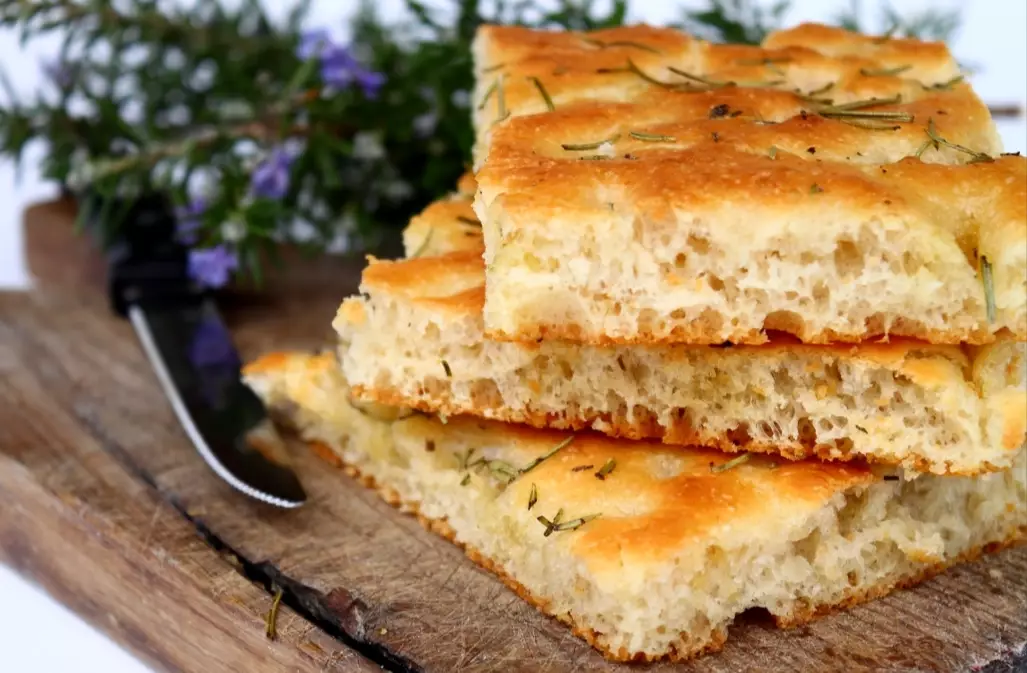
Top 3 Gluten Free Focaccia Mistakes & How to Fix Them
I've made these so you don't have to.
1. The Gummy Middle: Almost always caused by under-baking or cutting too soon. Use that thermometer. 205°F internal. And wait to slice.
2. Dense, Sad Loaf: Usually a flour blend issue (too much heavy flour) or dead yeast. Check your yeast activation and stick to the recommended blend ratios.
3. Bland Flavor: Gluten free baking often needs a flavor boost. Don't skimp on the salt in the dough or the topping. Use high-quality, flavorful olive oil for drizzling. The slow proofing also builds flavor.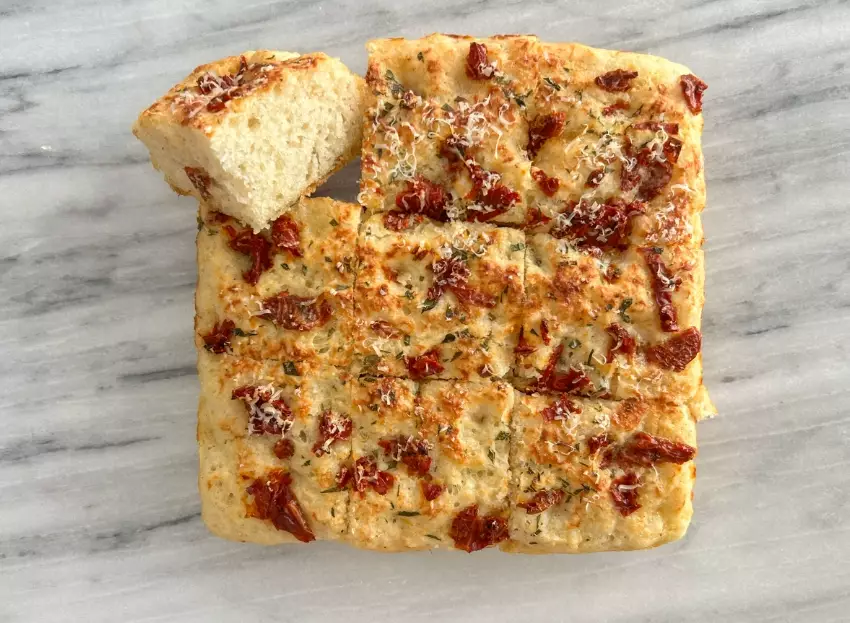
Your Gluten Free Focaccia Questions, Answered
It already is. There's no dairy in the base recipe. The richness comes entirely from olive oil. Just ensure any added toppings (like cheese) are also dairy-free if that's your need.
Crumbly texture points to a lack of moisture binding. Two likely culprits: you over-measured the flour (always spoon and level, don't scoop!) or your flour blend is too high in absorbent flours like coconut or almond. Stick to the starch-heavy blend suggested. Also, make sure you're using the full amount of oil and water.
 How do I store leftover gluten free focaccia so it doesn't get hard?
Gluten free bread stales faster. Let it cool completely, then wrap it tightly in foil or place in an airtight container at room temp for up to 2 days. For longer storage, freeze slices individually wrapped. Reheat frozen slices directly in a toaster or a 350°F oven for 5-10 minutes to revive the crisp crust.
You can, but you'll change the method slightly. Skip the initial foaming step. Mix the instant yeast directly with the dry flour ingredients. Then add the warm water and oil. The rest of the process is identical.
This is the secret to a non-dry result. Gluten free flours absorb more liquid and lack the elastic network of gluten. A wetter batter steams and expands in the oven, creating those desirable air pockets. Resist the urge to add more flour. Trust the process and use oiled hands or a wet spatula to handle it.
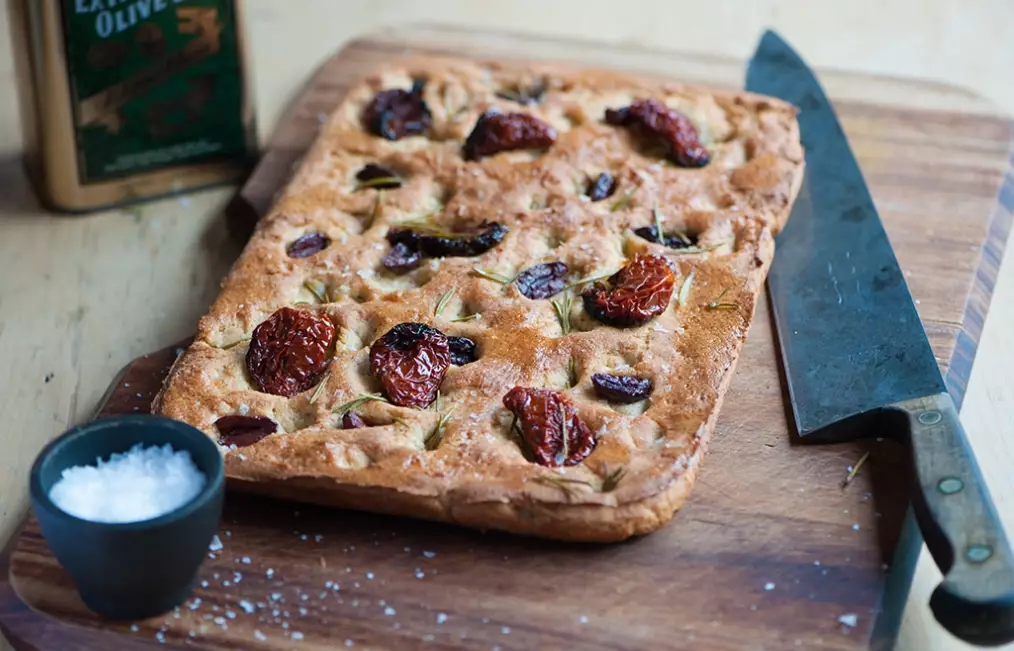 There you have it. A gluten free focaccia that doesn't ask for sympathy. It stands on its own with a crackly crust, a tender, flavorful interior, and the kind of aroma that fills your kitchen with promise. It's not a "good for gluten free" bread. It's just good bread. Now go dimple some dough.