Let's be honest. Spanish mackerel has a reputation. It's that beautifully striped, oily fish at the market that promises incredible flavor and health benefits, but whispers of a potential "fishy" disaster keep many home cooks at bay. I've been there. I've overcooked it into dry leather and under-seasoned it into a bland disappointment. But after years of trial and error—and conversations with fishmongers from Florida to the Carolinas—I've cracked the code. Cooking perfect Spanish mackerel isn't about fancy techniques; it's about understanding its unique character. This guide will give you that understanding, along with three dead-simple recipes that highlight its best qualities.
What's Inside This Guide
Why Spanish Mackerel Deserves a Spot on Your Plate
Forget the bland tilapia. Spanish mackerel is a flavor powerhouse. Its high oil content (rich in those coveted Omega-3s, as noted by the FDA) gives it a moist, rich texture that holds up to bold cooking methods like grilling and pan-searing. It's also a sustainable choice in many regions, often line-caught, which is a big plus.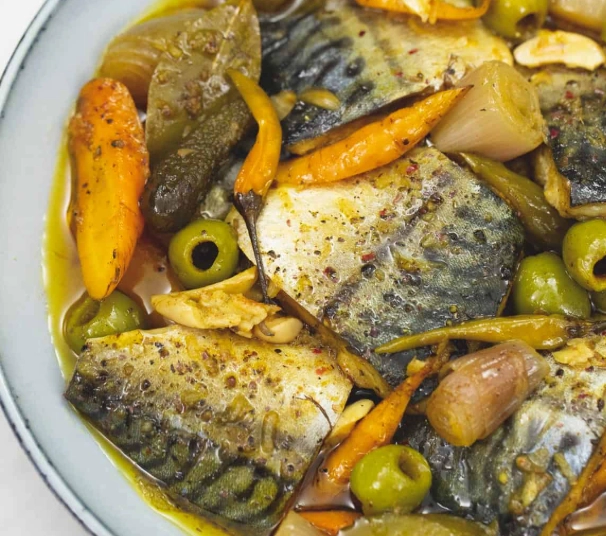
The taste is distinct but not overpowering—think a clean, robust fish flavor that's less "fishy" than bluefish but more pronounced than salmon. It's this balance that makes it so versatile.
How to Select and Prepare Spanish Mackerel (The Right Way)
Your recipe's success starts at the market. A common mistake is buying fish that's past its prime, which guarantees a stronger flavor.
Buying Fresh Spanish Mackerel
Look for clear, bright eyes (not cloudy or sunken). The skin should be shiny and metallic, with firm, vibrant stripes. Press the flesh gently; it should spring back immediately. Smell it. It should smell like the clean ocean, not ammonia. If you can only find frozen fillets, that's okay. Thaw them slowly in the fridge overnight.
The Critical Prep Step Everyone Misses
Here's my non-negotiable tip, especially for larger Spanish mackerel: soak it in milk. Not for long—just 20-30 minutes in the fridge. The casein in milk binds to the compound that causes that overly fishy taste (trimethylamine) and neutralizes it. Rinse the fillets and pat them bone-dry with paper towels. Dry skin is the secret to crispy skin.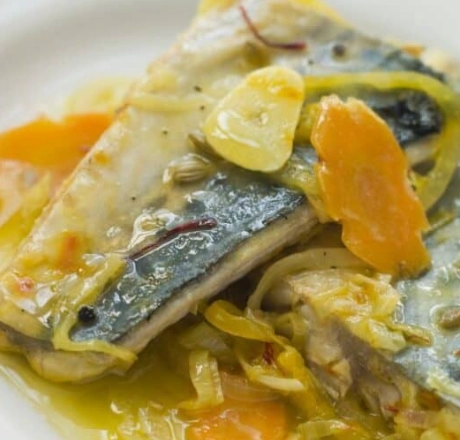
How to Cook Spanish Mackerel: Three Perfect Methods
These three approaches cover the bases: quick weeknight dinner, impressive grill master move, and a refreshing raw option for the adventurous.
Method 1: Pan-Seared Spanish Mackerel with Lemon-Herb Butter
This is my weeknight go-to. It's fast, foolproof, and delivers restaurant-quality results in under 15 minutes. The key is a screaming hot pan.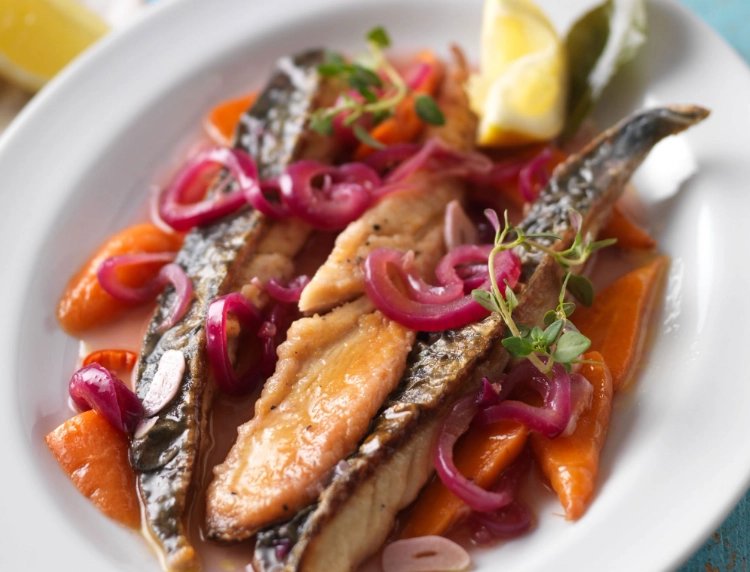
What you'll need for two fillets:
| Ingredient | Amount | Notes |
|---|---|---|
| Spanish Mackerel Fillets | 2 (6-8 oz each) | Skin-on, patted dry |
| Neutral Oil (Avocado/Grapeseed) | 1 tbsp | High smoke point |
| Kosher Salt & Black Pepper | To taste | Be generous |
| Unsalted Butter | 3 tbsp | Cold, cubed |
| Fresh Lemon Juice | 1.5 tbsp | About half a lemon |
| Fresh Herbs (Dill, Parsley) | 2 tbsp, chopped |
Steps: Season fillets aggressively with salt and pepper. Heat oil in a heavy skillet (cast iron is perfect) over medium-high until it shimmers. Place fillets skin-side down. Press gently for 10 seconds to prevent curling. Cook for 4-5 minutes without moving until skin is super crispy. Flip, cook flesh-side for 1-2 minutes until just opaque. Transfer to plates. Reduce heat to low, add butter, lemon juice, and herbs to the pan. Swirl until melted and slightly browned. Pour over fish. Done.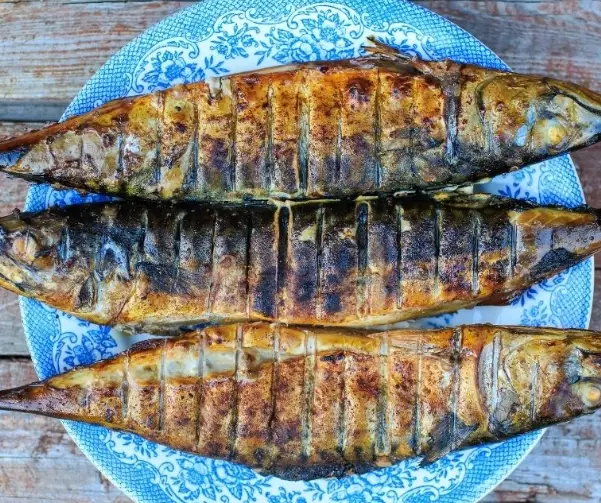
Method 2: Grilled Spanish Mackerel with Mediterranean Marinade
Grilling accentuates the mackerel's oiliness in the best way. A simple marinade protects it from drying out and adds fantastic flavor. This is perfect for a summer BBQ.
Marinade Formula (for 4 fillets): 1/4 cup olive oil, 3 minced garlic cloves, zest and juice of 1 lemon, 1 tbsp chopped fresh oregano (or 1 tsp dried), 1 tsp smoked paprika, 1/2 tsp red pepper flakes. Whisk. Marinate fillets for 20-30 minutes (no longer, or the acid will start to "cook" the fish).
Grilling: Clean and oil your grill grates well. Heat grill to medium-high (about 400°F/200°C). Place fillets skin-side down. Close the lid. Grill for 5-6 minutes. Do not flip unless the fillets are very thick. The skin will release when it's ready. If you must flip, do it carefully and grill for just 1 minute more. The fish is done when it flakes easily but is still moist in the center.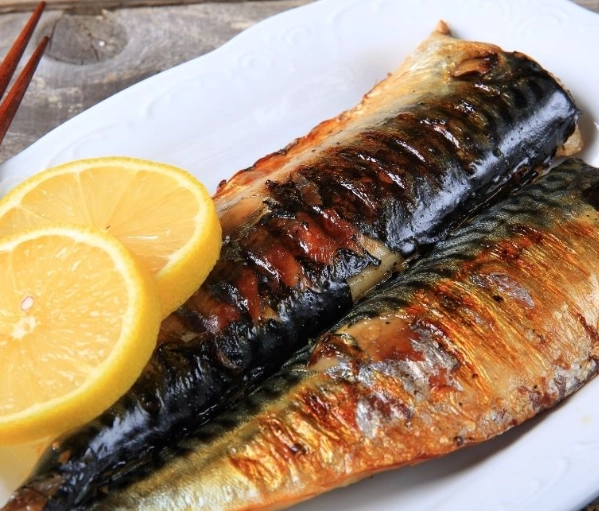
Method 3: Spanish Mackerel Sashimi or Crudo
If you find ultra-fresh, sushi-grade Spanish mackerel (ask your fishmonger explicitly), this is a revelation. The texture is firm yet buttery. Only attempt this with fish explicitly labeled for raw consumption.
Slice the fillet thinly against the grain. Arrange on a plate. Drizzle with a touch of high-quality extra virgin olive oil, a sprinkle of flaky sea salt, and a few drops of lemon or yuzu juice. Garnish with microgreens or finely sliced scallions. It's pure, clean, and incredibly satisfying.
The Best Flavors to Pair with Spanish Mackerel
Spanish mackerel's richness loves acidity and bright, punchy flavors to cut through the oil.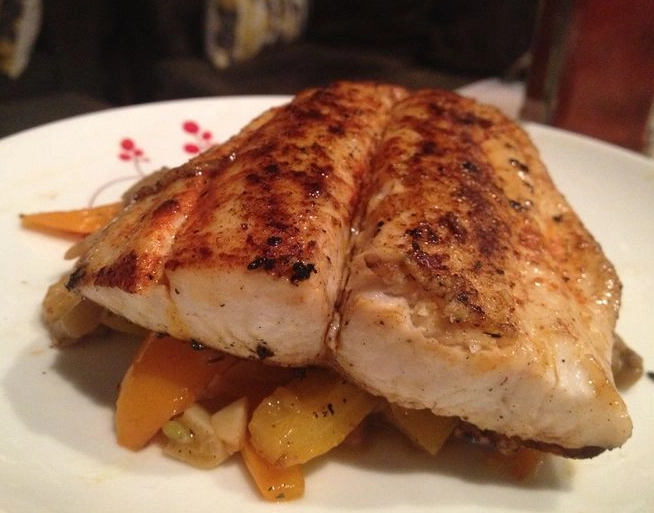
Acids: Lemon, lime, yuzu, vinegar (especially sherry or rice wine).
Herbs: Dill, parsley, cilantro, oregano, thyme.
Spices: Smoked paprika, cumin, coriander, black pepper.
Vegetables: Tomatoes, onions (pickled are great), roasted peppers, bitter greens like arugula.
Grains: It's fantastic on a bed of quinoa, couscous, or a simple lemon-herb rice.
A personal favorite side is a quick cucumber and red onion salad with a dill-yogurt dressing. The cool crunch is perfect next to the warm, rich fish.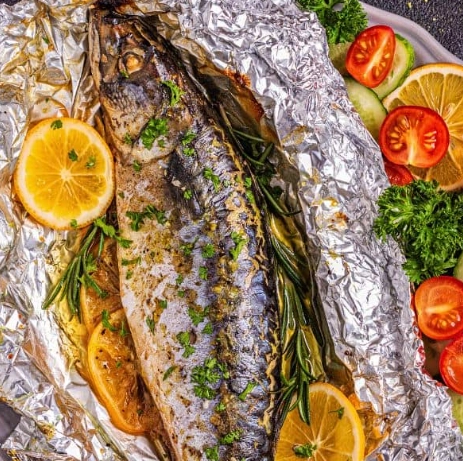
Your Spanish Mackerel Cooking Questions, Answered
My Spanish mackerel always turns out dry. What am I doing wrong?
You're almost certainly overcooking it. Spanish mackerel cooks faster than you think because of its lower connective tissue. For fillets, aim for an internal temperature of 125-130°F (52-54°C) – it will carry over to 135°F (57°C) while resting. The flesh should be just opaque and flake easily, but still look moist and glossy in the center. Use a thermometer a few times to get a visual sense, then you can eyeball it.
Can I substitute Spanish mackerel in a recipe that calls for salmon or trout?
You can, but adjust your expectations. Spanish mackerel has a firmer texture and a more pronounced flavor than salmon. It works well in recipes where the fish is the star, like grilling or searing. For a rich, creamy pasta sauce where salmon might melt in, mackerel might stand out too much. It's a better substitute for other oily fish like bluefish or fresh tuna in recipes.
How do I store and reheat leftover cooked Spanish mackerel?
Store leftovers in an airtight container in the fridge for up to 2 days. Reheating is tricky—the microwave will turn it rubbery. The best method is to gently reheat it in a covered skillet with a splash of water or broth over very low heat, just until warmed through. Even better, flake the cold fish into a salad or mix it into a cold pasta dish. It's excellent at room temperature.