In This Guide
So you've got a bag of these gorgeous, deep-red citrus fruits and you're staring at them, thinking, "Now what?" Beyond just peeling and eating them (which is perfectly fine, by the way), blood oranges can feel a bit intimidating. I remember the first time I bought some, lured by their dramatic color, only to have them sit in my fruit bowl because I was scared to waste them on a mediocre dish.
Let's change that. This isn't about fussy, restaurant-only blood orange recipes. It's about unlocking their unique sweet-tart flavor and stunning color for your everyday cooking. We're talking salads that wow, dinners that feel special, desserts that are shockingly simple, and drinks that will make you feel like a mixologist. I've had my share of kitchen fails with them too—like the time I tried to make a glaze that turned bitter—so I'll steer you clear of those pitfalls.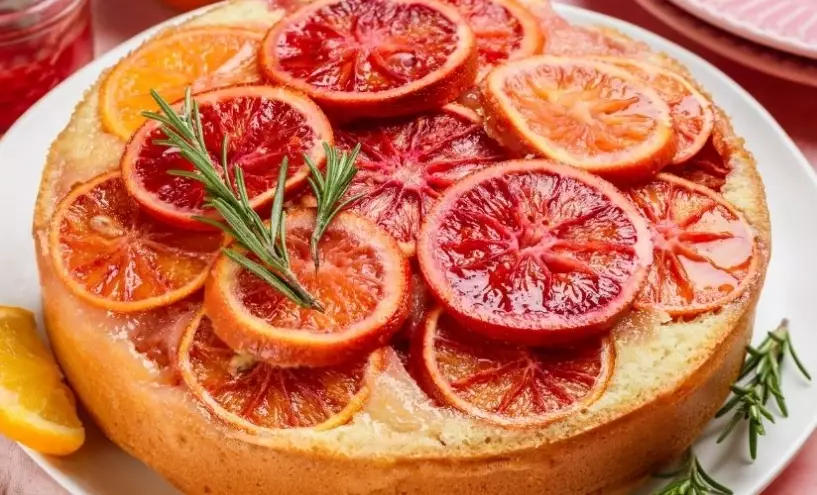
What Makes a Blood Orange So Special Anyway?
It's not just a pretty face. The deep crimson flesh—sometimes veined, sometimes almost solid burgundy—comes from anthocyanins. Those are the same antioxidants you find in blueberries and red wine. This means blood oranges have a slightly different nutritional profile and a more complex flavor than your standard navel orange.
The taste is where they really shine. Imagine a regular orange, but dial down the straightforward sweetness and add layers of raspberry, cherry, and sometimes even a floral note. That hint of tartness is what makes them so brilliant in both sweet and savory blood orange recipes. They don't just add citrus juice; they add a whole new dimension.
Which variety you get matters, though. The three main types you'll encounter are:
| Variety | Appearance & Flavor | Best For | Availability |
|---|---|---|---|
| Moro | Deepest red flesh, often with a burgundy blush on the rind. Bold, berry-like flavor with a pronounced tartness. | Where color is king: cocktails, sorbets, garnishes, sauces where you want a vibrant punch. | Most common, mid-winter peak. |
| Tarocco | Considered the sweetest. Flesh is less intensely pigmented (often streaked). Thin, easy-to-peel skin. | Eating fresh, in salads, desserts where balance is key. My personal favorite for snacking. | Widely available. |
| Sanguinello | Late bloomer. Skin has a reddish tint. Flavor is well-balanced, sweet with a hint of tartness. | All-purpose: juicing, marmalades, general cooking. A reliable workhorse. |
How do you pick good ones? Look for fruits that feel heavy for their size (juicy!), with smooth, brightly colored skin. A little give is okay, but avoid ones that are super soft or have blemishes. Don't fret if the skin isn't red—the magic is almost always inside.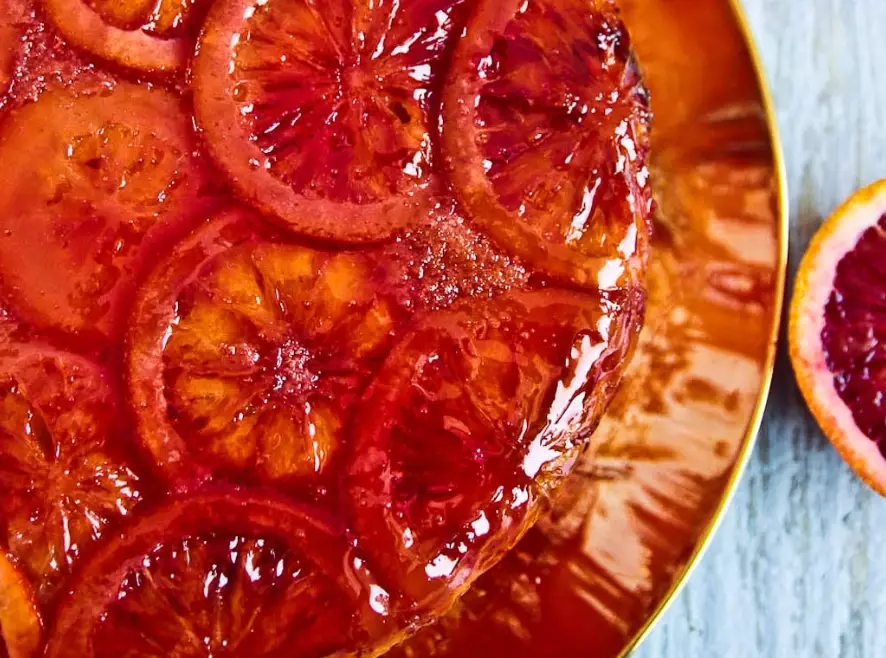
Getting Started: Prep Tips You'll Actually Use
Before we dive into the blood orange recipes, let's talk technique. A little know-how here saves a lot of frustration later.
Juicing: Roll the fruit on the counter with the palm of your hand to break up the pulp inside—you'll get more juice. A simple handheld reamer works great. For a pulp-free juice, strain it through a fine-mesh sieve. Pro tip: zest the orange *before* you juice it! That fragrant outer layer is gold dust for baking.
Segmenting (Supreming): This sounds chef-y, but it's just removing the membrane to get perfect, bare citrus segments. It's worth it for salads and desserts. Slice off the top and bottom, stand the orange on a cut end, and use a knife to cut away the peel and white pith. Then, slice along the membrane of each segment to release it. A bit messy, but therapeutic once you get the hang of it.
Slicing: For beautiful, thin rounds (great for tarts or cocktail garnishes), just slice the unpeeled fruit crosswise. You'll get stunning pinwheels of red and orange.
A quick warning: That gorgeous color can stain. If you're juicing a lot, maybe don't wear your favorite white shirt. And wooden cutting boards might absorb a slight tint. Just something to keep in mind.
The Recipes: From Simple Sides to Showstoppers
Okay, let's get to the good part. I've grouped these blood orange recipes by meal type, starting with the easiest. You don't need to be a pro.
Salads & Starters That Steal the Show
This is where blood oranges truly excel. Their acidity cuts through rich ingredients like nobody's business.
The Classic Winter Salad: This is my go-to. It's less a recipe and more a template. Combine segmented blood oranges, thinly sliced fennel, and a handful of bitter greens (arugula, radicchio, or endive). Crumble over some goat cheese or shave some Parmesan. For the dressing, just use a bit of the blood orange juice, extra virgin olive oil, salt, and pepper. Toasted walnuts or pistachios on top add crunch. It's bright, crunchy, bitter, sweet, and creamy all at once. Impossible to mess up.
Avocado & Citrus Toast Upgrade: Mash a ripe avocado on good toasted bread. Top with thin blood orange slices, a sprinkle of chili flakes or everything bagel seasoning, and a drizzle of olive oil. It transforms your basic avocado toast into something restaurant-worthy for breakfast or lunch.
What about a salsa? Finely dice blood orange segments, red onion, and jalapeño. Mix with cilantro, lime juice, and salt. It's incredible on grilled fish (like salmon or mahi-mahi) or even with chips. The fruit's sweetness mellows the onion and heat perfectly.
Main Courses with a Citrus Kick
Yes, you can cook with them! The key is to add the juice or segments towards the end of cooking to preserve their fresh flavor.
Pan-Seared Chicken with Blood Orange Glaze: This is a weeknight hero. Season chicken breasts or thighs. Sear them in a pan until cooked through, then remove. In the same pan, add about 1/2 cup of blood orange juice, a tablespoon of honey, and a splash of soy sauce or balsamic vinegar. Let it simmer and reduce until it's syrupy. Throw in a couple of tablespoons of cold butter, swirl until melted and glossy, then pour over the chicken. Garnish with thyme. The sauce is tangy, sweet, and rich.
Roasted Salmon with Citrus Herb Relish: Roast a salmon fillet simply with salt, pepper, and olive oil. While it cooks, make a relish: mix finely chopped blood orange segments, shallot, capers, dill, and parsley with a bit of olive oil. Spoon it over the hot salmon right before serving. The heat from the fish slightly wilts the relish, and the flavors just melt together.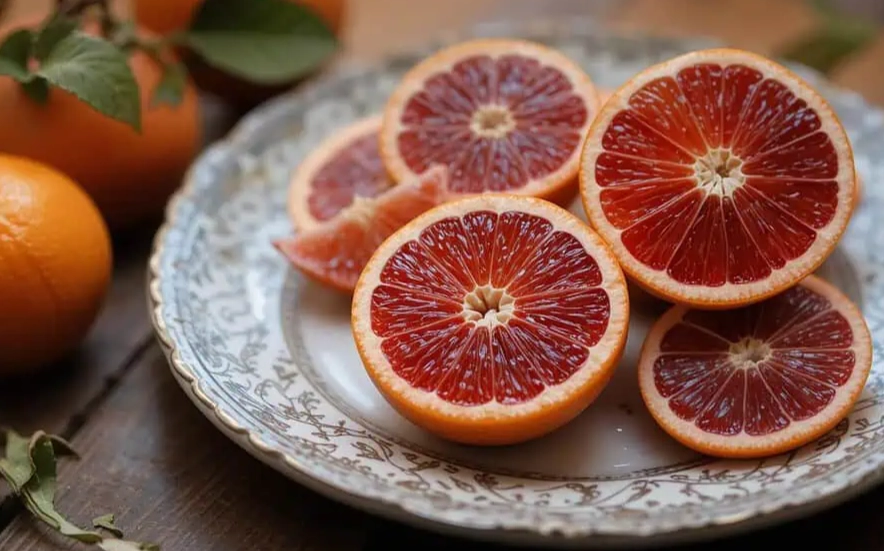
My two cents: I'm not a fan of using blood orange juice in long-simmered stews. The delicate berry notes get lost, and it can turn bitter. Stick to quick pan sauces, marinades, or finishing glazes for mains.
Desserts: Where Blood Oranges Shine Brightest
This is the category most people search for when looking up blood orange dessert recipes, and for good reason. The color is pure magic.
Upside-Down Blood Orange Cake: Easier than a layer cake and so impressive. Butter a cake pan and sprinkle with brown sugar. Arrange thin blood orange slices in a pattern on the sugar. Make a simple vanilla or almond cake batter and pour it over. Bake. When you invert it, you have a shimmering, caramelized citrus top. It's moist, fragrant, and stunning.
No-Churn Blood Orange Sorbet: If you have a blender, you can make this. Blend 2 cups of blood orange juice (freshly squeezed is best), 3/4 cup sugar (adjust to taste), and a tablespoon of lemon juice until the sugar dissolves. Pour into a shallow dish and freeze, stirring with a fork every 30 minutes until slushy, then leave to set fully. That's it. The flavor is intensely pure and refreshing. Perfect for cleansing the palate after a rich meal.
Dark Chocolate Tart with Blood Orange Curd: For a more advanced project, this is unbeatable. A crisp chocolate crust, filled with a layer of silky blood orange curd (made like lemon curd, substituting the juice), and topped with whipped cream. The combination of bitter chocolate and vibrant citrus is a classic for a reason.
And let's not forget simple compotes. Simmer segments with a little sugar and water until syrupy. Spoon it over yogurt, ice cream, pancakes, or cheesecake. It's a five-minute wonder.
Drinks: Beyond Basic Juice
Obviously, the juice is delicious on its own. But why stop there?
The Blood Orange Spritz: My favorite aperitif. Fill a glass with ice. Add 2 oz of blood orange juice, 1.5 oz of Aperol or Campari, and top with prosecco or sparkling water. Garnish with an orange slice. It's bitter, sweet, bubbly, and the most beautiful sunset color.
Blood Orange Margarita: Shake together 2 oz tequila, 1 oz blood orange juice, 0.75 oz lime juice, and 0.5 oz agave syrup. Strain into a salt-rimmed glass. It's a familiar favorite with a gorgeous twist.
For a non-alcoholic option, a "blood orange-ade" is fantastic. Mix equal parts blood orange juice and sparkling water, sweeten with simple syrup to taste, and add fresh mint. Kids and adults alike love it.
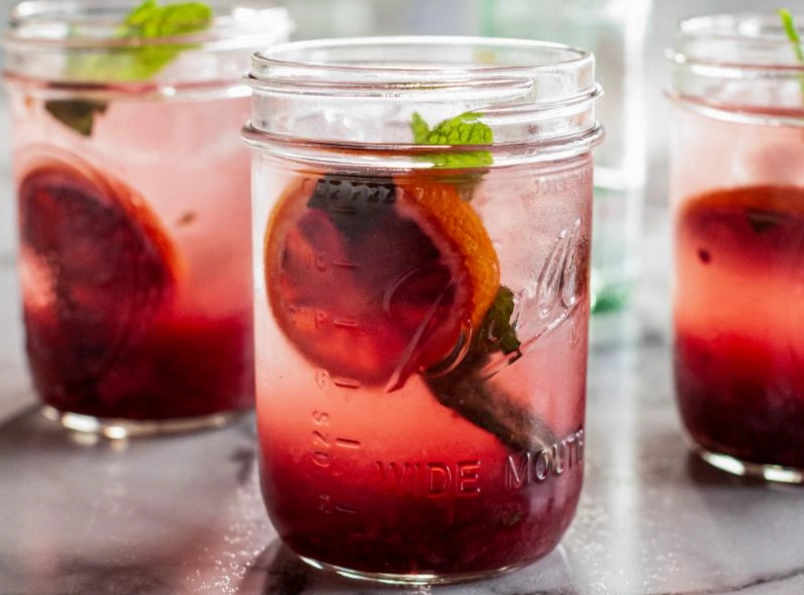 See? It's not so scary.
Answering Your Blood Orange Questions (The Real Ones)
Wrapping It Up: Your Action Plan
Look, the goal isn't to make every single one of these blood orange recipes in a weekend. The goal is to see that bag of mysterious red fruit as an opportunity, not a puzzle.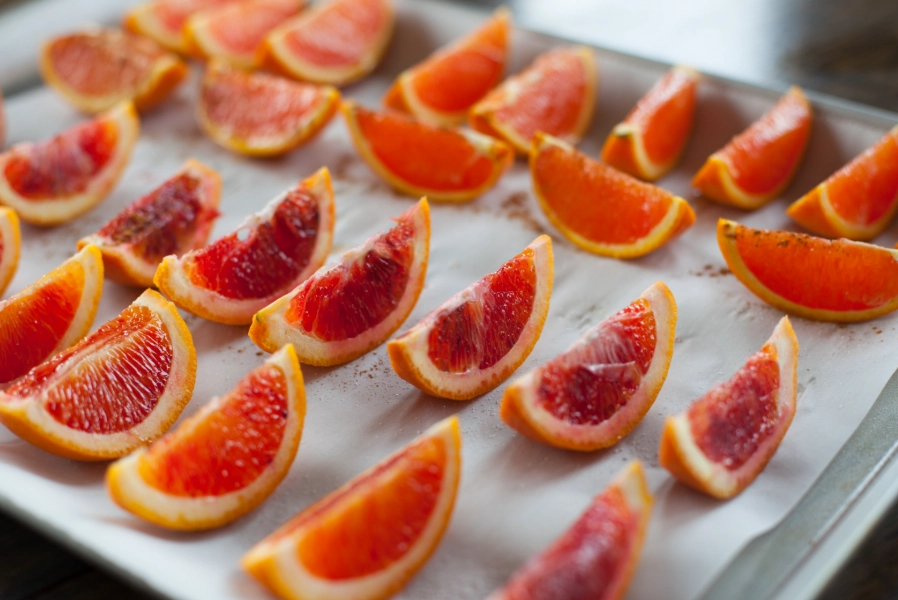
Start with a salad. It's foolproof. Then maybe try the pan sauce for chicken. If you catch the bug, bake the upside-down cake. Each step builds confidence.
The season is short. So next time you're at the market and spot those dimpled, often unassuming fruits with the promise of ruby interiors, grab a few. Don't overthink it. Slice one open, taste that complex sweetness, and let it inspire you. The best kitchen adventures often start with a simple, beautiful ingredient like this.
Got a favorite way to use them that I missed? I'm always looking for new ideas. The beauty of cooking is that there's always another great blood orange recipe waiting to be discovered.