Let's be honest. The first time I tried to make bun bo at home, it was a disaster. The broth was weak, the meat was tough, and the whole thing tasted nothing like the vibrant, aromatic bowls I fell in love with in Vietnam. That failure sent me down a rabbit hole. I talked to chefs in Saigon and Hue, pestered my Vietnamese friends' mothers for tips, and ruined more pots of broth than I care to admit. This bun bo recipe is the result of all that—a detailed, no-shortcuts guide to building the complex, savory, and slightly spicy beef noodle soup at home. Forget the bland, simplified versions online. We're going deep on flavor.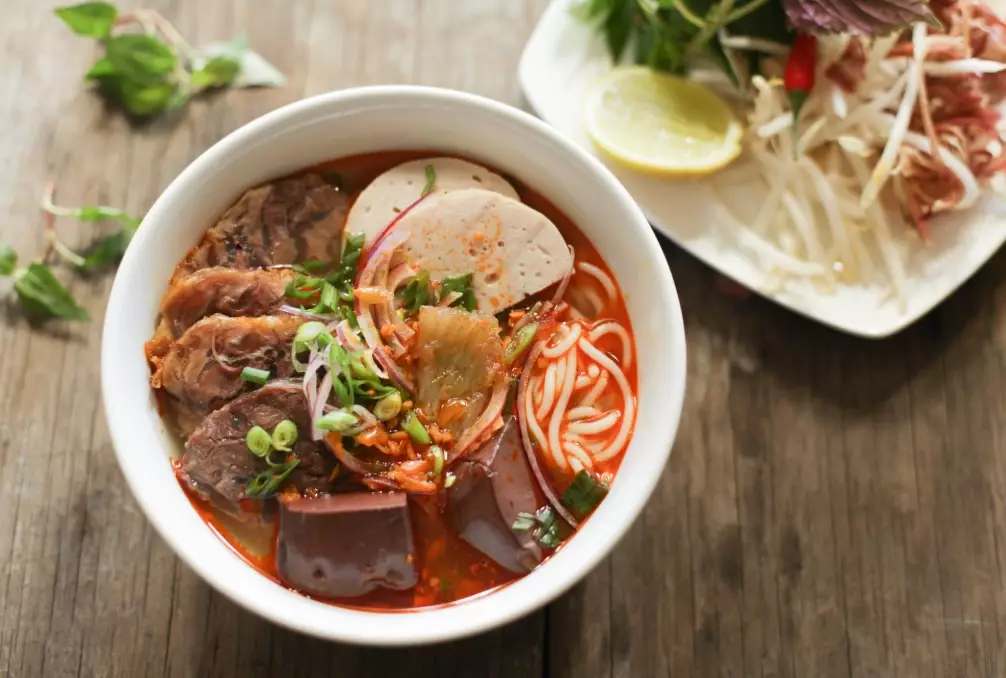
What You'll Find In This Guide
- The Soul of the Dish: Understanding Bun Bo's Broth
- The Non-Negotiable Ingredients: A Detailed Breakdown
- The Step-by-Step Process: Building Layers of Flavor
- Assembly & The Art of Toppings
- Common Pitfalls & How to Avoid Them
- Where to Eat Authentic Bun Bo (If You're Not Cooking)
- Your Bun Bo Questions, Answered
The Soul of the Dish: Understanding Bun Bo's Broth
Most recipes get this wrong. They treat the broth like a simple beef stock. It's not. Authentic bun bo broth is a masterful balance of savory (umami), sweet, and aromatic elements, with a distinct rusty-red hue and a subtle, lingering heat. The complexity comes from three key layers:
The Bone Base: A mix of beef bones (marrow and knuckle) and pork bones (hock or trotters). The pork adds collagen for body and a slight sweetness that pure beef broth lacks.
The Aromatic Sizzle: This is the magic step. Shallots and garlic are charred until blackened in a dry pan or over an open flame. This isn't for garnish—it's crucial. That char adds a deep, smoky-sweet foundation you can't get from raw or simply sautéed aromatics. Most home cooks skip this, and their broth suffers for it.
The Spice Paste: Lemongrass, ginger, and shrimp paste (mam ruoc or mam tom) are pounded or blended. The shrimp paste is divisive but essential for authentic depth; it shouldn't smell foul but like funky, oceanic umami. Toasted annatto seeds or oil provide the signature color.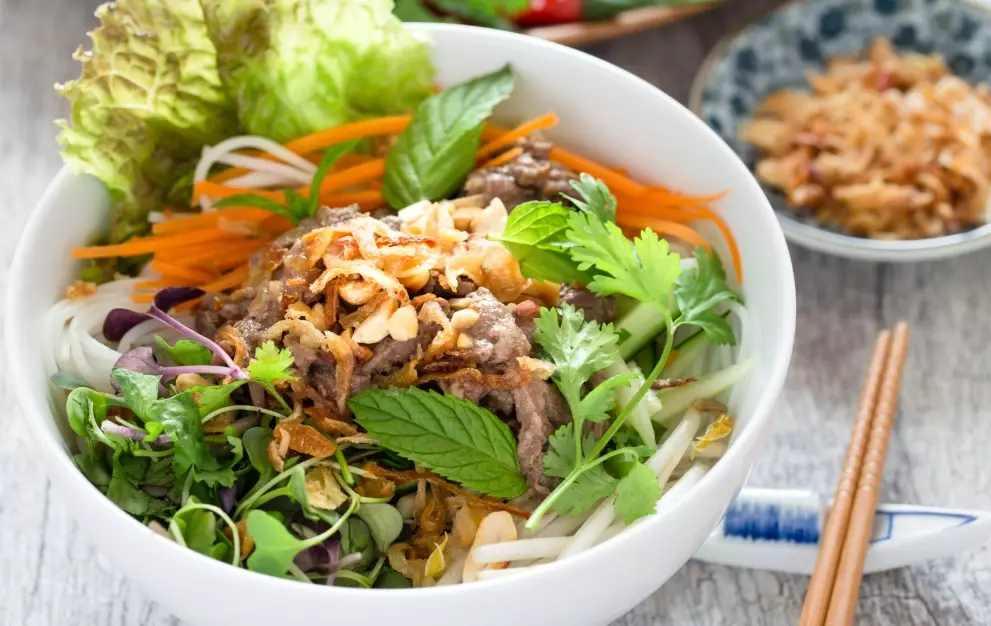
The Non-Negotiable Ingredients: A Detailed Breakdown
You can't make a great bun bo with substitutions for half the list. Here’s what you need and why. I've included notes on where to find items and potential swaps only where they won't compromise the core flavor.
| Ingredient | Purpose & Role | Finding It & Notes |
|---|---|---|
| Beef Shank & Oxtail | Shank for tender slices, oxtail for gelatin-rich, fall-off-the-bone meat. Chuck roast works in a pinch. | Any good butcher or Asian supermarket. Ask for cross-cut shank. |
| Pork Hock (or Trotters) | Adds body, sweetness, and collagen to the broth. Non-negotiable for texture. | Asian or Latin markets. Smoked hock will alter flavor significantly. |
| Dried Shrimp Paste (Mam Ruoc) | The umami bomb. Provides deep, savory funk. The soul of the broth. | Vietnamese grocery stores. Jarred is fine. Start with 1 tsp. |
| Annatto Seeds or Oil | Gives the broth its reddish-orange color, not just saffron-like hue. | Asian/Latin markets. Steep seeds in hot oil to make your own oil. |
| Rice Vermicelli (Bun) | The "bun" in bun bo. Thin, round rice noodles. Not pho noodles (banh pho). | Any Asian market. Look for "Bun" or "Rice Stick." |
| Herbs & Veg: Mint, Rau Ram, Bean Sprouts, Banana Blossom | Freshness, crunch, and aromatic contrast to the rich broth. | Rau Ram (Vietnamese coriander) is key. Substitute cilantro + mint in a 50/50 mix if desperate. |
The Step-by-Step Process: Building Layers of Flavor
This isn't a dump-and-simmer affair. Each step builds on the last.
1. The Initial Blitz: Charring and Blooming
Don't just toss bones in water. Blanch them first in boiling water for 10 minutes, then rinse. This removes impurities and gives you a clearer broth. While that happens, char your whole shallots and garlic cloves in a dry skillet. They should be blackened in spots. In the same pot you'll make the broth, heat annatto oil and sizzle the lemongrass and ginger paste for a full minute until incredibly fragrant.
2. The Long Simmer (But Not Too Long)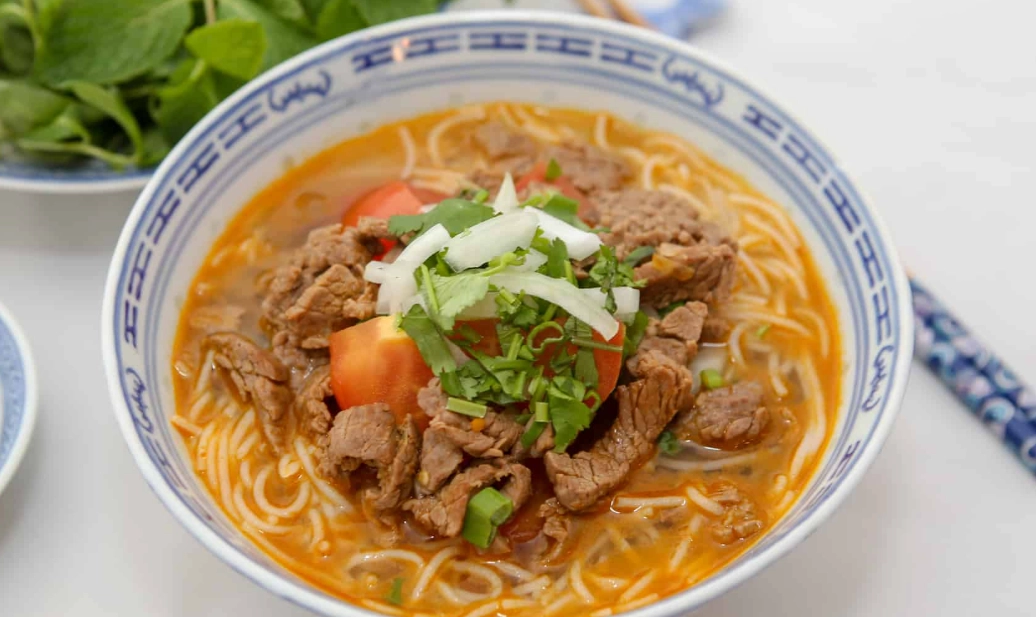
Add the cleaned bones, charred aromatics, and enough cold water to cover by 2 inches. Bring to a bare simmer—bubbles should barely break the surface. A rolling boil will make the broth cloudy and harsh. Skim any foam for the first 30 minutes. Here's the timeline I follow:
- Hour 1-2: Bones, aromatics, and a chunk of rock sugar simmering.
- Hour 2.5: Add the beef shank. It needs about 1 to 1.5 hours to become tender but sliceable.
- Hour 3.5: Fish sauce goes in now. Adding it too early can make the broth bitter during the long cook.
- Final 30 minutes: Season with salt, a touch more sugar if needed, and a careful addition of the diluted shrimp paste. Taste relentlessly.
The Biggest Mistake I See: Overcooking the beef shank. You want it tender enough to slice thinly against the grain, but still hold its shape. If it's shredding in the pot, it's too far gone for the topping. Fish it out earlier next time.
3. Preparing the Toppings & Noodles
Slice the cooked shank thinly. Marinate it briefly in a mix of minced lemongrass, garlic, and a bit of fish sauce, then give it a quick sear in a pan. This step adds a caramelized, savory crust that elevates it from boiled meat to a star topping. Cook the rice vermicelli according to package, rinse in cold water, and drain well. No one wants lukewarm, gummy noodles.
Assembly & The Art of Toppings
Assembly order matters. Noodles first. Then your seared beef slices, maybe some thin slices of oxtail meat. Ladle the piping hot broth over everything—it should heat the meat and noodles through. Now, the fresh stuff: a mountain of bean sprouts, sliced banana blossom (soaked in acidulated water to prevent browning), shredded lettuce, and a huge handful of herbs—mint, rau ram, and sawtooth coriander if you have it.
A squeeze of lime, a spoonful of thinly sliced onions marinated in vinegar, and then you adjust. More fish sauce for salt? A dollop of chili sate oil (tuong ot) for heat? This is where you make it yours. The contrast between the hot, rich broth and the cold, crisp veggies is non-negotiable.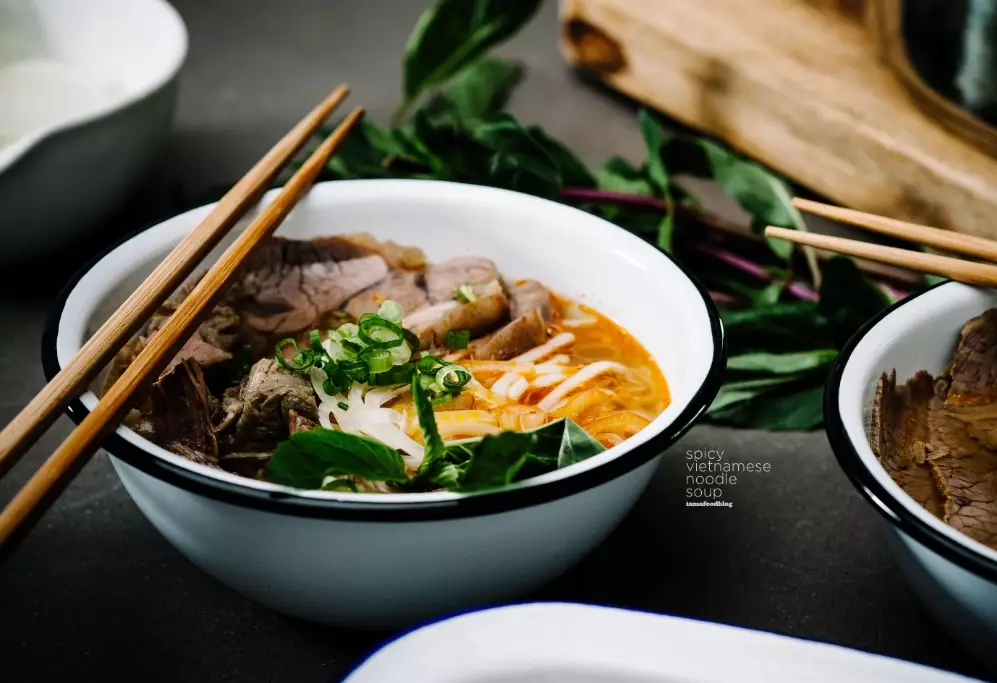
Common Pitfalls & How to Avoid Them
- Weak Broth: You skimped on bones or didn't simmer long enough. Use at least 3 lbs of mixed bones. The pork element is crucial.
- Broth Lacks Depth: You skipped the charring step for shallots/garlic, or you were too shy with the shrimp paste. Embrace the funk.
- Meat is Tough: You added the shank with the bones at the start. It overcooks. Add it halfway through the simmer.
- Noodles are Mushy: You overcooked them and didn't rinse with cold water to stop the cooking.
Where to Eat Authentic Bun Bo (If You're Not Cooking)
To truly understand the benchmark, sometimes you need to taste it made by masters. If you're in a major city, seek out these spots. Look for places where the broth has a deep, reddish color and the menu is mostly in Vietnamese.
In Vietnam: Obviously, the source. In Hue, try Bun Bo Hue O Phan near the Perfume River. In Ho Chi Minh City, Bun Bo Hue Nguyen Tri Phuong in District 10 is legendary. Expect to pay 40,000 - 60,000 VND ($1.50-$2.50 USD).
In the US (West Coast): Bun Bo Hue An Nam in San Jose, CA is a temple for the dish. In Orange County, CA, Bun Bo Hue Restaurant in Westminster is a staple. Bowls run $12-$16.
In the US (East Coast): Falls Church, VA and Philadelphia, PA have strong scenes. Huong Viet in Falls Church is consistently praised.
The hallmarks of a great shop: a fragrant, complex broth you can smell from the door, a wide array of fresh herbs, and condiments like chili paste and shrimp paste on the table for customization.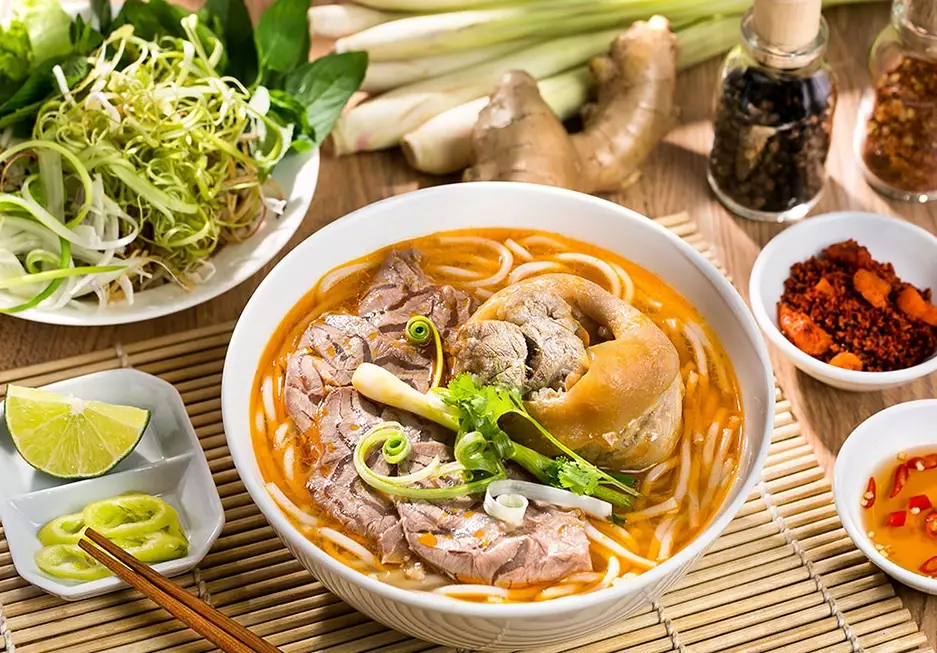
Your Bun Bo Questions, Answered
 Why did my broth turn out bitter?