You know that moment in a good bakery. You bite into a financier, and it's this perfect thing: a crackly, almost caramelized crust giving way to an impossibly moist, dense-yet-springy interior that tastes intensely of toasted nuts and brown butter. Then you try a classic financier recipe at home, and... meh. It's fine. Maybe a bit dry. The flavor is timid. The crust is lackluster. It feels like a missed opportunity.
I've been there. My early attempts were more like bland almond muffins. The turning point wasn't a secret ingredient; it was understanding the why behind each step. This isn't just another list of ingredients. This is a breakdown of how to manipulate them to get that iconic texture and flavor consistently. Forget dry cakes. We're aiming for that bakery-quality bite every single time.
Jump Straight to What You Need
- The Non-Negotiable Core of a Great Financier
- Your Financier Ingredient Arsenal: Quality & Purpose
- The Foolproof Step-by-Step Financier Process
- Baking, Shaping & The Ultimate Troubleshooting Guide
- Beyond the Classic: Expert Variations & Flavor Twists
- Your Financier Questions, Answered by a Pastry Cook
The Non-Negotiable Core of a Great Financier
Most recipes get the "what" right but gloss over the "how." Let's fix that. Three principles are non-negotiable.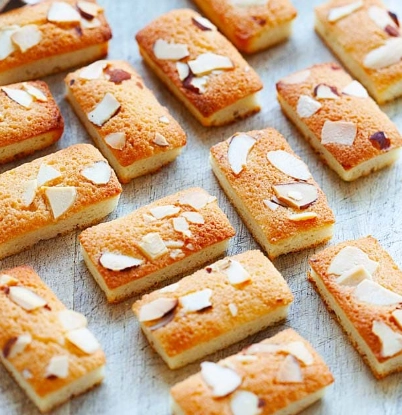
Brown Butter is Not a Suggestion
Using melted butter instead of properly browned (beurre noisette) butter is the single biggest reason homemade financiers taste flat. You're not just cooking out water; you're toasting the milk solids, creating hundreds of new flavor compounds. The goal is a deep, nutty aroma and a color reminiscent of hazelnuts. Stop too early, and you miss the point. I've found that a stainless steel pan gives you the best visual cue over a non-stick one.
Resting the Batter is a Texture Hack
This is the step everyone wants to skip. Don't. Resting the batter in the fridge for at least an hour (overnight is gold) allows the flour and almond meal to fully hydrate. It gives the gluten a chance to relax, ensuring a supremely tender crumb. It also firms up the batter, making it easier to pipe and resulting in a better rise. Skipping this gives you a coarser, more porous texture.
Protein Power: The Egg White Advantage
Using only egg whites isn't just about color. It's about structure and moisture. Yolks contain fat and emulsifiers that can make the cake richer but also denser. Whites provide a clean, sturdy structure through coagulation and steam, contributing to that signature moist-yet-light feel. They also allow the almond and brown butter flavors to shine without competition from eggy richness.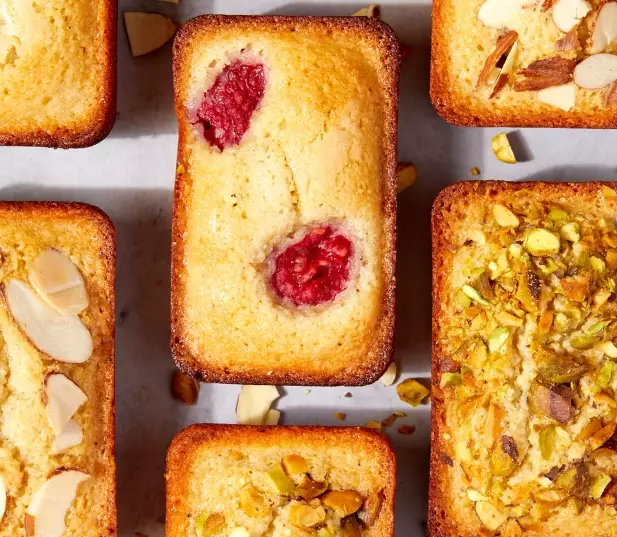
Your Financier Ingredient Arsenal: Quality & Purpose
Let's talk specifics. Here’s what you need and why it matters.
Pro Tip from the Kitchen: Weigh your ingredients. A financier batter is a precise emulsion. Volume measurements for almond flour and powdered sugar are notoriously inconsistent. A kitchen scale is your best investment for baking consistency.
| Ingredient | Best Choice & Why | Common Pitfall to Avoid |
|---|---|---|
| Almond Flour/Meal | Finely ground, blanched almond flour. It gives a smoother crumb. For more texture, use 10% almond meal (skin-on). | Using only coarse almond meal can make the cake gritty. Check for freshness—rancid nuts ruin everything. |
| Butter | Good quality unsalted butter. You need control over salt. European-style butter (higher fat) yields a richer flavor. | Browning the butter in a light-colored pan where you can't see the color change. You'll likely under-brown it. |
| Sugar | Primarily powdered sugar (icing sugar). It dissolves instantly, creating a finer texture. A touch of granulated sugar can enhance crust browning. | Using only granulated sugar, which can create a slightly grainier texture and inhibit the fine crust. |
| Egg Whites | Room temperature. They incorporate more easily and provide more volume when whipped (if your recipe calls for it). | Using cold egg whites straight from the fridge. They can re-solidify the brown butter, breaking the emulsion. |
| Flour | All-purpose or cake flour. Cake flour yields a more delicate crumb. The small amount is just for structure. | Over-measuring the flour. This is the main culprit for dryness. Spoon and level, or better yet, weigh. |
The Foolproof Step-by-Step Financier Process
Follow this sequence. It's designed to build flavor and texture methodically.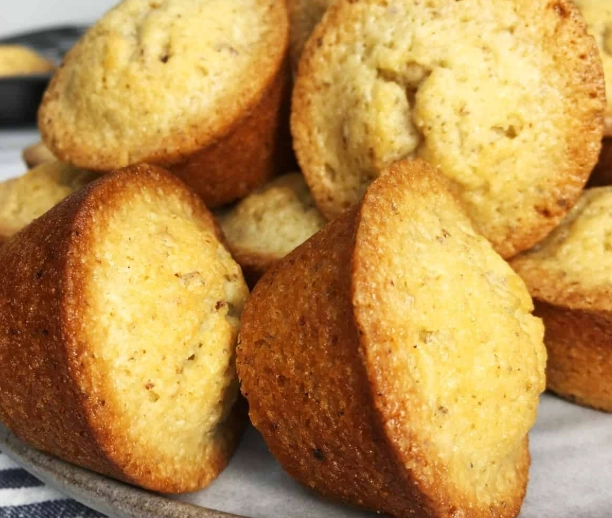
Step 1: Brown the Butter Deeply. Cut 115g (1 stick) of unsalted butter into pieces. Melt it in a light-colored saucepan over medium heat. It will foam, then crackle (that's the water cooking off). Swirl the pan constantly. Watch for the milk solids at the bottom turning a deep golden brown and the smell becoming intensely nutty. It takes about 5-8 minutes. Immediately pour it into a heatproof bowl to stop the cooking. Let it cool to about 60°C (140°F)—warm, not hot. You should see browned bits at the bottom. That's flavor.
Step 2: The Dry Team. In a large bowl, whisk together 95g almond flour, 130g powdered sugar, 30g all-purpose flour, and a pinch of salt (about 1/4 tsp). Whisk thoroughly to eliminate any lumps. This aerates the mixture a little, too.
Step 3: Incorporate the Whites. Add 90g (about 3 large) room-temperature egg whites to the dry ingredients. Start whisking gently until just combined. The batter will be very thick and paste-like at this stage. That's normal.
Step 4: The Emulsion Moment. Slowly drizzle the warm (not hot!) brown butter into the batter while whisking continuously. If the butter is too hot, it will cook the egg whites. Keep whisking until the batter is smooth, glossy, and homogeneous. It will be relatively thin now.
Step 5: The Crucial Rest. Cover the bowl and refrigerate for at least 1 hour, up to 24 hours. You'll see the batter thicken significantly. This is when the magic of hydration happens.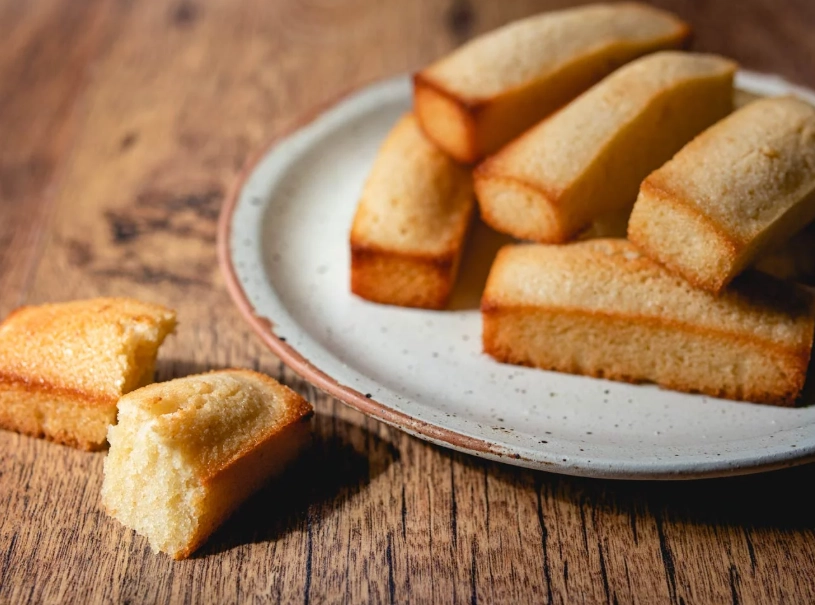
Baking, Shaping & The Ultimate Troubleshooting Guide
Preheat your oven to 200°C (400°F). This high initial heat is crucial for the "oven spring" and that iconic crispy edge.
Mold Matters: Traditional rectangular financier molds are great, but mini muffin tins work beautifully. Grease them thoroughly with butter or baking spray. Do not skip this, even if they're non-stick. Fill each cavity about 80% full.
Bake for 10-12 minutes (for small molds) until the tops are domed, the edges are deep golden brown, and a skewer inserted comes out clean. The high heat sets the crust quickly, trapping steam inside for a moist center.
Let them cool in the pan for 5 minutes, then transfer to a wire rack. They are best eaten the same day but will keep in an airtight container for 2 days.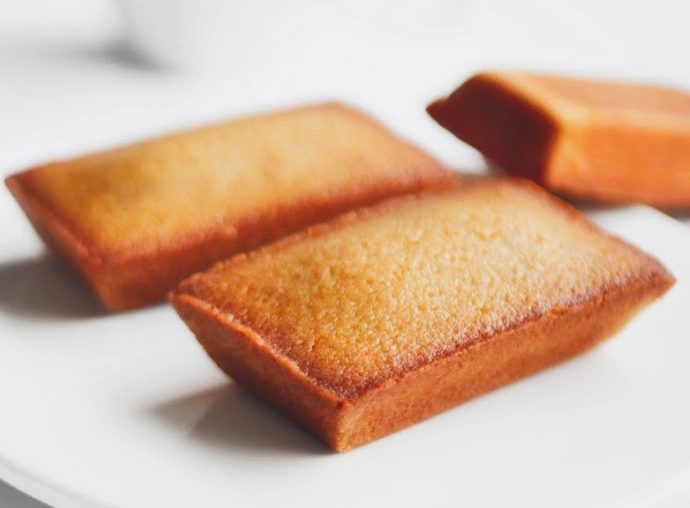
What Went Wrong? Your Quick Fix Guide:
Dry & Crumbly: Over-baked, or too much flour. Check your oven temperature with a thermometer. Weigh your flour.
Dense & Gummy: Under-baked, or batter was over-mixed after adding butter. Use the skewer test. Mix just until combined.
Pale & Soft Crust: Oven not hot enough, or used a dark metal pan (lowers effective heat). Crank up the heat and use a light-colored pan.
Stuck in the Pan: Insufficient greasing. Grease every nook, even non-stick pans. Let cool briefly before removing.
Beyond the Classic: Expert Variations & Flavor Twists
Once you master the base, the world opens up. Here’s how to adapt like a pro.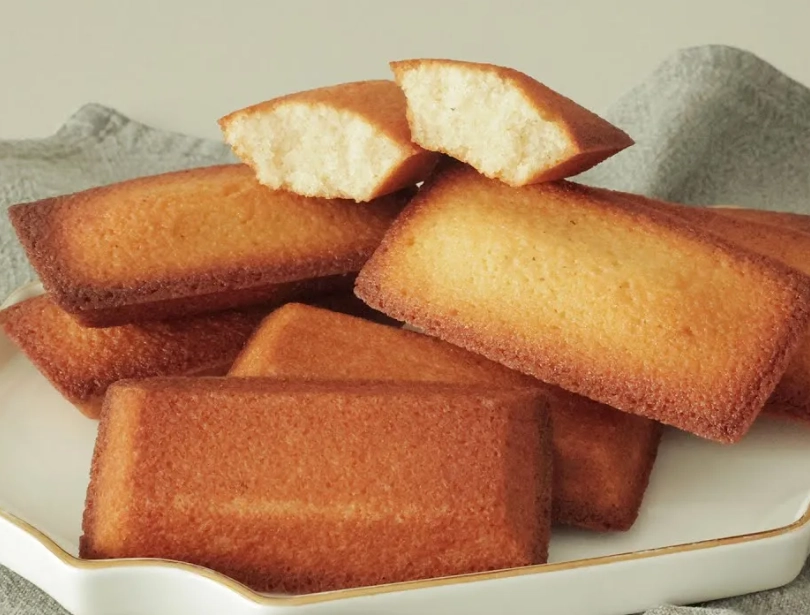
Citrus Zest: Add the finely grated zest of one lemon or orange to the dry ingredients. It cuts the richness perfectly.
Berry Insert: Press a single fresh raspberry, blackberry, or a couple of blueberries into the center of each unbaked financier. It sinks in slightly and creates a jammy pocket.
Matcha or Chocolate: Replace 5-10g of the all-purpose flour with high-quality matcha powder or unsweetened cocoa powder. Sift it with the dry ingredients.
Nut Swaps: You can substitute up to half the almond flour with an equal weight of hazelnut or pistachio flour. Toast the nut flour lightly in the oven first for maximum flavor.
My personal favorite? A pinch of ground cardamom in the dry mix and a drizzle of white chocolate after baking. It’s unconventional but incredible.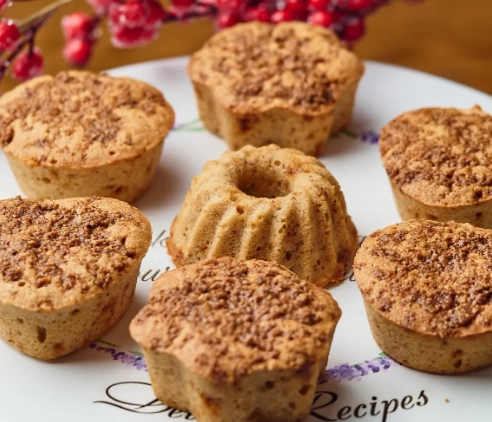
Your Financier Questions, Answered by a Pastry Cook
Can I make financier batter days ahead and bake fresh?
Absolutely, and I highly recommend it. The batter keeps beautifully in the fridge for up to 3 days. The flavor deepens, and the texture improves. Let it sit at room temperature for 20 minutes to become pipeable, then bake as usual. It's the best hack for fresh pastries with minimal morning effort.
My financiers always stick to the pan, even when I grease it. What's the secret?
This is a common frustration. First, use softened butter, not melted, to grease the molds. Use a pastry brush and get into every corner, creating a visible layer. Then, dust the molds with flour and tap out the excess. This "panade" method (butter + flour) is more reliable than spray alone. Also, let them cool for exactly 5 minutes before gently loosening the edges with a small offset spatula.
Is there a way to get a more pronounced crispy edge without over-baking?
Yes, two tricks. First, ensure your oven is fully preheated—I let mine run for a good 20 minutes past the beep. Second, try adding 5-10g of granulated sugar to your dry ingredients alongside the powdered sugar. The larger sugar crystals take longer to melt and can promote more caramelization and crispness on the exterior while the inside stays moist.
My brown butter sometimes burns or smells bitter. How do I control it perfectly?
The window between perfect and burnt is small. Use a saucepan with a light interior. The moment you see the milk solids turn a rich amber (think the color of a brown paper bag) and smell like toasted hazelnuts, take it off the heat. Immediately pour it into your cool bowl—the residual heat in the pan will continue cooking it. If you see black specks, it's burnt. Start over, as that bitterness will permeate the whole batch.
Can I use whole eggs instead of just egg whites for a richer financier?
You can, but you're making a different cake. The classic texture relies on the specific protein and moisture profile of egg whites. Using a whole egg will give you a richer, more pound-cake-like crumb, denser and less ethereal. If you want to experiment, try substituting one whole egg for two of the egg whites. The flavor will be good, but don't expect the traditional light, moist chew.