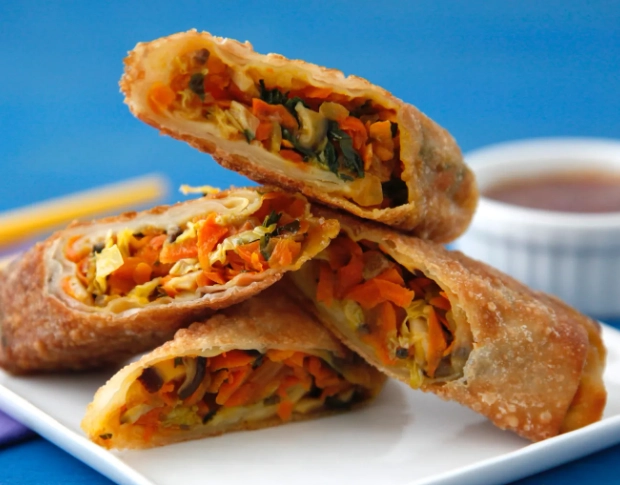
Let's be honest. Most vegetable spring roll recipes promise crispy results but deliver something closer to a chewy, oily envelope of disappointment. I've been there, staring at a plate of soggy rolls, wondering where I went wrong. After years of testing (and more than a few failures), I've nailed down a method that works every single time. This isn't just a list of ingredients and steps; it's the blueprint for achieving that perfect, shatteringly crisp exterior with a flavorful, savory vegetable filling. We're going deep on the why, not just the how.
In This Article You'll Find
The Non-Negotiable Ingredient List
Great spring rolls start with the right components. You can tweak the veggies, but swap out these core items and you're on a different path.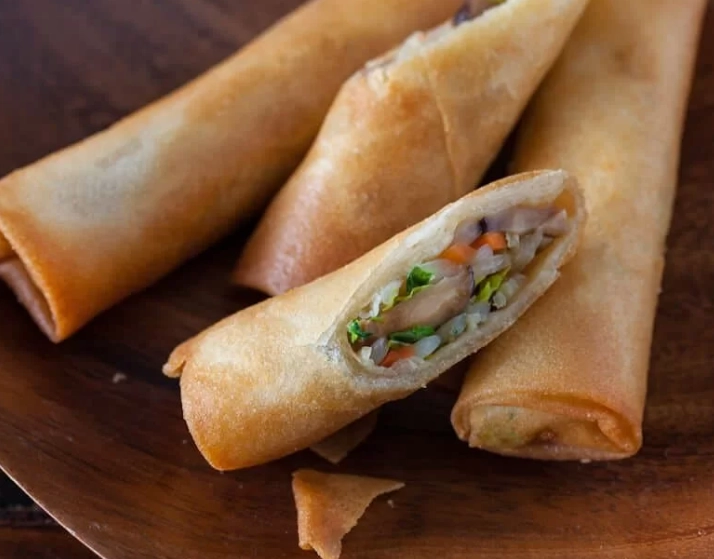
| Ingredient | Why It's Here & Pro Tip |
|---|---|
| Spring Roll Wrappers (Rice Paper) | Not egg roll wrappers! Look for banh trang rice paper rounds. The brand matters less than freshness—avoid packages that feel brittle or have broken pieces. |
| Vermicelli Rice Noodles (Bun) | They act as a sponge, absorbing excess moisture from the veggies. Soak them in hot water for 5-7 minutes only, until pliable but still with a slight bite. Over-soaking makes them mushy. |
| Wood Ear Mushrooms (Dried) | This is the secret texture booster. They rehydrate into a wonderfully crunchy, almost cartilage-like bite that contrasts beautifully with the softer veggies. Find them in any Asian market. |
| Carrots & Cabbage | Julienne them thinly and uniformly. A mandoline saves time and ensures even cooking. Salt them lightly and let them drain in a colander for 10 minutes to remove water. |
| Protein (Optional but Recommended) | For extra heartiness, add crumbled firm tofu pan-fried until golden, or soaked and chopped shiitake mushrooms. They add umami depth. |
| Aromatics: Garlic, Shallot, Green Onion | Finely minced. Sauté them first until fragrant to build the flavor base of your filling. |
Mastering the Filling: Flavor & Texture Secrets
The filling shouldn't be a mushy paste. It needs distinct textures and a balanced flavor profile that's savory, slightly sweet, and aromatic.
Start by sautéing your aromatics in a neutral oil (like vegetable or avocado) over medium heat. Don't rush this. You want them soft and golden, not burnt.
Add your harder vegetables (carrots, wood ears) first, stir-frying for a couple of minutes. Then toss in the cabbage. The goal here is to wilt the vegetables, not fully cook them. They should still have plenty of crunch. Overcooking at this stage releases too much liquid and results in a bland, watery filling.
Seasoning is key. A common blandness culprit is under-seasoning the filling, assuming the dipping sauce will carry all the flavor. It won't. For a standard batch (about 12-15 rolls), I use:
- 2 tbsp soy sauce or tamari
- 1 tbsp vegetarian oyster sauce (or mushroom stir-fry sauce)
- 1 tsp sugar
- A good grind of black pepper
Turn off the heat before adding the soaked, drained, and chopped rice noodles. Mix everything thoroughly and let the filling cool completely to room temperature. A hot filling will make your rice paper wrappers gummy and impossible to handle.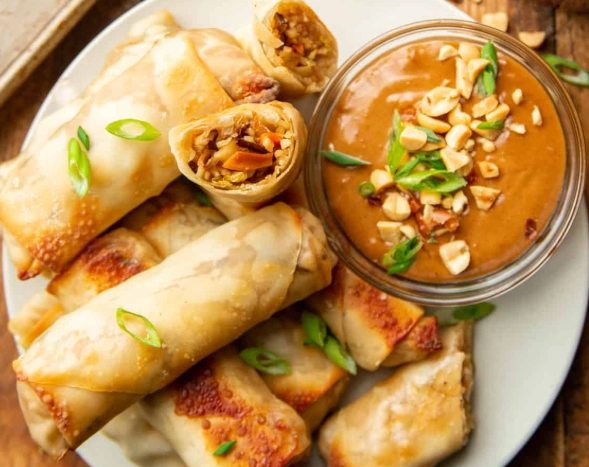
The Foolproof Wrapping Technique (Step-by-Step)
This is where people get nervous. Relax. Have a clean, damp kitchen towel laid out next to a large bowl or pie plate of warm (not hot) water.
Step 1: The Dip. Submerge one rice paper round in the water for about 3-5 seconds. It should still feel slightly stiff when you pull it out. It continues to soften on the towel. The "dip until fully soft" method leads to tearing.
Step 2: The Placement. Lay the softened wrapper on the damp towel. Place a modest amount of filling (about 2-3 tablespoons) just below the center. Overstuffing is the enemy of a tight roll.
Step 3: The Fold. Fold the bottom edge snugly over the filling. Use your fingers to tuck it under slightly. Now, fold in the left and right sides, like you're making an envelope.
Step 4: The Roll. Keeping the filling tucked in tightly, roll upwards firmly but gently. Don't strangle it, but ensure there are no air pockets. The final seam should stick to itself. If it doesn't, dab a tiny bit of water on the edge to seal.
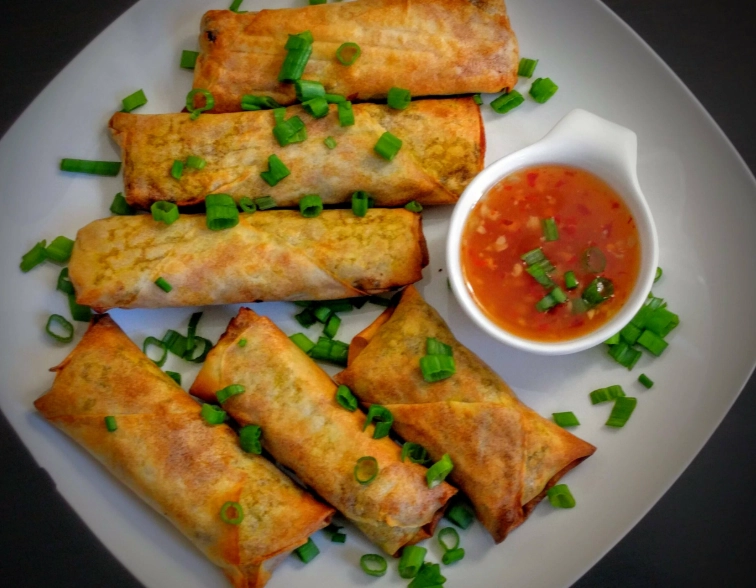
Frying vs. Baking: Getting the Perfect Crisp
Deep Frying (The Gold Standard)
For that iconic, all-over, bubbly crispness, frying is unbeatable. Use a neutral oil with a high smoke point (canola, peanut) and heat it to 350°F (175°C). A candy/deep-fry thermometer is your best friend here. Too cool, and the rolls soak up oil. Too hot, and they burn before cooking through.
Fry in small batches to avoid dropping the oil temperature. They should take 3-4 minutes, turning occasionally, until golden brown and crisp. Drain on a wire rack, not paper towels. Paper towels trap steam and can make the bottom soggy.
Baking (A Solid Alternative)
If you're avoiding deep-frying, baking can work, but you have to manage expectations. They won't be as uniformly crisp, but they can be very good. Preheat your oven to 425°F (220°C). Brush or spray the rolls generously with oil on all sides. Place them on a wire rack set over a baking sheet—this allows hot air to circulate all around. Bake for 20-25 minutes, flipping halfway, until deeply golden.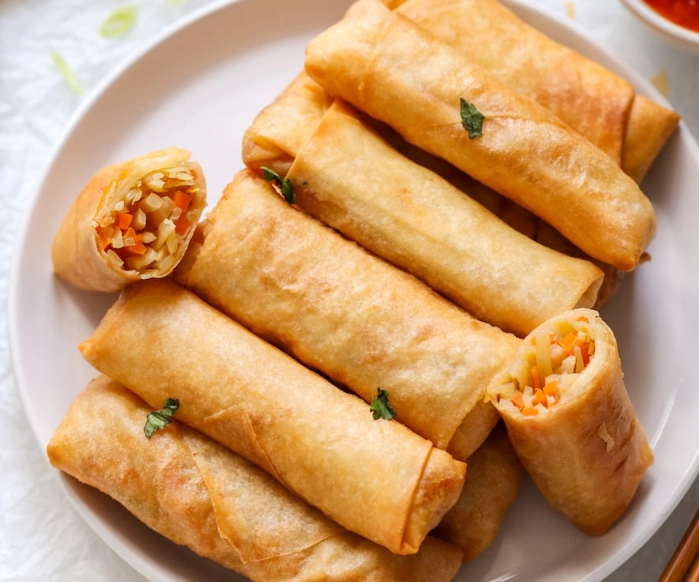
Elevating Your Dipping Sauce Game
The classic sweet chili sauce is fine, but let's build something with more complexity. My go-to is a Nuoc Cham-inspired sauce:
- 3 tbsp lime juice
- 2 tbsp fish sauce (use soy sauce for vegan)
- 2 tbsp water
- 1.5 tbsp sugar (dissolve it in the liquids first)
- 1 small garlic clove, minced
- 1-2 Thai bird's eye chilies, thinly sliced (adjust to heat preference)
- Shredded carrot for color and a hint of sweetness
Mix it all and let it sit for 15 minutes. The flavors meld into something tangy, savory, sweet, and spicy that cuts through the richness of the fried roll perfectly.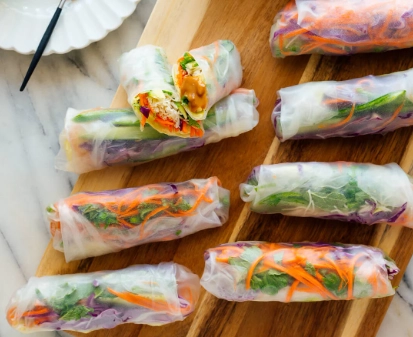
Make-Ahead & Storage Strategies
Spring rolls are fantastic for meal prep. You have two main options:
Option 1: Prep the Filling. Cook and cool the filling completely. Store it in an airtight container in the fridge for up to 3 days. When ready to eat, wrap and fry fresh. This is the best method for optimal crispness.
Option 2: Freeze Unfried Rolls. After wrapping, place the rolls on a parchment-lined baking sheet without touching. Freeze solid (about 2 hours), then transfer to a freezer bag. They can be fried directly from frozen—just add an extra minute or two to the cooking time. Don't thaw them first, or they'll become soggy.
Cooked spring rolls are best eaten immediately. If you must store them, let them cool completely on a rack, then keep them in a single layer in the fridge for a day. Re-crisp them in a 400°F (200°C) oven or air fryer for a few minutes. The microwave is their worst enemy.