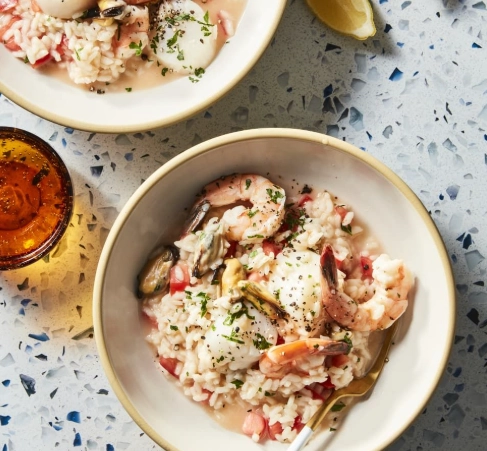
Let's be honest. Most home cooks are terrified of risotto. It has this reputation for being fussy, demanding constant attention, and easy to mess up. And seafood risotto? That adds another layer of pressure—overcook the shrimp, and you get rubber; undercook the scallops, and it's a safety hazard. I've been there. My first attempt at a creamy seafood risotto was a sad, soupy mess with undercooked rice and tough shrimp. But after years of trial, error, and learning from some Italian nonnas, I've cracked the code. This isn't just a recipe; it's a method that guarantees a luscious, creamy, perfectly cooked seafood risotto every single time, no fancy culinary degree required.
What You'll Learn in This Guide
The Risotto Mindset: It's Not Just Stirring
Forget everything you've heard about needing to stir risotto for 30 minutes straight. The constant stir is a myth that leads to tired arms and overworked, gluey rice. The real goal is controlled starch release. Arborio or Carnaroli rice has a high starch content. You want to gently coax that starch out into the cooking liquid to create creaminess, not beat it out.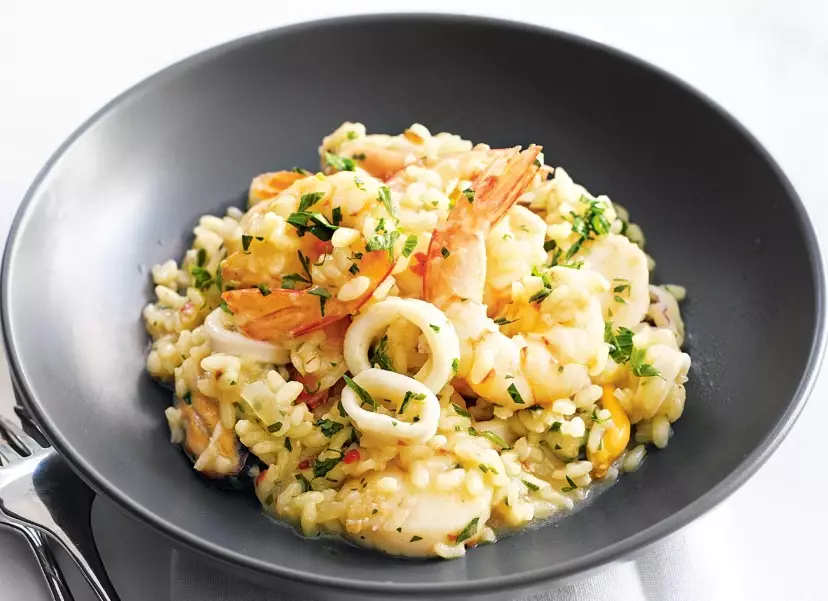
The process is more about attentive simmering than obsessive stirring. You'll add warm broth in stages, letting the rice absorb it almost fully before adding more. A stir every minute or so is plenty to prevent sticking and encourage even cooking. This approach gives you time to prep your seafood or pour yourself a glass of wine. It turns a stressful chore into a relaxed, almost therapeutic process.
The One Thing That Will Ruin Your Risotto
Cold broth. If you pour cold stock into your pan, it shocks the rice, stopping the absorption process dead in its tracks. The grains seize up, the cooking becomes uneven, and you'll never achieve that signature creamy texture. Always, always keep your broth at a gentle simmer in a separate pot. This is non-negotiable.
Your Seafood Risotto Arsenal: Ingredients Breakdown
Quality in, quality out. This is especially true for a dish with few ingredients like risotto. Here’s what you need and why each piece matters.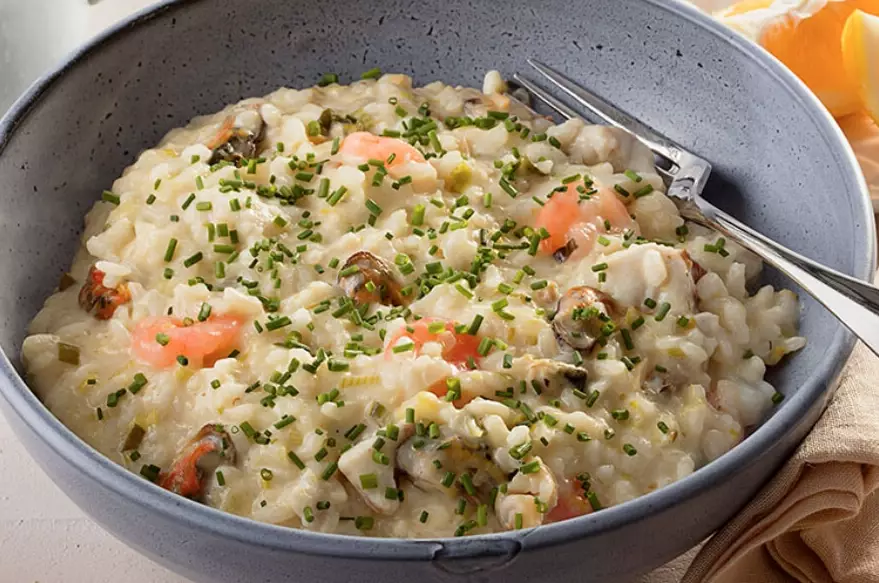
The Foundation: Rice, Broth, and Aromatics
Rice: You must use a short-grain, high-starch variety. Arborio is the most accessible and works great. Carnaroli (often called the "king of risotto rice") has a firmer core and is more forgiving, making it ideal for beginners. Vialone Nano is another excellent choice. Do not substitute with long-grain rice like jasmine or basmati.
Broth: This is the flavor engine. A good-quality low-sodium seafood stock is best. If you can't find it, a combination of bottled clam juice and low-sodium chicken or vegetable broth works wonders (I use a 50/50 mix). Homemade fish stock is the gold standard, but let's be real—this is an easy recipe. We're using smart shortcuts.
Aromatics: Onion or shallot, garlic, and white wine. The wine adds necessary acidity to balance the richness. A dry Sauvignon Blanc or Pinot Grigio is perfect.
The Star: Choosing Your Seafood
You want seafood that cooks quickly and pairs well with creamy rice. Here’s my go-to combination, but feel free to mix and match based on what looks fresh.
- Shrimp (Prawns): Medium-sized (31/40 count), peeled and deveined. Pat them very dry.
- Sea Scallops: Look for "dry" scallops (not treated with chemicals). Pat them dry and, if large, slice in half horizontally.
- Mussels or Clams: A handful adds incredible briny flavor. Scrub them clean and discard any that are open.
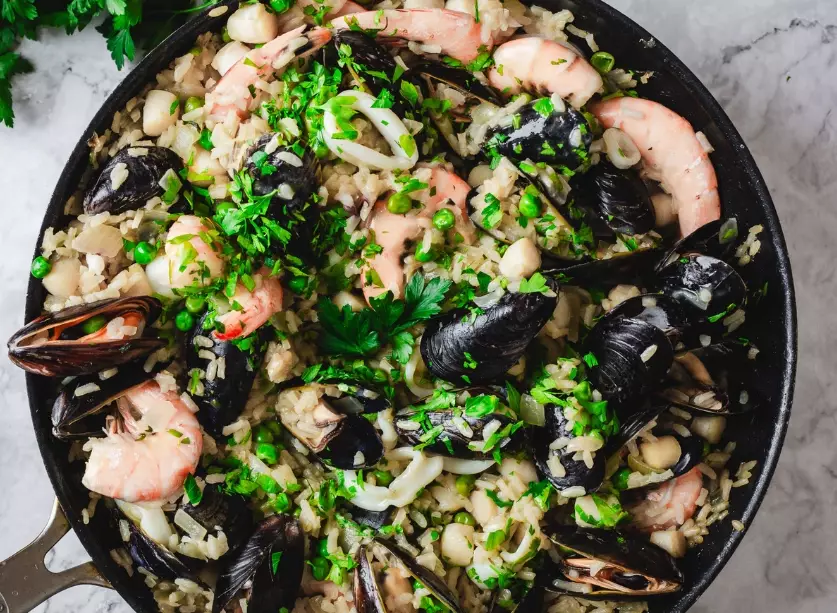
- Squid: Sliced into rings, added in the last 2 minutes of cooking.
A personal tip: I avoid delicate fish like cod or tilapia in risotto—they flake apart too easily and get lost. Shellfish and mollusks are your friends here.
Step-by-Step to Perfect Creamy Seafood Risotto
Ready? Let's cook. This process takes about 25-30 minutes of active time. Have all your ingredients prepped ("mise en place") before you turn on the heat. It makes everything flow smoothly.
Stage 1: Building the Flavor Base
1. Simmer the Broth: Pour your seafood or clam/chicken broth mix into a saucepan and bring it to a bare simmer over low heat. Keep it there.
2. Sauté the Aromatics: In a wide, heavy-bottomed pan (like a Dutch oven or large skillet), heat a couple tablespoons of olive oil and a knob of butter over medium heat. Add one finely chopped medium shallot or small onion. Cook until soft and translucent, about 4-5 minutes. Add 2 minced garlic cloves and cook for just 30 seconds until fragrant.
3. Toast the Rice: Add 1.5 cups of Arborio rice. Stir it into the onions so every grain gets coated in fat. Cook for 2-3 minutes until the rice turns translucent at the edges and makes a faint crackling sound. This toasting step seals the grain, helping it stay al dente later.
4. Deglaze with Wine: Pour in 1/2 cup of dry white wine. It will hiss and steam. Stir constantly until the wine is completely absorbed by the rice.
Stage 2: The Patient Simmer
5. Begin Adding Broth: Add a ladleful (about 3/4 cup) of your simmering broth to the rice. Stir gently. Let it simmer, adjusting the heat so it bubbles gently. Stir occasionally. Wait until most of the liquid is absorbed and you can drag your spoon through the rice and see the bottom of the pan for a second.
6. Repeat: Add another ladleful of broth. Repeat the process—simmer, occasional stir, wait for absorption. This is the rhythm. It will take about 18-20 minutes and 4-5 ladles of broth.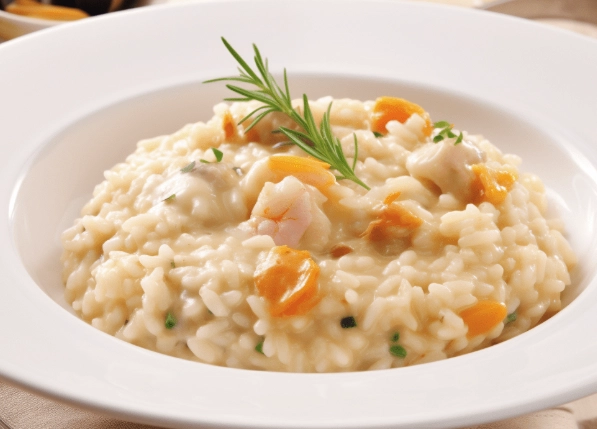
Stage 3: Introducing the Seafood
7. Test the Rice: After about 15 minutes of adding broth, start tasting a grain. You're looking for tender but firm, with just a tiny speck of white in the center ("al dente").
8. Cook the Seafood: When the rice is about 2-3 minutes away from being perfectly al dente, push it to the sides of the pan. Add a bit more butter or oil to the center. Increase heat to medium-high. Add your shrimp and scallops in a single layer. Season with salt and pepper. Sear for about 1 minute per side for shrimp, 1.5 minutes per side for scallops (they should be golden). Don't move them around too much—let them get some color.
9. Combine and Finish: Stir the partially cooked seafood into the rice. Add your final ladle of broth. If using mussels or clams, nestle them into the rice now. Cover the pan and let it cook for 3-4 minutes until the shellfish open (discard any that don't) and the rice is perfectly tender.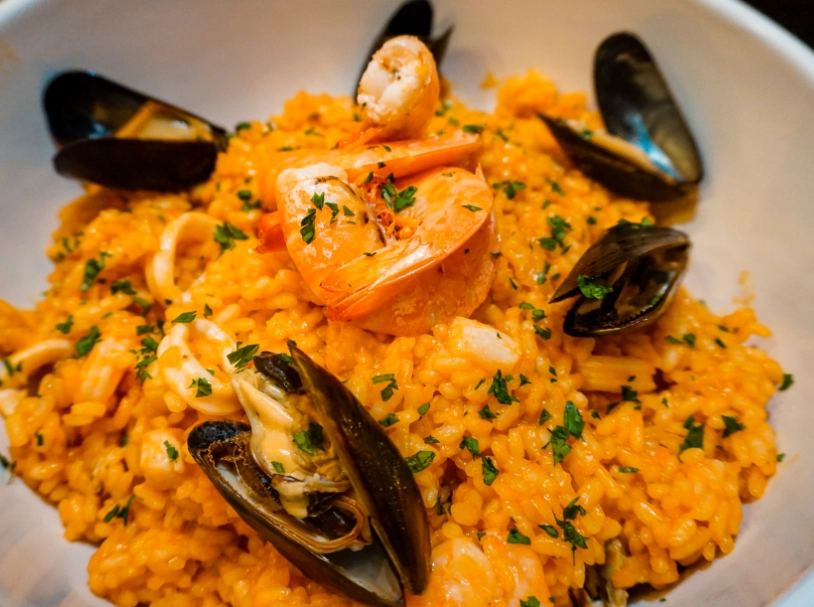
Stage 4: The Magic Finish (Mantecatura)
10. Off the Heat: Turn off the heat. This is crucial. The residual heat will finish the cooking without overcatching anything.
11. Create the Creaminess: Add 2-3 tablespoons of cold, cubed butter and 1/3 cup of freshly grated Parmigiano-Reggiano or Pecorino Romano. Stir vigorously for 30 seconds. The rice will loosen up and become incredibly creamy and glossy. This Italian technique is called "mantecatura."
12. Rest and Serve: Let the risotto sit, covered, for 2 minutes. It will settle into its perfect, oozy consistency. Garnish with fresh parsley, a drizzle of good olive oil, and an extra crack of black pepper. Serve immediately in warm bowls.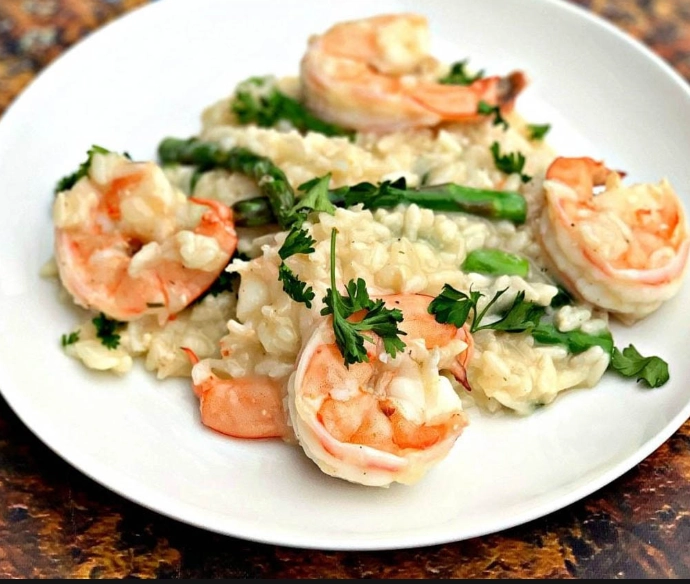
Pro Tips Most Recipes Don't Tell You
Here’s where that "10 years of experience" comes in. These subtle adjustments make a world of difference.
Don't Rinse the Rice. Ever. You need that surface starch for creaminess. Washing it away is the first mistake.
Butter Temperature Matters for Mantecatura. Adding cold butter at the end helps it emulsify into the risotto, creating a smoother, silkier sauce than room-temperature butter would.
Your Pan is Key. A wide, heavy-bottomed pan gives the rice plenty of surface area to cook evenly. A tall, narrow pot steams the rice more than sautés it, leading to mush.
Leftover Risotto is a Gift. Don't throw it out! Press it into patties, coat in breadcrumbs, and pan-fry for incredible risotto cakes (Arancini-style). It's arguably better than the first serving.