If you love coconut, you've landed in the right place. Forget the bland, icy versions you might have tried. A truly great homemade coconut ice cream is luxuriously creamy, packed with tropical flavor, and happens to be naturally dairy-free. It's not just an alternative; for many, it's the first choice. I've been perfecting this recipe for years, and I'm sharing all the details that most guides skip. Let's get into it.
What's Inside This Guide
- Why Coconut Milk Makes Amazing Ice Cream
- How to Choose the Right Coconut Milk
- Ingredients Breakdown: More Than Just a List
- How to Make Coconut Ice Cream: Step-by-Step
- Expert Tips for Perfect Texture Every Time
- 5 Flavor Variations to Try Immediately
- Storing and Serving Your Masterpiece
- Your Coconut Ice Cream Questions Answered
Why Coconut Milk Makes Amazing Ice Cream
It's not just about being dairy-free. The high fat content in canned, full-fat coconut milk (look for around 17-22% fat) mimics the mouthfeel of heavy cream beautifully. This fat is what gives the ice cream its body and prevents it from turning into a frozen block. The natural sugars and starches in the coconut also help control ice crystal formation. According to the USDA National Nutrient Database, coconut milk is rich in medium-chain triglycerides (MCTs), which some find easier to digest. But for our purposes, we care about that fat for texture.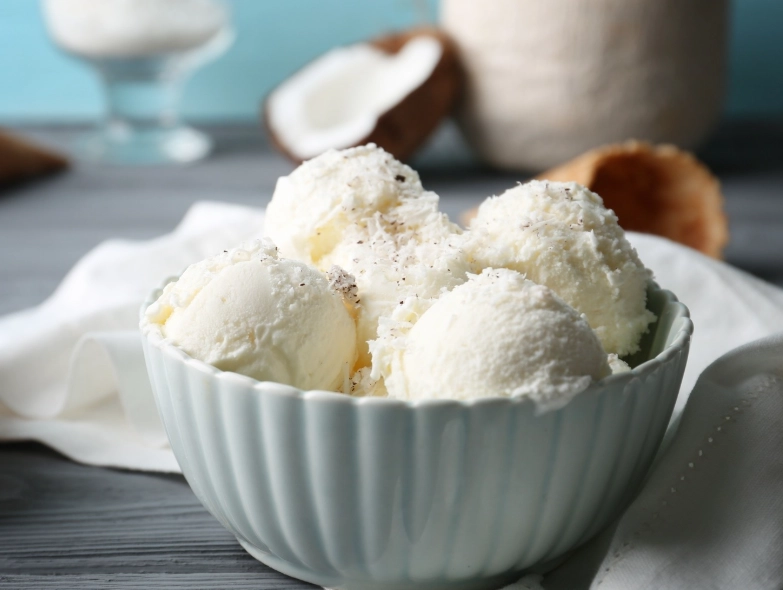
How to Choose the Right Coconut Milk
This is the single most important step, and where most first-timers go wrong. You cannot use the coconut milk from a carton in the refrigerator section. That's for drinking and cooking. For ice cream, you need canned, full-fat coconut milk.
Watch out for guar gum. Many brands add it as a stabilizer. A little is fine, but if it's high on the ingredient list, it can give your ice cream a slightly gummy, stretchy texture. I've had the best results with brands that have just coconut and water.
Shake the can. If you don't hear a liquid sloshing, that's a good sign—it means it's thick and creamy. You want that solid cream at the top of the can.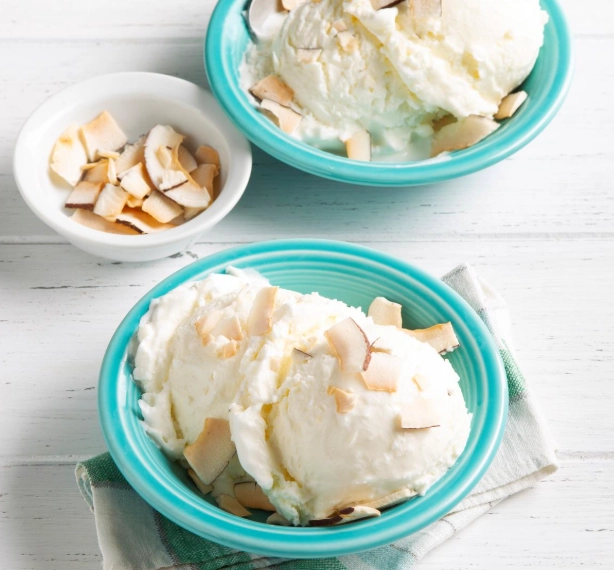
Ingredients Breakdown: More Than Just a List
Here's what you'll need for the base recipe. Think of this as your blank canvas.
| Ingredient | Quantity | Why It's Here & Notes |
|---|---|---|
| Full-Fat Canned Coconut Milk | 2 cans (13.5 oz / 400ml each) | The foundation. Do not use light coconut milk. |
| Granulated Sugar | 3/4 cup | Sweetens and lowers freezing point for softer scoop. Can sub with cane sugar. |
| Pure Vanilla Extract | 1 tablespoon | Enhances the coconut flavor, doesn't mask it. Use the good stuff. |
| Pinch of Salt | 1/4 teaspoon | Essential. Balances sweetness and makes the flavors pop. |
| Arrowroot Powder or Cornstarch (optional) | 1 teaspoon | A pro trick for extra creaminess and preventing iciness. |
Sweetener Deep Dive
Granulated sugar works perfectly. But if you're experimenting: Maple syrup or agave nectar will make a softer, denser ice cream that freezes harder. Monk fruit or erythritol blends for a sugar-free version can work, but they often leave a slight cooling aftertaste that clashes with coconut for me. I stick with regular sugar.
How to Make Coconut Ice Cream: Step-by-Step
No cooking required for this base. It's a "philly-style" ice cream, meaning no eggs.
1. Mix the Base
Open your cans of coconut milk. If they've separated, that's fine. Scoop everything into a blender. Add the sugar, vanilla, salt, and the optional thickener (mix the arrowroot with a tablespoon of the coconut milk first to make a slurry). Blend on high for 45 seconds to 1 minute. You're not just mixing; you're emulsifying and dissolving the sugar completely. This step is crucial for a smooth texture.
Pro Tip: Taste the mixture now. It should taste slightly sweeter than you want the final ice cream to be. Cold dulls sweetness. Want more coconut punch? Add a teaspoon of coconut extract along with the vanilla.
2. The Critical Chill
Pour the blended mixture into a bowl or a large measuring jug. Cover it and refrigerate for at least 4 hours, but ideally overnight. This isn't just about cooling it down. It allows the flavors to meld and the mixture to hydrate fully, which results in a finer, less grainy texture after churning. Rushing this step is a common mistake.
3. Churn It
Give the chilled base a good stir—it may have thickened. Pour it into your ice cream maker and churn according to the manufacturer's instructions. For most machines, this takes 20-30 minutes. You're looking for the consistency of soft-serve ice cream.
4. Harden to Perfection
Transfer the softly churned ice cream to a freezer-safe container. Press a piece of parchment paper directly onto the surface. This prevents ice crystals from forming on top. Freeze for 4-6 hours, or until firm.
Expert Tips for Perfect Texture Every Time
Here's what a decade of trial and error has taught me:
- Fat is your friend. Never use "lite" coconut milk. The higher the fat content, the creamier the result.
- The pre-chill is non-negotiable. Putting warm or room-temp mix into your ice cream maker is the fastest way to get large, crunchy ice crystals.
- Don't overfill your machine. Most home ice cream makers work best when filled 2/3 full. The mixture needs room to expand and aerate as it freezes.
- If you don't have a machine: Pour the chilled base into a shallow, freezer-safe dish. Freeze for 45 minutes, then take it out and whisk vigorously with a fork or hand mixer to break up ice crystals. Repeat every 30-45 minutes for about 3-4 cycles. It's more work and the texture is slightly less smooth, but it works in a pinch.
5 Flavor Variations to Try Immediately
The basic recipe is fantastic, but here's where you can have fun.
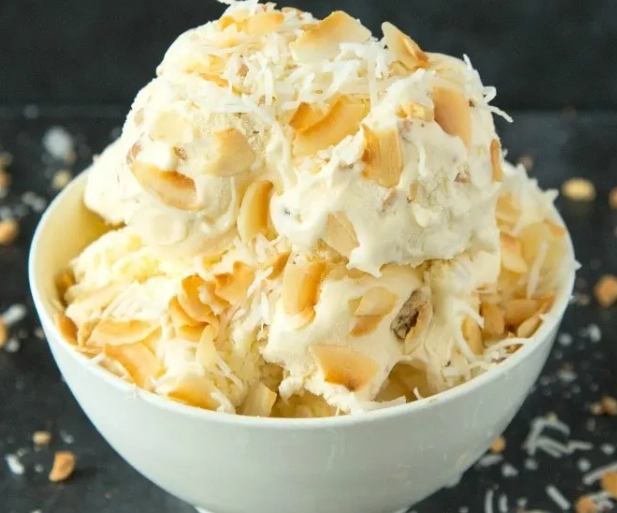
- Toasted Coconut: Spread 1 cup of unsweetened shredded coconut on a baking sheet. Toast at 350°F (175°C) for 5-7 minutes, stirring often, until golden. Let cool completely, then fold into the ice cream during the last 2 minutes of churning.
- Chocolate Coconut: Whisk 1/2 cup of high-quality cocoa powder into the coconut milk mixture before blending. You may want to increase the sugar by 2 tablespoons.
- Mango Swirl: Puree 2 ripe mangoes with a tablespoon of lime juice and a tablespoon of sugar. After churning, layer the ice cream in your container with swirls of the mango puree. Don't mix it in completely.
- Pina Colada: Replace 1/2 cup of the coconut milk with well-chilled, unsweetened pineapple juice. Fold in 1/2 cup of finely chopped dried pineapple after churning.
- Matcha Coconut: Whisk 2 tablespoons of ceremonial-grade matcha powder with a few tablespoons of the coconut milk to form a smooth paste, then blend it in with the rest of the base.
Storing and Serving Your Masterpiece
Homemade ice cream is best enjoyed within a week or two. Store it in the back of your freezer where the temperature is most constant, not on the door.
When serving, let it sit on the counter for 5-10 minutes to soften for the perfect scoop. The high fat content means it softens beautifully.
Your Coconut Ice Cream Questions Answered
Making coconut ice cream at home is incredibly rewarding. You control the ingredients, the sweetness, and the flavors. Once you master this creamy base, a whole world of tropical desserts opens up. So grab those cans of coconut milk and start churning. Your perfect scoop is waiting.