Let's be honest. A Yorkshire pudding can make or break a Sunday roast. That golden, towering, crispy-on-the-outside, soft-in-the-middle masterpiece is the crowning glory. But for many home cooks, it's a source of anxiety. We've all been there – opening the oven door to find sad, flat, or worse, oily little pucks.
I've been making these for over twenty years, through countless family dinners and a few catering gigs. I've seen every mistake. The good news? A perfect Yorkshire pudding isn't magic. It's simple science and a few non-negotiable rules. This guide isn't just another recipe list. It's the why behind every step, so you never have a failed batch again.
What You’ll Learn in This Guide
The Science Behind a Perfect Yorkshire Pudding
Think of it as a culinary volcano. The intense heat of the oven and the hot fat instantly vaporizes the water in your batter. This creates a powerful burst of steam, forcing the structure to expand rapidly upwards and outwards. The egg proteins and flour set around this steam, locking in the iconic shape. Get the conditions wrong, and the eruption fizzles out.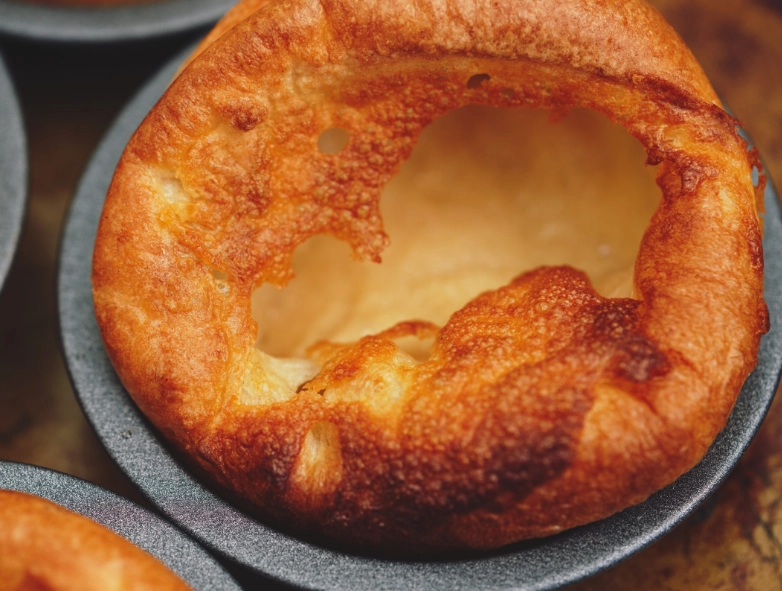
Most recipes miss two critical points.
First, the resting time. Letting the batter sit isn't just about convenience. It allows the flour particles to fully hydrate and the gluten strands to relax. A rested batter is thinner and pours more easily, which is actually what you want. A thick batter won't rise as dramatically. I rest mine for at least an hour, but overnight in the fridge is even better.
Second, and this is the hill I will die on: room temperature batter into smoking hot fat. Not cold batter. Not warm fat. The thermal shock is everything. If your batter is cold, it lowers the oil temperature the moment it hits the tin, killing the steam explosion before it starts.
Ingredients & Ratios: The Foundation
Simplicity is key. You only need four things: flour, eggs, milk, and salt. Water is sometimes used, but I find a milk and egg mix gives a richer flavor and better structure.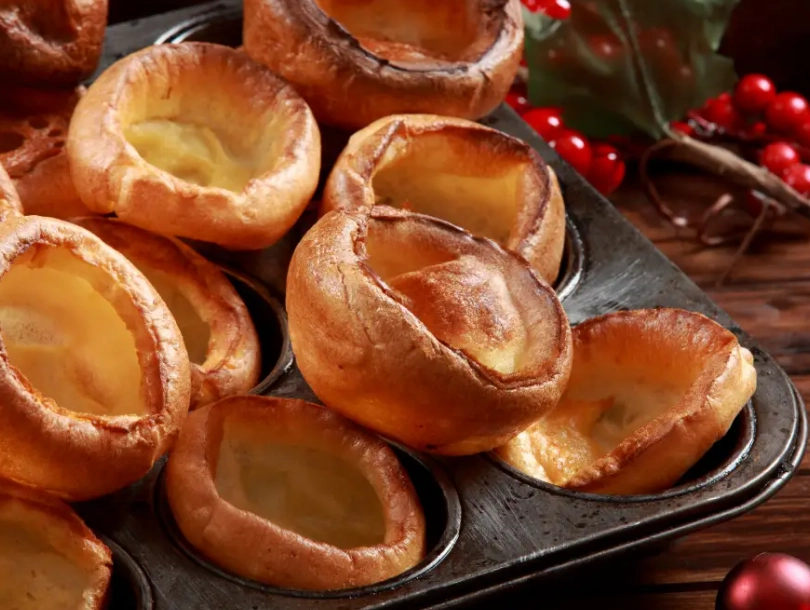
The classic ratio, endorsed by resources like the BBC Food guides, is equal volumes by weight: 1 part egg, 1 part flour, 1 part milk. For a standard 12-hole muffin tin, that usually translates to:
The Core Recipe (Makes 12)
- 140g plain flour (all-purpose). Not self-raising. We control the rise with steam, not baking powder.
- 4 large eggs (approx. 140g in shell). Room temperature is non-negotiable.
- 140ml whole milk. Full-fat milk provides more richness.
- 140ml water. This lightens the batter slightly.
- ½ tsp fine sea salt.
- Fat for cooking: Beef dripping is king for flavor. Goose or duck fat is luxurious. Vegetable oil or sunflower oil works perfectly well and is more accessible.
Now, about the fat. The choice affects flavor more than rise, but the smoke point matters. Here’s a quick breakdown: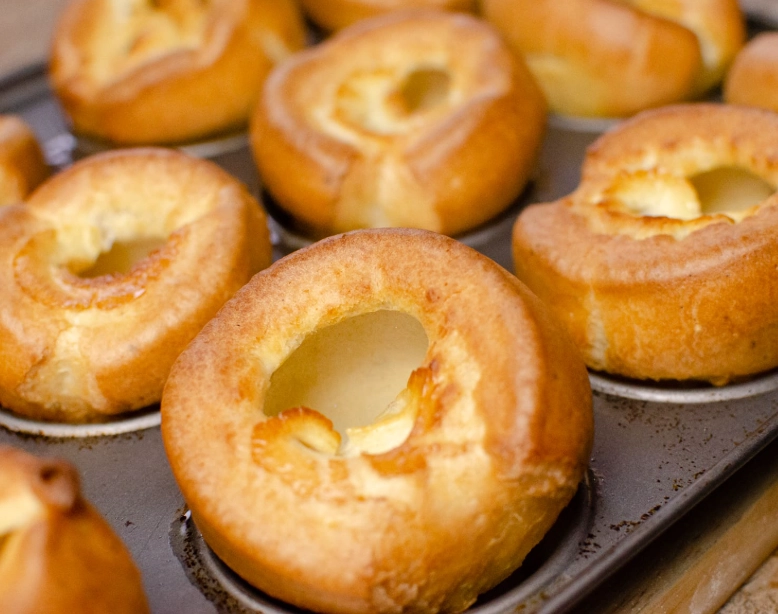
| Fat Type | Flavor Profile | Smoke Point | Best For |
|---|---|---|---|
| Beef Dripping | Rich, savory, meaty | Medium-High | The traditionalist's choice, unbeatable with roast beef. |
| Goose/Duck Fat | Deep, luxurious, slightly gamey | Medium | A special occasion treat, incredible flavor. |
| Sunflower/Vegetable Oil | Neutral | High | The most reliable, everyday option. Gets very hot without smoking. |
| Lard | Mild pork flavor | Medium | A good alternative if you have it. |
My go-to for guaranteed results is sunflower oil. It's cheap, has a high smoke point, and lets the pudding's own flavor shine.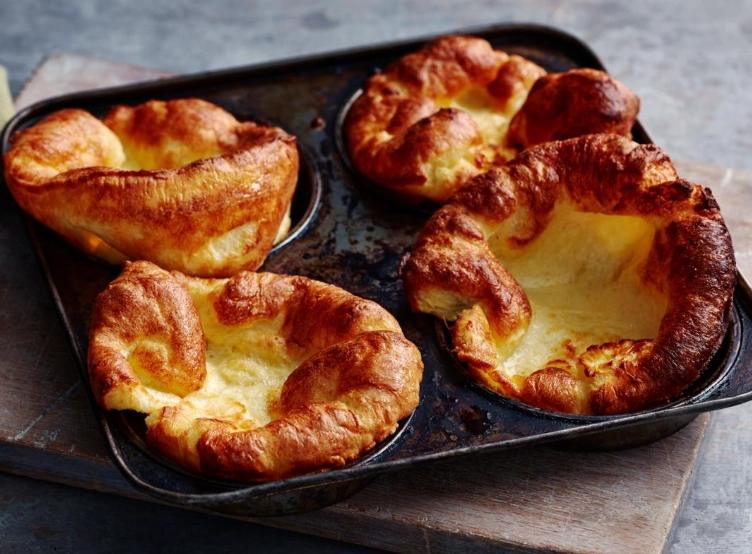
How to Make Yorkshire Puddings: Step-by-Step Guide
Follow this sequence like a ritual. Precision here pays off.
1. Make and Rest the Batter
Crack the eggs into a jug and note their volume (about 140ml for 4 large eggs). Pour them into a mixing bowl. Add the same volume of milk and water. Whisk lightly to combine. Sift in the flour and salt. Whisk until just smooth – a few tiny lumps are fine, don't overwork it. Cover the bowl and leave it on the counter. Go do something else for an hour. Seriously.
2. Prepare the Tin and Oven
This is the most critical phase. About 20 minutes before your batter is fully rested, put your oven rack in the middle position and preheat to 230°C (450°F) / Fan 210°C (410°F). Gas Mark 8. Yes, that hot.
While it heats, put a hearty teaspoon of your chosen fat into each cup of a 12-hole muffin tin. A standard tablespoon is about 15ml; you want about 5ml (1 tsp) in each hole. Place the tin in the oven for 10-15 minutes. You need the fat to be shimmering and smoking hot. If it's not smoking, it's not ready.
3. The Pour and The Bake
Work quickly and carefully. Pull the smoking hot tin out of the oven. Immediately give your rested batter a gentle stir, then pour it evenly into the hot fat, filling each cup about halfway to two-thirds full. It will sizzle dramatically – that's what you want.
Get the tin back into the oven as fast as you safely can. Do NOT open the door for at least 20 minutes. This is the rising period. Peeking lets the heat escape and can cause collapse.
After 20 minutes, you can check. They should be tall, golden, and set. If they need more color, you can reduce the heat to 200°C (390°F) for another 5-10 minutes. Serve immediately. They wait for no one.
Why Do My Yorkshire Puddings Fail?
Let's diagnose the common issues. I've made all these mistakes so you don't have to.
The Problem: Flat, dense puddings.
The fat wasn't hot enough. Or the batter was cold. Or you opened the oven door too early. The steam explosion never happened. Remember: thermal shock is mandatory.
The Problem: They rose but then collapsed.
The structure wasn't set. This usually means the oven wasn't hot enough, or you moved the tin during the critical first 15 minutes of baking. Also, undercooking. They need that full, high-heat time to set their structure permanently.
The Problem: Heavy, oily bottoms.
Too much fat in the tin. You only need enough to coat the bottom and come about 1mm up the sides. It's a lubricant and heat conductor, not a swimming pool.
The Problem: Lopsided or uneven rise.
Your oven might have hot spots. Rotate the tin halfway through baking if this is a known issue. Also, ensure the batter is evenly distributed in each cup.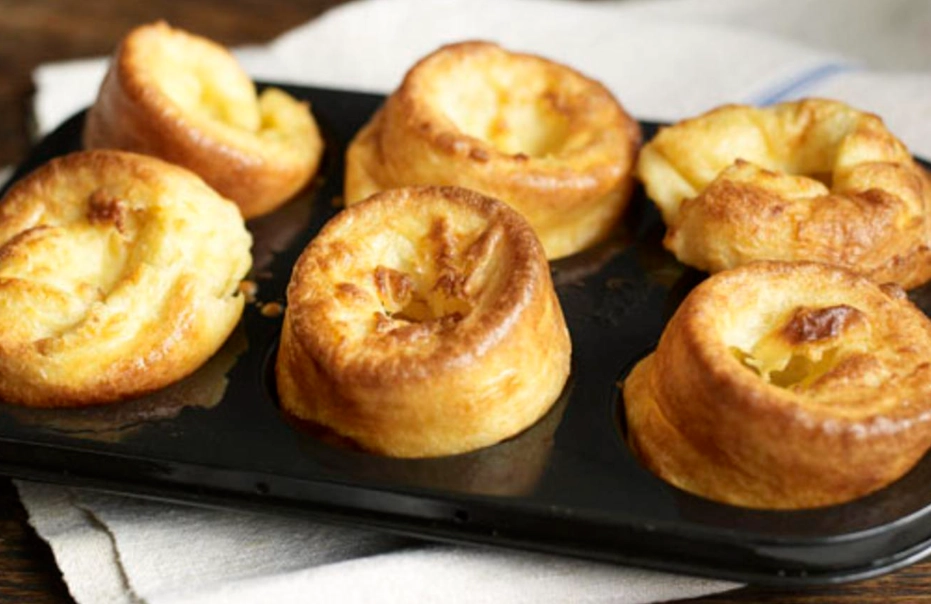
Your Yorkshire Pudding Questions, Answered
So there you have it. The path to Yorkshire pudding perfection isn't shrouded in mystery. It's about respecting the process: equal parts, a long rest, and the courage to get your oil smoking hot. Follow these steps, understand the reasons behind them, and you'll transform from anxious cook to Sunday roast hero. Now, go preheat that oven.