Let's be honest. A lot of gluten-free cakes are a letdown. Dry, crumbly, dense—they taste more like a dietary compromise than a celebration. I've thrown away my share of disappointing experiments. But this recipe? This is different. It's the one I've fine-tuned over years, the cake I serve to everyone, gluten-free or not, and watch their eyes light up. It's deeply chocolatey, unbelievably moist, and has a tender crumb that doesn't scream "gluten-free." It's just a fantastic chocolate cake that happens to have no wheat.
What's in This Guide?
Why This Gluten Free Chocolate Cake Recipe Works
Most failures come from treating gluten-free flour like a straight swap. It's not. Gluten provides structure and elasticity. Without it, you need a new strategy.
This recipe succeeds because of three things:
- Double Hydration: We use both buttermilk and hot coffee. The buttermilk adds tang and tenderness, while the hot coffee (don't worry, you won't taste it) blooms the cocoa powder and helps hydrate the starch in the gluten-free flour, leading to a moister crumb. It's a trick I picked up from a professional baker friend.
- The Right Flour Blend: A store-bought 1:1 all-purpose gluten-free flour blend with xanthan gum is non-negotiable here. It's formulated to mimic wheat flour. I've had the best, most consistent results with Bob's Red Mill 1-to-1 Baking Flour or King Arthur Measure for Measure. Don't try to make your own blend for this unless you're an expert.
- Oil & Butter Combo: Using only butter can make a gluten-free cake firm up too much when cool. Using only oil can make it greasy. A combination gives you the rich flavor of butter and the enduring moistness of oil.
See? It's science, but the simple kind.
Ingredients Breakdown: What You Need & Why
For two 8-inch cake layers or one 9x13 sheet cake:
- Gluten-Free Flour (2 cups): As mentioned, a 1:1 blend with xanthan gum. Spoon and level it into your measuring cup. Don't scoop from the bag.
- Unsweetened Cocoa Powder (3/4 cup): Use natural cocoa powder, not Dutch-processed, for this particular recipe. The acid in the cocoa reacts with the baking soda for a good rise.
- Granulated Sugar (2 cups) & Light Brown Sugar (1/2 cup): White sugar for sweetness, brown sugar for moisture and a hint of caramel depth.
- Leaveners: Baking soda (2 tsp) and baking powder (1 tsp). The soda reacts with the cocoa and buttermilk, the powder gives an extra lift.
- Salt (1 tsp): Crucial for balancing the sweetness and enhancing chocolate flavor.
- Eggs (2 large), room temperature: Binders and structure.
- Buttermilk (1 cup), room temperature: The acid tenderizes. No buttermilk? See the FAQ.
- Vegetable or Canola Oil (1/2 cup): Neutral flavor, reliable moistness.
- Unsalted Butter (1/2 cup, melted): For flavor. Let it cool slightly before adding.
- Vanilla Extract (2 tsp): The best you can afford. It matters.
- Hot Brewed Coffee (1 cup): This is the secret weapon. It makes the chocolate flavor pop. If you really can't do coffee, use hot water.
Step-by-Step Instructions (With Pictures in Your Mind)
Preheat your oven to 350°F (175°C). Grease and line your pans with parchment paper. This is extra important for gluten-free cakes, which can stick more.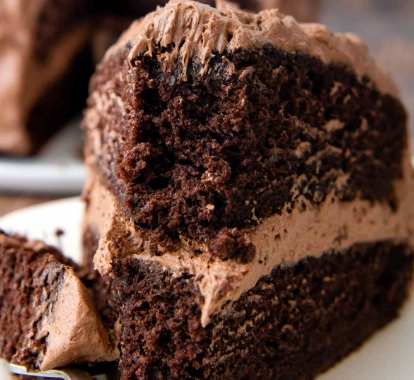
1. The Dry Whisk
In a large bowl, whisk together the gluten-free flour, cocoa powder, both sugars, baking soda, baking powder, and salt. Get it really uniform. This avoids pockets of baking soda in your finished cake. I use a balloon whisk for this – it's faster than a sifter and does the job perfectly.
2. The Wet Mix
In another bowl, whisk the eggs until they're just broken up. Add the buttermilk, oil, melted (and cooled) butter, and vanilla. Whisk until it's a smooth, homogenous, slightly thick liquid.
Pro Tip: Temperature Matters
Room temperature ingredients emulsify better, creating a smoother, more stable batter. If your buttermilk and eggs are cold, place them in a bowl of warm water for 10-15 minutes before starting. This small step prevents the melted butter from seizing up into little lumps when you mix it in.
3. Combining & The Final Pour
Pour the wet ingredients into the dry. Use a spatula or whisk and mix just until no dry streaks remain. This is critical. Over-mixing a gluten-free batter can incorporate too many air bubbles, leading to a weak structure that collapses and turns crumbly.
Now, slowly pour in the hot coffee while stirring gently. The batter will be very thin – this is correct! Don't panic. It's what gives us that moist texture. It should pour easily like heavy cream.
4. Baking & The Crucial Test
Divide the batter evenly between your prepared pans. Bake for 30-35 minutes for 8-inch layers, or 35-40 minutes for a 9x13 pan.
Here's the big mistake people make: overbaking. Gluten-free cakes continue to set as they cool. The test for doneness is not a completely clean toothpick. You want a toothpick or skewer inserted into the center to come out with a few moist crumbs clinging to it. If it's clean, it's overdone. The cakes will also start to pull away slightly from the sides of the pan.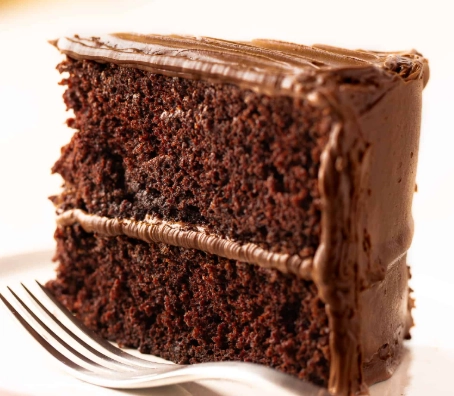
5. Cooling – Patience is a Virtue
Let the cakes cool in their pans on a wire rack for at least 20 minutes. They are very tender when hot. Then, run a knife around the edge, invert them onto the rack, peel off the parchment, and let them cool completely before frosting. Rushing this = crumbly layers.
Frosting & Finishing Touches
My go-to is a classic chocolate buttercream or a rich chocolate ganache. For a dairy-free option, a Swiss meringue buttercream made with vegan butter works wonders. A simple dusting of powdered sugar and some fresh berries is also elegant.
Frosting a gluten-free cake is the same as any other, but I find a thin "crumb coat" is especially helpful. Spread a very thin layer of frosting over the entire cake, chill it for 15 minutes to set the crumbs, then apply your final, beautiful layer.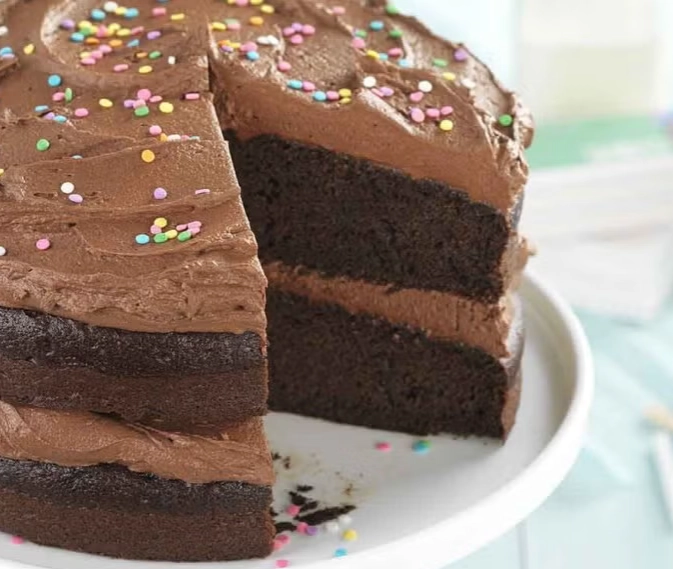
Storing, Freezing, & Making Ahead
This cake keeps well. Frosted, it can sit covered at room temperature for a day, or in the fridge for up to 4 days. Let it come to room temp before serving for the best texture.
You can freeze the unfrosted layers for up to 2 months. Wrap each cooled layer tightly in plastic wrap, then in foil. Thaw overnight in the fridge. It actually stays incredibly moist.
Troubleshooting Common Issues
- Cake sunk in the middle: Underbaked, or oven door opened too early. Ensure your leaveners are fresh.
- Top cracked a lot: Oven might be too hot. Get an oven thermometer to check accuracy. The batter rising too fast causes cracks.
- Gummy or dense texture: Likely over-mixed, or the flour blend wasn't right (some rice-heavy blends can be gummy). Stick to the recommended 1:1 blends.
Your Questions, Answered
Can I make this gluten free chocolate cake dairy free as well?
You can. For the buttermilk, use 1 cup of plain, unsweetened almond milk or oat milk mixed with 1 tablespoon of lemon juice or vinegar. Let it sit for 5 minutes to curdle. Replace the melted butter with an equal amount of a neutral oil (like more avocado oil) or a dairy-free butter stick that's good for baking. The flavor profile changes slightly, but you still get a very moist, delicious cake.
Why did my gluten free chocolate cake turn out dry or crumbly?
Nine times out of ten, it's overbaking. Because there's no gluten network, the cake's structure is more delicate and continues to firm up as it cools on the rack. If you bake it until a toothpick comes out completely clean, it'll be overdone by the time it cools. Pull it out when there are a few moist crumbs attached. The other culprit is over-mixing after adding the flour, which can make it tough and crumbly.
What's the best store-bought gluten free flour blend for this cake?
Hands down, a 1:1 all-purpose gluten-free flour blend that contains xanthan gum. Xanthan gum is the magic ingredient that replaces the binding power of gluten. Bob's Red Mill 1-to-1 Baking Flour (blue bag) and King Arthur Measure for Measure Gluten-Free Flour are my top two. They're reliable and widely available. Don't use a blend meant for bread—it has a different protein content.
Can I make cupcakes with this batter?
Yes, it makes fantastic cupcakes. Fill lined cupcake tins about 2/3 full. Bake at the same temperature (350°F) for 18-22 minutes, using the same moist-crumb test. This recipe yields about 24 standard cupcakes.
So there you have it. This isn't just a recipe; it's a method that works. It's the cake that will make you forget you ever had to search for a "good" gluten-free chocolate cake. Go preheat your oven. You've got this.