Let's be honest. Most homemade masala dosa recipes online promise the moon – that perfect, lacy, paper-thin crepe with a spiced potato filling – but deliver something closer to a thick, gummy pancake. I've been there. My first attempts were edible, sure, but they lacked that signature crispness and complex sourdough-like tang. After years of trial, error, and pestering my friend's South Indian grandmother, I cracked the code. This isn't just a list of ingredients and steps. It's the masala dosa recipe that finally worked for me, focusing on the why behind each action. Forget the mystique; with a bit of patience and these details, you can make a dosa that rivals your favorite spot.
What's Inside This Guide
The Batter Breakdown: Rice, Lentils, and Science
The foundation of a great crispy dosa is its batter. It's a live, fermented mixture of rice and urad dal (skinned black gram). The ratio is critical. Many recipes suggest a 3:1 or 4:1 rice-to-dal ratio. I've found a 3.5:1 ratio gives the best balance – enough dal for fermentation power and a soft interior, enough rice for structure and crisp edges.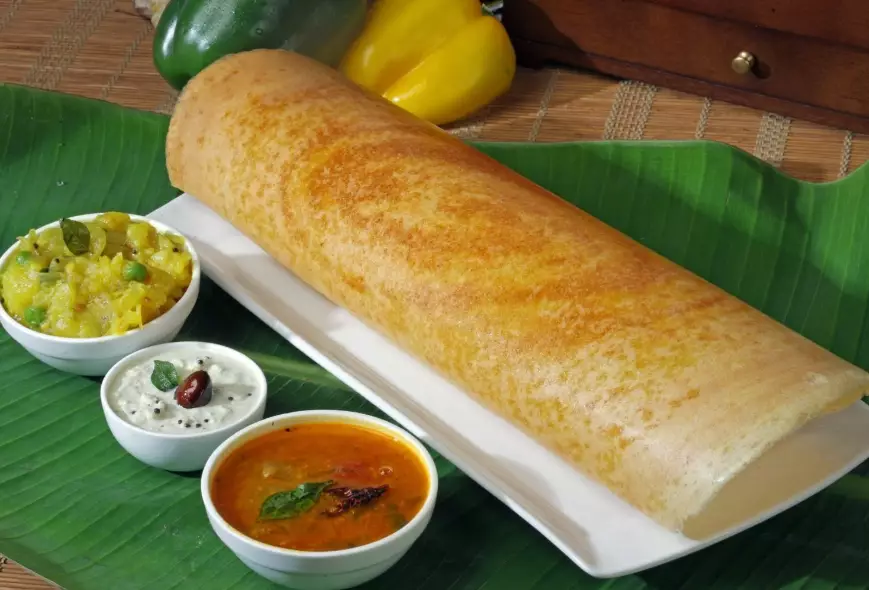
Here’s exactly what you need for a batch that'll last a few breakfasts:
| Ingredient | Quantity | Key Notes & Why It Matters |
|---|---|---|
| Raw Rice (e.g., Sona Masoori) or Idli Rice | 3.5 cups | Provides the structure and crispness. Avoid sticky rice like Jasmine. |
| Whole Urad Dal (skinned black gram) | 1 cup | The fermentation engine. Don't use split urad dal; the skin is crucial for microbes. |
| Chana Dal (split Bengal gram) | 1/4 cup | My secret weapon. Adds a subtle nuttiness and improves browning. |
| Fenugreek Seeds (Methi) | 1.5 teaspoons | Non-negotiable. Acts as a natural preservative and significantly boosts fermentation. |
| Poha (Flattened Rice) or Cooked Rice | 1/2 cup | A fermenting aid. Poha adds lightness, while cooked rice (leftover is fine) kickstarts the process. |
| Salt | To taste (approx. 2 tsp) | Always add after fermentation. Salt too early inhibits the bacteria and yeast. |
| Water | As needed | For soaking and grinding. Filtered is best if your tap water is heavily chlorinated. |
The process starts with separate soaking. Wash the rice, chana dal, and fenugreek seeds together and soak them in plenty of water for at least 6 hours, preferably overnight. In another bowl, wash and soak the urad dal for the same duration. This separation is key because urad dal grinds into a smoother paste when soaked alone.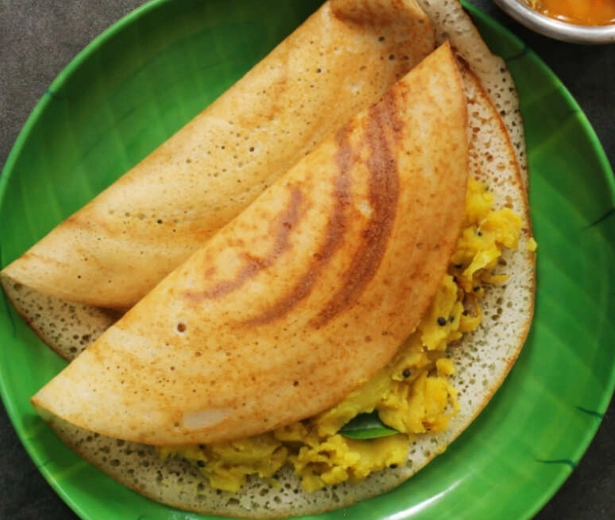
How to Grind Your Dosa Batter Like a Pro
Drain the urad dal first, reserving the soaking water. Grind it in a powerful blender or wet grinder, adding the soaked poha or cooked rice halfway through. The goal is an incredibly smooth, fluffy, and airy paste. This aeration is what later translates into those tiny bubbles in your dosa. Use the soaking water sparingly – just enough to keep the blades moving.
Next, drain the rice mixture and grind it separately. This needs to be a coarse, gritty paste, like fine sand. Over-grinding the rice makes the dosa heavy. Combine both pastes in a large, non-reactive bowl (stainless steel or glass). The bowl should have at least triple the volume of the batter, as it will rise dramatically.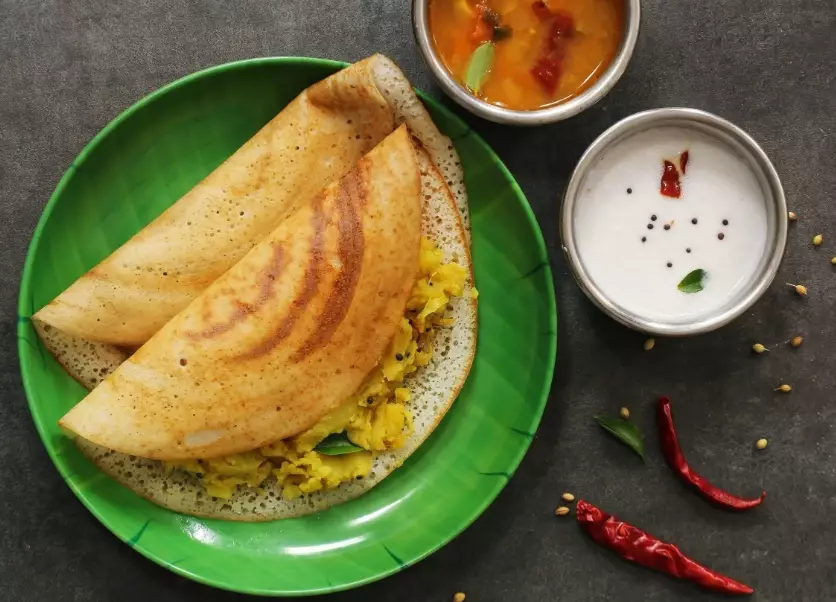
Fermentation Secrets (The Make-or-Break Step)
This is where most how to make dosa batter guides get vague. "Let it ferment overnight" is useless advice if your kitchen is cold. Fermentation is the action of wild yeast and bacteria feeding on the starches, producing gases (for rise) and acids (for tang).
Cover the bowl with a lid or plate. Do not seal it airtight. The microbes need oxygen to work their magic initially.
Now, create the ideal environment. The sweet spot is between 80-90°F (27-32°C).
- In a warm climate: A countertop away from drafts is perfect.
- In a cooler climate (my constant battle): Use your oven with just the light on. It creates a perfect proofing box. Alternatively, place the bowl in a large cooler with a jar of hot water to raise the temperature. A heating pad on low under the bowl can also work.
Fermentation takes 8-12 hours. You'll know it's ready when the volume has nearly doubled, the surface is dotted with tiny bubbles, and it has a pleasantly sour aroma. It won't necessarily look "foamy" on top like bread dough. The batter should feel light and airy when stirred.
Only now do you add salt. Mix it in gently. Your batter is ready. You can use it immediately for a milder taste, or for more tang, let it ferment in the fridge for another 6-8 hours. Refrigerated batter lasts 4-5 days, and many believe it makes even crispier dosas after a day or two.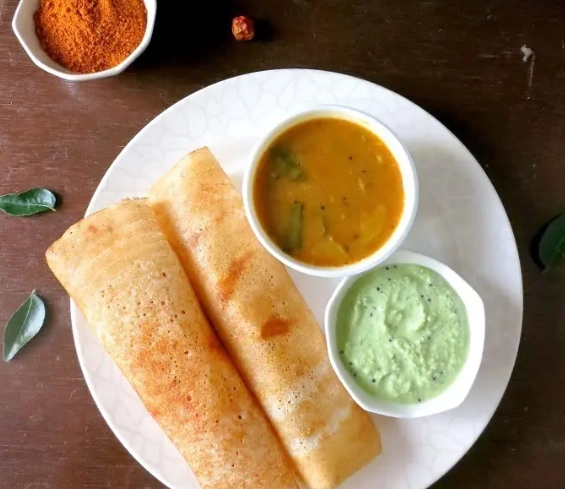
Crafting the Perfect Potato Masala
While the batter ferments, make the filling. This is a simple yet deeply flavored spiced potato mash.
Boil 4-5 medium potatoes until tender. Peel and roughly mash them, leaving some chunks for texture. In a pan, heat 2 tbsp oil. Add 1 tsp mustard seeds and let them pop. Throw in a pinch of asafoetida (hing), 10-12 curry leaves, 2 chopped green chilies, and 1 finely chopped onion. Sauté until the onion is soft.
Add 1/2 tsp turmeric powder and sauté for 30 seconds. Add the mashed potatoes, salt, and a splash of water. Mix well, cooking for 2-3 minutes. Finish with a handful of chopped fresh cilantro. The masala should be moist but not wet. Set aside.
The Cooking Masterclass: Spreading and Flipping
This is the moment of truth. Heat a well-seasoned cast iron griddle, a non-stick dosa tawa, or a heavy-bottomed non-stick skillet over medium-high heat. The pan is ready when a few drops of water sizzle and dance.
Give your batter a gentle stir. It should be of pouring consistency, like slightly thick buttermilk. If it's too thick, add a little water. Too thin, and it won't hold together.
Reduce the heat to medium. Take a ladleful of batter and pour it onto the center of the hot pan. Using the bottom of the ladle in a swift, confident, spiral motion, spread the batter outwards from the center to form a thin circle. Don't press too hard. If you get holes, dab a bit of batter to patch them. This takes practice – your first one might be a map of the world.
Drizzle a teaspoon of oil or ghee around the edges and a few drops on top. Let it cook undisturbed. You'll see the color change from white to a pale golden, and the edges will start to lift. The key to a crispy dosa is patience. Wait until the entire surface looks matte and dry, and the underside is golden brown with lacy patterns. This can take 2-3 minutes.
Here's the flip (or lack thereof). For a plain dosa, you can flip it for 30 seconds. For a masala dosa, there's no need. Place a generous line of potato masala just off-center. Using a thin, flat spatula, carefully loosen the entire dosa from the pan. Fold it over the filling, or roll it up. Slide it onto a plate.
Serve immediately with coconut chutney and sambar. The sound of the crisp dosa cracking under your spoon is the ultimate reward.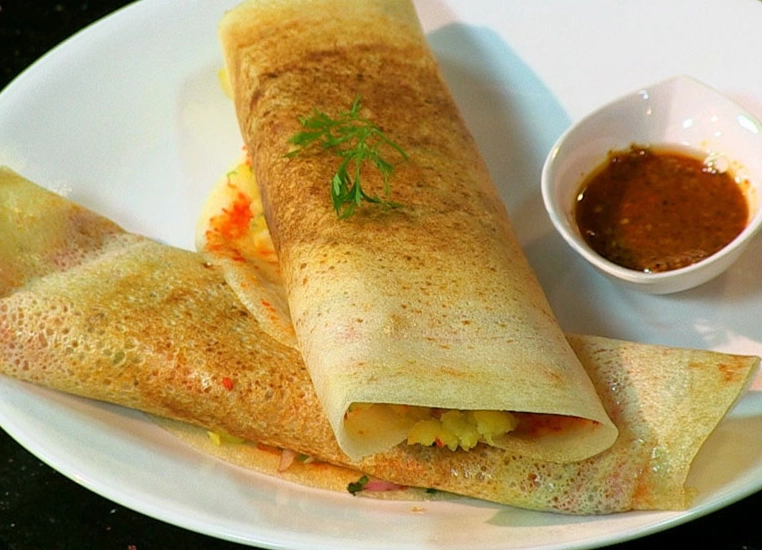
Your Dosa Dilemmas, Solved
Temperature is the usual suspect. If your kitchen is below 75°F (24°C), the microbes are sluggish. Next time, use the oven-light trick. Other culprits: old urad dal (loses its potency), using split urad dal (lacks the necessary microbes on the skin), or adding salt before fermenting (it inhibits growth). Also, ensure your grinding equipment is scrupulously clean—any residual soap or grease can kill the culture.
First, your pan isn't hot enough when you start. It needs that initial sear. Second, it might be inadequately seasoned if using cast iron. For a quick fix, rub a halved onion or potato over the hot surface with a little oil before each dosa—it creates a natural non-stick layer. Finally, your batter might be too thick. A thick batter grabs the pan instead of gliding. Thin it with a tablespoon or two of water.
You're likely under-fermenting. That sour tang develops with time. Let the initial fermentation go the full 12 hours if possible. The flavor deepens significantly after the batter sits in the fridge for a day. Also, don't skip the fenugreek seeds—they contribute to the complex sour profile. If you're in a real hurry, a tiny pinch of active dry yeast (less than 1/4 tsp) mixed into the batter can jumpstart fermentation and flavor in cooler climates, though purists may frown.
It's challenging, but possible with a food processor. The urad dal paste will not be as aerated, so your dosa might be slightly denser. Soak the dal longer (up to 10 hours) and process in very small batches, scraping down constantly. For the rice, a standard blender on a "grind" setting might work if you pulse and don't mind a slightly uneven texture. For consistent results, consider seeking out a local Indian grocery store that sells fresh, pre-ground dosa batter. It's a fantastic shortcut and often very authentic.