Let's be honest. The jarred tartar sauce from the supermarket is a letdown. It's often too sweet, weirdly gloopy, and tastes more of preservatives than the sea. If you're frying fish at home, that sad little side sauce can ruin the whole experience. But here's the truth: a classic, homemade tartar sauce is one of the easiest things you'll ever make. It takes five minutes, costs pennies compared to the fancy jars, and transforms your fish and chips from good to "where have you been all my life?" good. This isn't just a recipe; it's a small act of kitchen rebellion against blandness.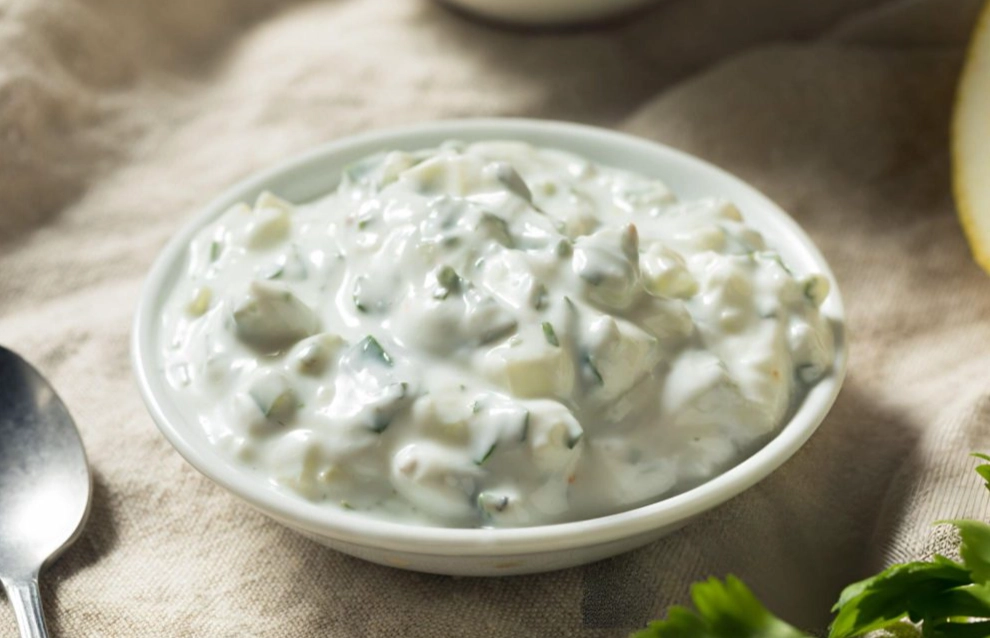
What's Inside This Guide?
- Why Homemade Tartar Sauce Beats the Store-Bought Stuff
- The Essential Ingredients for Authentic Flavor
- How to Make Traditional Tartar Sauce: A Step-by-Step Guide
- Expert Tips and Common Mistakes to Avoid
- How to Store Tartar Sauce and Keep It Fresh
- What to Serve with Tartar Sauce: Perfect Pairings
- Your Tartar Sauce Questions, Answered
Why Homemade Tartar Sauce Beats the Store-Bought Stuff
I used to buy the jar. Everyone does. Then one night, mid-fish fry, I ran out. Panic. All I had was mayo, a lonely pickle in the fridge, and a lemon. Ten minutes later, I had a revelation. The flavor was brighter, sharper, and creamier all at once. It made the fish sing.
Making it yourself gives you complete control. You decide the texture—chunky or smooth. You control the salt and the tang. You use fresh herbs. There are no stabilizers or high-fructose corn syrup hiding in the background. It's a condiment that actually tastes of its ingredients, not of a factory.
Economically, it's a no-brainer. A base of good mayonnaise (which you can also make, but let's not get crazy) and a few pantry staples yields a cup of premium sauce for a fraction of the cost of a small, artisanal jar.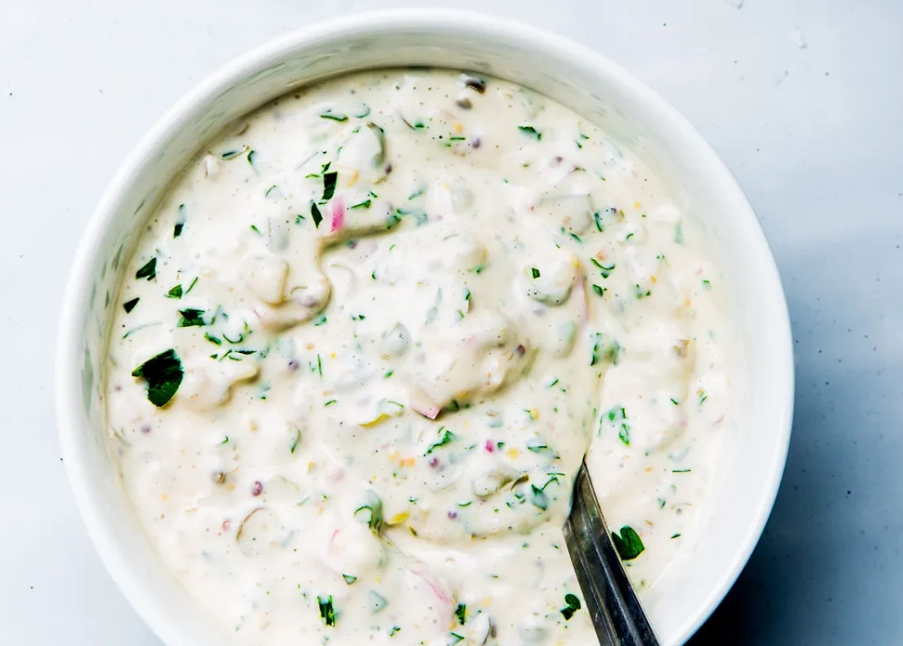
The Essential Ingredients for Authentic Flavor
Traditional tartar sauce is an emulsion sauce, meaning it's built on a creamy base with chopped bits suspended in it. Every ingredient has a role. Swap one out carelessly, and the balance shifts.
| Ingredient | Role & Why It Matters | Pro Tip / Pitfall |
|---|---|---|
| Mayonnaise | The creamy foundation. It binds everything together and provides richness. | Use a full-fat, real mayo like Hellmann's/Best Foods or Duke's. Light mayo has extra water and gums that can make your sauce weep. This is non-negotiable. |
| Gherkins (Cornichons) or Dill Pickles | Provides the essential crunch and sharp, vinegary tang. This is the "tartar" heart. | Gherkins (small, sour French pickles) are traditional. A good dill pickle works too. Avoid sweet pickle relish—it changes the flavor profile completely. |
| Capers | Adds a burst of salty, briny complexity. They're the secret weapon. | Chop them roughly. If you hate capers (some do), you can leave them out, but you'll lose a layer of flavor. |
| Fresh Herbs (Parsley, Chives, Dill) | Adds color and a fresh, grassy note that cuts through the richness. | Flat-leaf parsley is best for flavor. Chives add a mild onion kick. Use at least one. |
| Fresh Lemon Juice | Brightens the entire sauce, balancing the fat of the mayo. | Freshly squeezed only. Bottled juice has a flat, metallic taste that will dull your sauce. |
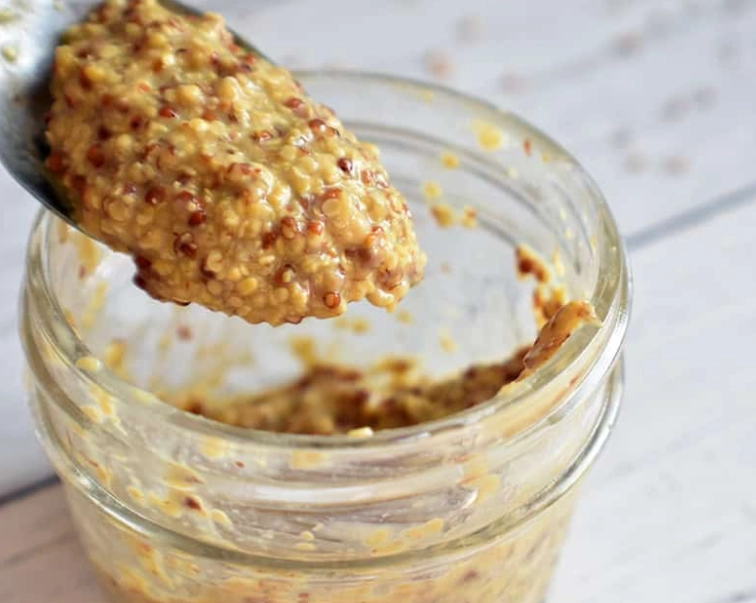
| Dijon Mustard | A background note that adds depth and a slight sharpness, helping to emulsify. | A teaspoon is plenty. Yellow mustard is too harsh and vinegary here. |
| Shallot or Red Onion | A subtle, sweet allium bite without the harshness of raw white onion. | Finely mince it. Soak the mince in the lemon juice for 5 minutes to mellow the raw edge. |
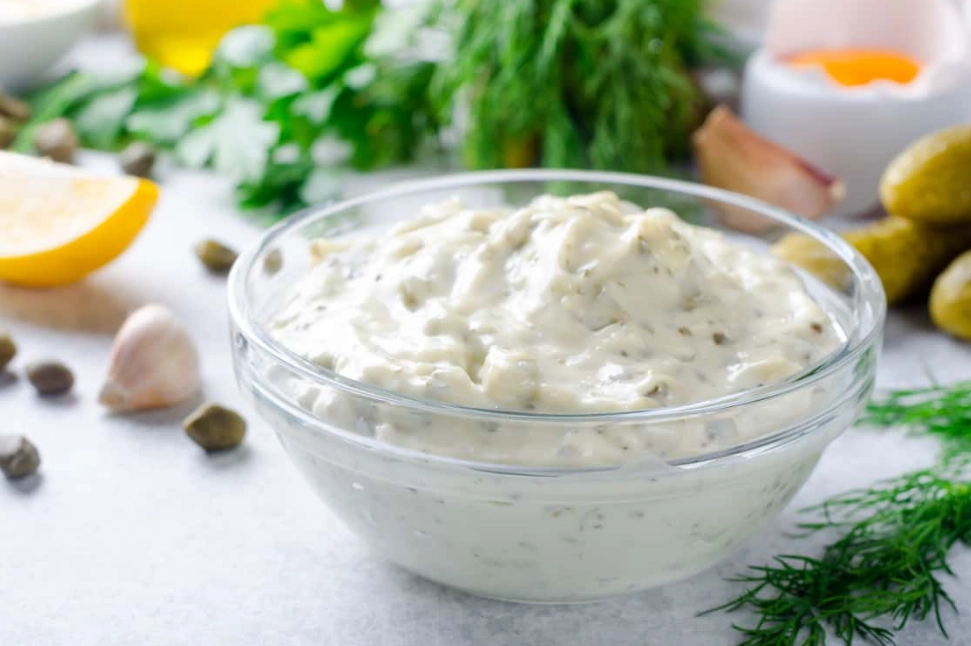
The One Thing Everyone Forgets: Texture contrast. You want to finely chop the gherkins, capers, and herbs, but not puree them. That little bit of resistance when you bite into the sauce is crucial. If everything is mushy, you might as well be eating flavored mayo.
How to Make Traditional Tartar Sauce: A Step-by-Step Guide
This is less of a recipe and more of an assembly. You'll have it done before your frying oil heats up.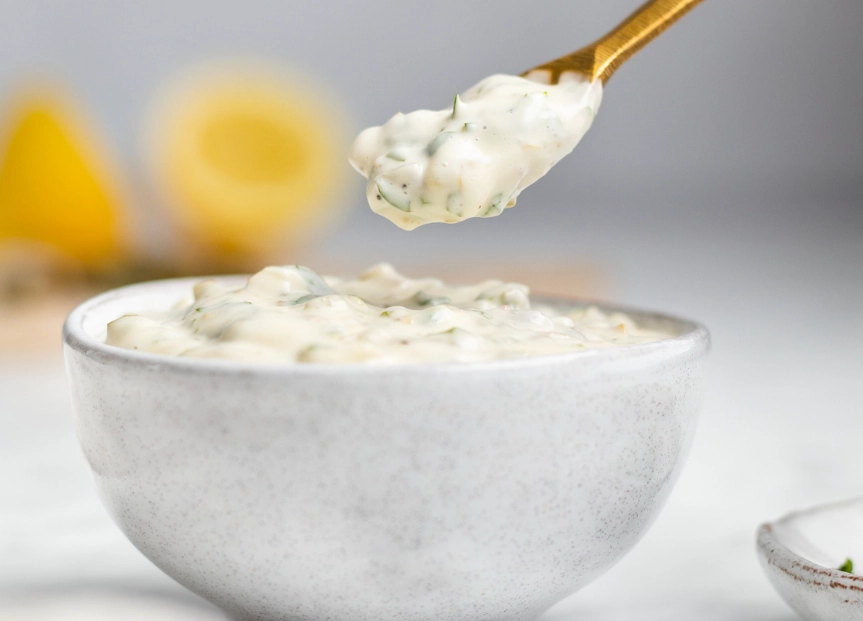
Gather and Prep Your Components
Take 3-4 small gherkins or a quarter of a large dill pickle. Pat them dry with a paper towel. This is key—excess pickle brine will thin out your sauce. Chop them into a fine dice. You want pieces about the size of a caper.
Mince one small shallot (about a tablespoon). Put it in your mixing bowl and squeeze about half a lemon's worth of juice (a tablespoon) right over it. Let it sit. This quick-pickle step tames the raw onion bite.
Chop a tablespoon of capers. Roughly chop two tablespoons of fresh flat-leaf parsley and a tablespoon of fresh chives.
The Mixing Method That Makes a Difference
To the bowl with the shallot and lemon juice, add one cup of full-fat mayonnaise. Add a teaspoon of Dijon mustard. Now, fold in all your chopped ingredients: the gherkins, capers, and herbs.
Use a spatula and fold gently. You're not beating eggs. You want to distribute everything evenly without crushing the bits or over-working the mayo, which can sometimes cause it to break.
Season with a pinch of salt and a few cracks of black pepper. Taste. Always taste. Does it need more lemon? A touch more pepper? Adjust now.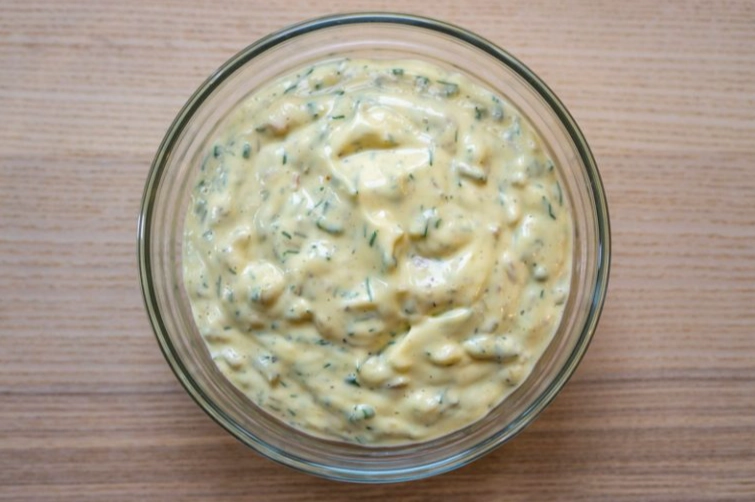
The Critical Resting Period
This is the step most online recipes gloss over. Cover the bowl and put it in the fridge for at least 30 minutes. An hour is better. Overnight is magic.
Why? This resting time allows the flavors to marry and mellow. The sharpness of the shallot and lemon integrates, the herbs infuse their flavor into the mayo, and the whole thing becomes a cohesive sauce, not just a mix of parts. The texture also firms up slightly. Skipping this is the difference between a good sauce and a great one.
Expert Tips and Common Mistakes to Avoid
After making this hundreds of times (I used to run a pop-up fish shack), you see patterns. Here's what separates a pro result from an amateur one.
Don't use sweet relish. I know it's in some "quick" recipes. It makes a cloying, one-dimensional sauce that tastes like a ballpark hot dog condiment, not a classic tartar.
Do balance your acid. The acid comes from two places: the pickle brine (in the chopped pickles) and the fresh lemon juice. If your sauce tastes flat, it likely needs more lemon. If it's too sharp, you may have used too many capers or didn't pat your pickles dry.
Do consider your mayo choice carefully. This is the base. A neutral, creamy American-style mayo is perfect. A very strong, olive-oil forward mayo (some European styles) can overpower the other flavors. Kewpie mayo (Japanese) is delicious but sweeter and will create a different, albeit tasty, profile.
Don't skip the fresh herbs. Dried parsley is a green dust that adds nothing. That pop of fresh green color and flavor is a hallmark of a proper tartar sauce.
The biggest subtle mistake? Not tasting as you go. Tartar sauce is personal. You might love more capers. I might want more black pepper. Season it for your palate.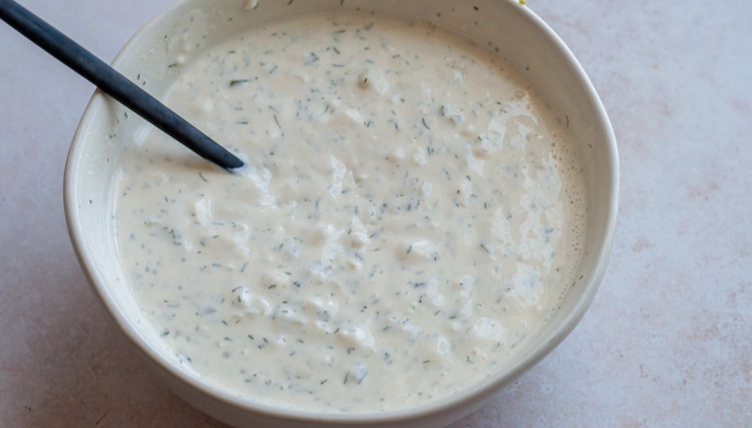
How to Store Tartar Sauce and Keep It Fresh
Homemade tartar sauce doesn't have the shelf life of a chemical-laden jar. That's a good thing. It means you're eating real food.
Store it in an airtight container in the refrigerator. A glass jar with a lid is ideal. Properly stored, it will keep beautifully for 5 to 7 days.
You'll know it's past its prime if it starts to separate (water pooling on top) or if the herbs turn a dark, slimy green. The fresh lemon juice and onions mean it won't last for weeks, so make it in quantities you'll use within a week.
I do not recommend freezing it. Mayonnaise-based sauces break and become grainy when frozen and thawed.
What to Serve with Tartar Sauce: Perfect Pairings
Obviously, it's the champion of the fish fry. But its utility goes far beyond.
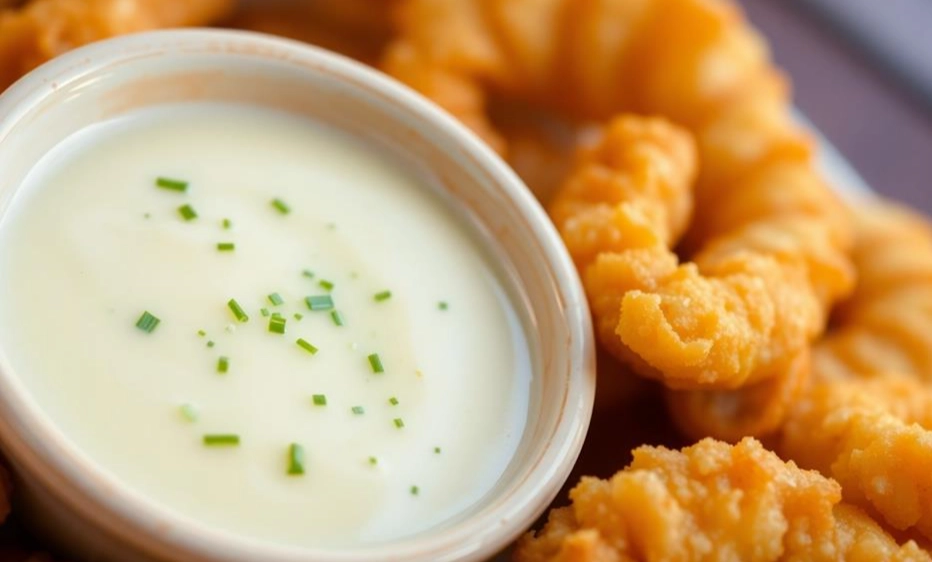
- Classic Fish & Chips: The undisputed king. Pour it on generously.
- Pan-Seared or Baked Fish: A dollop on top of a simple white fish like cod, halibut, or tilapia elevates it instantly.
- Fish Tacos: Use it as a creamy slaw dressing or a topping alongside some shredded cabbage.
- Seafood Cakes: Crab cakes, salmon patties, shrimp cakes—it's the essential dipping partner.
- Fried Oysters or Clams: The briny creaminess is a perfect match.
- As a Sandwich Spread: Forget plain mayo on your next tuna salad sandwich or even a chicken burger. This adds incredible flavor.
- With Roasted Vegetables: Sounds odd, but try it with crispy roasted potatoes or asparagus. Seriously.
Your Tartar Sauce Questions, Answered
 How can I make a healthier version of traditional tartar sauce?