My garden is full of them every fall. Dozens of hard, green tomatoes clinging to the vines, stubbornly refusing to ripen before the first frost hits. For years, I’d sigh and toss them into the compost, feeling that pang of gardener's guilt. Then I discovered pickling. Let me tell you, a jar of homemade pickled green tomatoes is a revelation—tangy, crisp, and infinitely more interesting than just waiting for red. This isn't just a recipe; it's a salvage operation for your end-of-season harvest, turning potential waste into a pantry treasure you'll crave on burgers, sandwiches, or straight from the jar.
What's Inside This Guide
Why Bother Pickling Green Tomatoes?
It goes beyond just saving tomatoes. This is a traditional method with roots in many cultures, from the American South to Eastern Europe. The firm flesh of an unripe tomato holds up spectacularly well to the pickling brine, maintaining a satisfying crunch that ripe tomatoes simply can't. The flavor is unique—a bright, sharp acidity balanced by the subtle, almost grassy note of the green tomato itself. It's a zero-waste kitchen hack that delivers a condiment with more character than most store-bought pickles.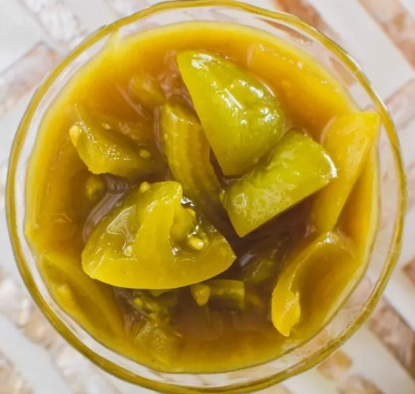
You get control. No dubious additives, no excessive sugar. Just clean, straightforward ingredients. And the satisfaction? Unbeatable. There's something deeply rewarding about lining up those sparkling jars on your shelf, knowing you captured a bit of summer to enjoy in the depths of winter.
What You Absolutely Need (And What You Don't)
Let's get practical. The equipment list for water bath canning can look intimidating, but you might already have most of it. The non-negotiables for safety are a large, deep pot with a lid for processing (a big stockpot works if you have a rack to keep jars off the bottom), canning jars with new lids (Mason, Ball, Kerr), and a jar lifter. Trying to lift hot jars with tongs is a recipe for burns and broken glass—just get the proper tool.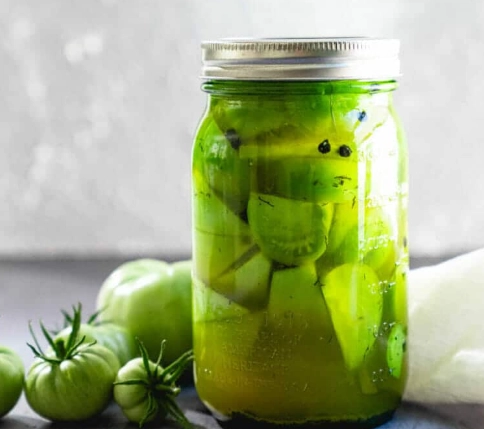
The Salt Mistake Almost Everyone Makes
Here's where I see new picklers trip up constantly. You cannot use standard table salt for pickling if it contains anti-caking agents (like sodium aluminosilicate). These additives make your brine cloudy and can leave a sediment at the bottom of the jar. It's harmless but ugly. The best choices are pickling salt or fine sea salt without additives. Kosher salt works in a pinch, but because the crystal size varies by brand (Diamond Crystal vs. Morton is a huge difference), you must weigh it for accuracy. Volume measurements will fail you here.
For the tomatoes, choose firm, unblemished green ones. Size doesn't matter much, as you'll be slicing or wedging them. Smaller varieties like Romas or cherries work wonderfully whole.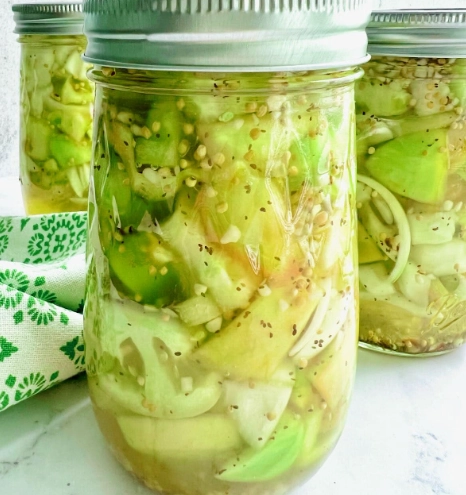
| Ingredient | Quantity & Type | Why It's Here / Notes |
|---|---|---|
| Green Tomatoes | 4-5 lbs (about 2 kg) | Enough for 4-5 pint jars. Wash and dry thoroughly. |
| White Vinegar (5% acidity) | 4 cups (950 ml) | This is your acid safety net. Don't reduce it. |
| Water | 4 cups (950 ml) | Filtered is best to avoid mineral flavors. |
| Pickling Salt | 3 tbsp (about 50g by weight) | See note above. This is crucial for crispness and flavor. |
| Granulated Sugar | 2 tbsp (optional) | Just a touch to round out the sharpness. Can omit. |
| Flavorings (Per Jar) | Customizable | 2 cloves garlic, 1 tsp dill seed, 1/2 tsp black peppercorns, 1/4 tsp red chili flakes. This is where you play. |
The Step-by-Step Canning Process
I'm going to walk you through this like I'm in the kitchen with you. No assumptions, just clear steps. The goal is a safe, shelf-stable product.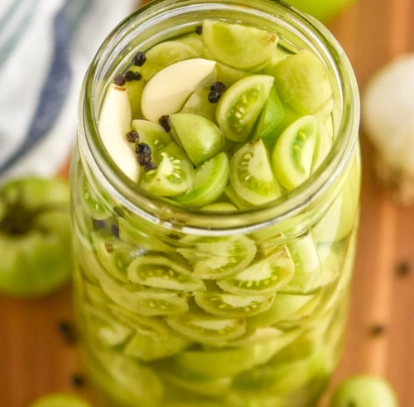
1. Prep Work: Jars, Tomatoes, and Your Mindset
Wash your jars, lids, and bands in hot, soapy water. Place the jars in your canning pot, fill it with water to cover the jars by an inch, and bring it to a simmer (180°F/82°C). Keep them hot until you need them. This thermal shock prevention is key. In a separate small saucepan, simmer your new lids in water—don't boil, just keep them hot.
Slice your tomatoes. I prefer 1/4-inch thick rounds for sandwiches or hearty wedges for snatching from the jar. Pack them tightly into the hot jars, leaving a generous 1/2-inch of headspace at the top. They will shrink a bit during processing.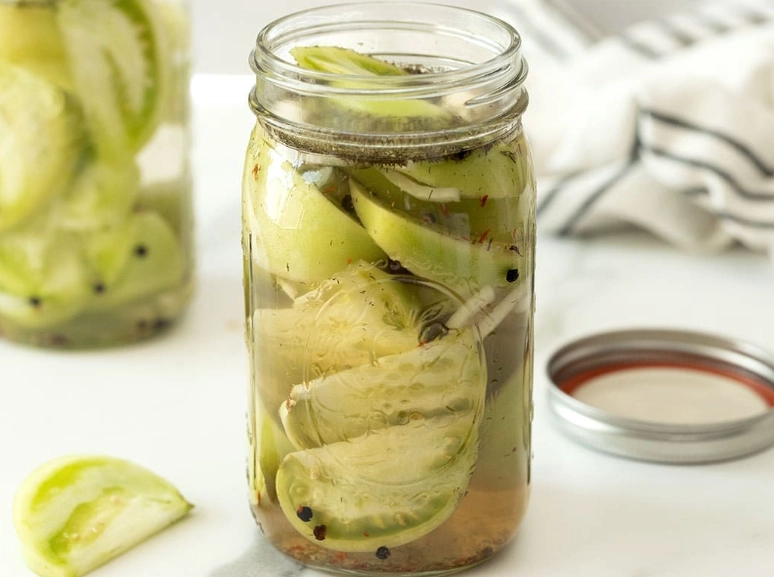
2. Building and Pouring the Brine
In a large, non-reactive pot (stainless steel or enameled), combine the vinegar, water, salt, and sugar if using. Bring it to a full, rolling boil, stirring to dissolve the salt and sugar completely.
Now, add your chosen flavorings directly to each jar of packed tomatoes. Two cloves of crushed garlic, a teaspoon of dill seed, some peppercorns—go wild. Carefully pour the boiling brine over the tomatoes, maintaining that 1/2-inch headspace. Run a thin, non-metallic utensil (a plastic chopstick is perfect) around the inside of the jar to release any trapped air bubbles. Wipe the jar rims impeccably clean with a damp paper towel. Any food residue will prevent a seal.
3. The Water Bath: Where Safety is Sealed
Place a hot lid on each jar and screw on the band until it's fingertip-tight—snug but not forced. Using your jar lifter, lower the jars into the simmering water bath in your canning pot. Ensure the water covers the jars by at least 1-2 inches. Cover the pot, bring the water to a full boil, and start your timer: 15 minutes for pint jars, 20 minutes for quarts.
After processing, turn off the heat, remove the lid, and let the jars sit in the water for 5 minutes. This helps prevent siphoning (liquid leaking out). Then, lift them out and place them on a towel-lined counter, spaced apart. You'll hear the glorious, satisfying *pop* of the lids sealing as they cool over the next 12-24 hours.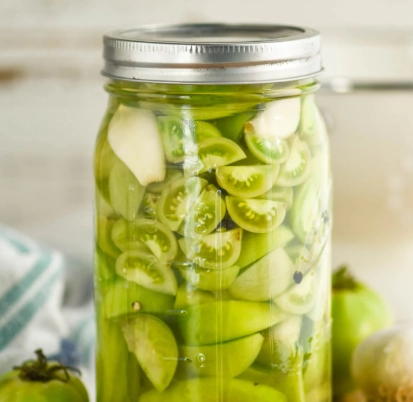
Storing, Using, and Enjoying Your Pickles
Once completely cool, check the seals by pressing the center of each lid. If it doesn't flex, it's sealed. Store sealed jars in a cool, dark place for up to 18 months. Any unsealed jars go straight into the fridge to be eaten within a month.
Now, the fun part. These aren't just pickles; they're a secret weapon. Chop them up for a relish on hot dogs or brats. Layer them on a grilled cheese or a classic BLT. Dice them into potato or egg salad for a tangy punch. My personal favorite? Serving them alongside a rich pâté or a sharp cheddar on a charcuterie board. The acidity cuts through fat beautifully.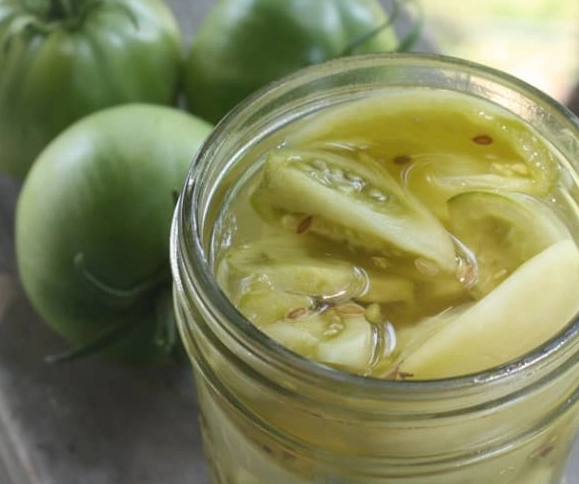
Your Pickling Questions, Answered
Look, the first time you do this, it might feel like a science experiment. But by the second or third batch, it becomes second nature—a rhythmic, almost meditative end-of-summer ritual. You're not just making pickles; you're preserving a season, building pantry resilience, and creating something genuinely delicious from what might have been wasted. Give it a try. That frost doesn't have to win.