Let's get straight to it. A perfectly pan fried scallop isn't some restaurant magic trick. It's a simple equation: dry scallops + screaming hot pan + a little patience = a golden, crisp crust giving way to a sweet, tender, almost custardy center. Most recipes get you halfway there. They tell you to pat them dry and don't overcrowd the pan. Good start, but not enough. After cooking them for years, both at home and in professional settings, I've found the devil—and the divinity—is in a few specific, often overlooked details. This guide will walk you through every single one.
What's Inside This Guide
What You'll Need for Perfect Pan Fried Scallops
Getting the right ingredients and tools is 80% of the battle. You can't build a house without a solid foundation.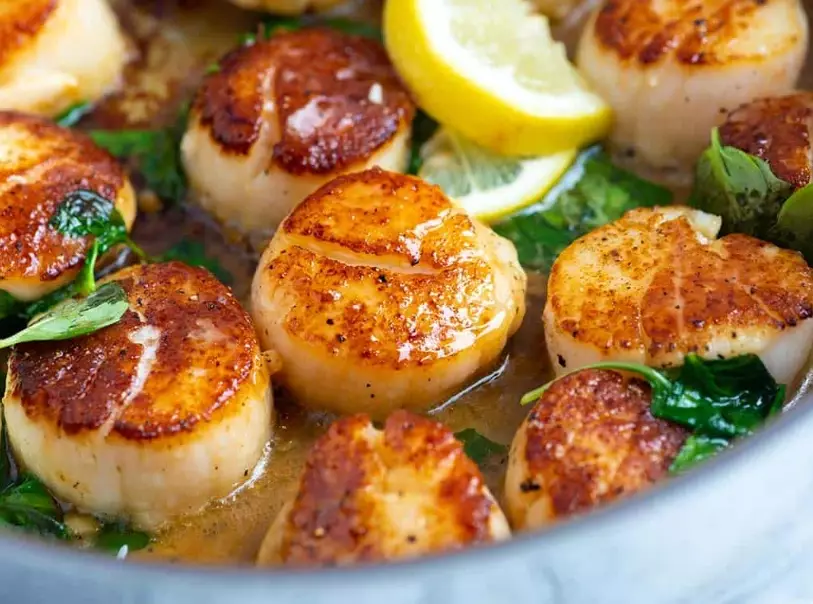
The Scallops Themselves: The Make-or-Break Factor
This is the most important choice you'll make. Not all scallops are created equal for pan frying.
Where to find them? A good fishmonger is your best bet. Ask directly. If you're at a supermarket, look for labels that specifically say "dry" or "chemical-free." Expect to pay a bit more—it's worth every penny. Size-wise, look for "sea scallops" or "U10/20" (meaning 10-20 per pound). They're meaty and ideal for searing.
Equipment: Keep It Simple
- A Heavy-Bottomed Skillet: Cast iron is king here. It holds and distributes heat incredibly evenly, creating that consistent crust. A heavy stainless steel pan is a great second choice. Non-stick? Forget it for this job—it won't get hot enough for a proper sear.
- Tongs or a Thin Fish Spatula: You need something to gently flip the scallops without tearing that beautiful crust.
- Paper Towels: Lots of them. For drying.
How to Pan Fry Scallops: The Step-by-Step Guide
Follow these steps in order. Rushing or skipping one can lead to less-than-perfect results.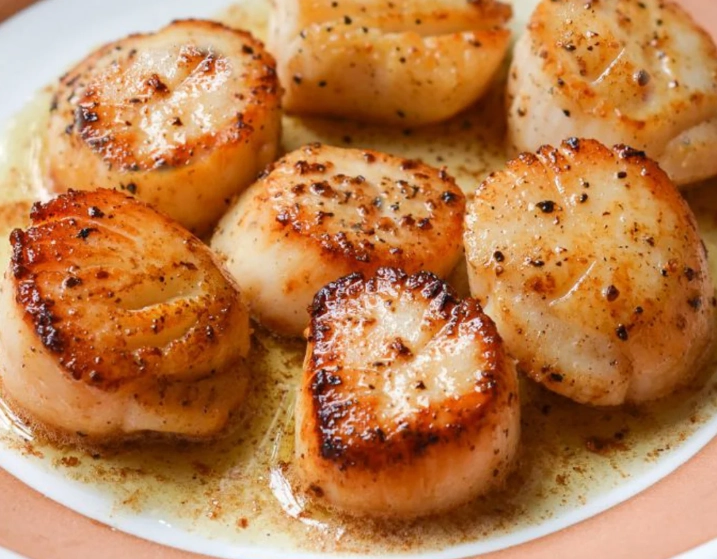
Step 1: The Prep Work (Don't Skip This)
Take your dry-packed scallops out of the fridge. Remove the small, tough side muscle if it's still attached (it peels off easily). Now, the crucial drying step. Lay them on a thick stack of paper towels. Top with another layer of towels and press gently. Let them sit like this for 10 minutes. This pulls even more moisture from the surface. A bone-dry surface is your ticket to browning.
Just before cooking, season generously with kosher salt and freshly ground black pepper. Not before, or the salt will draw out moisture again.
Step 2: The Sear
Place your cast iron skillet over medium-high to high heat. Let it get properly hot for a good 2-3 minutes. Add a high-smoke-point oil—avocado oil or grapeseed oil are perfect. A thin, even coating is enough. You should see the oil shimmering, almost rippling.
Carefully add your scallops, making sure they aren't touching. This is key. If you crowd the pan, the temperature drops and they steam. Cook in batches if you have to.
Here's the hard part: do not touch them. Set a timer for 90 seconds to 2 minutes. Let the Maillard reaction (that fancy term for browning) work its magic. You'll see the edges turn golden brown and opaque creeping up the sides.
Step 3: The Flip & Finish
Use your tongs or spatula to gently flip one scallop. Look for a deep golden-brown crust. If it's not there yet, give it another 30 seconds. Once flipped, cook for another 60-90 seconds. The second side usually takes less time.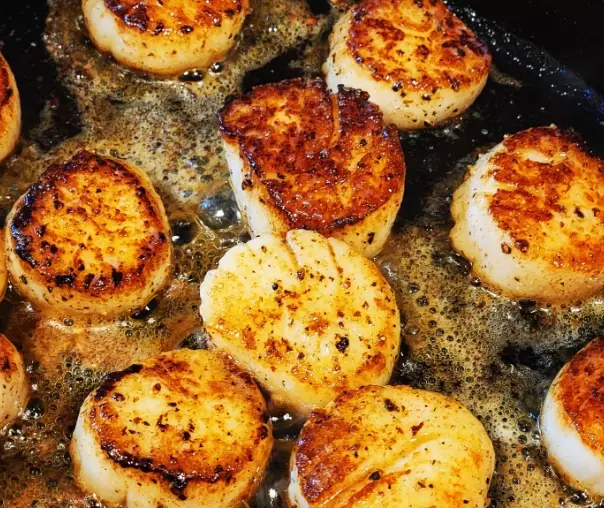
The internal temperature should be about 115-120°F (46-49°C) for medium-rare, which is ideal for scallops. They'll carry over to a safe 125-130°F (52-54°C) as they rest. The USDA recommends cooking seafood to 145°F (63°C), but for quality, scallops are best slightly under that to avoid rubberiness. Use your judgment based on your comfort level.
Immediately transfer them to a warm plate. Let them rest for 2-3 minutes. This allows the juices to redistribute. Serve immediately.
Simple Pan Sauces for Your Scallops
You've got those beautiful browned bits (fond) in the pan. Don't waste them. A quick pan sauce takes this from great to restaurant-level.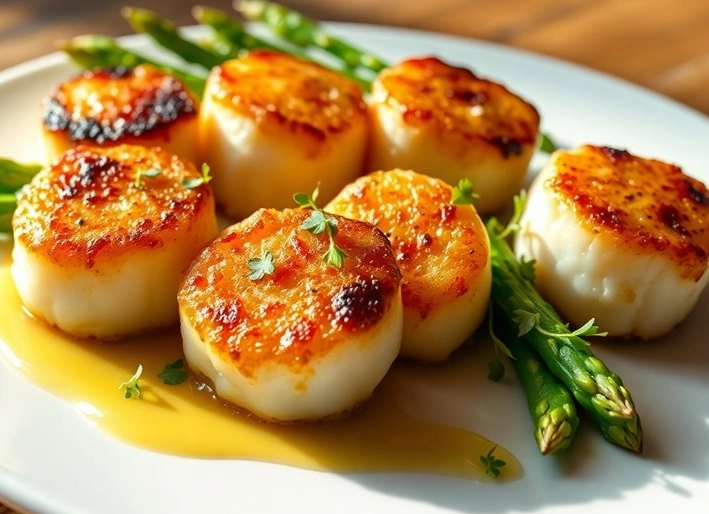
| Sauce | Key Ingredients | Flavor Profile | Prep Time |
|---|---|---|---|
| Lemon Caper Butter | Butter, lemon juice, capers, parsley | Bright, briny, classic | 3 mins |
| White Wine & Shallot | Shallot, dry white wine, butter, thyme | Elegant, aromatic, slightly sweet | 5 mins |
| Creamy Garlic & Herb | Garlic, heavy cream, parmesan, chives | Rich, decadent, comforting |
My go-to is the lemon caper: After removing scallops, lower heat to medium. Add 2 tbsp butter, let it melt and foam slightly. Throw in a tablespoon of drained capers, let them sizzle for 30 seconds. Off heat, squeeze in juice of half a lemon (watch it sizzle), toss in some chopped parsley, and swirl. Spoon immediately over the resting scallops. It's foolproof.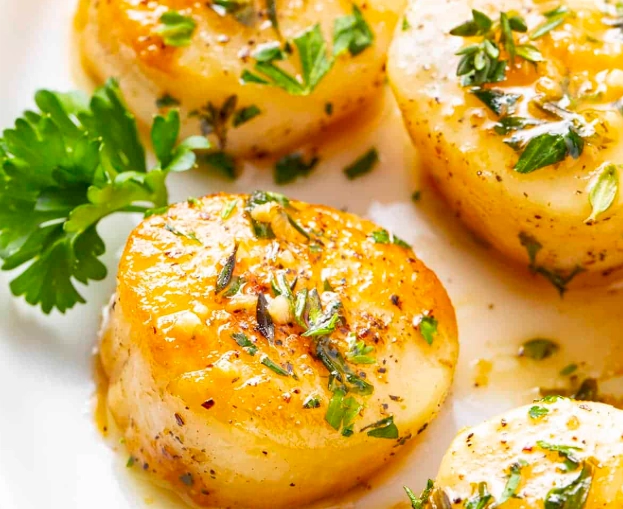
Common Mistakes & Pro Tips
The Biggest Mistake: Wet Scallops
I know I mentioned it, but it's worth its own warning box. If your scallops are swimming in milky liquid in the package, they're wet-packed. They will not brown. They will stew. The result is a sad, grey, rubbery disk. Always ask for dry-packed.
Mistake #2: Moving them too soon. You flip when you see a good crust, not when you get impatient. Let the pan do its work.
Mistake #3: Heat too low. You need a confident sizzle when the scallop hits the oil. If it's a weak sizzle, your pan isn't hot enough.
Pro Tip: The "Press" Test. Don't just eyeball it. Gently press the top of a scallop with your finger or tongs. When it's ready to flip, it will feel firm on the cooked side but still soft/raw on top. If it feels squishy all over, it needs more time. If it's firm all the way through, it's likely overdone.
Pro Tip: Use clarified butter or ghee for flavor. After the initial sear with a neutral oil, you can add a knob of clarified butter or ghee in the last 30 seconds of cooking. It has a higher smoke point than regular butter and adds a gorgeous, nutty flavor to the crust.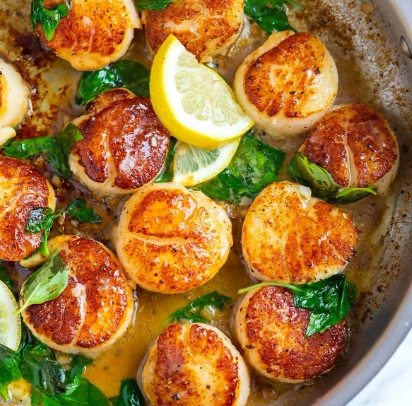
What to Serve With Pan Fried Scallops
Scallops are rich and sweet, so you want sides that complement, not compete.
- For a quick weeknight meal: A simple arugula salad with a lemon vinaigrette and shaved parmesan. The peppery arugula cuts through the richness.
- To feel fancy: Risotto. A lemon risotto or a pea risotto is a classic, luxurious pairing.
- My personal favorite: Pureed cauliflower or celery root. It's like a blank, creamy canvas that lets the scallop shine. Plus, you can swipe the sauce through it.
- For something fresh: A mango-avocado salsa. The sweetness and acidity play off the scallops beautifully.
Wine pairing? An unoaked Chardonnay, a crisp Sauvignon Blanc, or even a dry Riesling. You want something with good acidity to balance the dish.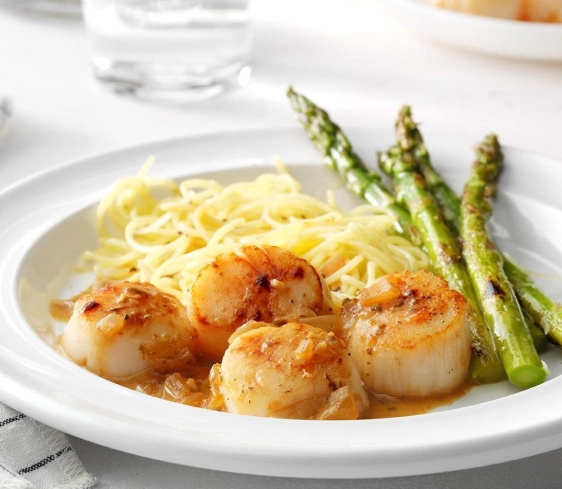
Your Pan Fried Scallops Questions Answered
Can I use frozen scallops for pan frying?
You can, but you have to be meticulous. Thaw them slowly in the refrigerator overnight—never in water or at room temperature. Once thawed, follow the drying steps even more religiously, as freezing adds extra moisture. Pat them dry, then let them sit on paper towels for 15-20 minutes. The quality won't be quite the same as fresh, dry-packed, but it's a viable option.
Why are my scallops sticking to the pan?
Sticking usually means one of three things: 1) The pan wasn't hot enough before adding the scallop (wait for that shimmering oil), 2) You tried to move the scallop too early (the crust needs time to form and release naturally), or 3) The scallop surface was still wet. Revisit the prep step. A properly preheated pan and a dry scallop should release easily when it's ready to flip.
How do I get a better crust on my pan fried scallops?
Beyond drying them thoroughly, try this: after patting dry, leave them uncovered on a rack in the fridge for 30-60 minutes. This air-dries the surface even more. Also, make sure your fat is hot enough. The scallop should sizzle aggressively the moment it hits the pan. Finally, don't skimp on the fat—a thin, even layer across the pan ensures good contact.
What's the difference between pan-frying and searing scallops?
In the culinary world, "searing" is the high-heat technique used to create the brown crust, which is the primary goal for scallops. "Pan-frying" might imply a longer cook time with more oil. For scallops, we're really doing a high-heat sear in a pan. It's a semantic difference, but the technique is all about that quick, hot sear to develop flavor and texture.
Can I make pan fried scallops ahead of time for a dinner party?
I don't recommend cooking them ahead. They are best served within minutes of cooking. However, you can do all the prep ahead: remove muscles, dry them thoroughly, and keep them on a paper-towel-lined plate in the fridge. Have your pan, oil, and sauce ingredients ready. Then, the actual cooking takes less than 5 minutes per batch. Cook them as your guests are sitting down or enjoying a first course.