Quick Guide
Let's be honest. The word "soufflé" scares a lot of people. It's got this reputation for being the diva of the dessert world—temperamental, fragile, and destined to collapse the second you look at it wrong. I used to think that too. My first attempt at a chocolate soufflé recipe looked more like a chocolate pancake. It was dense, sad, and definitely not the cloud-like wonder I was promised. But here's the secret I learned after more kitchen disasters than I'd like to admit: soufflés aren't actually that hard. They just require you to understand a few non-negotiable rules. Once you get those, a whole world of impressive, airy, delicious desserts opens up. This guide is everything I wish I'd known when I started.
So what is a soufflé, really? At its heart, it's just a clever way of trapping air. You make a thick base—usually a flavored custard or béchamel—and then you fold in egg whites that you've beaten until they're full of stiff peaks. When it bakes, the hot air inside those tiny bubbles expands, and the soufflé rises. The protein in the eggs sets around the air, creating that magical structure. It's simple physics, really. But where do most soufflé recipes go wrong? Usually, it's in the execution of those simple steps.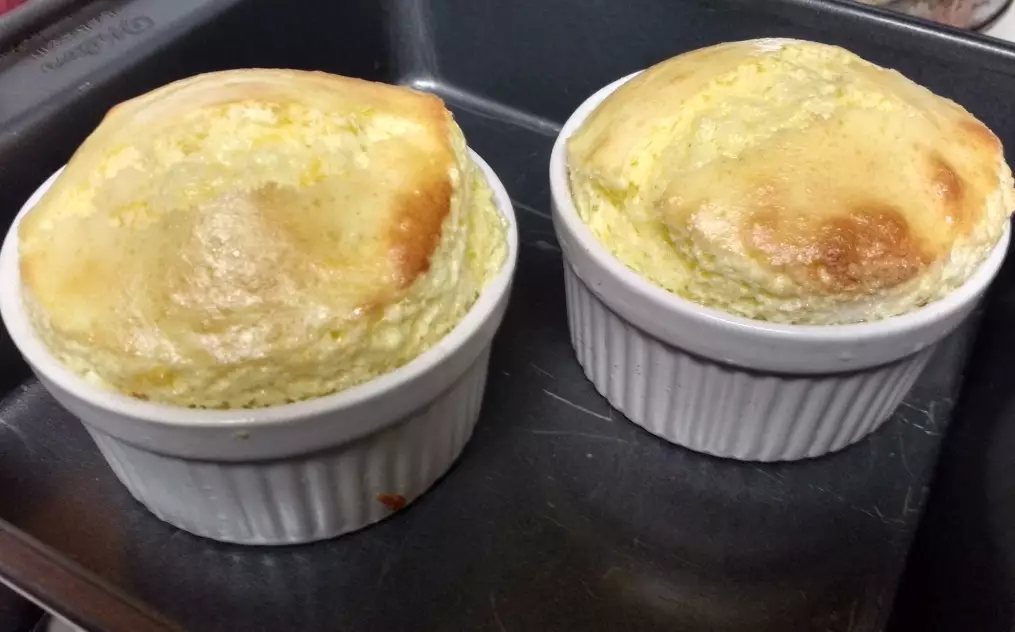
The Foundation: What You Absolutely Need to Know First
You can't run before you can walk. Before we dive into specific soufflé recipes, let's nail the fundamentals. Skipping this part is like building a house on sand.
The Science Bit (Don't Worry, It's Painless)
It all comes down to the egg whites. Egg whites are mostly water and protein. When you whip them, you're unraveling those protein chains. They stretch out and form a network around the air bubbles you're incorporating. Sugar, added gradually, stabilizes this network. Heat then firms up the proteins permanently, setting the structure. If you under-whip, the network is too weak. Over-whip, and the proteins get too tight and dry, making them grainy and prone to collapsing. You're looking for that sweet spot—glossy, smooth peaks that hold their shape when you lift the whisk. Some chefs swear by a copper bowl (the copper ions help stabilize the foam), and while it's nice, a perfectly clean glass or stainless steel bowl works just fine. The science behind copper bowls is fascinating, but don't feel you need to invest in one to succeed.
Your Toolkit: No Fancy Gear Required
You don't need a kitchen full of professional equipment. Here’s what matters:
- A Spotlessly Clean Bowl: Any trace of fat (like yolk or oil) will sabotage your egg whites. Wipe your bowl and whisk with a bit of lemon juice or vinegar to be sure.
- A Hand Mixer or Stand Mixer: You can whisk by hand, but it's a serious arm workout. A mixer gives you consistency and control.
- Ramekins or a Soufflé Dish: The right size is important. If the dish is too big, your soufflé won't rise impressively. Too small, and it might overflow. Most classic soufflé recipes are designed for 4-6 ounce ramekins or a 1.5-quart dish.
- Butter and Sugar for Prep: This is the unsung hero. Thoroughly buttering your dish and then coating it with sugar (for sweet) or grated cheese/fine breadcrumbs (for savory) gives the rising batter something to grip onto as it climbs. Don't skip this step!
Now, the part everyone argues about: to water bath or not to water bath? For baked custard-style desserts, absolutely. For most soufflés? Honestly, I find it unnecessary and it steams the bottom. A perfectly preheated oven and correct baking position (middle rack) is more crucial.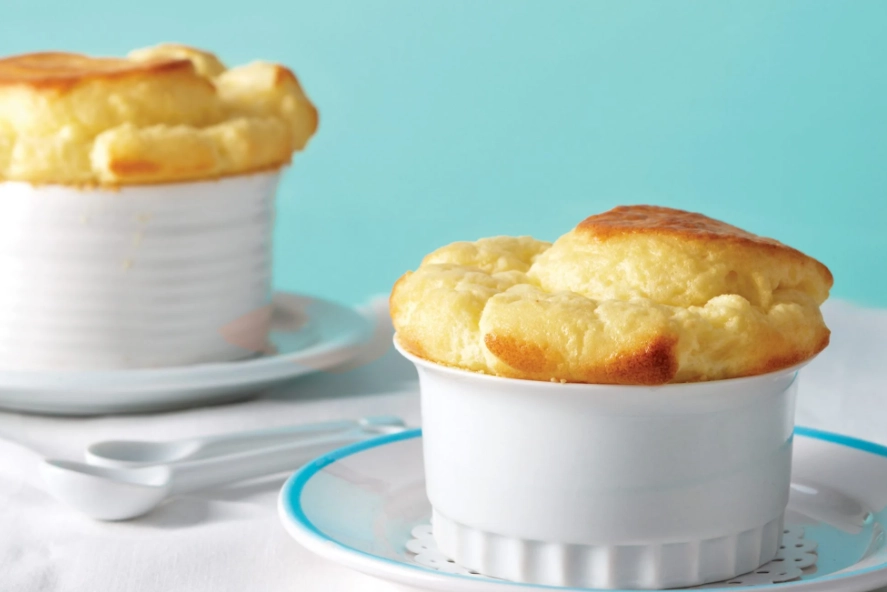
Classic Soufflé Recipes, Deconstructed
Let's apply those fundamentals. Here are two cornerstone recipes—one sweet, one savory—that form the blueprint for almost all others.
The Quintessential Chocolate Soufflé
This is the one everyone wants to master. A good chocolate soufflé recipe is rich, deeply flavored, and has a molten-like center. The quality of your chocolate is paramount here. Don't use chocolate chips; they have stabilizers that prevent smooth melting. Use a good baking chocolate or a eating chocolate with 60-70% cocoa solids.
The base is a simple chocolate pastry cream. You'll melt chocolate with a little butter, then whisk it into a mixture of egg yolks, sugar, and a touch of flour or cornstarch for stability. Let this base cool to room temperature. This is critical—a hot base will deflate your egg whites on contact. While it cools, butter and sugar your ramekins. Really get into the creases. Then, whip those room-temp egg whites with a pinch of cream of tartar (an acid that helps stabilize) until foamy, gradually add sugar, and whip to stiff, glossy peaks. Fold a third of the whites into the chocolate base to lighten it, then gently fold in the rest. Use a big spatula and a light hand. Overmixing is the enemy. Fill the ramekins to the top, run your thumb around the inside edge to create a "moat," which helps it rise straight up. Bake immediately in a preheated 375°F (190°C) oven for about 14-18 minutes. They're done when they've risen beautifully and the tops are set and dry, but the very center still has a slight jiggle.
The Savory Cheese Soufflé (A Perfect Dinner Party Starter)
Savory soufflés are often easier than sweet ones because the cheese base is more forgiving. The blueprint here is a béchamel sauce. Make a roux with butter and flour, cook it for a minute, then whisk in warm milk until thick. Off the heat, stir in egg yolks and a generous amount of strongly flavored cheese like Gruyère, sharp cheddar, or Parmesan. Season well—mustard powder, cayenne, and black pepper are classics. The same egg white rules apply. Fold, bake, and you have a stunning, puffy main course. It's one of the most versatile soufflé recipes because you can add so many things: cooked spinach, crab meat, smoked salmon, or herbs.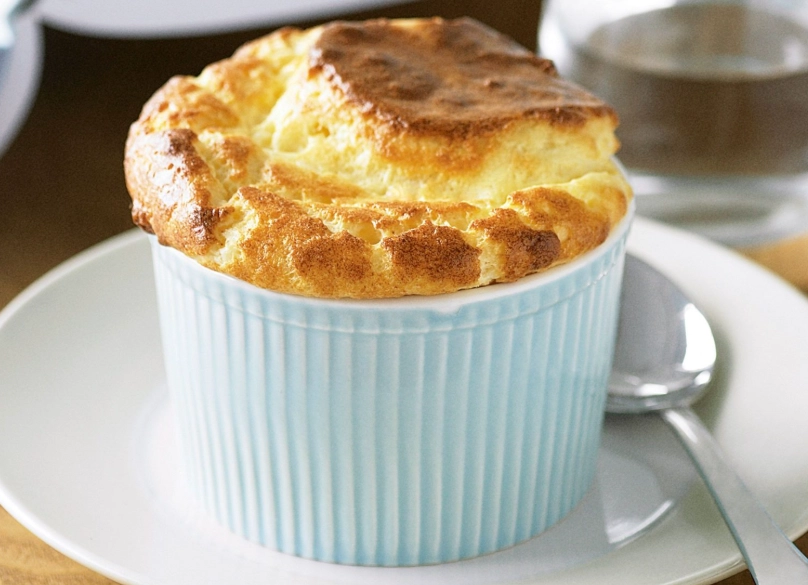
Here’s a quick comparison of these two foundational types:
| Type | Base | Key Flavor | Texture Goal | Baking Temp |
|---|---|---|---|---|
| Chocolate Soufflé | Chocolate pastry cream | High-quality dark chocolate | Set exterior, soft/oozy center | 375°F (190°C) |
| Cheese Soufflé | Cheese béchamel sauce | Sharp, aged cheese (Gruyère) | Fully set, light & fluffy throughout | 400°F (200°C) initial, then reduced |
Leveling Up: Creative Twists on Soufflé Recipes
Once you're comfortable with the classics, the fun begins. The basic technique is a canvas for endless flavors.
- Lemon or Orange Soufflé: Infuse the milk or cream with citrus zest for the base. Use fresh juice, but be careful—too much acid can curdle a dairy base. Often stabilized with a bit of cornstarch.
- Berry Soufflé: Puree fresh or frozen berries, strain to remove seeds, and reduce the puree to a thick jam-like consistency to concentrate flavor and remove excess water, which is a enemy of rise.
- Grand Marnier or Coffee Soufflé: Add a tablespoon or two of liqueur or strong espresso to your base. The alcohol flavor mostly bakes off, leaving the essence.
What about gluten-free soufflé recipes? Easier than you think. The flour in most dessert soufflés is just a minor stabilizer. You can often replace the tablespoon of all-purpose flour with an equal amount of cornstarch, rice flour, or a gluten-free flour blend without any issue. The structure comes from the eggs, not the flour.
The Top 5 Reasons Your Soufflé Might Fail (And How to Fix Them)
Let's troubleshoot. I've made these mistakes so you don't have to.
- It Didn't Rise Much. Likely culprits: Under-whipped egg whites, or you deflated them by overmixing during folding. Or, your base was too heavy or too warm when you folded. Also, check your oven temperature with a thermometer—an oven that runs cool is a silent soufflé killer.
- It Rose Crooked or Cracked Excessively. You probably didn't run your thumb around the rim to create that guiding "moat." Also, avoid opening the oven door during the first 75% of the bake time. A sudden draft can cause a collapse or uneven rise.
- It Collapsed Immediately After Baking. This is actually normal to a small degree! A soufflé is at its absolute peak for about 60-90 seconds out of the oven. But a dramatic collapse means it was underbaked. The interior structure hadn't set enough to support itself. Next time, bake a minute or two longer.
- It Tastes Eggy. This is a sign of under-sweetening or under-seasoning. In a sweet soufflé, the sugar isn't just for taste; it balances the egg flavor. In a savory one, be bold with cheese, salt, and spices.
- The Bottom is Soggy. You might have baked it in a water bath when you shouldn't have, or your oven rack was too low. Always bake on the middle rack for even heat.
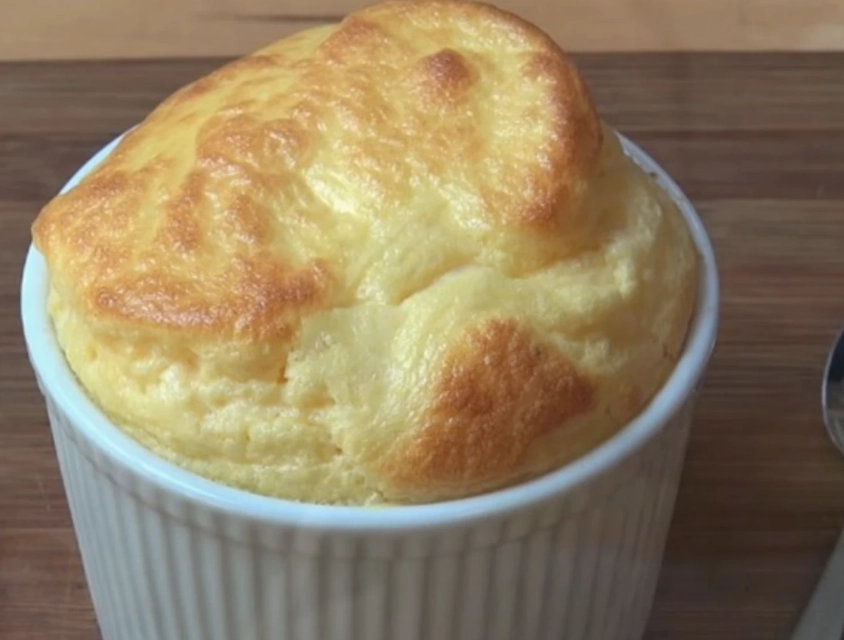
Soufflés Beyond Dessert: Answering Your Questions
I get a lot of questions from readers trying their first soufflé recipes. Here are the big ones.
Can you make soufflés ahead of time?
This is the million-dollar question. The short answer is: you can prepare the components ahead, but you cannot fully bake them ahead. The best make-ahead strategy is to prepare the base (the chocolate mix or cheese sauce), cover, and let it sit at room temp for a few hours or refrigerate overnight. Bring it to room temp before using. You can also butter and sugar your dishes a day in advance. Then, when guests arrive, whip the egg whites, fold, and bake. The active work is only about 15 minutes, and you get that show-stopping fresh-from-the-oven presentation.
What's the difference between a hot and cold soufflé?
A hot soufflé is what we've been talking about—baked and served immediately. A "cold soufflé" is a bit of a misnomer. It's not baked at all. It's usually a mousse-like creation set with gelatin and stabilized with whipped cream and egg whites, then chilled in a dish with a collar so it rises above the rim. It's delicious, but it's a different beast entirely—more of a frozen or chilled mousse.
Are raw eggs in soufflés safe?
This is a valid concern. In a properly baked soufflé, the internal temperature reaches about 160°F (71°C), which is hot enough to pasteurize the eggs and make them safe to eat. The concern is more relevant for cold soufflés or recipes that don't cook the base. If you're worried, you can use pasteurized shell eggs (available in many supermarkets) or heat the egg yolks with the sugar/syrup to 160°F to pasteurize them before making the base. The USDA has clear guidelines on egg safety that are worth a look.
Putting It All Together: Your First Soufflé
So, where should you start? I'd recommend a simple cheese soufflé. It's less finicky than chocolate, and you can serve it for lunch or a light dinner with a salad. The flavor payoff is huge, and it builds confidence. Follow the steps, respect the egg whites, and don't panic.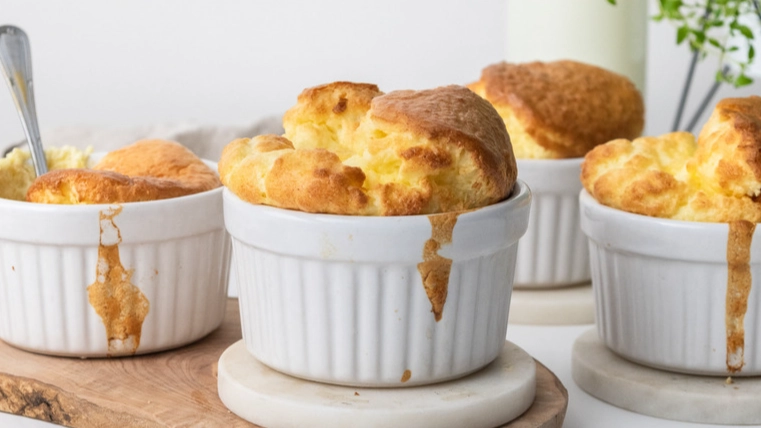
The biggest shift in my own soufflé journey was changing my mindset. I stopped seeing it as a terrifying test and started seeing it as a fun, slightly scientific process. Some days it rises a little more, some days a little less. But once you understand the rules, it will work, and it will be delicious. Even my slightly dense "pancake" soufflé still tasted great. The goal isn't perfection every time; it's a delicious, impressive dish that makes you and your guests happy.
Go raid your fridge for eggs, butter, and cheese. Or grab that bar of good chocolate you've been saving. Pick a soufflé recipe that speaks to you, read it through twice, and just start. Butter those dishes like you mean it. The worst that can happen is you get to eat a slightly flat, but still homemade, chocolate cloud. That's not a bad place to be at all.