Skip to What You Need
French desserts like crème brûlée and macarons have a reputation for being fussy, but after spending years baking in Parisian kitchens, I've learned that most recipes are about technique, not magic. If you've ever searched for french dessert recipes and felt overwhelmed, this guide is for you. We'll break down three classics you can make at home, with steps that even beginners can follow. Forget the intimidation—let's get to the good part: eating.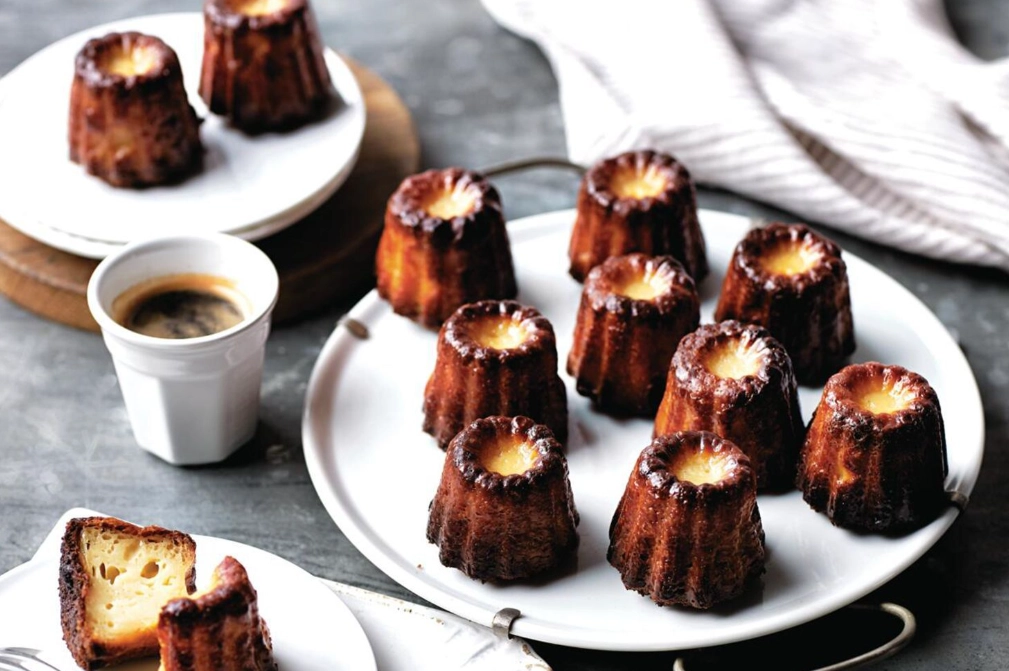
Why French Desserts Aren't as Scary as You Think
I used to think French baking required a pastry degree. Then I worked alongside a chef in Lyon who showed me that it's all about precision, not complexity. Most french dessert recipes rely on a few core techniques: tempering eggs, making caramel, and whipping cream to the right consistency. Master those, and you're halfway there. The key is to start simple. Don't jump into croquembouche on day one. Begin with desserts that have forgiving steps, like a tarte tatin where rustic looks are part of the charm.
One thing I wish more recipes mentioned: French desserts often use fewer ingredients than American ones. A perfect chocolate mousse might only need chocolate, eggs, and sugar. That simplicity means each component has to shine, so quality matters. Splurge on good vanilla beans or dark chocolate—it makes a difference you can taste.
Three French Dessert Recipes to Start With
These are my go-to recipes when friends ask for something impressive but doable. I've adjusted them from classic versions to cut down on fuss, without sacrificing flavor.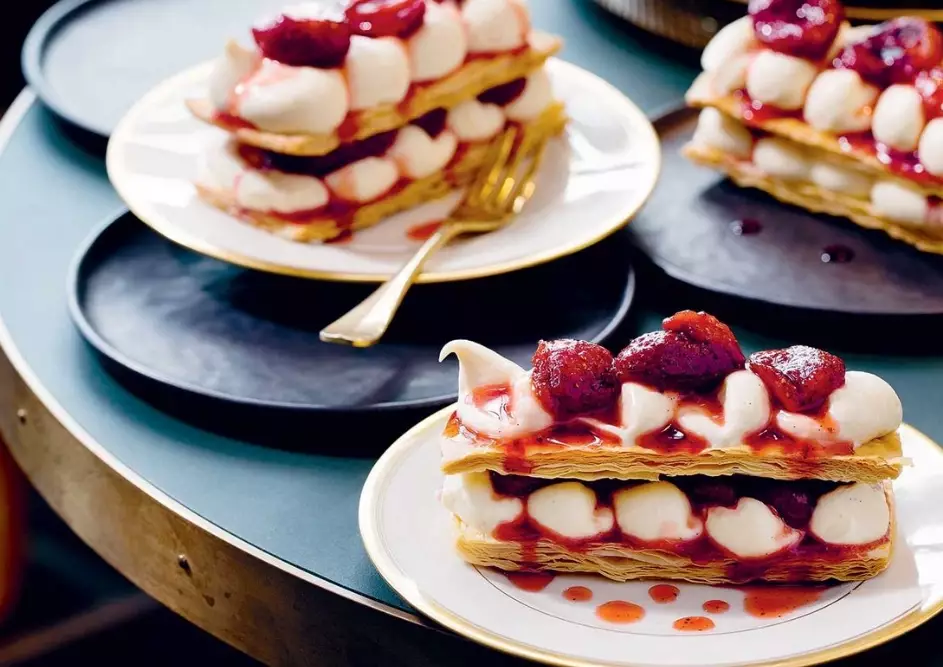
1. Classic Crème Brûlée
Crème brûlée seems fancy, but it's essentially baked custard with a caramelized top. The trick is in the custard: don't overbake it, or it turns rubbery. Here's my simplified version.
Ingredients:
- 2 cups heavy cream
- 1 vanilla bean (or 2 tsp vanilla extract)
- 5 egg yolks
- 1/2 cup granulated sugar, plus extra for topping
Steps:
- Preheat your oven to 325°F (160°C). Heat the cream and vanilla in a saucepan until it just starts to simmer. Remove from heat and let it steep for 10 minutes.
- Whisk egg yolks and sugar until pale. Slowly pour in the warm cream, whisking constantly to avoid curdling.
- Strain the mixture into ramekins. Place them in a baking dish and fill the dish with hot water halfway up the ramekins. Bake for 35-40 minutes until set but still jiggly in the center.
- Chill for at least 4 hours. Before serving, sprinkle a thin layer of sugar on top and use a kitchen torch to caramelize. If you don't have a torch, your oven's broiler works—just watch closely to prevent burning.
2. Rustic Tarte Tatin
This upside-down apple tart is forgiving because it's meant to look homemade. The caramel can be tricky, but I'll share a trick to prevent crystallization.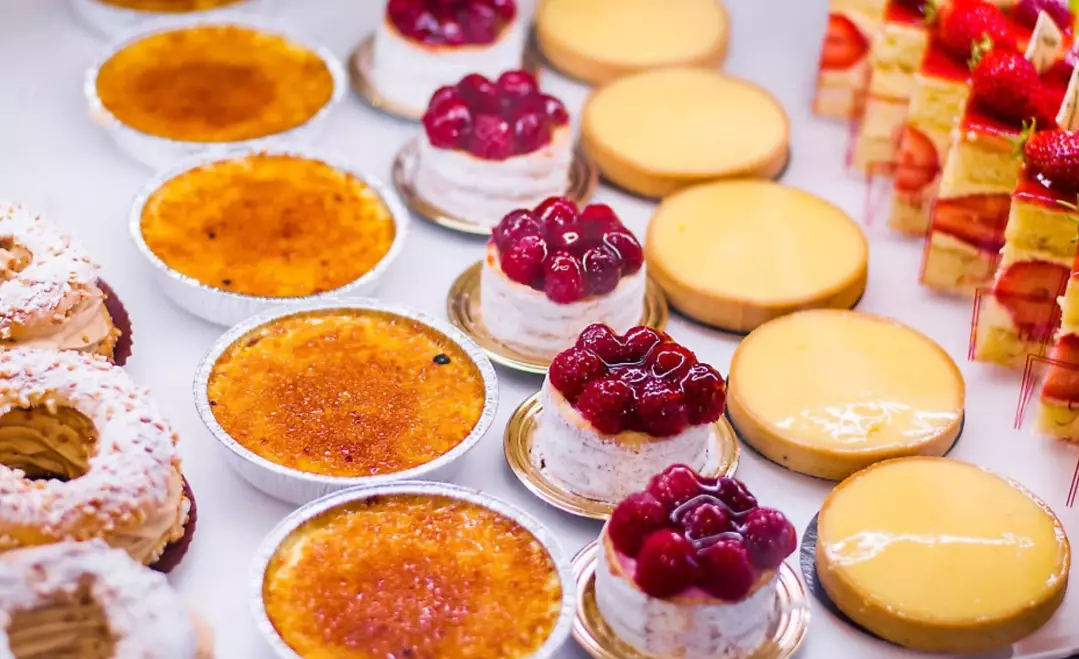
Ingredients:
- 6-8 firm apples (like Granny Smith), peeled and quartered
- 1 cup granulated sugar
- 4 tbsp unsalted butter
- 1 sheet puff pastry (store-bought is fine—chefs use it too)
Steps:
- In an oven-safe skillet, melt the sugar over medium heat until it turns amber. Add butter and stir until combined. Arrange apples in the skillet, cut-side up.
- Cook for 15 minutes until apples soften. Place the puff pastry over the apples, tucking edges in. Bake at 375°F (190°C) for 25 minutes until golden.
- Let it cool for 10 minutes, then invert onto a plate. Serve warm with crème fraîche.
My first tarte tatin was a disaster—the caramel hardened into a rock. I learned to add a tablespoon of water to the sugar at the start to help it melt evenly. Also, don't stir the caramel once it starts browning; just swirl the pan.
3. Foolproof Chocolate Mousse
French chocolate mousse should be airy but rich. This recipe avoids raw eggs by gently cooking them, which is safer and more stable.
Ingredients:
- 200g dark chocolate (70% cocoa), chopped
- 4 eggs, separated
- 1/4 cup sugar
- 1 cup heavy cream
Steps:
- Melt chocolate in a double boiler. In another bowl, whisk egg yolks and half the sugar over simmering water until thickened (about 5 minutes). Remove from heat and stir into melted chocolate.
- Whip cream to soft peaks. In a separate bowl, whip egg whites with remaining sugar until stiff peaks form.
- Fold whipped cream into chocolate mixture, then gently fold in egg whites. Pour into glasses and chill for 4 hours before serving.
If your mousse deflates, you probably overmixed when folding. Use a spatula and cut through the center—it's okay if there are a few streaks.
| Dessert | Prep Time | Difficulty | Key Technique |
|---|---|---|---|
| Crème Brûlée | 20 min + chilling | Medium | Tempering eggs |
| Tarte Tatin | 30 min | Easy | Caramel making |
| Chocolate Mousse | 25 min + chilling | Medium | Folding whipped ingredients |
How to Avoid Common French Baking Pitfalls
Most failed french dessert recipes come from a few repeat offenders. Here's what I've seen beginners mess up, and how to fix it.
Overworking the dough: For pastries like pâte brisée, handle it as little as possible. Cold butter is non-negotiable. If it starts melting, pop it back in the fridge. I've ruined more tarts than I care to admit by being impatient.
Not measuring by weight: French baking is metric for a reason. Volume measurements for flour can vary by 20%. Invest in a cheap kitchen scale—it's a game-changer. For example, 1 cup of flour should be 125g, but scooping can give you 150g, leading to dry desserts.
Rushing the caramel: Caramel goes from perfect to burnt in seconds. Use a light-colored pan so you can see the color change. And have your next ingredients ready; caramel waits for no one.
I once served a crème brûlée that was more soup than custard because I didn't let the cream cool enough before adding it to the eggs. Lesson learned: temperature control is everything. If a recipe says "warm," it means just that—not hot.
Equipment That Actually Matters
You don't need a fancy kitchen, but a few tools make french dessert recipes more reliable. Here's my must-have list, based on what I use weekly.
- Digital scale: As mentioned, for accuracy. I use one from OXO—it's under $20 and lasts years.
- Whisks and spatulas: A balloon whisk for whipping, a flat whisk for sauces. Silicone spatulas scrape bowls clean, which matters when you're using expensive chocolate.
- Oven thermometer: Ovens lie. Mine runs 25°F hot, so I adjust accordingly. A $10 thermometer saved countless batches.
- Kitchen torch: Optional but fun for crème brûlée. I like the Iwatani brand—it's small and powerful. If you skip it, the broiler works fine.
Skip the specialty molds at first. A good skillet and ramekins will get you far. For more on baking tools, check out resources from the Institut Culinaire de France, which often shares equipment guides for home bakers.
Your Burning Questions Answered
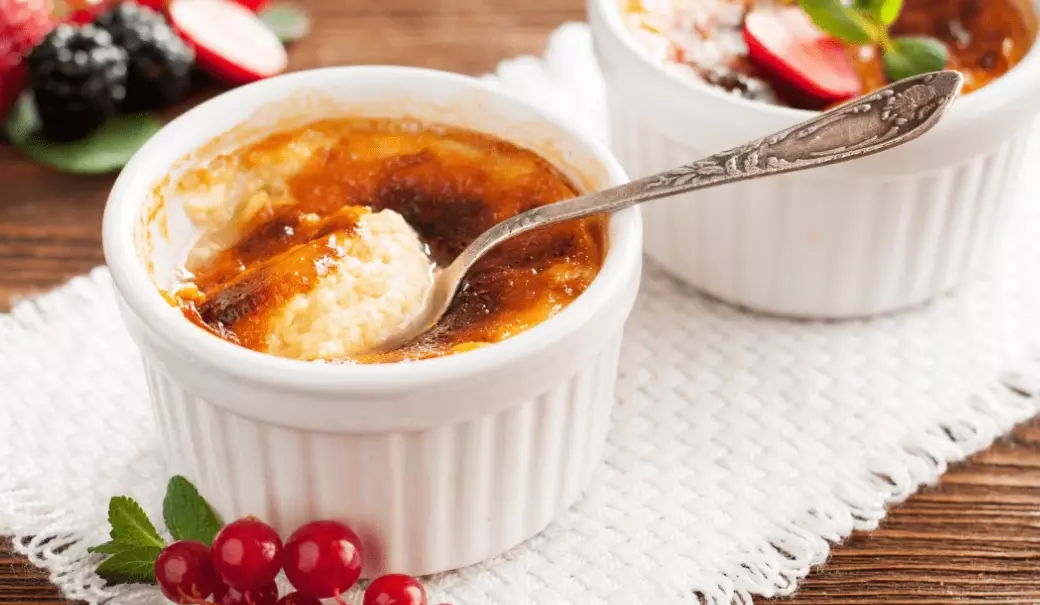 French desserts don't have to be reserved for special occasions. With these recipes and tips, you can bring a bit of Paris into your kitchen anytime. Start with one, master it, and move on to the next. And remember, even failed attempts taste good—my first runny crème brûlée was still delicious over berries. Happy baking!