King mackerel gets a bad rap. People hear "oily fish" and think "fishy," "strong," maybe even "unpleasant." I get it. I've had my share of poorly cooked, overly pungent mackerel that tasted more like the dock than the ocean. But here's the secret most recipes don't tell you: when handled right, king mackerel is a treasure. It's rich in omega-3s, has a meaty, steak-like texture that holds up to bold flavors, and can be the star of a quick, impressive dinner. The trick isn't in a magic sauce; it's in the prep. This guide will walk you through selecting, prepping, and cooking king mackerel so it's always tender, flavorful, and never off-putting.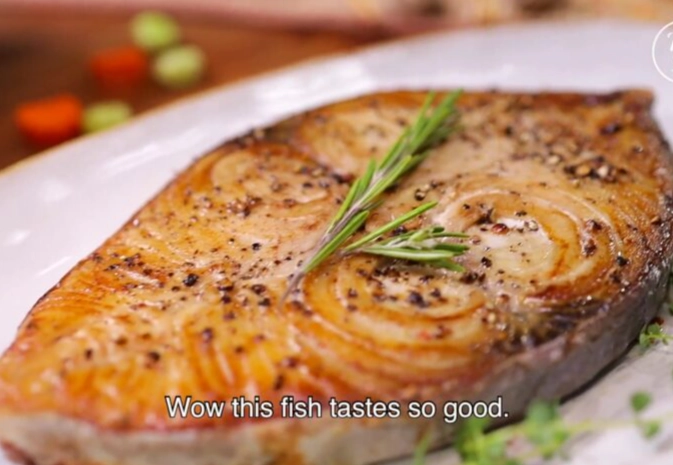
What's Inside?
Why King Mackerel Deserves a Spot on Your Plate
Let's clear something up first. Not all mackerel are the same. Atlantic mackerel (the smaller ones) are milder. Spanish mackerel are a great middle ground. King mackerel (Scomberomorus cavalla) is the larger, more robust cousin. Its higher fat content is a double-edged sword: it can lead to a stronger flavor if mistreated, but it's also what makes it so moist and perfect for grilling or smoking. According to the Florida Fish and Wildlife Conservation Commission, it's a prized sportfish along the Atlantic and Gulf coasts, which tells you something about its quality.
From a home cook's perspective, the benefits are clear. It's often more affordable than tuna or salmon. It cooks fast. And its firm flesh means it won't fall apart on the grill. The goal isn't to mask its flavor, but to complement and elevate it.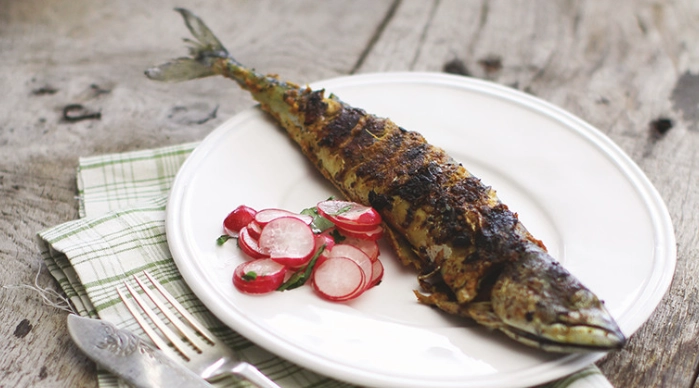
The Critical First Step: Selecting and Prepping Your Fish
Ninety percent of your success with a king mackerel recipe happens before the fish hits the pan. Get this wrong, and no sauce in the world can save you.
Buying the Best Fish
Look for clear, bright eyes and shiny, metallic skin with vivid stripes. The flesh should spring back when pressed gently. A strong "fishy" smell at the counter is your first red flag—it should smell clean, like the sea, not ammonia. If you're buying fillets, they should look moist, not dry or discolored around the edges.
| Form | Best For | Key Buying Tip |
|---|---|---|
| Whole Fish | Grilling, baking, impressive presentation. | Check for bright red gills (if visible) and a firm belly. |
| Skin-On Fillets | Pan-searing, grilling. The skin gets crispy. | Ensure the skin is intact and scaled. Avoid fillets with brown bloodlines. |
| Skinless Fillets | Beginners, those sensitive to stronger flavors. | Look for the thickest, center-cut pieces you can find. |
| Steaks (cut crosswise) | Grilling, broiling. Includes the bone for flavor. | Make sure the cuts are even for consistent cooking. |
The Non-Negotiable Prep: Removing the Bloodline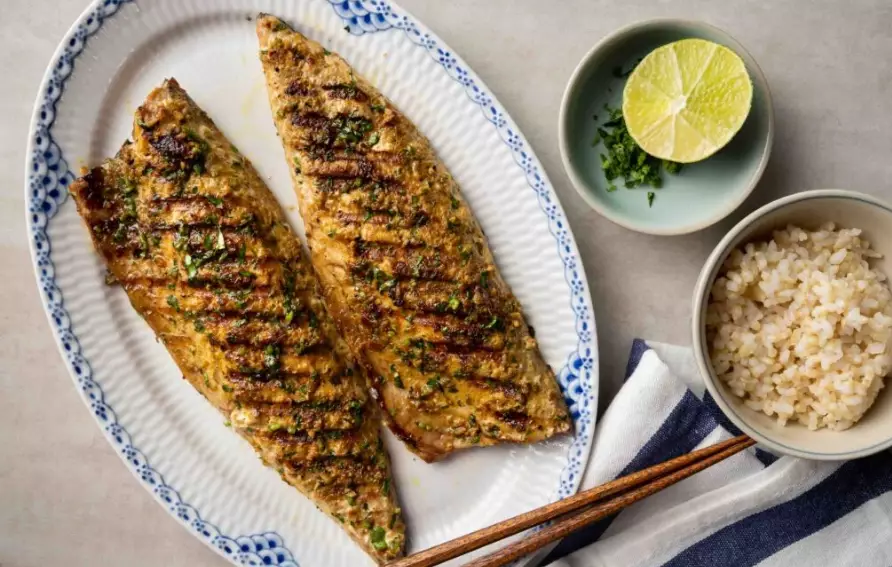
This is the single most important tip I can give you. The dark red or brown meat that runs along the centerline of the fillet is the bloodline. It's where the strongest, sometimes bitter, flavors concentrate. If you leave it in, you're guaranteeing a fishier taste.
Take your fillet and lay it skin-side down. You'll see the dark line. Using a sharp, flexible fillet knife, simply slice it out in a shallow "V" shape. It takes 30 seconds and transforms the fish. Rinse the fillet under cold water and pat it extremely dry with paper towels. Dry fish sears better.
I learned this the hard way. I once marinated a beautiful fillet for hours, grilled it perfectly, and was confused why it still had that off-putting aftertaste. I'd skipped the bloodline removal. Never again.
Three Foolproof King Mackerel Cooking Methods
With your fish prepped, let's cook. These three methods cover most home kitchen scenarios.
1. How to Grill King Mackerel (The Crowd-Pleaser)
Grilling is king mackerel's best friend. The high, direct heat renders the fat, crisps the skin, and gives a smoky char that balances the richness.
What you need: Skin-on fillets or steaks, a clean, well-oiled grill grate (seriously, clean it well or the skin will stick), medium-high heat (about 400°F/200°C).
Simple Grill Rub: Mix 2 parts kosher salt to 1 part each black pepper and smoked paprika. Add a pinch of brown sugar if you like a touch of caramelization.
The Process: Pat the fish dry. Rub lightly with oil, then apply your seasoning. Place the fillets skin-side down on the hot grill. Do not move them. Let them cook for 4-6 minutes until you can see the flesh turning opaque about halfway up the side and the skin releases easily. If it sticks, it's not ready. Flip carefully and cook for another 2-4 minutes on the flesh side. It's done when it flakes easily but is still moist in the thickest part. Steaks may take a minute or two longer per side.
2. How to Pan-Sear King Mackerel (The Quick Weeknight Fix)
This is my go-to for a 15-minute dinner. You get an incredible, crispy skin and a restaurant-quality sear.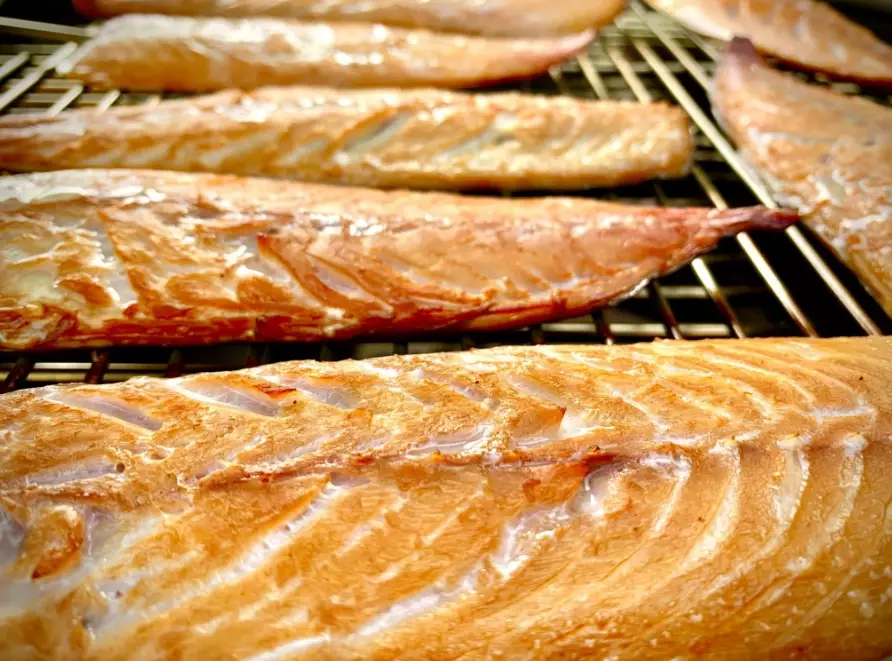
Use a heavy skillet (cast iron or stainless steel). Get it screaming hot over medium-high heat. Add a high-smoke-point oil (avocado or grapeseed). Season your dry, skin-on fillet with just salt and pepper. Place it in the pan skin-side down. It will sizzle aggressively. Immediately press down gently with a spatula for 10 seconds to ensure full skin contact.
Now, here's the expert move: reduce the heat to medium. You want to render the fat and crisp the skin without burning it. Cook for 90% of the time on the skin side—about 5-7 minutes for a 1-inch thick fillet. You're basically confiting it in its own fat. Flip it for the last 30-60 seconds just to kiss the other side with heat. Serve skin-side up.
3. How to Bake King Mackerel (The Hands-Off Approach)
Baking is forgiving and great for larger quantities or stuffed preparations.
Preheat your oven to 400°F (200°C). Place your seasoned fillets or a stuffed whole fish on a parchment-lined sheet. For fillets, you can create a "packet" with parchment or foil to steam in its juices. A classic Mediterranean bake: lay fillets on sliced tomatoes and onions, drizzle with olive oil, scatter with olives and oregano. Bake for 12-18 minutes, depending on thickness, until just opaque.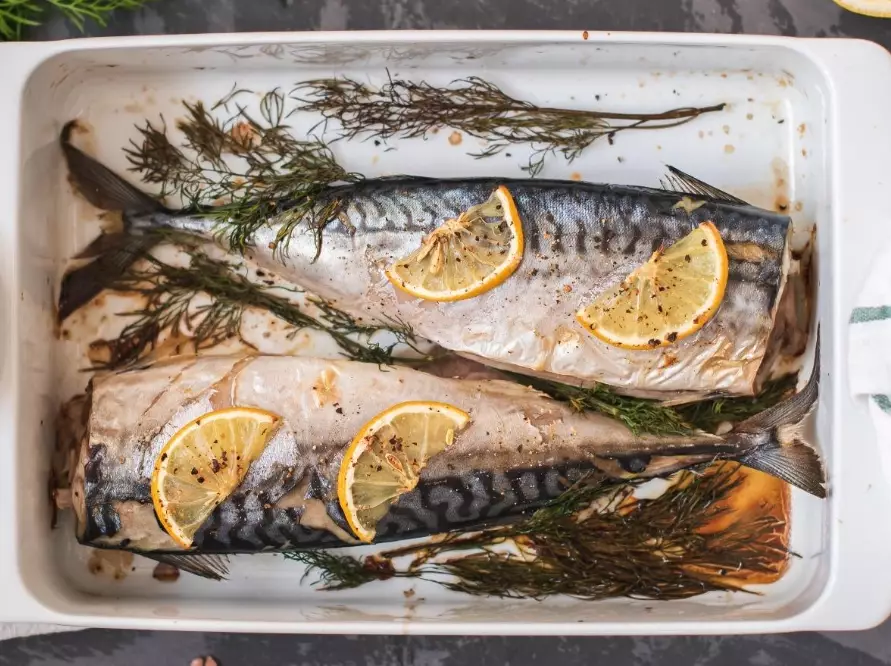
Sauces & Sides: What to Serve With Your Mackerel
The fat in king mackerel loves acid and fresh herbs. Heavy, creamy sauces will just weigh it down.
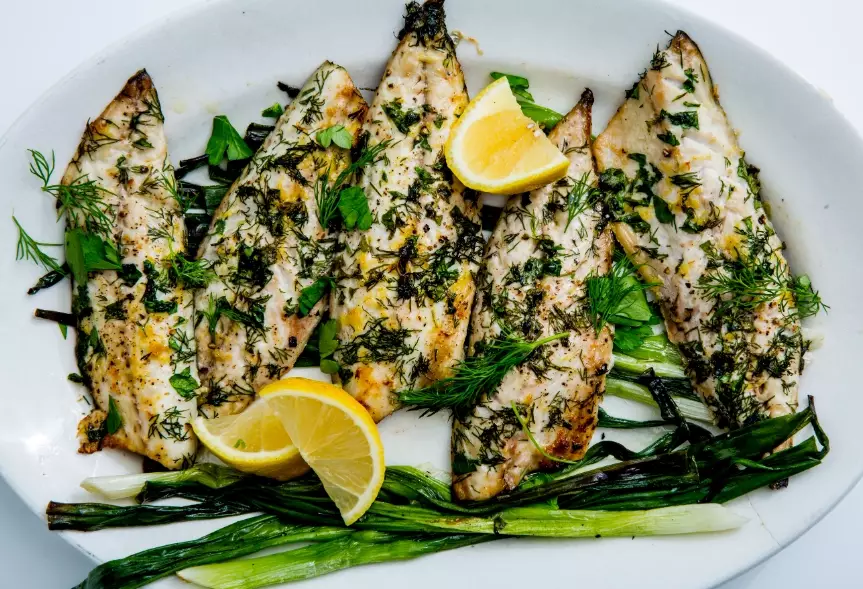
- The Universal Fixer: A quick squeeze of fresh lemon or lime right before serving. It brightens everything.
- Herb Salsa Verde: Chop parsley, cilantro, capers, a garlic clove, and mix with olive oil and lemon zest. Spoon over hot fish.
- Greek Yogurt & Dill Sauce: Mix full-fat Greek yogurt with chopped fresh dill, a squeeze of lemon, salt, and a tiny bit of minced garlic. Cuts through the richness beautifully.
- Asian-Inspired Glaze: While the fish rests, deglaze your pan with a mix of soy sauce, mirin, rice vinegar, and a teaspoon of grated ginger. Reduce slightly and drizzle over.
For sides, think bright and simple: a crisp green salad with a sharp vinaigrette, roasted asparagus or broccoli, herbed rice, or a quick cucumber and tomato salad.
Your King Mackerel Questions, Answered
 Can I use lemon juice or milk to "soak" the fish and remove the fishy taste before cooking?