Let's talk about a dinner hero that doesn't get enough credit: Alaskan pollock. If you're staring into the freezer aisle or scrolling through seafood recipes feeling a bit lost, this mild, flaky white fish is your answer. It's not fancy, and that's the point. It's the reliable workhorse of the kitchen—affordable, sustainable, and incredibly adaptable. Forget the idea that cooking fish is intimidating or expensive. With a few solid Alaskan pollock recipes in your back pocket, you can get a healthy, satisfying meal on the table faster than ordering takeout.
I've been cooking with it for years, partly because my wallet likes it, and partly because my kids actually eat it without a fuss. The real magic happens when you move beyond just baking it plain. We're talking crispy tacos, chunky chowders, and fish cakes that rival any crab cake.
What You'll Find in This Guide
- Why Alaskan Pollock Deserves a Spot in Your Kitchen
- Buying and Storing Pollock: A Quick Reality Check
- Recipe 1: Crispy Beer-Battered Pollock Tacos
- Recipe 2: Hearty New England-Style Pollock Chowder
- Recipe 3: Simple Lemon-Herb Baked Pollock Fillets
- The One Mistake Everyone Makes with Frozen Pollock
- Your Pollock Cooking Questions, Answered
Why Alaskan Pollock Deserves a Spot in Your Kitchen
First off, let's clear something up. Alaskan pollock (that's Gadus chalcogrammus, if you're curious) is different from the pollock you might find in the UK. The Alaskan variety is a sustainability success story. Fisheries in the Bering Sea and Gulf of Alaska are managed under some of the world's strictest rules, according to reports from the Alaska Seafood Marketing Institute. So you can feel good about buying it.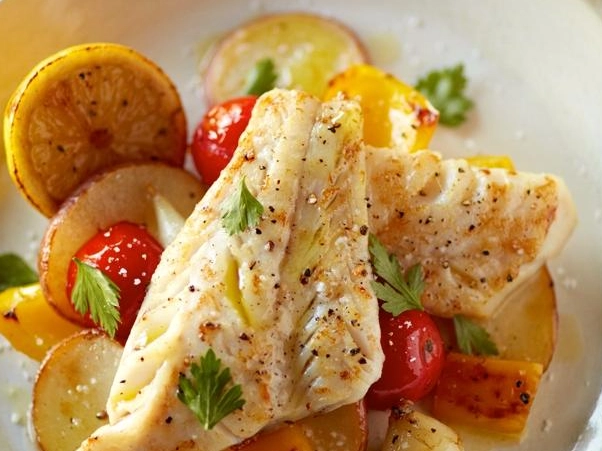
On the plate, it's all about utility. The flavor is mild—some call it bland, I call it a blank canvas—which means it plays well with bold spices, creamy sauces, and tangy citrus. The texture is firm enough to hold up in a stew but flakes beautifully when baked. Nutritionally, it's a lean protein packed with selenium and vitamin B12.
But the real win? The price. Compared to cod or halibut, Alaskan pollock is consistently easier on the budget, especially when you buy it frozen in fillets or blocks. This makes it perfect for family meals where you need to stretch a dollar without sacrificing quality.
Buying and Storing Pollock: A Quick Reality Check
You'll almost always find Alaskan pollock in the frozen section. Here's what to look for:
- Fillets, Individually Quick Frozen (IQF): Your best bet for recipes like tacos or baking. They're thin, cook evenly, and you can grab exactly how many you need.
- Blocks: These are great for recipes where the fish gets broken up anyway, like chowder, fish cakes, or pot pies. They're usually the most budget-friendly option per pound.
- “Wild Alaskan” Label: This is key. It ensures the fish is from those well-managed U.S. fisheries.
Store it in the freezer until you're ready to use it. Thawing is crucial—do it slowly in the fridge overnight. If you're in a pinch, seal the bag and submerge it in cold water, changing the water every 30 minutes. Never thaw at room temperature or in warm water; you'll ruin the texture.
Recipe 1: Crispy Beer-Battered Pollock Tacos
This is the recipe that will make you a pollock believer. The light, crispy batter is a game-changer.
What You'll Need:
For the Fish: 1 lb Alaskan pollock fillets (thawed, patted very dry), 1 cup all-purpose flour, 1 tsp baking powder, 1 tsp paprika, 1/2 tsp garlic powder, 1/2 tsp salt, 1 cup cold lager-style beer, vegetable oil for frying.
For Serving: Corn or flour tortillas, shredded cabbage, pico de gallo or diced tomato, lime wedges, crema or sour cream thinned with a little lime juice.
How to Make It (Without a Soggy Mess)
Cut the fillets into 1-inch wide strips. In a bowl, whisk the flour, baking powder, paprika, garlic powder, and salt. Pour in the cold beer and whisk until just combined; a few lumps are fine. The carbonation is what creates the airy crunch.
Heat about 1.5 inches of oil in a heavy pot to 375°F (190°C). A candy thermometer is your friend here. If the oil's not hot enough, the fish will be greasy.
Here's the pro move: dredge each fish strip lightly in a little extra flour before dipping it into the batter. This helps the batter stick. Let excess drip off, then gently lower into the oil. Fry for 3-4 minutes until golden brown, turning once. Don't overcrowd the pot. Drain on a rack, not paper towels—this keeps the bottom from getting steamy and soft.
Serve immediately in warm tortillas with your toppings. The contrast of hot, crispy fish with cool, crunchy cabbage is everything.
Recipe 2: Hearty New England-Style Pollock Chowder
This is comfort in a bowl. Using pollock instead of traditional clams or cod makes it incredibly affordable for a big pot of chowder.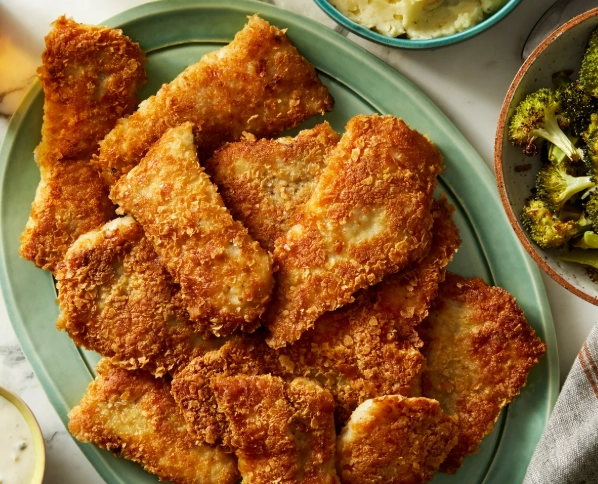
Start by dicing 4 slices of bacon and cooking them in a large pot until crisp. Remove the bacon, leaving the fat. In that flavorful fat, cook 1 diced onion and 2 diced celery stalks until soft. Add 2 diced russet potatoes and enough water or chicken broth to just cover them. Simmer until the potatoes are tender, about 10-15 minutes.
Now, stir in 2 cups of whole milk or half-and-half. Cut 1 lb of thawed pollock (blocks work great here) into chunks and add them to the pot. Let it simmer gently for 5-7 minutes—the fish will cook through and start to flake apart. Season with salt, pepper, and a pinch of thyme. Stir in the cooked bacon right at the end.
The result is creamy, smoky, and packed with chunks of tender fish and potato. It's a one-pot meal that tastes like it simmered for hours.
Recipe 3: Simple Lemon-Herb Baked Pollock Fillets
For nights when you need healthy and fast, this is your go-to. It highlights the fish's natural qualities.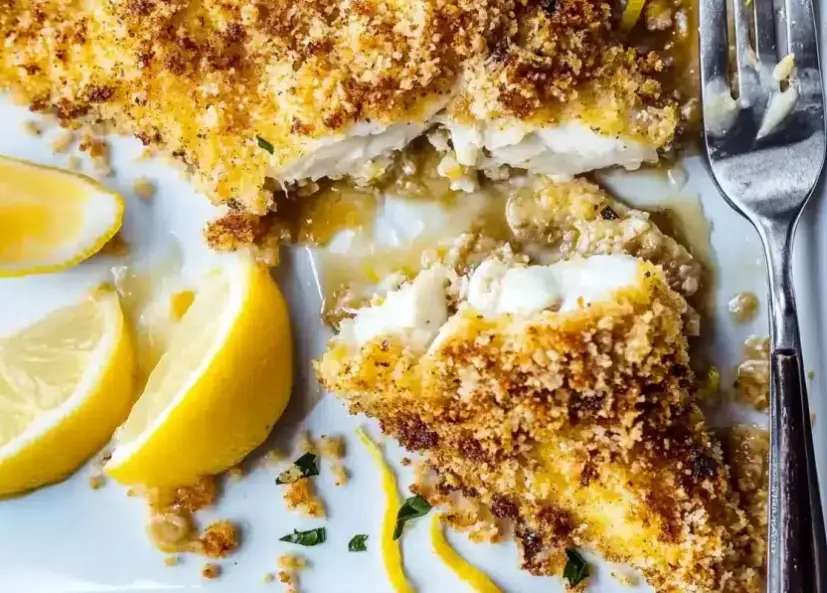
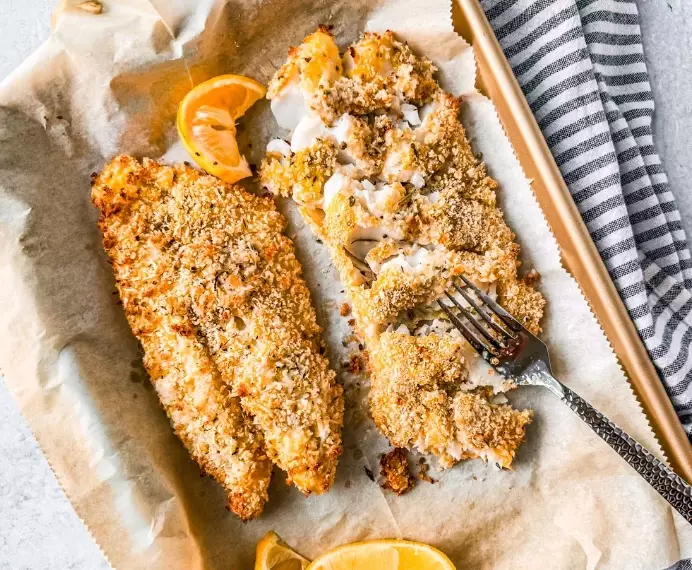
Preheat your oven to 400°F (200°C). Place 1 lb of thawed, patted-dry pollock fillets on a parchment-lined baking sheet. Drizzle with a little olive oil. In a small bowl, mix the zest of one lemon, 2 minced garlic cloves, 1 tbsp chopped fresh dill (or 1 tsp dried), and 1 tbsp chopped fresh parsley. Sprinkle this mixture evenly over the fillets, then season well with salt and pepper.
Bake for 12-15 minutes. The fish is done when it flakes easily with a fork and is opaque all the way through. Do not overbake—this is the most common error. Squeeze fresh lemon juice over the top right before serving.
Pair it with roasted vegetables and a grain like quinoa or rice. Dinner is done in 20 minutes flat.
The One Mistake Everyone Makes with Frozen Pollock
It's all about moisture. Frozen fillets release a lot of water when they thaw. If you don't pat them bone-dry with paper towels before cooking, you're essentially steaming the fish in its own liquid. This is why your baked pollock might turn out mushy or why your breading falls off when pan-frying.
Take an extra minute. Lay the fillets on a stack of paper towels, top with more towels, and press gently. You'll be shocked how much water comes out. This single step is the difference between a mediocre and a fantastic result.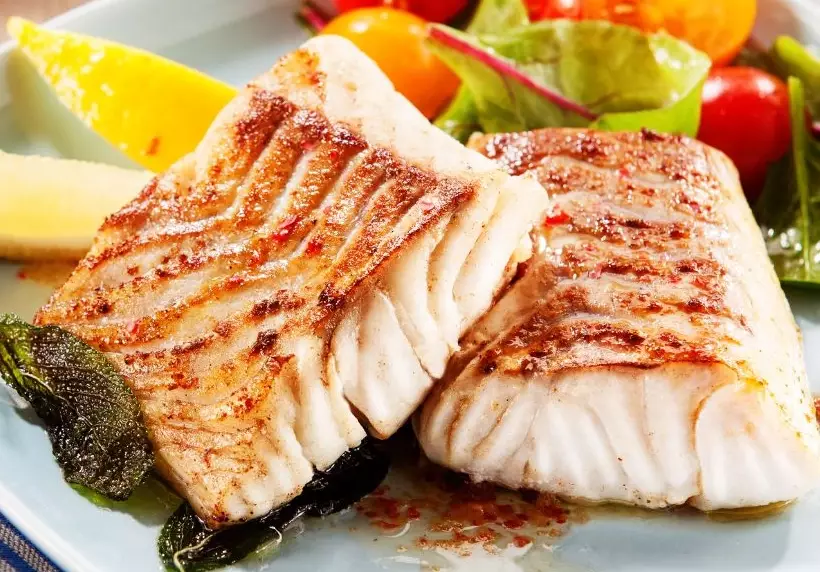
Your Pollock Cooking Questions, Answered
So there you have it. Alaskan pollock isn't just a backup option; it's a strategic choice for easy, healthy, and budget-conscious cooking. Start with those beer-battered tacos. You might just find your new favorite weeknight routine.