Let's be honest. A beautiful piece of venison loin can be intimidating. You paid good money for it, or maybe you spent a long weekend hunting for it. The last thing you want is to turn that gorgeous, lean meat into something tough and dry. I've been there. I've over-seared, under-rested, and overseasoned my share of game meat. But after years of trial and error (and some truly fantastic successes), I can tell you this: cooking venison loin is one of the most rewarding things you can do in the kitchen. When you get it right, the flavor is incomparable—deep, rich, and clean, without any of the gaminess people fear.
Quick Guide to Mastering Venison Loin
- First Things First: Getting to Know Your Venison Loin
- The Non-Negotiable Prep Work (Don't Skip This)
- Your Venison Loin Recipe Toolkit: Three Core Methods
- The Science of Doneness: Temperature is Everything
- Resting, Slicing, and Serving: The Final Act
- Answering Your Big Questions About Venison Loin
- Taking It Further: Flavor Combinations & Advanced Tips
- Parting Thoughts: Embrace the Process
This guide isn't about one magic trick. It's about understanding the meat itself. Venison loin is the filet mignon of the deer. It's incredibly tender, but because it's so lean (seriously, it makes most beef look fatty), it demands a different approach. Forget everything you know about cooking a fatty steak. We're playing a different game here.
We'll walk through everything. From picking the right cut at the butcher to letting it rest on your cutting board. I'll give you three core venison loin recipes that form the foundation of my cooking: a simple pan-seared version, a reverse-sear for perfect doneness, and a festive herb-crusted roast. Along the way, we'll tackle the big questions. How do you add fat? What's the best internal temperature? And what on earth do you serve with it?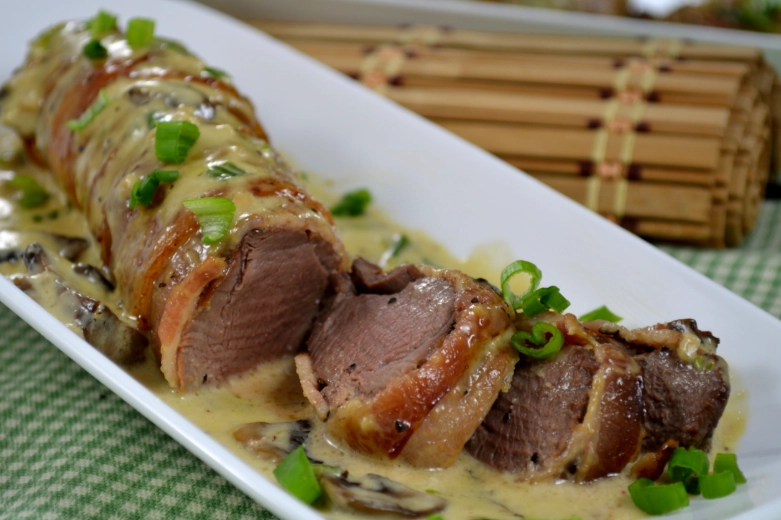
First Things First: Getting to Know Your Venison Loin
You can't cook it well if you don't know what you're handling. The "loin" typically refers to the long, tender muscle that runs along the deer's back. It's often broken down into two main cuts you'll see: the backstrap (the longer, central section) and the tenderloin (a smaller, even more tender piece found inside the carcass). For most venison loin recipes, you're dealing with the backstrap. It's usually 2-3 inches in diameter and can be cut into steaks or roasted whole.
The #1 Rule: It's Lean. This is the most important thing to remember. Venison has almost no marbling (intramuscular fat). That lack of fat is what gives it its clean taste, but it's also what makes it prone to drying out if cooked harshly or for too long. Your mission is to preserve its natural moisture and add flavor through technique and fat.
Where your meat comes from matters, too. Wild venison flavor can vary wildly (pun intended) based on the deer's diet—acorns, apples, corn, or pine browse all leave their mark. Farmed venison tends to have a more consistent, milder flavor. Neither is better; they're just different. Farmed is often more accessible, while wild has that unique terroir. The principles of cooking, however, remain the same.
The Non-Negotiable Prep Work (Don't Skip This)
Alright, you've got your loin. Here's what you need to do before any heat even touches it.
Thawing & Bringing to Room Temp
If frozen, thaw it slowly in the fridge for 24-48 hours. Never thaw at room temperature or in water, as this can degrade texture and promote bacteria. Once thawed, take it out of the fridge at least 30-45 minutes before cooking. A cold center will ruin your cook time and lead to an unevenly cooked piece of meat. This step is critical for all venison loin recipes.
Trimming and Patting Dry
Look for any silverskin—that tough, silvery membrane on the surface. It doesn't render down; it gets chewy. Use a sharp, thin knife to slide under it and peel it off. It takes a bit of practice, but it's worth it. Then, take a mountain of paper towels and pat the loin completely dry. I mean, bone dry. Moisture is the enemy of a good sear. You want a crust, not a steam.
To Marinate or Not to Marinate?
This is a big debate. For tender cuts like the loin, I'm mostly against wet marinades. They can make the surface mushy and don't penetrate deeply anyway. What I am for is dry-brining. Generously salt the meat (kosher salt is my go-to) 1-2 hours before cooking. Leave it uncovered on a rack in the fridge. The salt draws out moisture, which then dissolves the salt and gets re-absorbed, seasoning the meat deeply and helping it retain juices during cooking. It's a game-changer.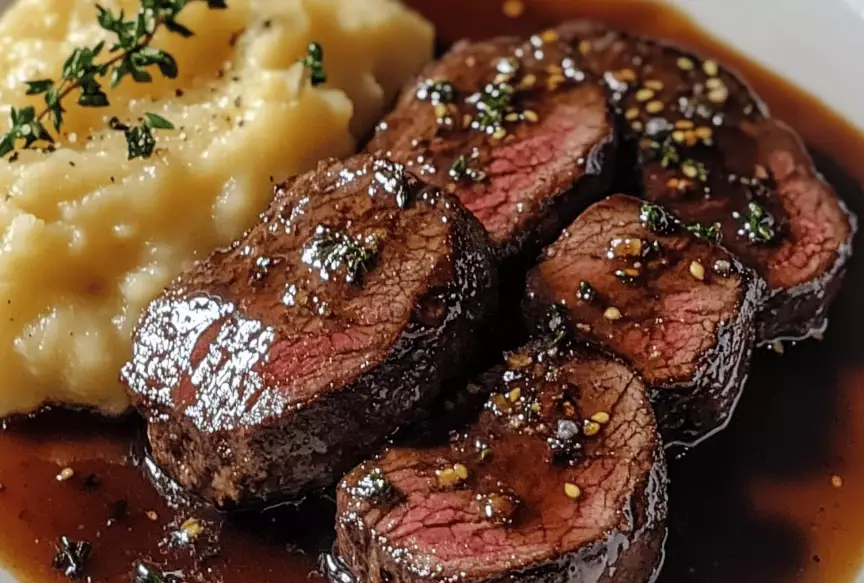
I used to be a marinade believer until I tried a side-by-side test. The dry-brined loin was noticeably more flavorful and juicy throughout, while the wet-marinated one had a slightly soggy exterior. Now I only use wet marinades for tougher cuts that need tenderizing.
Your Venison Loin Recipe Toolkit: Three Core Methods
These three methods cover 95% of what you'll want to do. Master these, and you can improvise forever.
Foundational Recipe 1: The Simple Pan-Seared Venison Loin Steaks
This is your weeknight winner. Fast, simple, and showcases the pure flavor of the meat.
What you need: Venison loin steaks (1.5 inches thick), high-smoke-point oil (avocado, grapeseed), butter, fresh thyme/rosemary, garlic cloves, salt, pepper.
The Process: Get a heavy skillet (cast iron is king) screaming hot. Add just enough oil to coat the bottom. Season your dry-brined steaks with fresh cracked pepper right before they go in. Lay them in the pan—don't crowd it. You should hear a fierce sizzle. Don't touch them for 2-3 minutes to build a proper crust. Flip and sear the other side. In the last minute, add a big knob of butter, the herbs, and garlic to the pan. Tilt the pan and baste the steaks constantly with the foaming butter. This adds crucial fat and flavor. For medium-rare, aim for an internal temp of 125-130°F (52-54°C). Pull them out, rest for 5-8 minutes.
Foundational Recipe 2: The Reverse-Sear for Foolproof Doneness
My absolute favorite method for a whole roast. It eliminates the guesswork and gives you perfect edge-to-edge pink.
What you need: A whole venison loin (backstrap), oven, meat thermometer, oven-safe skillet.
The Process: Patience is key. Season the whole loin. Place it on a rack over a baking sheet. Put it in a low oven, around 250°F (120°C). Let it slowly cook until the internal temperature is about 10-15 degrees below your final target (so ~110°F for medium-rare). This can take 30-60 minutes depending on size. This slow cook gently brings the meat up without shocking it. Then, get your skillet ripping hot. Sear the now-warm loin on all sides for 60-90 seconds each to build that beautiful crust. The inside is already perfectly cooked. Rest briefly and slice. It's impossible to mess up the doneness this way.
Foundational Recipe 3: The Herb-Crusted Roasted Loin for Special Occasions
This is your dinner party showstopper. It looks incredible and fills the house with amazing smells.
What you need: Whole loin, Dijon mustard, breadcrumbs (panko are great), fresh parsley, rosemary, thyme, garlic, lemon zest, olive oil, salt, pepper.
The Process: Sear the whole loin first in a pan to get color on all sides. Let it cool slightly. Brush it lightly with Dijon mustard—this acts as glue. Mix the chopped herbs, garlic, lemon zest, and breadcrumbs with enough oil to make it clumpy. Press this mixture all over the mustard-coated loin. Transfer it to a roasting pan. Now, roast in a 400°F (200°C) oven until the crust is golden and the internal temp hits 130°F for medium-rare. The mustard flavor mellows into a wonderful background note, and the herb crust adds texture and flavor that complements the lean meat perfectly. This is one of those venison tenderloin recipes that always gets compliments.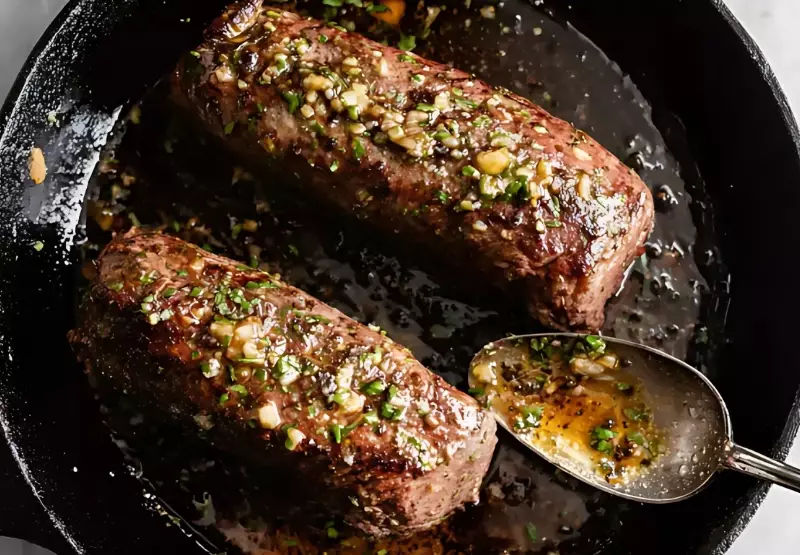
The Science of Doneness: Temperature is Everything
Guessing will fail you. A good instant-read thermometer (like a Thermapen) is the best investment you can make for cooking any meat, especially venison.
| Doneness | Target Internal Temp (F) | Target Internal Temp (C) | Visual & Texture Cue |
|---|---|---|---|
| Rare | 120-125°F | 49-52°C | Very red, soft, and cool center. For true enthusiasts only. |
| Medium-Rare (Recommended) | 130-135°F | 54-57°C | Warm red center, juicy, and perfect tenderness. The ideal target. |
| Medium | 140-145°F | 60-63°C | Pink center, starting to firm up. The absolute maximum I'd go. |
| Medium-Well & Well | 150°F+ | 65°C+ | Gray, firm, and dry. Please don't do this to your loin. |
Pro Tip: Always pull the meat from the heat 5-10 degrees BEFORE it hits your target temperature. The residual heat (called "carryover cooking") will continue to raise the temp while it rests. This is non-negotiable for avoiding overcooking.
Why is medium-rare the sweet spot? The muscle fibers haven't fully tightened and squeezed out all their moisture. Go hotter, and they contract violently, pushing out the precious juices onto your plate instead of staying in the meat. The USDA recommends cooking all wild game to a minimum of 160°F for safety, but this is widely considered overkill for intact muscle meats like loin, leading to very dry results. For farmed venison, the risk profile is similar to other red meats. Proper handling and cooking to at least 135°F is generally accepted as safe for consumption. You can find more detailed food safety guidelines for game meat on the USDA Food Safety and Inspection Service website.
Resting, Slicing, and Serving: The Final Act
You've cooked it perfectly. Now don't ruin it by cutting immediately!
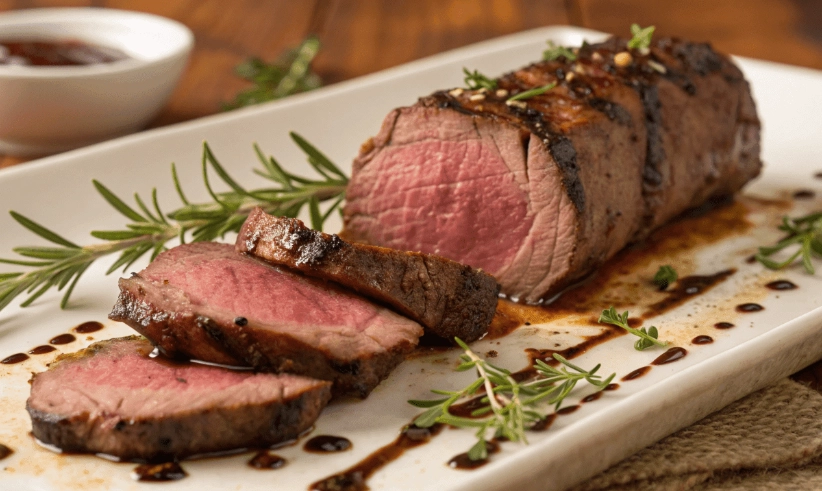
Resting: When meat cooks, the juices rush to the center. If you cut it open, they flood out. Resting allows the fibers to relax and the juices to redistribute evenly throughout the meat. For a whole roast, tent it loosely with foil and rest for 10-15 minutes. For steaks, 5-8 minutes is enough. This patience pays off in juiciness.
Slicing: Always slice against the grain. Look for the lines running along the meat—your knife should cut perpendicular to them. This shortens the muscle fibers, making each bite more tender. For a loin, slice into medallions about 1/2 to 3/4 inch thick.
Serving Ideas: Venison loin is rich, so pair it with sides that cut through or complement that richness.
- Classic: Creamy mashed potatoes (with lots of butter and roasted garlic) and roasted Brussels sprouts with bacon.
- Bright & Fresh: A tangy red wine reduction sauce (just reduce red wine, shallots, and stock with a thyme sprig, finish with cold butter), with a simple arugula salad dressed with lemon.
- Seasonal: In fall, try roasted root vegetables (parsnips, carrots) and a blackberry or cherry port sauce. The fruit works amazingly with game.
Answering Your Big Questions About Venison Loin
Taking It Further: Flavor Combinations & Advanced Tips
Once you're comfortable, play around. Venison loves bold, earthy, and sweet-tart flavors.
- Spice Rubs: Coffee-chili rubs create an amazing dark crust. A mix of smoked paprika, cumin, and coriander is great too.
- Pan Sauces: After searing, deglaze the pan with brandy, red wine, or balsamic vinegar. Add some stock and reduce. Finish with a pat of cold butter swirled in off the heat for a glossy, rich sauce.
- Bacon-Wrapping: The classic solution to leanness. Wrap the loin in thin slices of good bacon before roasting. The bacon fat bastes the meat as it cooks. Just be sure to sear it well first, or the bacon can be limp.
Understanding the science of meat cooking can really elevate your game. For a deep dive into the principles of heat transfer and protein denaturation that make the reverse-sear so effective, resources from institutions like Serious Eats are fantastic. They break down the "why" behind the "how."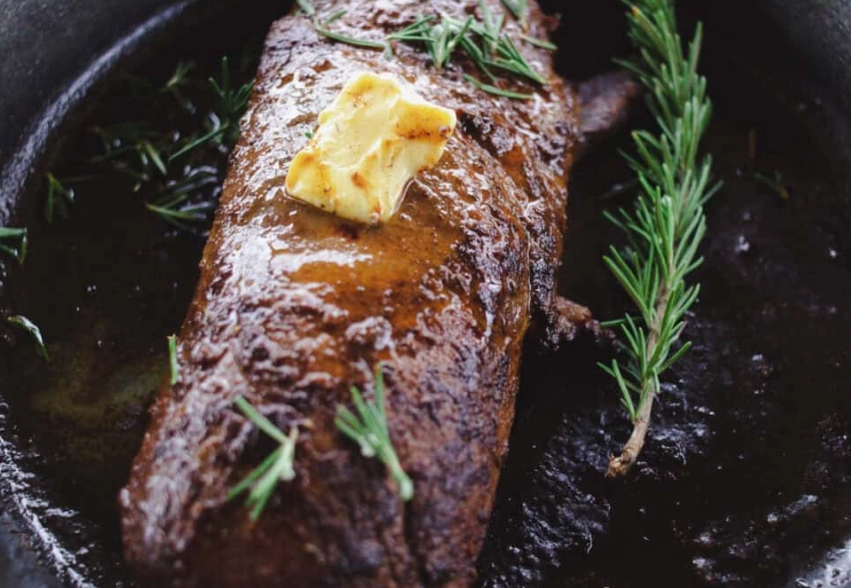
The biggest leap in my cooking came when I stopped following recipes blindly and started understanding the principles. Why do we sear? Why does resting work? Once you get that, you can adapt any recipe, or create your own, with confidence.
Parting Thoughts: Embrace the Process
Cooking venison loin isn't hard, but it does ask for your attention. It asks you to be present—to watch the sear, to check the temperature, to let it rest. In return, it gives you one of the most distinctive and satisfying eating experiences out there.
Start with the pan-seared steak. Get a feel for the sear and the quick cook time. Then try the reverse-sear for a special meal. You'll be amazed at the control it gives you. Before long, you'll be looking at that beautiful piece of meat not with anxiety, but with anticipation. You'll know exactly what to do.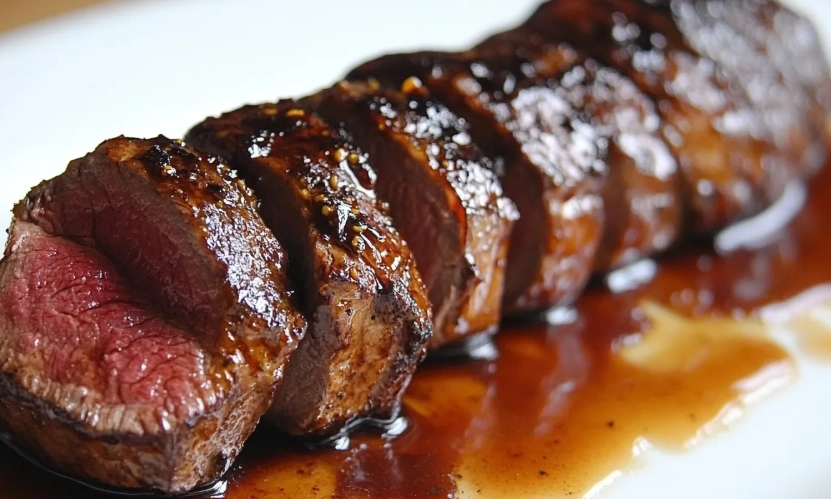
So go on. Pick up a loin. Dry-brine it. Heat your pan. And get ready for one of the best meals you've ever made. The world of venison loin recipes is waiting for you to make it your own.